Umbria
Discover Umbria through its timeless hilltop villages, rolling green landscapes, centuries-old traditions, and exceptional food and wine, where authentic Italian life unfolds at a slower pace
Why visit Umbria?
Italy's Green Heart
Umbria is one of Italy's most authentic regions, combining medieval hill towns, rolling countryside, beautiful landscapes, and outstanding local food. Known as Italy's Green Heart, this landlocked region offers a slower and more peaceful Italian experience that remains largely untouched by international mass tourism.
Medieval Towns & Timeless Heritage
Few regions capture the atmosphere of medieval Italy quite like Umbria. Explore the spiritual streets of Assisi, wander through beautiful towns such as Spello and Gubbio, or discover peaceful hilltop villages where ancient churches, historic piazzas, and centuries-old traditions remain part of everyday life.
Truffles, Wine & Local Traditions
Umbria is an exceptional destination for food lovers. The region is famous for black truffles, olive oil, cured meats, handmade pasta, local cheeses, and traditional dishes shaped by its agricultural heritage, accompanied by excellent wines such as the celebrated Sagrantino from Montefalco.
Rolling Hills & Wild Landscapes
Beyond its historic towns, Umbria offers some of central Italy's most beautiful natural landscapes. Hike through the Sibillini Mountains, explore the shores of Lake Trasimeno, admire the spectacular Marmore Falls, or drive through peaceful countryside filled with vineyards, forests, and endless olive groves.
Discover Umbria Beyond the Crowds
From medieval hill towns and Renaissance art to wild mountains and peaceful countryside, Umbria rewards travellers who venture beyond Italy's famous destinations. Explore beyond the usual tourist routes and you'll discover a region full of authentic experiences, spectacular scenery, and some of Italy's most enchanting hidden gems.
Best time to visit
Spring
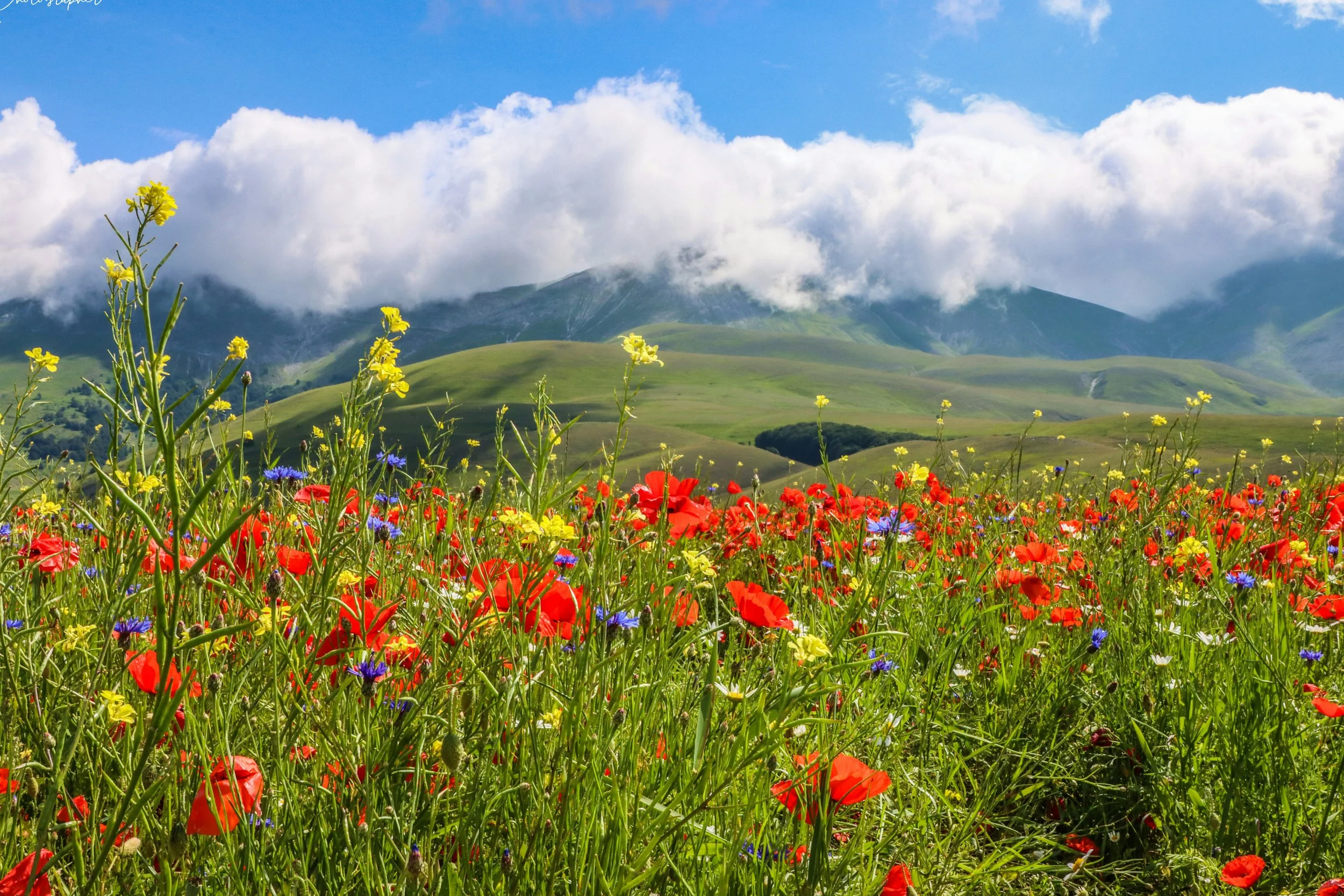
Perfect for hiking, wildflowers, and peaceful hill towns with pleasant temperatures.
SUMMER
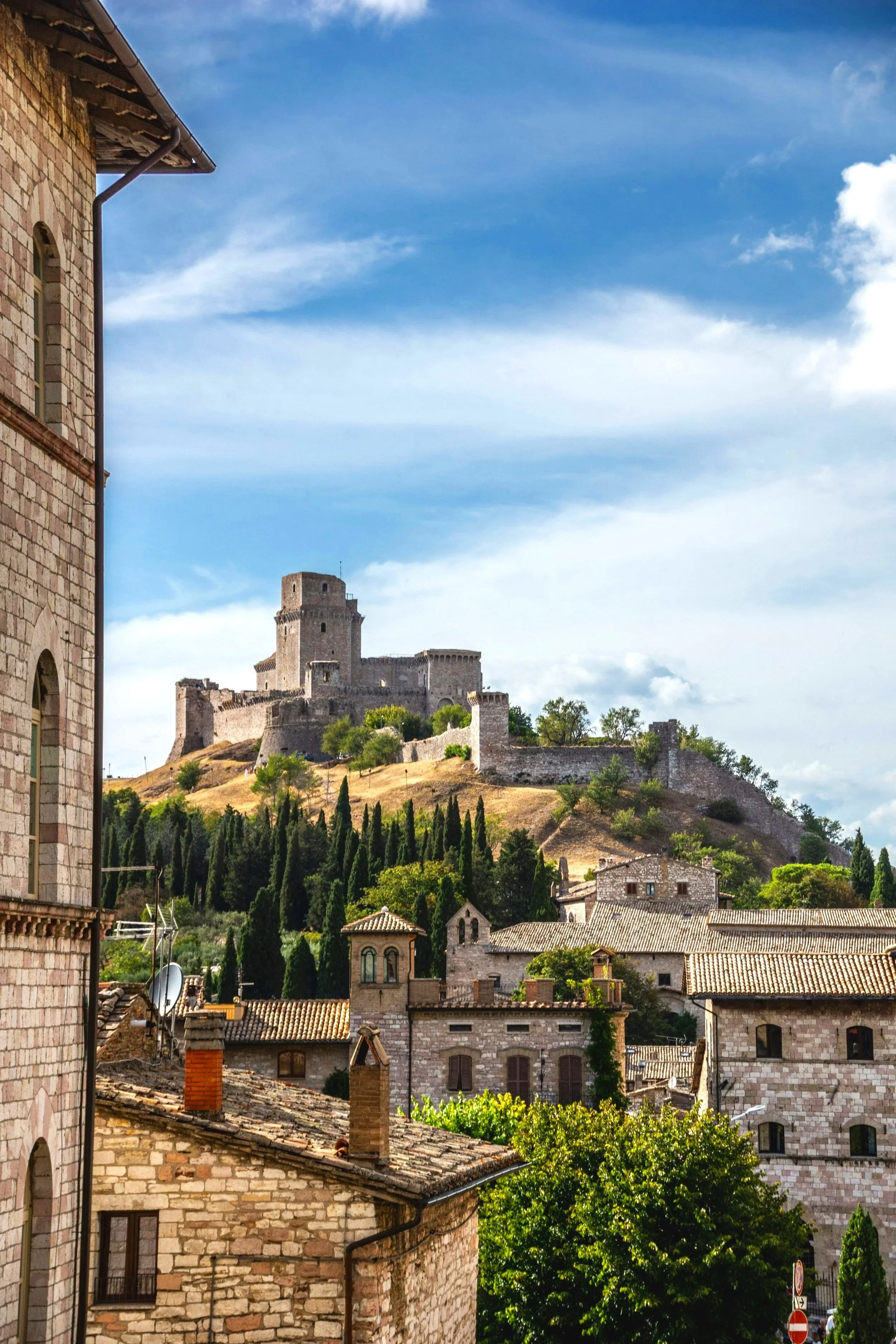
Ideal for festivals, long evenings, and outdoor dining, though afternoons can be hot.
AUTUMN
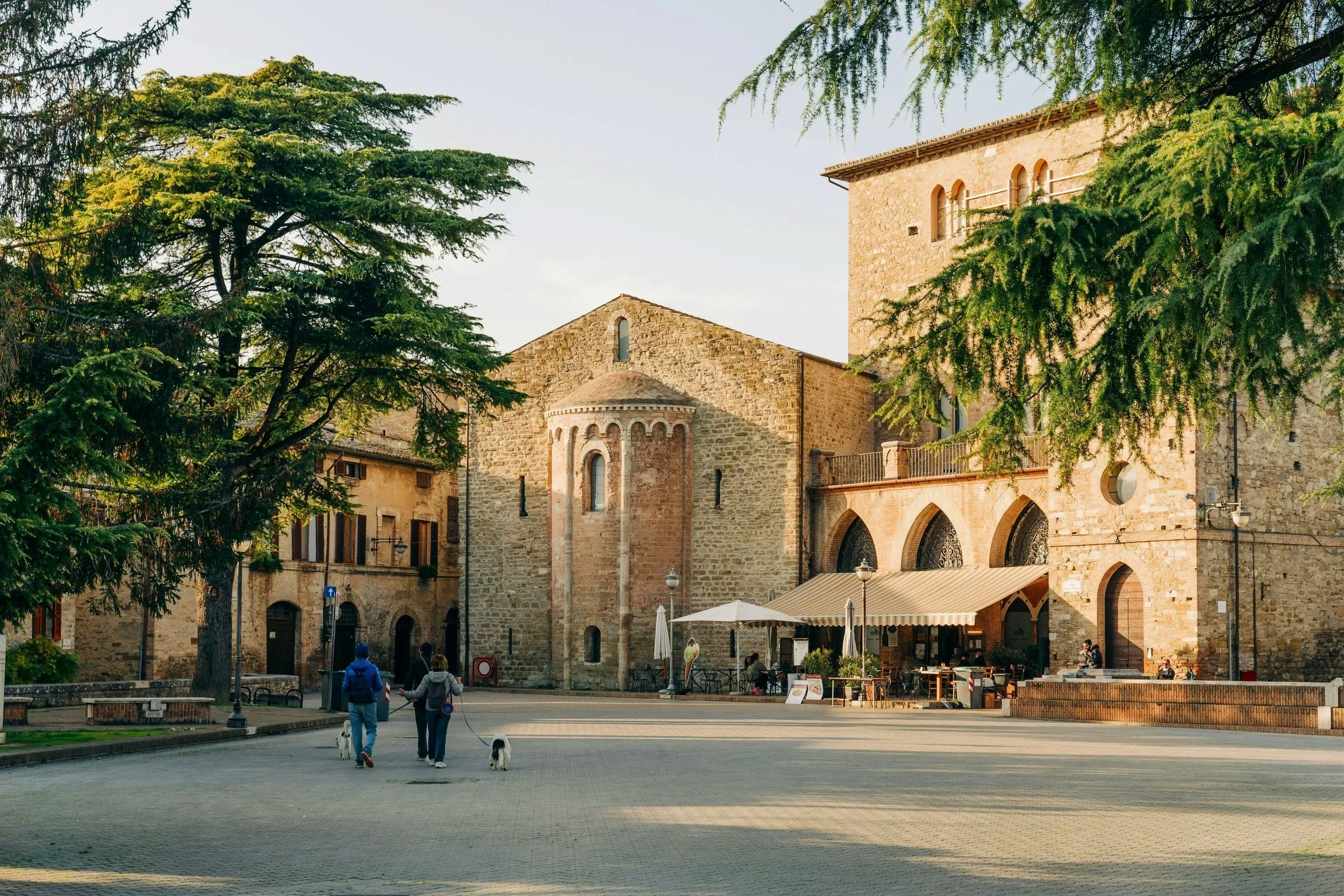
The best season for truffles, wine harvests, colourful landscapes, and food festivals.
WINTER
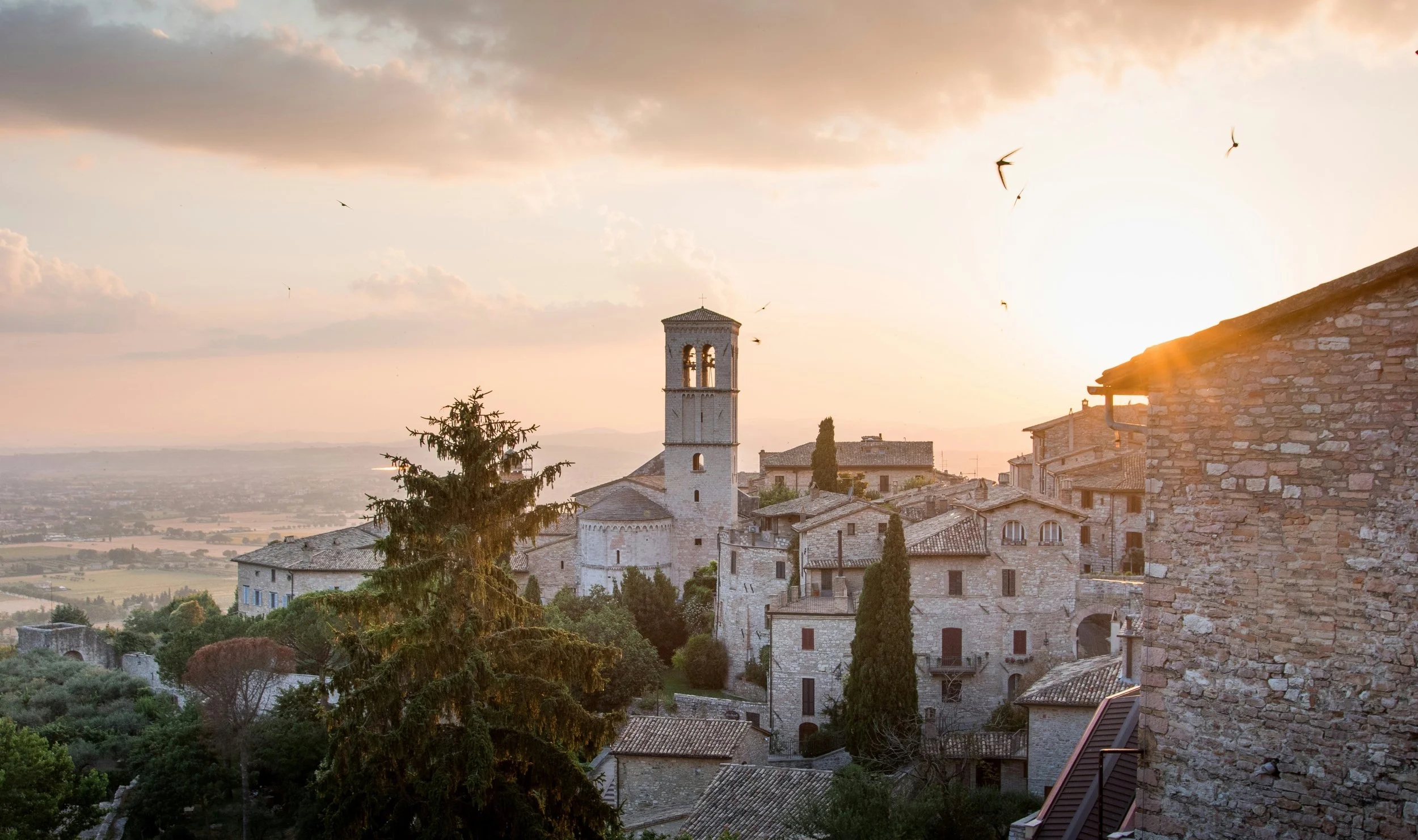
Perfect for Christmas markets, cosy medieval towns, and fewer visitors at major sights.
TOP 10 HIDDEN GEMS IN Umbria
Discover ten extraordinary places that showcase Umbria beyond the tourist hotspots, each offering its own unique charm and authentic local atmosphere.
Planning a week here? Follow our 7-day Umbria itinerary for a road trip through hill towns, Lake Trasimeno and Marmore Falls.
10. Gubbio
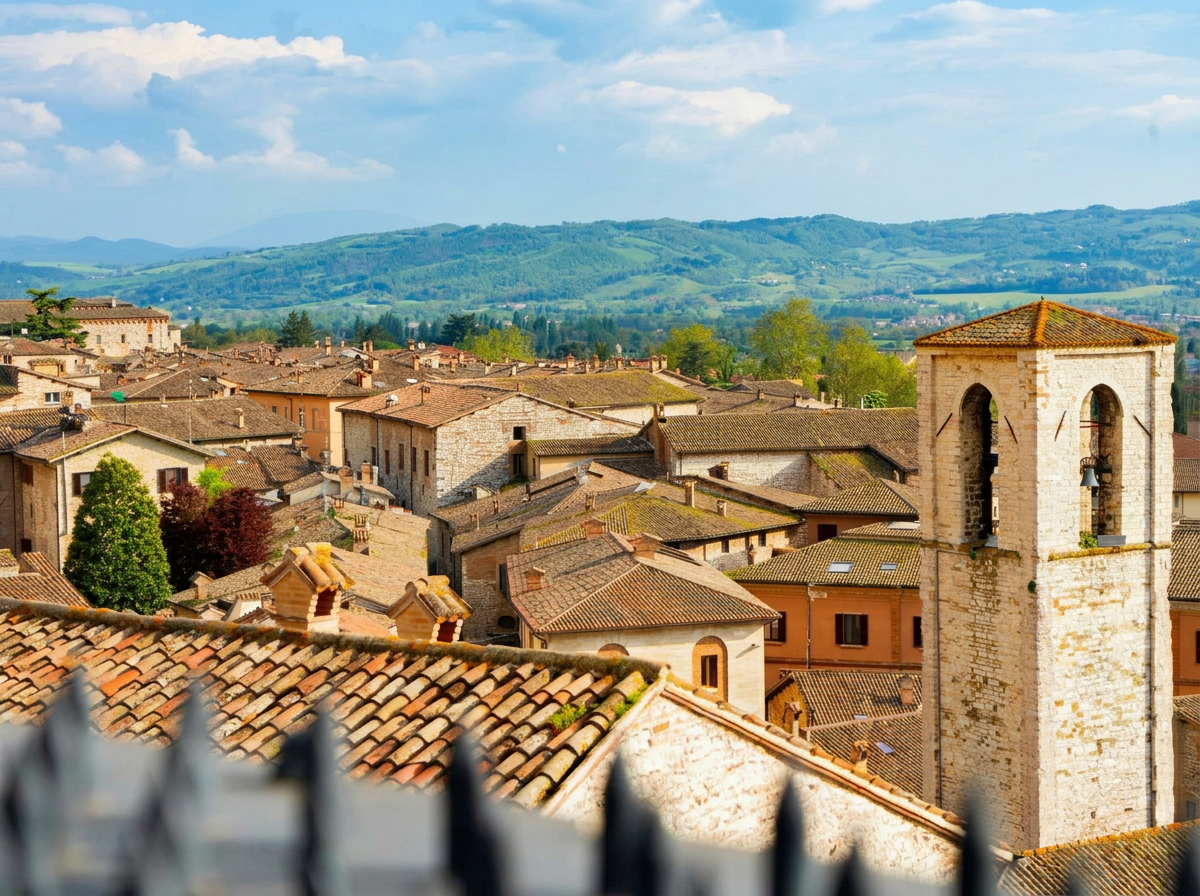
One of Umbria's most spectacular medieval towns, Gubbio is a place where history feels wonderfully alive. Built into the slopes of Mount Ingino, its imposing stone buildings, narrow cobbled streets, and grand piazzas have remained largely unchanged for centuries. For the best views, take the unique open-air cable car to the Basilica of Sant'Ubaldo, where breathtaking panoramas stretch across the rolling Umbrian countryside. Whether you're wandering its historic centre or simply soaking up the timeless atmosphere, Gubbio is one of Italy's most unforgettable hill towns.
9. Spello
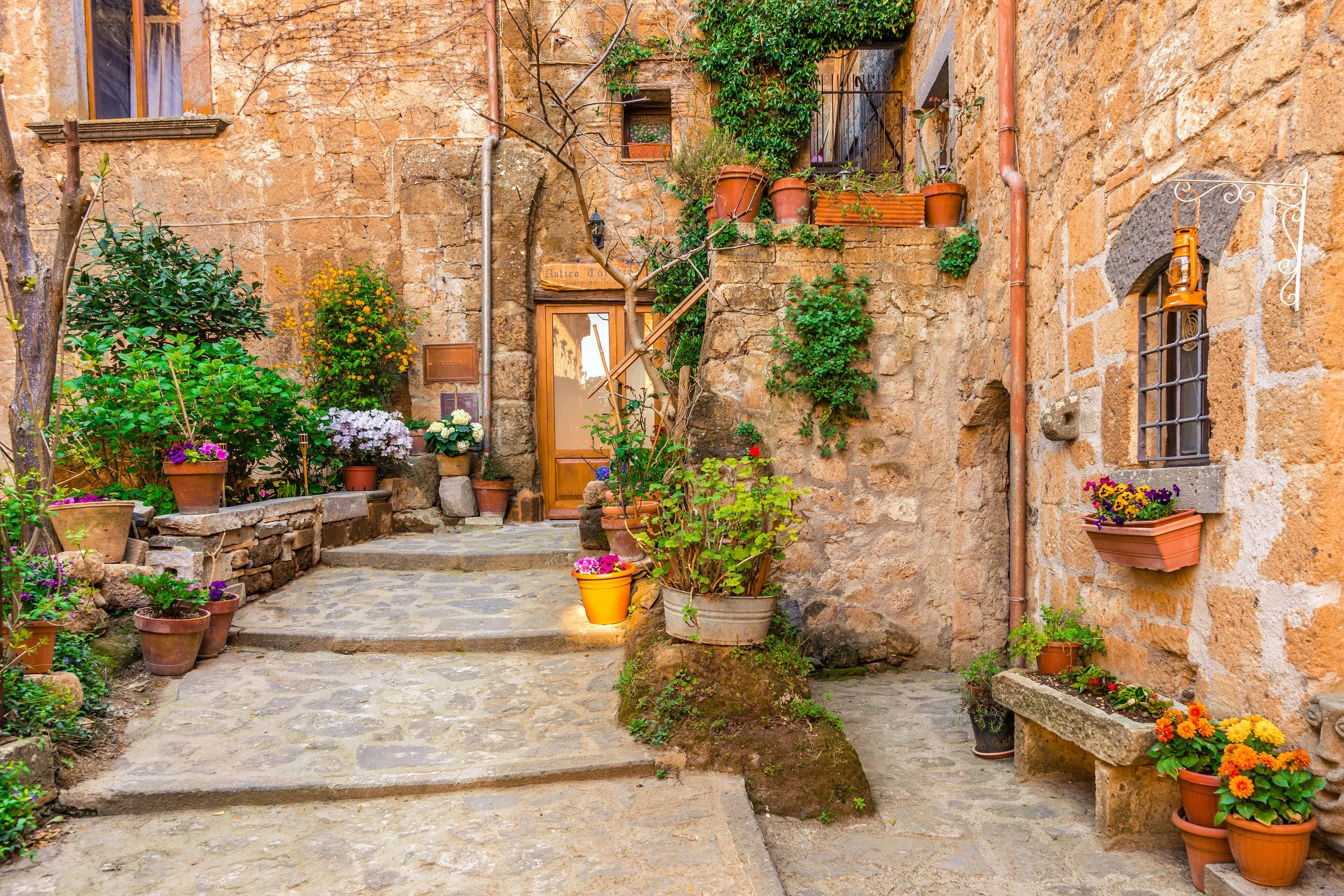
Spello is one of Umbria’s most enchanting medieval towns, known for its beautifully preserved stone streets, colourful flowers, and historic architecture. Wander through narrow lanes and ancient Roman gates, discover peaceful piazzas, and admire panoramic views across the Umbrian countryside. With its charming atmosphere, artistic heritage, and timeless character, Spello is one of the region’s most beautiful historic gems.
8. Montefalco
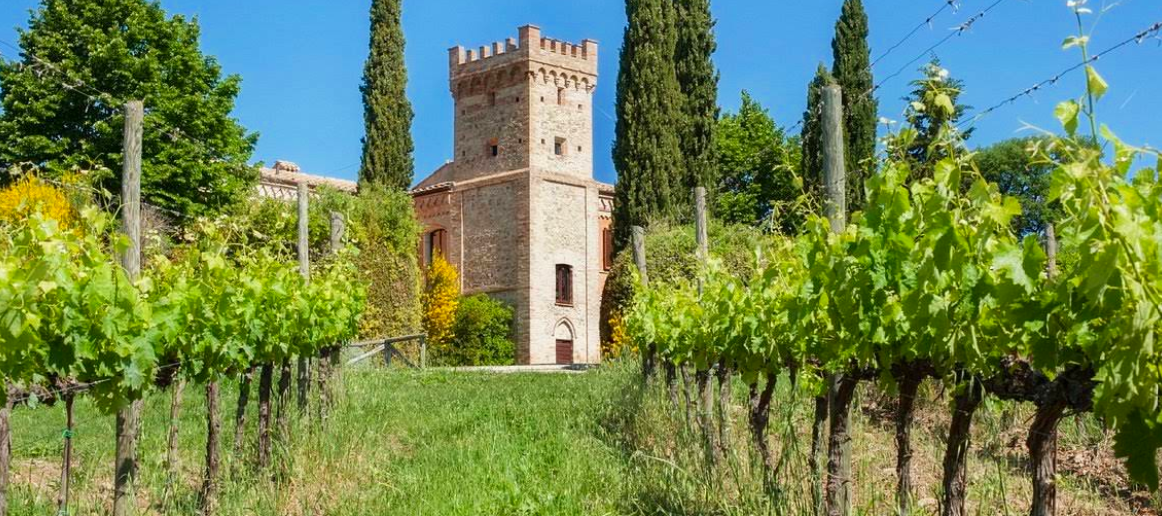
Known as the "Balcony of Umbria," Montefalco offers some of the region's most spectacular panoramic views. Surrounded by rolling vineyards and olive groves, this elegant hill town is famous for its world-renowned Sagrantino wine, medieval streets, and relaxed atmosphere. Stroll through its charming piazzas, enjoy a glass of local wine at a family-run enoteca, and soak in the peaceful rhythm of one of Umbria's most authentic destinations.
7. Marmore Falls
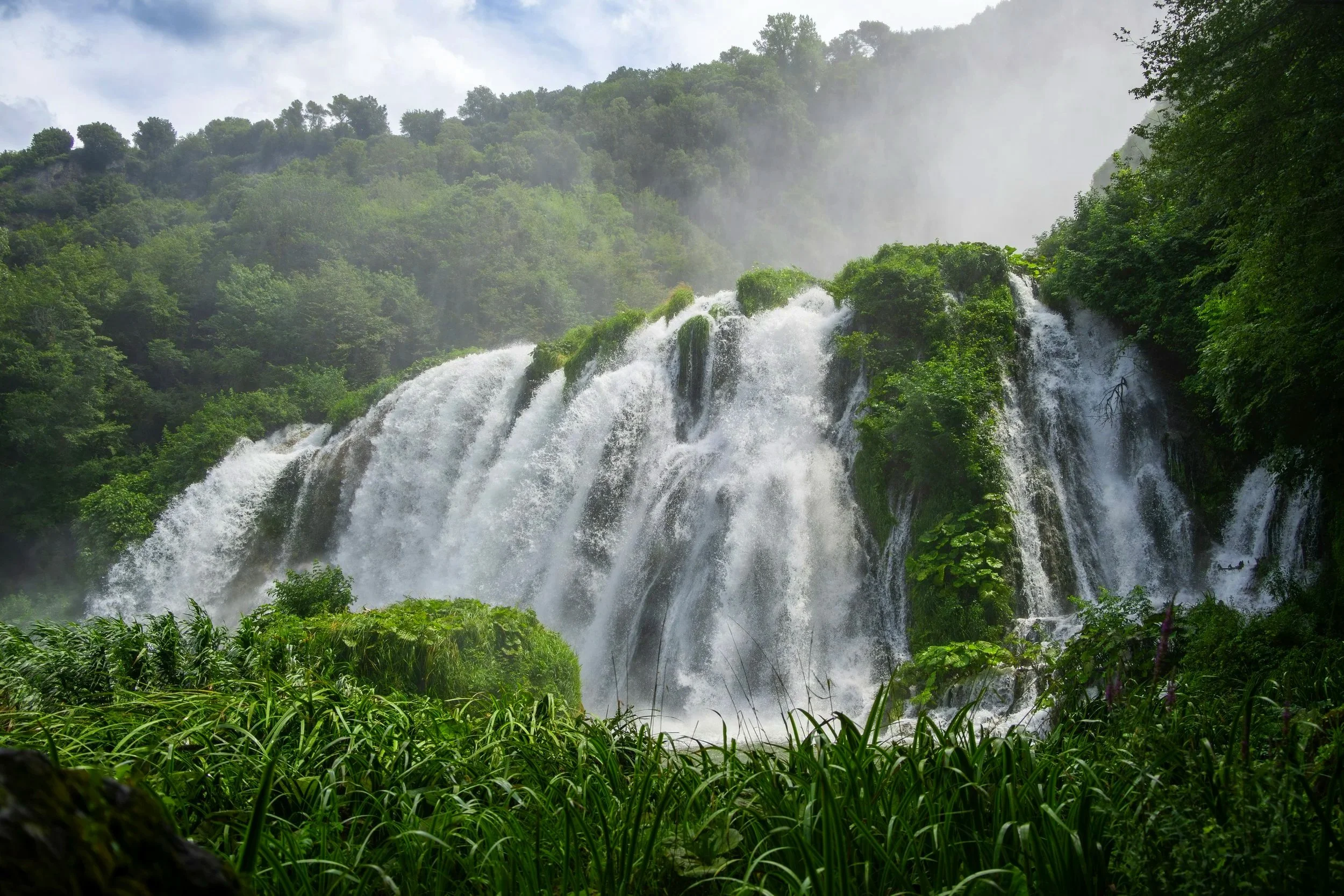
One of Europe's tallest waterfalls, Marmore Falls is one of Umbria's most spectacular natural wonders. Cascading down more than 160 metres through lush forests, the falls offer breathtaking viewpoints, scenic hiking trails, and refreshing mist on warm summer days. Whether you're admiring the powerful cascades from above or following the paths to the base, Marmore Falls is an unforgettable experience for nature lovers visiting Umbria.
6. Rasiglia
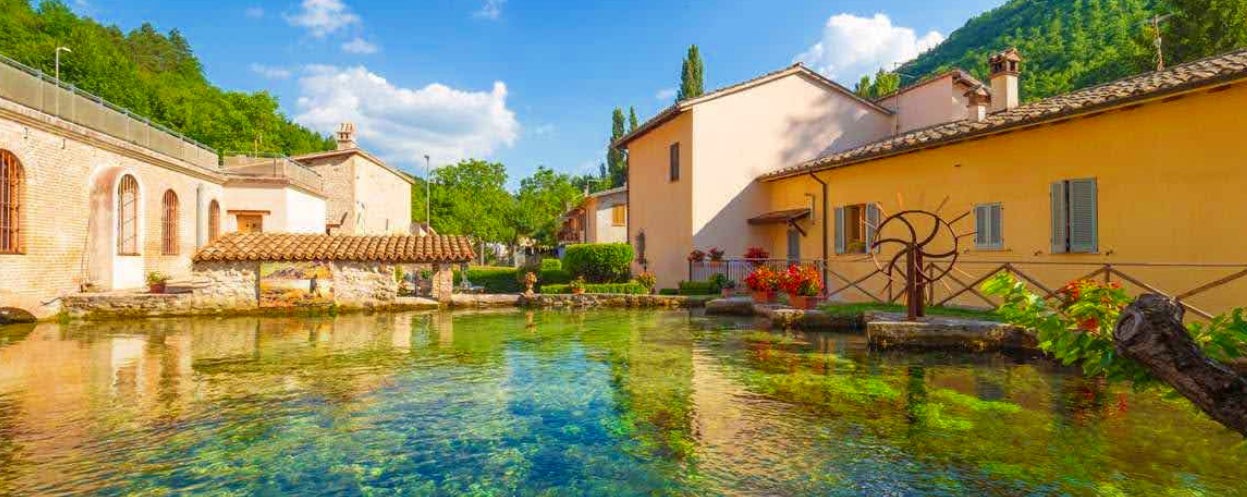
Often called the "Little Venice of Umbria," Rasiglia is a tiny village where crystal-clear streams flow through peaceful stone streets and beneath charming little bridges. Once home to watermills that powered local workshops, the village is now a tranquil escape where the gentle sound of running water creates a truly magical atmosphere. Wander through its picturesque lanes and discover one of Umbria's most enchanting hidden gems.
5. Narni
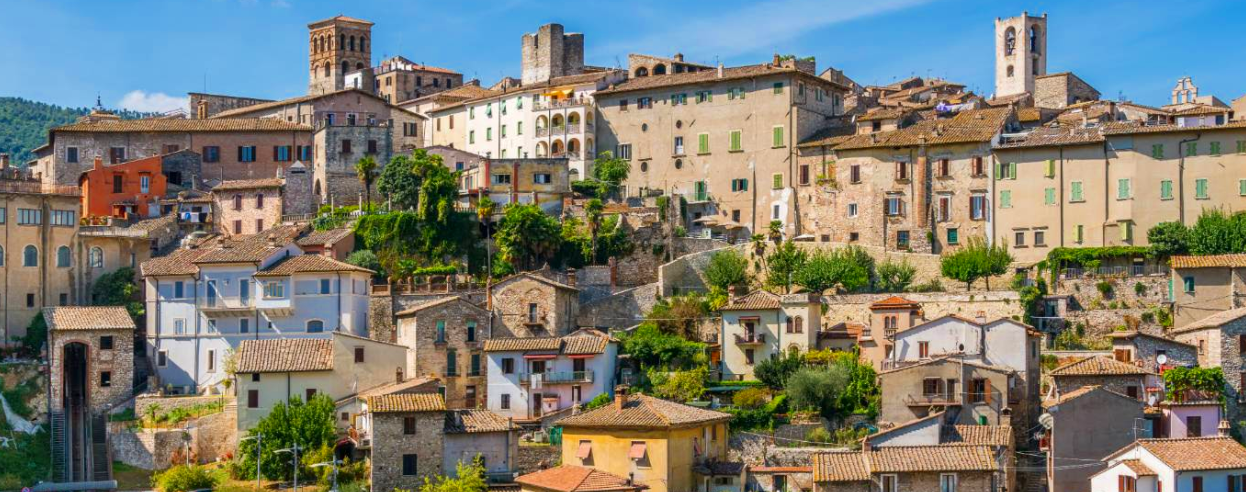
Perched high above the Nera Valley, Narni is a fascinating medieval town filled with ancient churches, impressive fortifications, and hidden underground passages. Believed to have inspired the name of C.S. Lewis's fictional world of Narnia, the town offers a unique blend of history, legend, and authentic Umbrian charm. Explore its atmospheric streets, enjoy sweeping valley views, and discover one of Umbria's most underrated historic gems.
4. Castelluccio di Norcia
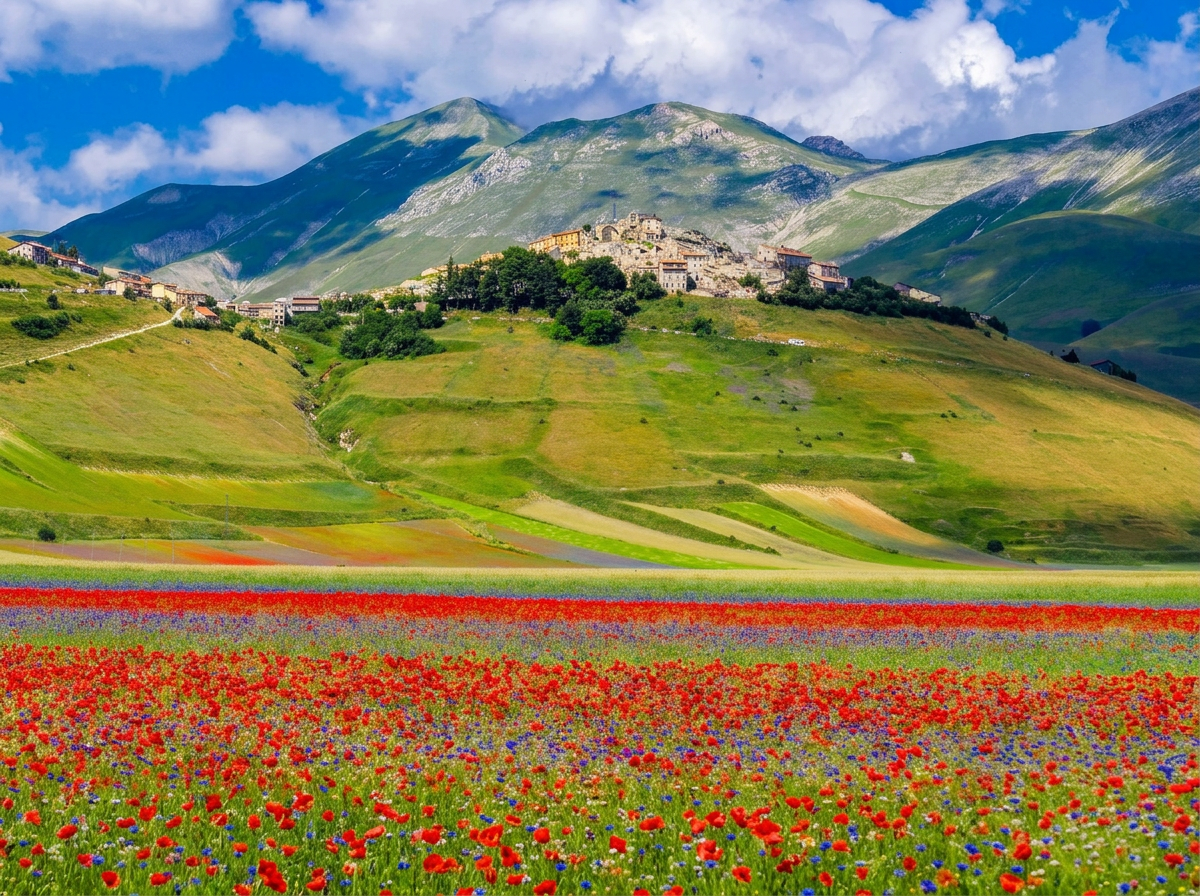
Perched above the vast Piano Grande, Castelluccio di Norcia is one of Italy's most breathtaking mountain villages. Famous for the spectacular wildflower bloom that transforms the plains into a colourful patchwork each summer, it offers some of the most unforgettable scenery in the Apennines. Whether hiking, photographing the flowering fields, or simply enjoying the peaceful atmosphere, Castelluccio is a true natural wonder of Umbria.
3. Assisi
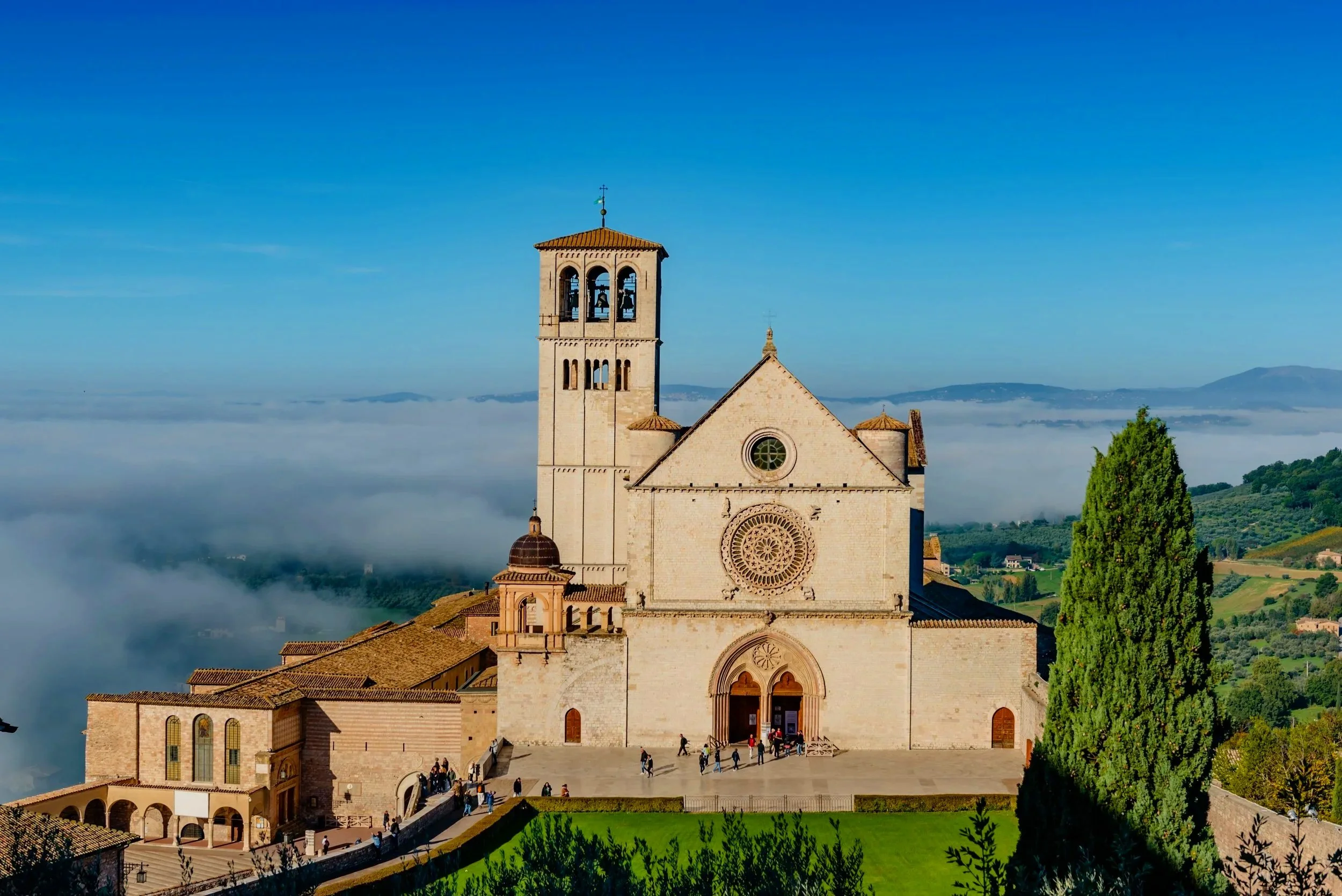
One of Italy's most iconic hill towns, Assisi is renowned for its beautifully preserved medieval streets, stunning stone architecture, and rich spiritual heritage. Best known as the birthplace of Saint Francis, the town is home to magnificent churches, peaceful piazzas, and breathtaking views over the Umbrian countryside. Whether you're drawn by its history, architecture, or timeless atmosphere, Assisi is an unforgettable destination at the heart of Umbria.
2. Castiglione del Lago
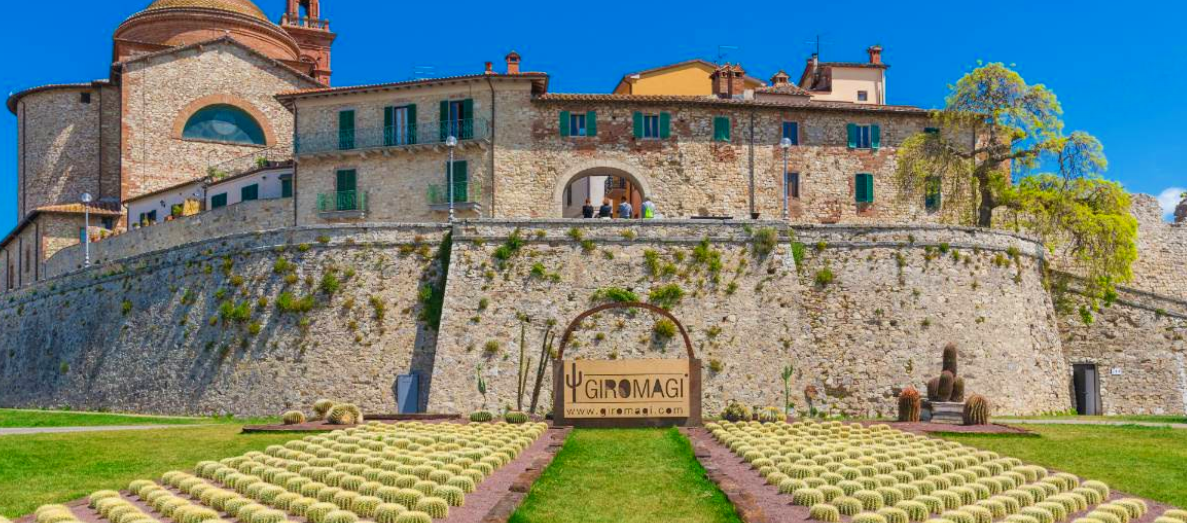
Overlooking the tranquil waters of Lake Trasimeno, Castiglione del Lago is one of Umbria's most beautiful lakeside towns. Surrounded by impressive medieval walls, its historic centre is filled with charming streets, elegant piazzas, and a magnificent fortress offering panoramic views across the lake. Stroll along the ancient ramparts, enjoy a lakeside aperitivo, and experience the relaxed atmosphere that makes Castiglione del Lago one of Umbria's most unforgettable destinations.
1. Bevagna
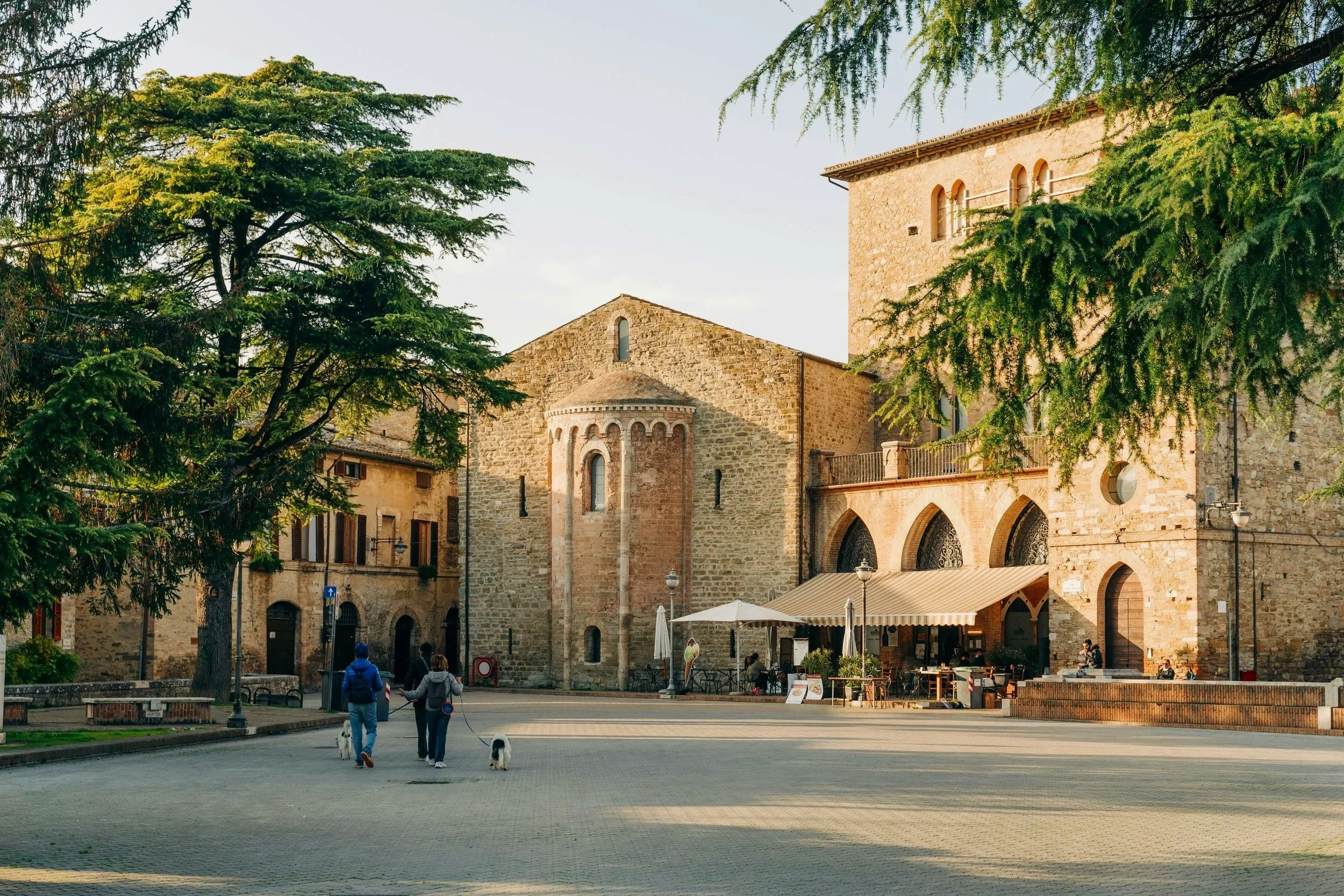
Stepping into Bevagna feels like discovering a quieter side of Umbria. Unlike many of the region's hilltop towns, its historic centre lies on the valley floor and is filled with beautifully preserved medieval buildings, charming piazzas, and atmospheric stone streets. Wander around Piazza Silvestri, browse traditional artisan workshops, and enjoy the relaxed local atmosphere that makes Bevagna one of Umbria's most authentic hidden gems.
Plan your Umbria trip
Turn your favourite hidden gems into a week of exploring Umbria.
7-day Umbria itinerary
Follow a road trip through Perugia, Lake Trasimeno, Gubbio, Assisi, Spello, Bevagna and Montefalco, continuing to Spoleto, Marmore Falls and Narni. Our day-by-day guide includes approximate driving times, suggested overnight stops and practical tips, with an optional final stop in Todi.
Practical Travel Tips
Everything you need to know before exploring Umbria.
✈️ Best Airport
Perugia Airport is Umbria’s main airport and the most convenient option for exploring the region. For more international connections, Rome Fiumicino and Florence Airport are good alternatives, both around two to three hours away by car.
🛣️ Driving in Umbria
Driving is one of the best ways to experience Umbria. Roads between major towns are generally good, but expect winding country roads, steep hills, and narrow streets when approaching historic villages.
🅿️ Parking
Most historic towns have car parks just outside the old centre. Avoid entering ZTL (Limited Traffic Zone) areas unless your accommodation has arranged access, as cameras automatically monitor restricted zones.
💳 Cash or Card?
Credit and debit cards are widely accepted, but it’s smart to carry some cash for small cafés, local markets, parking machines, and businesses in smaller villages.
Frequently Asked Questions
-
A rental car is highly recommended. Major destinations such as Perugia and Assisi can be reached by public transport, but having a car gives you the freedom to discover smaller hill towns, remote villages, wineries, and countryside hidden gems.
-
Umbria is famous for its medieval hill towns, rolling green landscapes, truffles, olive oil, wine, and traditional cuisine. It is also home to Assisi, the birthplace of Saint Francis, and countless smaller villages that make it one of Italy's most rewarding regions to explore.
-
The best months to visit Umbria are May, June, September, and October. These months offer pleasant temperatures, beautiful landscapes, and fewer crowds. Spring is especially green, while autumn is perfect for food, wine, and countryside experiences.
-
For a central base, Perugia or Assisi are excellent choices with easy access to many of Umbria’s highlights. For a quieter experience, consider staying in smaller towns such as Spello, Bevagna, or Montefalco, or choose a countryside agriturismo surrounded by vineyards and olive groves.
-
Absolutely. Umbria offers a beautiful mix of medieval hill towns, rolling countryside, vineyards, historic cities, and spectacular nature. Often called the Green Heart of Italy, it is perfect for travellers looking for authentic Italian experiences away from the busiest tourist regions.
-
Yes. Umbria is generally a very safe destination for travellers. Its towns and villages have a relaxed atmosphere, and crime rates are relatively low. As anywhere in Italy, it is still wise to keep an eye on your belongings in busy tourist areas.
-
A week is enough to experience several of Umbria’s highlights, combining famous destinations such as Assisi with smaller villages, beautiful countryside, and natural attractions. However, 12 to 14 days is ideal for a more relaxed and authentic experience, giving you time to explore hidden villages, enjoy local food and wineries, and truly experience the slower pace of life that makes Umbria so special.
-
Compared with destinations such as Tuscany and the Amalfi Coast, Umbria generally offers excellent value for money. Accommodation, restaurants, and local experiences can be surprisingly affordable, particularly when staying outside the most popular destinations.