Tuscany
Discover Tuscany through its hidden hilltop villages, rolling countryside, authentic cuisine, and timeless towns beyond the tourist trail.
Why visit Tuscany?
Beyond Florence & the Famous Sights
Tuscany is one of Italy’s most iconic regions, combining Renaissance cities, medieval villages, rolling countryside, and celebrated cuisine. While Florence, Pisa, and Siena attract visitors worldwide, venture beyond the famous sights and a quieter, more authentic side of Tuscany quickly emerges.
Medieval Villages & Renaissance Heritage
Centuries of history have shaped Tuscany’s remarkable towns and villages. Wander through beautifully preserved hilltop communities, discover Renaissance architecture and ancient fortresses, or explore atmospheric streets where historic piazzas, stone houses, and traditional craftsmanship reveal the region’s extraordinary cultural heritage.
Authentic Flavours & Local Traditions
Tuscan cuisine celebrates simplicity, seasonal ingredients, and traditions passed down through generations. Taste handmade pasta, pecorino cheese, rustic soups, local olive oil, and regional specialties accompanied by renowned wines, while traditional markets and family-run trattorias keep the region’s culinary heritage alive.
Rolling Hills & Wild Landscapes
Beyond its historic towns, Tuscany offers some of Italy’s most recognizable landscapes. Explore the rolling hills of the Val d’Orcia, vineyards and olive groves, peaceful nature reserves, forested mountains, or travel towards the coast for wild beaches and beautiful Mediterranean scenery.
Discover Tuscany Beyond the Crowds
From famous Renaissance cities and picturesque countryside to forgotten villages and peaceful coastal escapes, Tuscany rewards travellers who explore beyond its iconic destinations. Leave the busiest routes behind and you’ll discover authentic experiences, spectacular landscapes, and hidden corners throughout this timeless Italian region.
Best time to visit
Spring
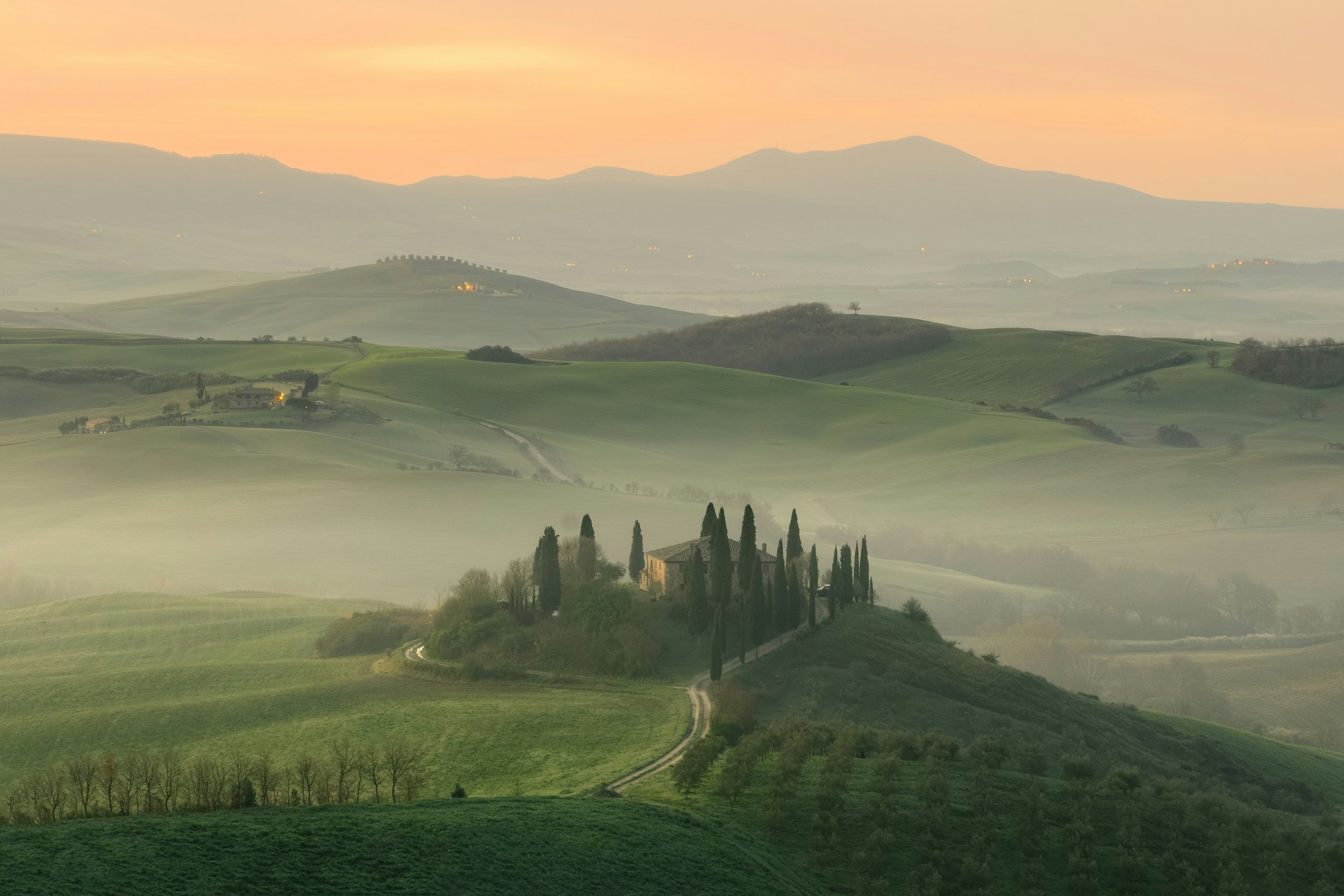
Ideal for exploring hilltop towns, rolling countryside, hiking, sightseeing, and discovering Tuscany’s famous landscapes in mild weather with fewer crowds.
SUMMER
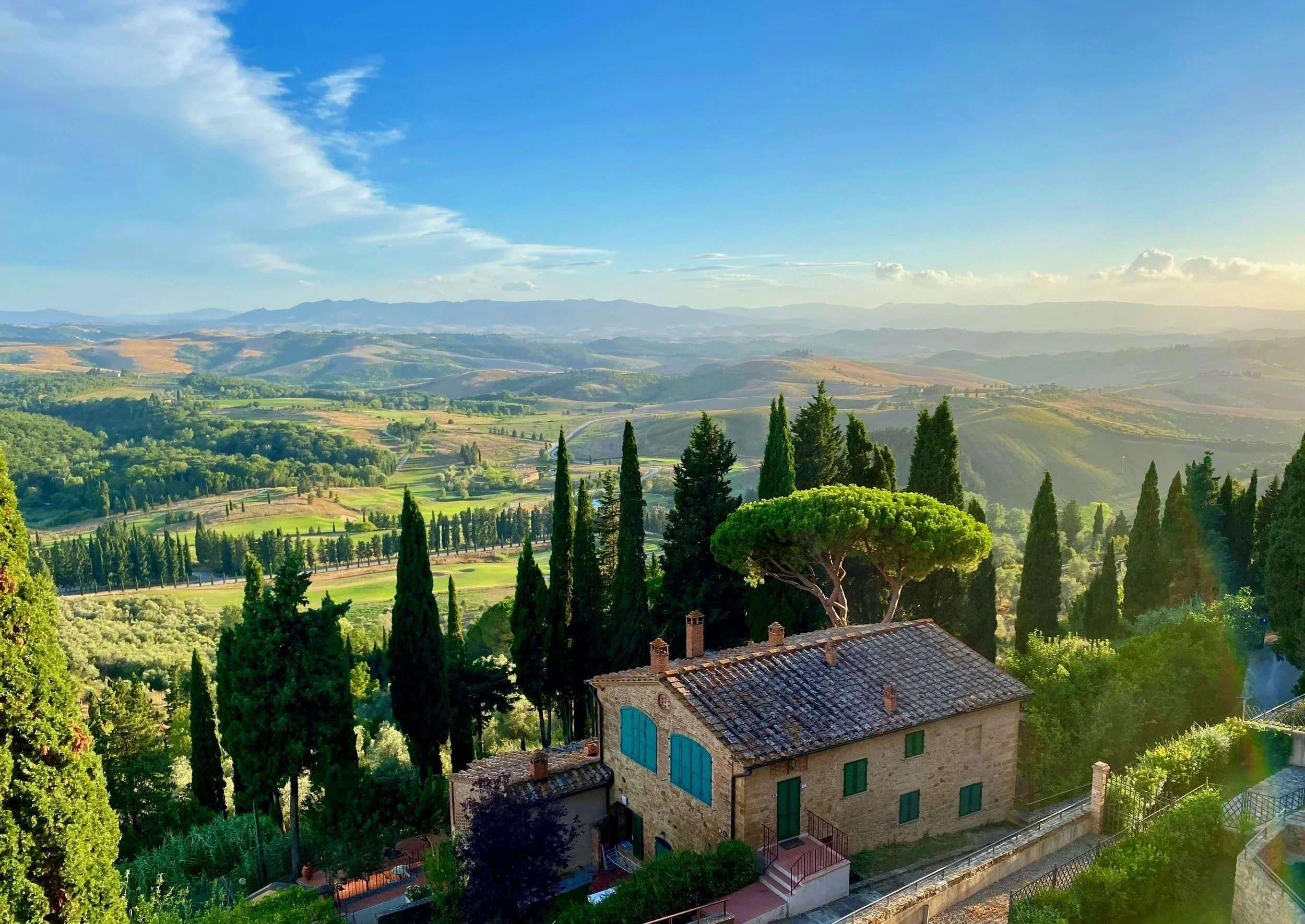
Perfect for countryside escapes, beach days, outdoor dining, and lively Tuscan evenings, but also the hottest and busiest season.
AUTUMN
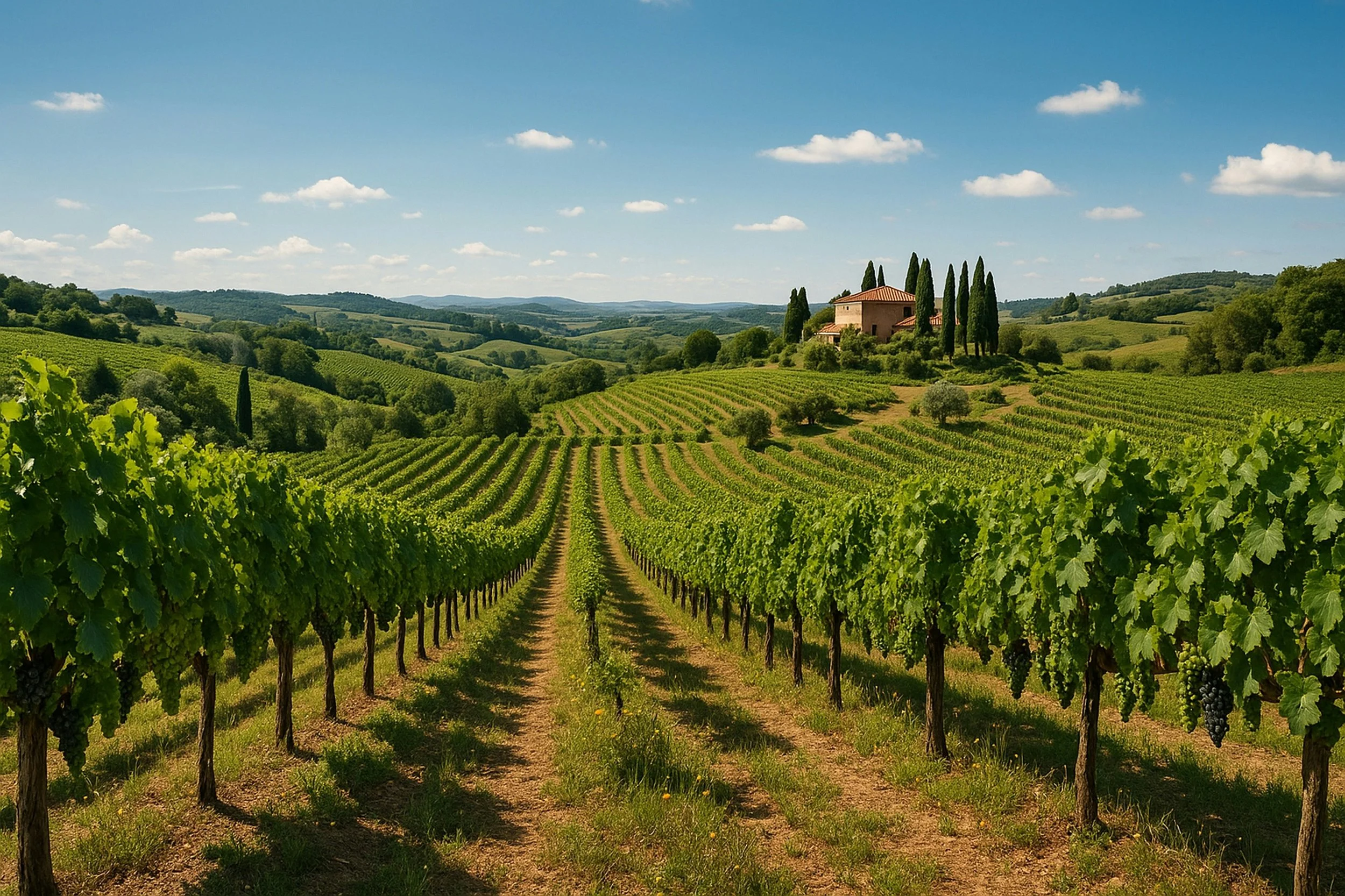
Beautiful countryside colours, grape and olive harvests, fewer tourists, and pleasant temperatures make autumn perfect for exploring Tuscany by car.
WINTER
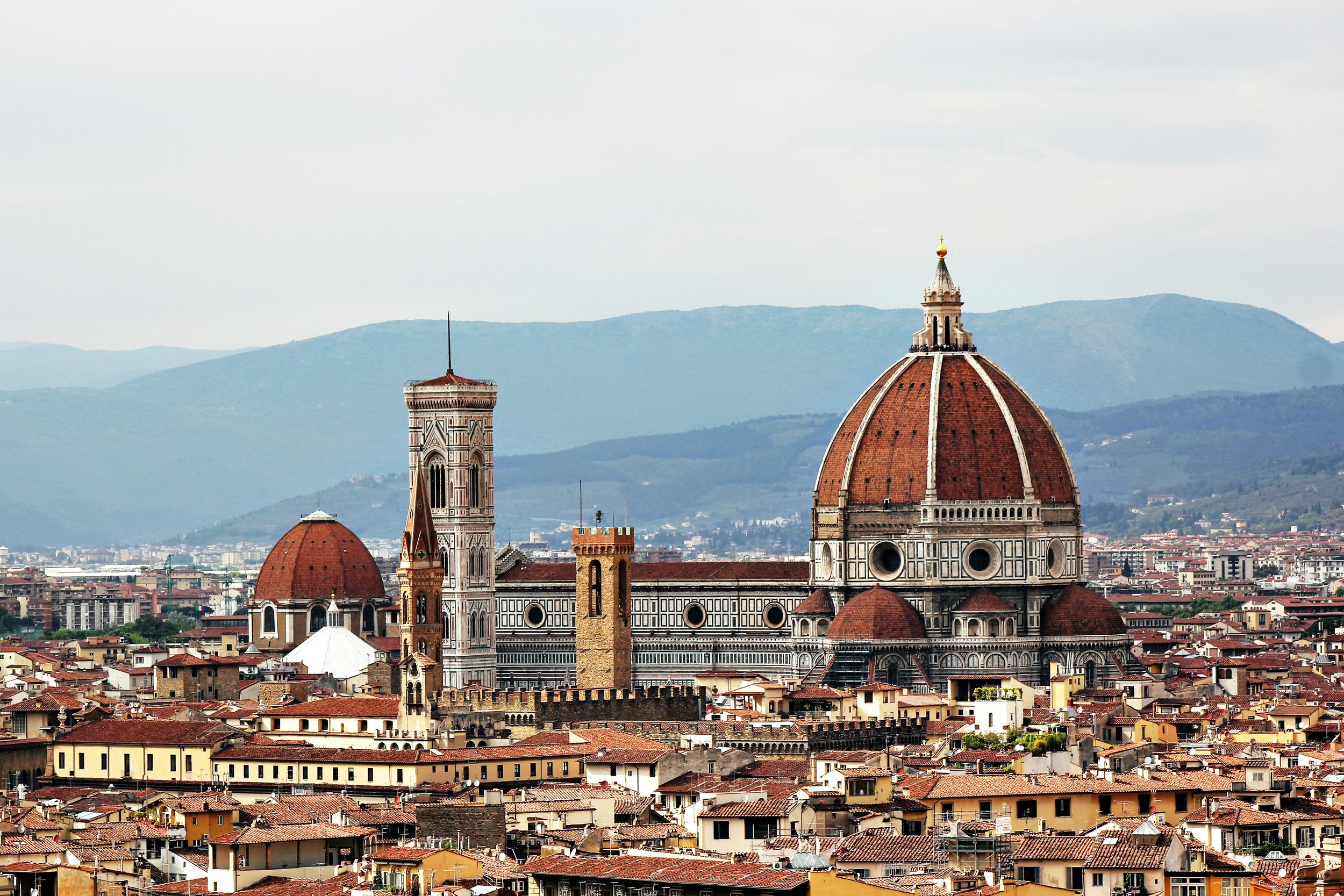
Best for discovering historic cities, authentic local cuisine, peaceful villages, and Tuscany’s cultural treasures without the usual tourist crowds.
TOP 10 HIDDEN GEMS IN TUSCANY
Discover ten extraordinary places that showcase Tuscany beyond the tourist hotspots, each offering its own unique charm and authentic local atmosphere.
10. Isola Santa
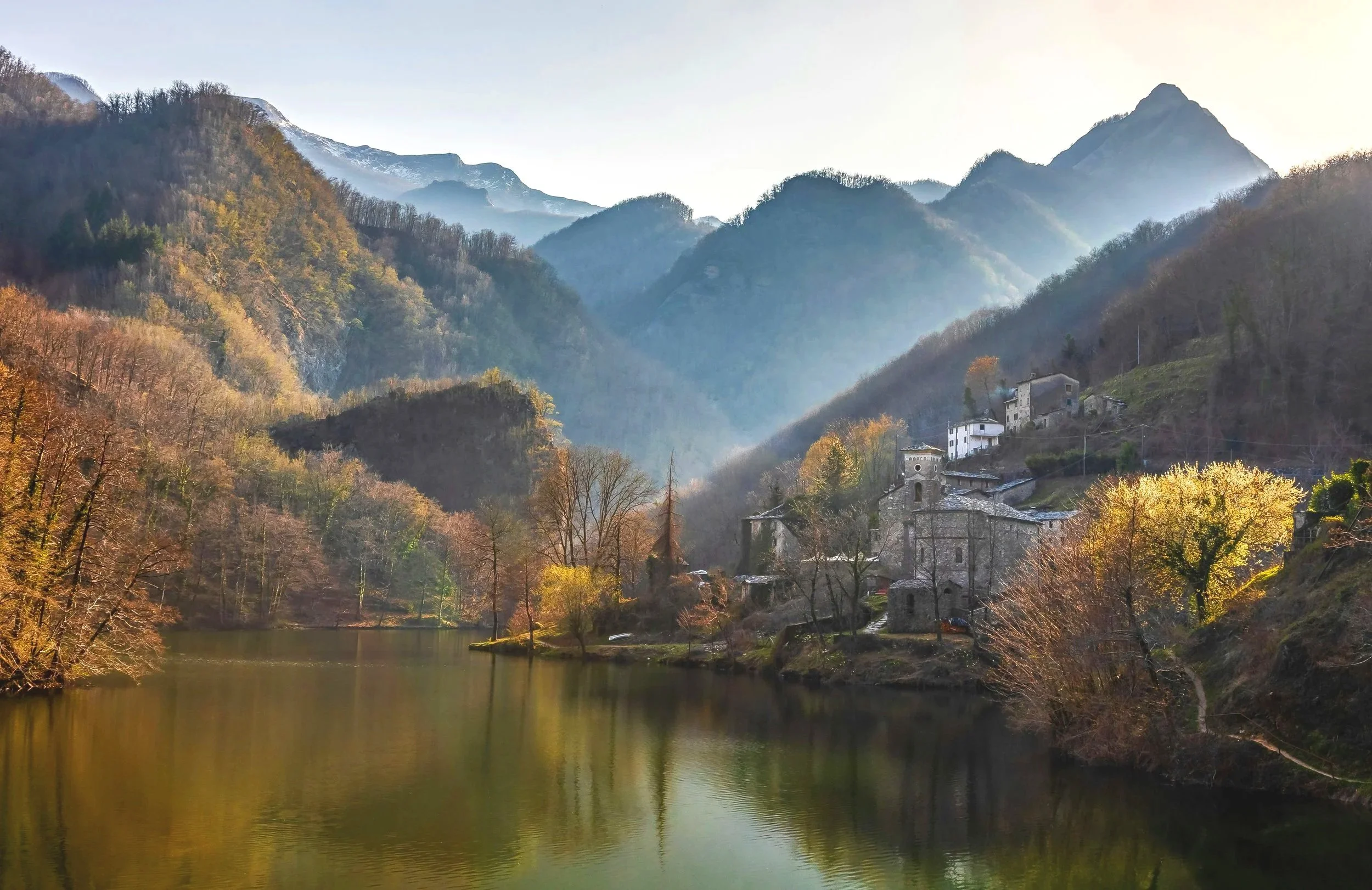
Hidden among the dramatic peaks of the Apuan Alps, Isola Santa is one of Tuscany’s most enchanting mountain villages. Wander past its traditional stone houses, follow peaceful paths along the water, and admire the emerald-green lake surrounded by forested mountains. Once an important stopping point for travellers crossing the Alps, the tiny village now offers a tranquil escape far from Tuscany’s busier destinations. With its secluded setting, beautiful reflections, and spectacular mountain scenery, Isola Santa reveals a completely different side of Tuscany.
9. Sovana
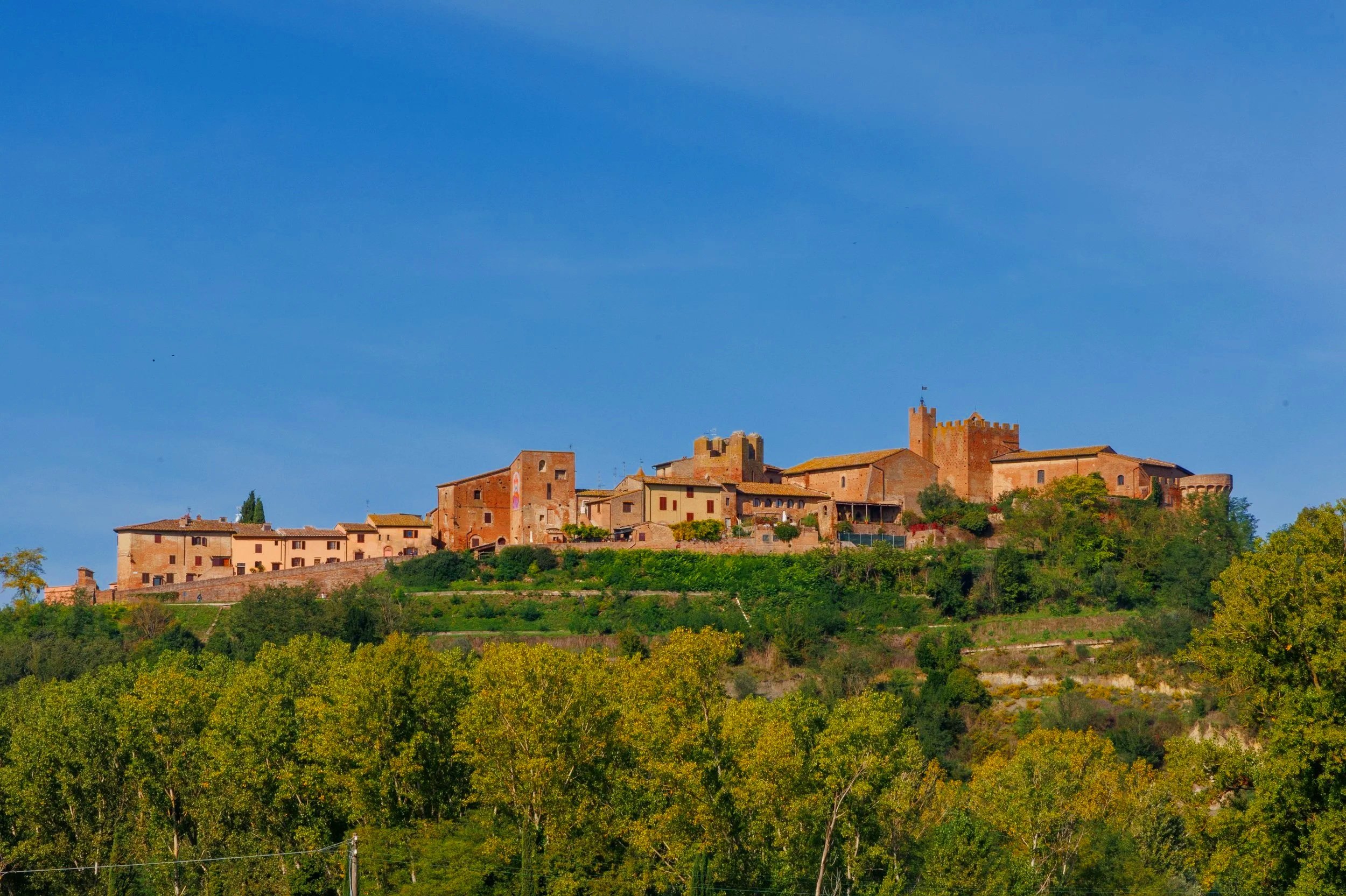
Sovana feels like a journey into Tuscany’s ancient past, with quiet stone streets, medieval architecture, and fascinating Etruscan heritage. Wander through its historic centre, admire Piazza del Pretorio and the Romanesque cathedral, then discover ancient tombs and mysterious vie cave carved into the rock. Small, peaceful, and rich in history, Sovana reveals a lesser-known side of southern Tuscany.
8. Massa Marittima
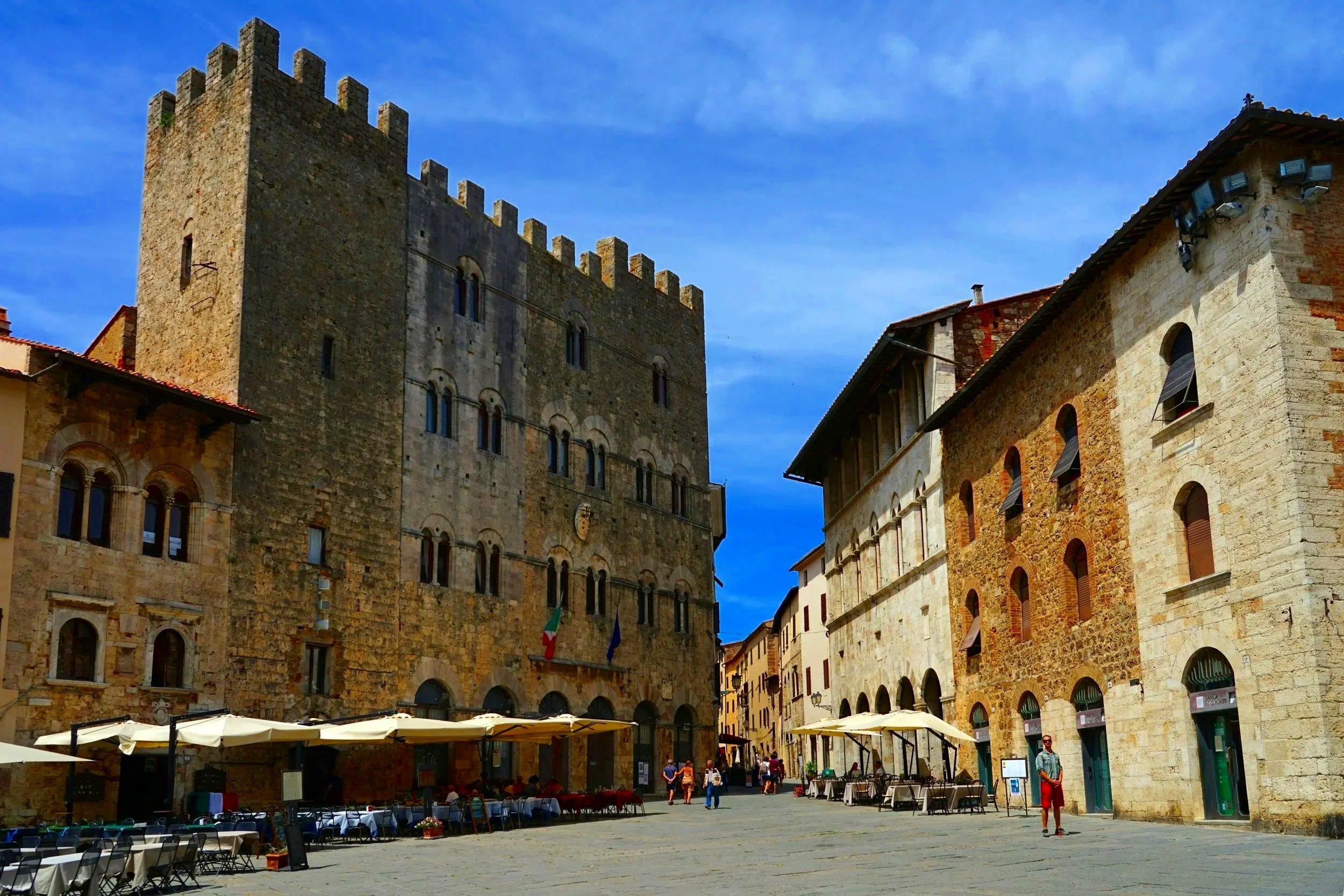
Massa Marittima rises above the rolling hills of the Maremma, offering one of Tuscany’s most impressive medieval settings. Wander through its atmospheric historic centre, admire the magnificent Cathedral of San Cerbone overlooking Piazza Garibaldi, and explore narrow streets leading towards ancient city walls. Once an important mining town, Massa Marittima is rich in history and beautifully preserved architecture. With its grand piazza and authentic atmosphere, it remains one of southern Tuscany’s most overlooked treasures.
7. Suvereto
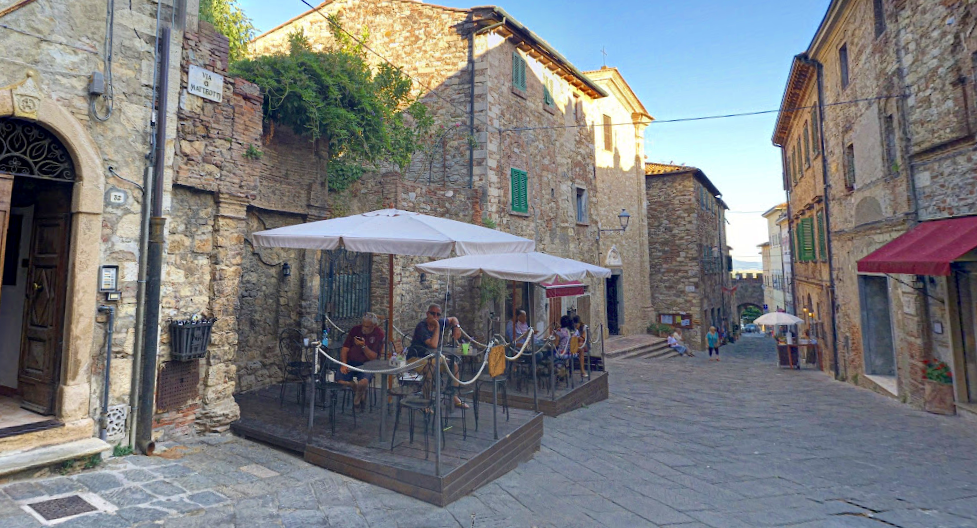
Surrounded by vineyards, olive groves, and the rolling hills of the Tuscan countryside, Suvereto is a beautifully preserved medieval village with an authentic local atmosphere. Wander through its narrow stone streets, discover historic churches and hidden courtyards, and explore the ancient fortress overlooking the town. Known for its excellent wines and traditional cuisine, Suvereto is also a perfect base for discovering the nearby Etruscan Coast. With its peaceful setting and timeless character, it offers a quieter side of Tuscany.
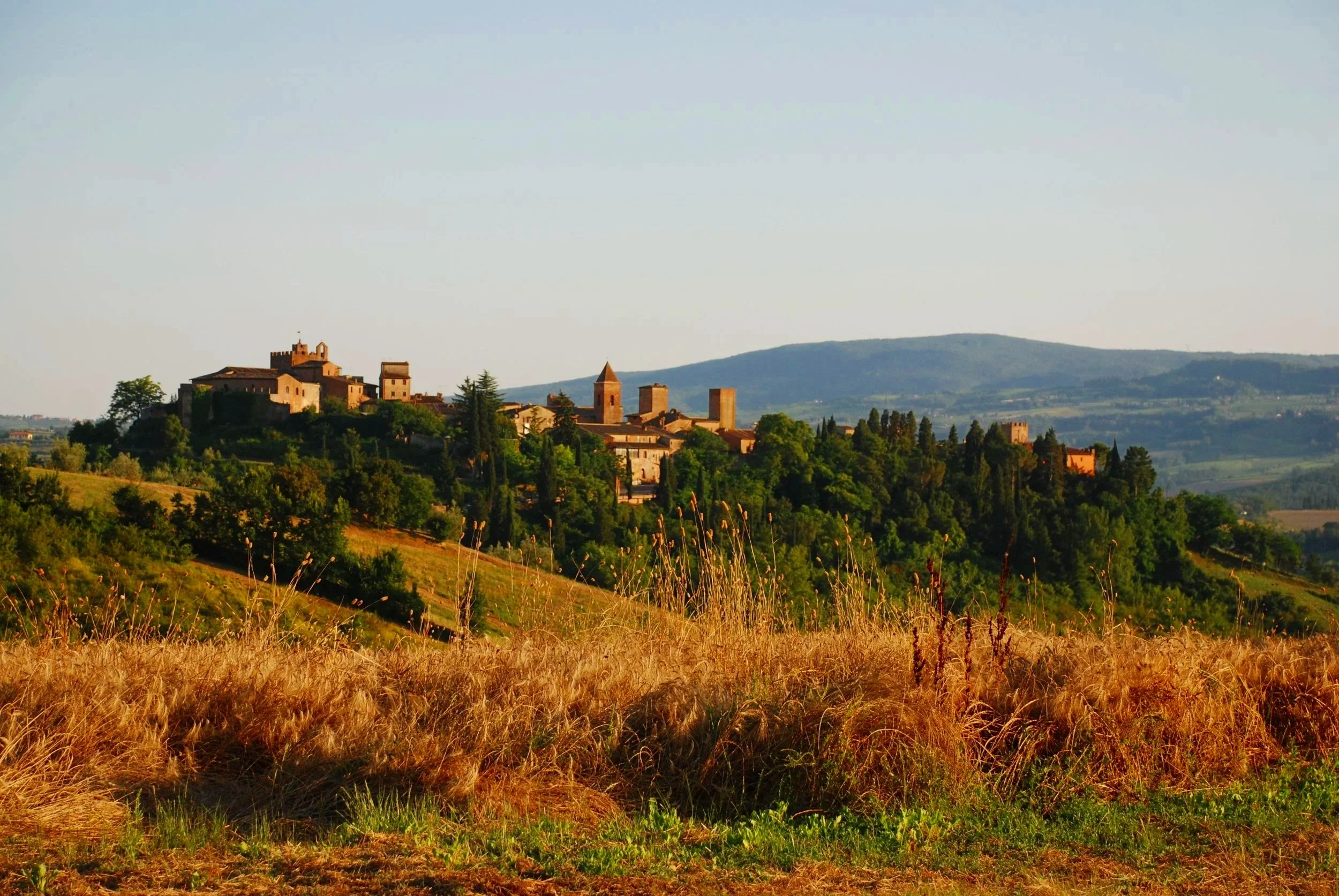
6. Poppi
Dominated by its impressive medieval castle, Poppi is one of Tuscany’s most captivating hilltop towns. Wander through its elegant arcaded streets, discover historic churches and peaceful piazzas, and explore the magnificent Castello dei Conti Guidi overlooking the Casentino Valley. From the castle, enjoy sweeping views across forested hills and the surrounding Apennine landscape. With its rich history, beautiful architecture, and location away from Tuscany’s busiest routes, Poppi offers an authentic glimpse into the region’s lesser-known side.
5. Cetona
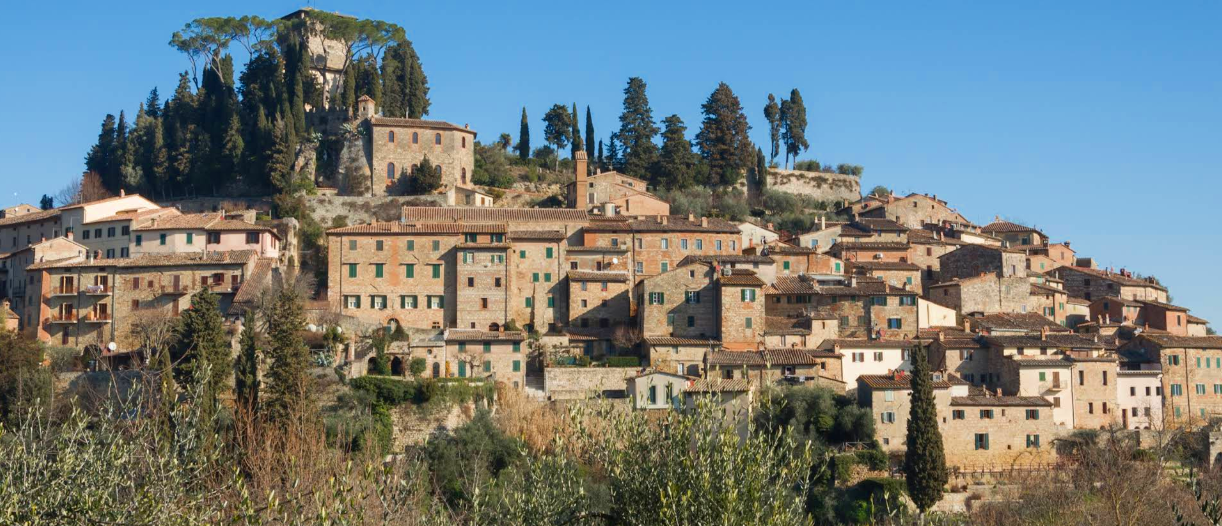
Set among the rolling hills of southern Tuscany, Cetona is a peaceful medieval village with beautifully preserved streets and a timeless atmosphere. Wander through its historic centre, explore narrow stone lanes leading from the elegant Piazza Garibaldi, and climb towards the ancient fortress overlooking the surrounding countryside. Beyond the village, vineyards, olive groves, and wooded hills create a landscape perfect for slow exploration. With its authentic character and location away from Tuscany’s busiest destinations, Cetona is a wonderful hidden gem to discover.
4. Barga
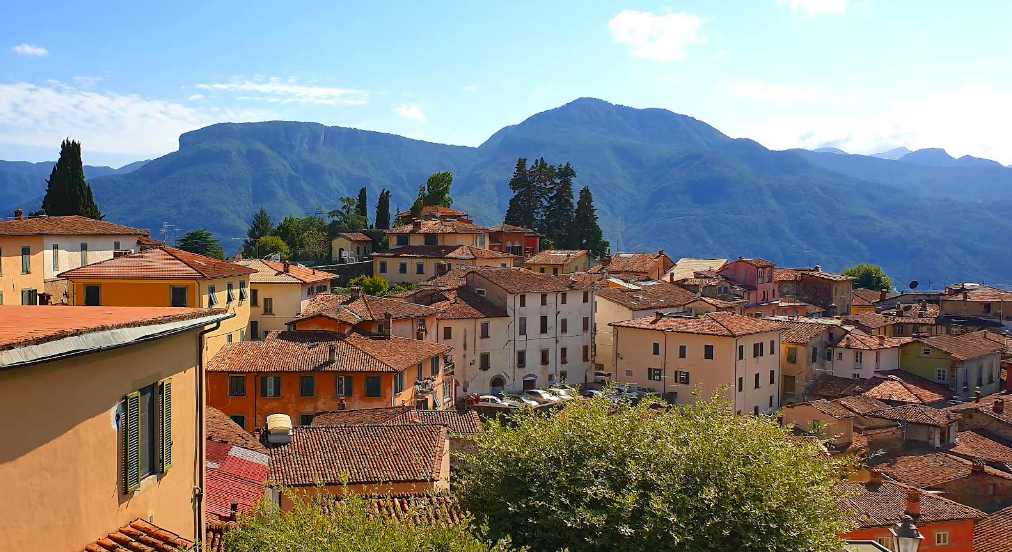
Framed by the mountains of the Serchio Valley, Barga is one of Tuscany’s most charming hilltop towns. Wander through narrow streets, colourful buildings, and hidden piazzas before climbing to the Duomo di San Cristoforo for sweeping mountain views. With its unique history, strong local traditions, and peaceful atmosphere, Barga offers a refreshing escape from Tuscany’s famous tourist routes.
3. Casale Marittimo
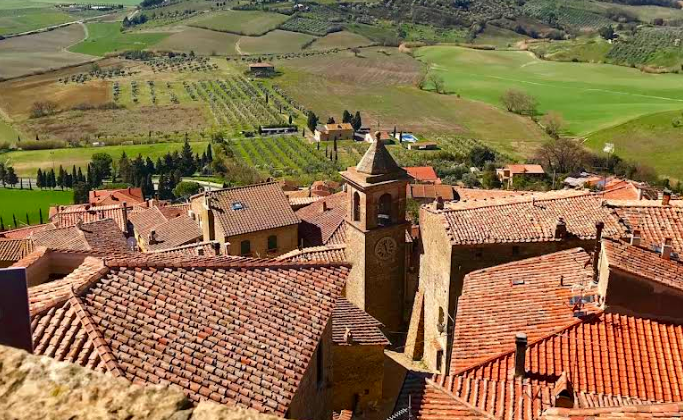
Overlooking the rolling countryside near Tuscany’s Etruscan Coast, Casale Marittimo is a beautifully preserved medieval village with a peaceful local atmosphere. Wander through its narrow stone streets, discover ancient archways and hidden corners, and enjoy panoramic views stretching across olive groves and vineyards towards the Mediterranean Sea. Its small historic centre feels wonderfully untouched by mass tourism, while the coast is only a short drive away. With its hilltop setting and authentic character, Casale Marittimo is one of Tuscany’s most charming hidden gems.
2. Sorano
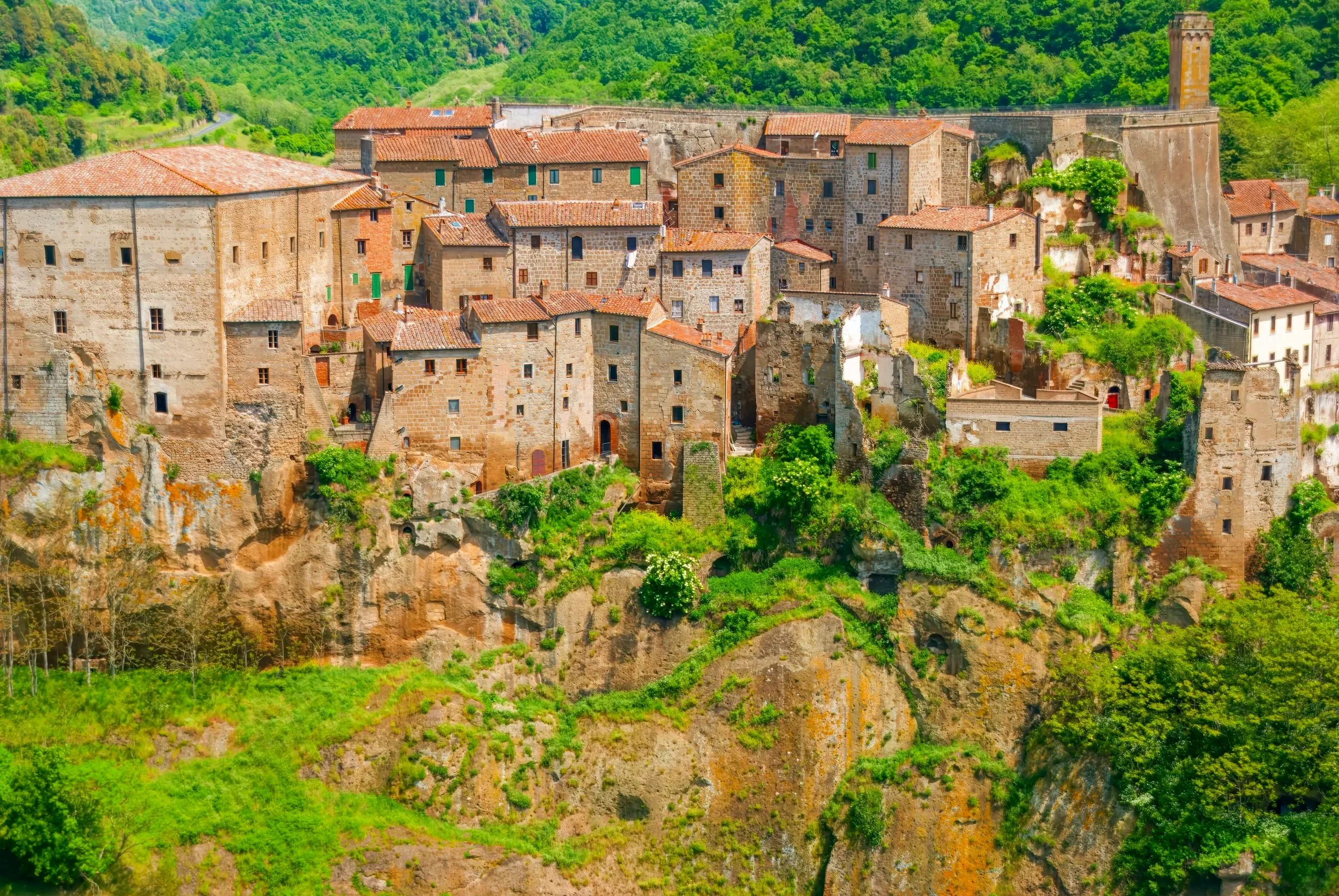
Built dramatically into the volcanic rock of southern Tuscany, Sorano is a striking medieval village filled with narrow alleys, ancient buildings, and hidden passageways. Wander through its atmospheric historic centre, explore the impressive Orsini Fortress, and discover panoramic viewpoints overlooking the surrounding valleys. Nearby, ancient Etruscan vie cave cut deep through the landscape reveal an even older side of the area. With its rugged setting, mysterious history, and timeless atmosphere, Sorano is one of Tuscany’s most fascinating hidden gems.
1. Pitigliano
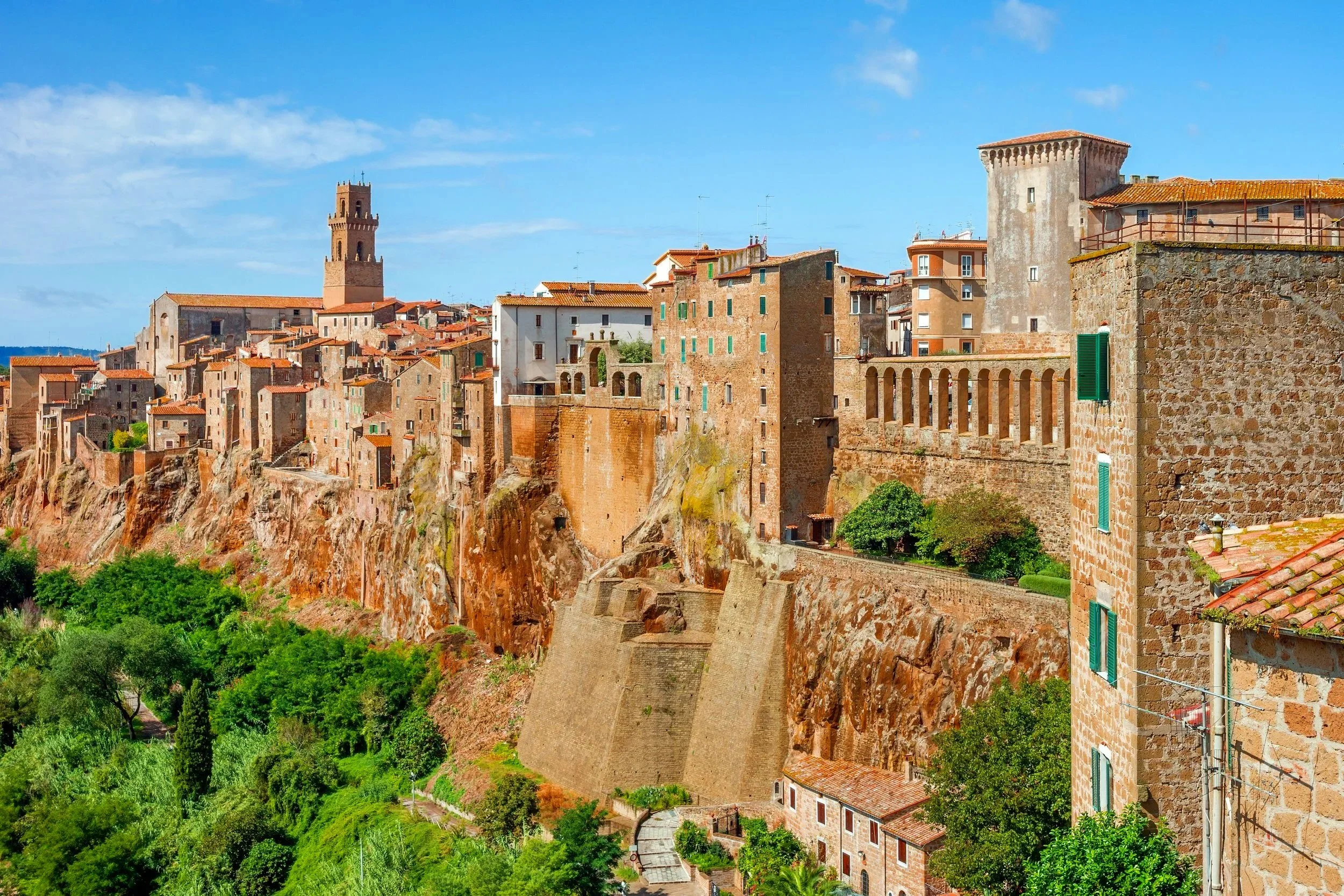
Rising dramatically from a volcanic rock plateau, Pitigliano is one of Tuscany’s most striking historic towns. Wander through its maze of narrow stone streets, discover hidden courtyards and panoramic viewpoints, and explore the fascinating Jewish Quarter that earned the town its nickname “Little Jerusalem.” Beyond the historic centre, ancient Etruscan vie cave cut deep through the surrounding landscape. With its spectacular setting, layered history, and distinctive architecture, Pitigliano remains one of southern Tuscany’s most unforgettable destinations.
Your Tuscany map
Bring your Tuscany plans together with handpicked villages, beaches, viewpoints and thermal springs on one interactive map.
Looking for a village near your accommodation or a scenic stop along your drive? Open the map, explore the pins and find practical tips to help you choose where to go.
Plan your trip on your laptop before you leave, then explore on your phone while you’re there. Less time searching, more time enjoying Tuscany.
€9.95 · One-time purchase
Your map link and access instructions, delivered by email.

Explore more of Tuscany
7-day roadtrip
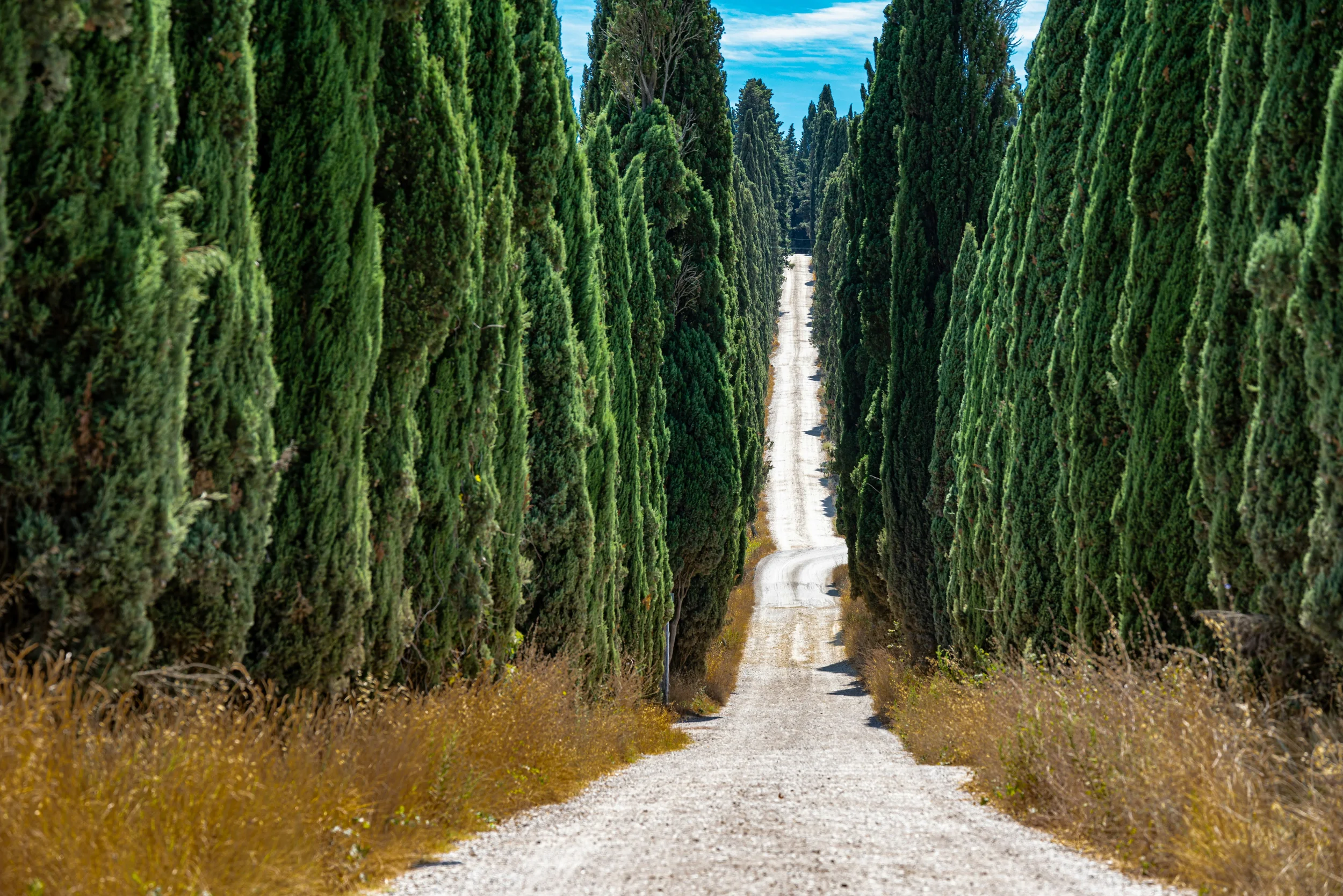
Explore Tuscany in seven days, combining Renaissance cities, medieval hill towns, scenic drives and the landscapes of the Val d’Orcia.
Top 10 Best Beaches
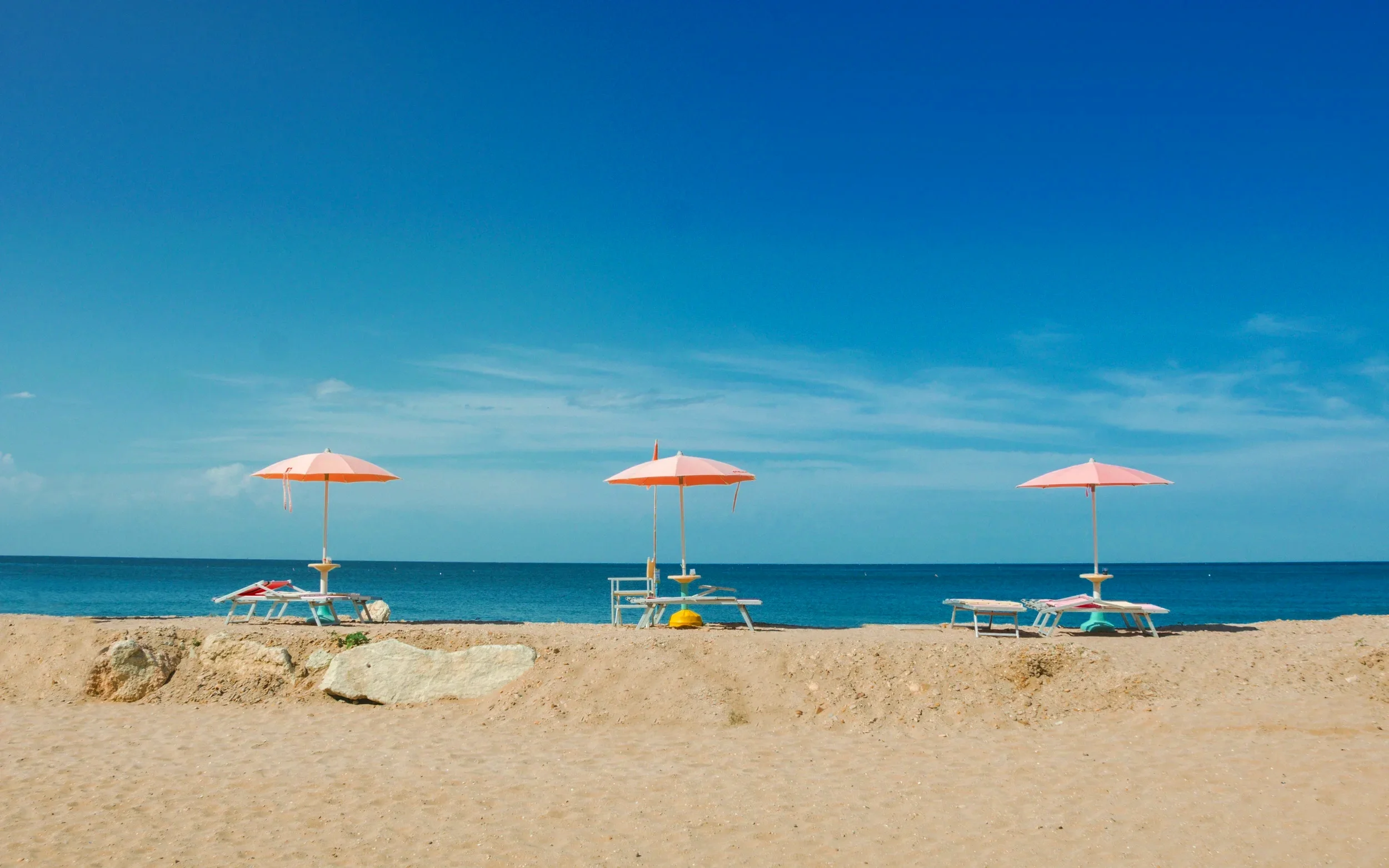
Discover Tuscany’s most beautiful beaches, from wild Maremma shores and secluded coves to the crystal-clear bays of Elba.
Practical Travel Tips
Everything you need to know before exploring Tuscany.
✈️ Best Airport
Florence and Pisa are Tuscany’s main airports and both offer convenient access to the region. Florence is ideal for central Tuscany, while Pisa is especially useful for exploring the western countryside, Lucca, the Etruscan Coast, and northern Tuscany.
🛣️ Driving in Tuscany
Driving is one of the best ways to experience Tuscany, especially when exploring smaller villages and the countryside. Main roads are generally good, but expect winding rural routes, steep hills, and narrow streets when approaching historic towns.
🅿️ Parking
Most historic towns have car parks just outside the old centre, making it easy to continue exploring on foot. Avoid entering ZTL (Limited Traffic Zone) areas unless permitted, as cameras automatically monitor restricted zones and fines can be expensive.
💳 Cash or Card?
Cards are widely accepted at hotels, restaurants, shops, and larger businesses throughout Tuscany. However, carrying some cash is useful when visiting smaller villages, local markets, parking machines, family-run businesses, or more remote areas of the countryside.
Frequently Asked Questions
-
Yes. Tuscany combines Renaissance cities, medieval villages, rolling countryside, excellent food, famous wines, and beautiful coastline. Beyond Florence and Siena, countless smaller towns and rural areas offer a quieter and more authentic experience.
-
Yes, Tuscany is generally very safe for tourists. As elsewhere in Italy, take normal precautions with valuables in busy cities and tourist areas, particularly around major attractions, train stations, and crowded public transport.
-
A week is enough to experience several highlights, but 10 to 14 days is ideal for a more relaxed trip. This gives you time to combine famous cities with smaller villages, countryside, local food, and lesser-known destinations.
-
Tuscany can be more expensive than lesser-known Italian regions, particularly in Florence and popular destinations during summer. However, smaller villages, countryside accommodation, and local restaurants often offer better value away from the main tourist areas.
-
A rental car is highly recommended for exploring the countryside and smaller villages. Trains work well between major cities, but having a car gives you much more freedom to discover rural areas, wineries, and hidden gems.
-
Tuscany is famous for its Renaissance heritage, medieval hill towns, rolling landscapes, vineyards, olive groves, and exceptional cuisine. Florence, Siena, Chianti, and the Val d’Orcia are iconic, but the region offers much more beyond these famous destinations.
-
May, June, September, and early October are among the best periods to visit Tuscany. Expect pleasant temperatures, beautiful countryside, and generally fewer crowds than during the busiest summer months of July and August.
-
Choose Val d’Orcia for iconic rolling landscapes, medieval villages, and scenic road trips. Choose Chianti for vineyards, wineries, charming towns, and easy access from Florence and Siena. Both offer classic Tuscany, but with distinctly different experiences.