Abruzzo
Discover Abruzzo through its medieval hilltop villages, dramatic mountains, authentic cuisine, and wild landscapes beyond the tourist trail.
Why visit Abruzzo?
Italy's Wild Heart
Abruzzo is one of Italy's most spectacular regions, combining dramatic mountains, medieval villages, beautiful coastline, and authentic cuisine. While much of central Italy attracts visitors worldwide, Abruzzo remains surprisingly undiscovered and offers a wilder, more authentic Italian experience.
Medieval Villages & Mountain Heritage
Abruzzo is filled with beautifully preserved villages shaped by centuries of mountain life. Explore stone towns such as Santo Stefano di Sessanio and Scanno, discover ancient castles and churches, or wander through peaceful villages surrounded by spectacular Apennine landscapes.
Authentic Flavours & Local Traditions
Abruzzo is a paradise for food lovers, with cuisine deeply connected to its mountains and countryside. Discover traditional arrosticini, handmade pasta, local cheeses, olive oil, and hearty regional dishes, accompanied by excellent local wines such as Montepulciano d'Abruzzo.
Mountains, National Parks & Wild Landscapes
Nature is at the heart of Abruzzo, home to some of Italy's most impressive wilderness. Hike through dramatic mountain ranges, explore vast national parks, discover hidden lakes and forests, or head towards the Adriatic coast for beautiful beaches and traditional fishing villages.
Discover Abruzzo Beyond the Crowds
From medieval villages and rugged mountains to peaceful beaches and untouched countryside, Abruzzo rewards travellers who explore beyond Italy's famous destinations. Discover authentic experiences, spectacular scenery, and some of central Italy's most memorable hidden gems.
Plan a complete route with our 7-day Abruzzo itinerary, or choose a coastal stop from our top 5 beaches in Abruzzo.
Best time to visit
Spring
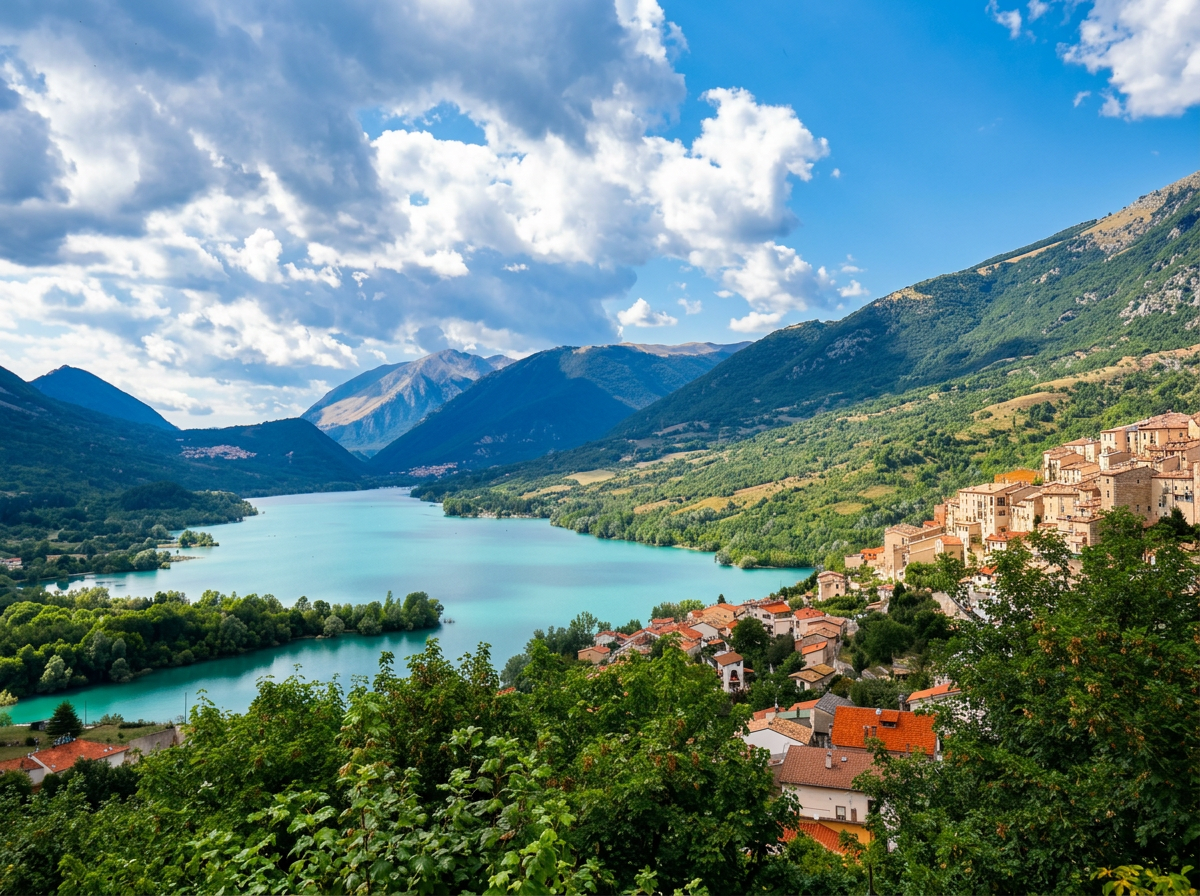
Ideal for exploring medieval villages, hiking through national parks, enjoying green landscapes, and discovering the region with mild weather and fewer crowds.
SUMMER
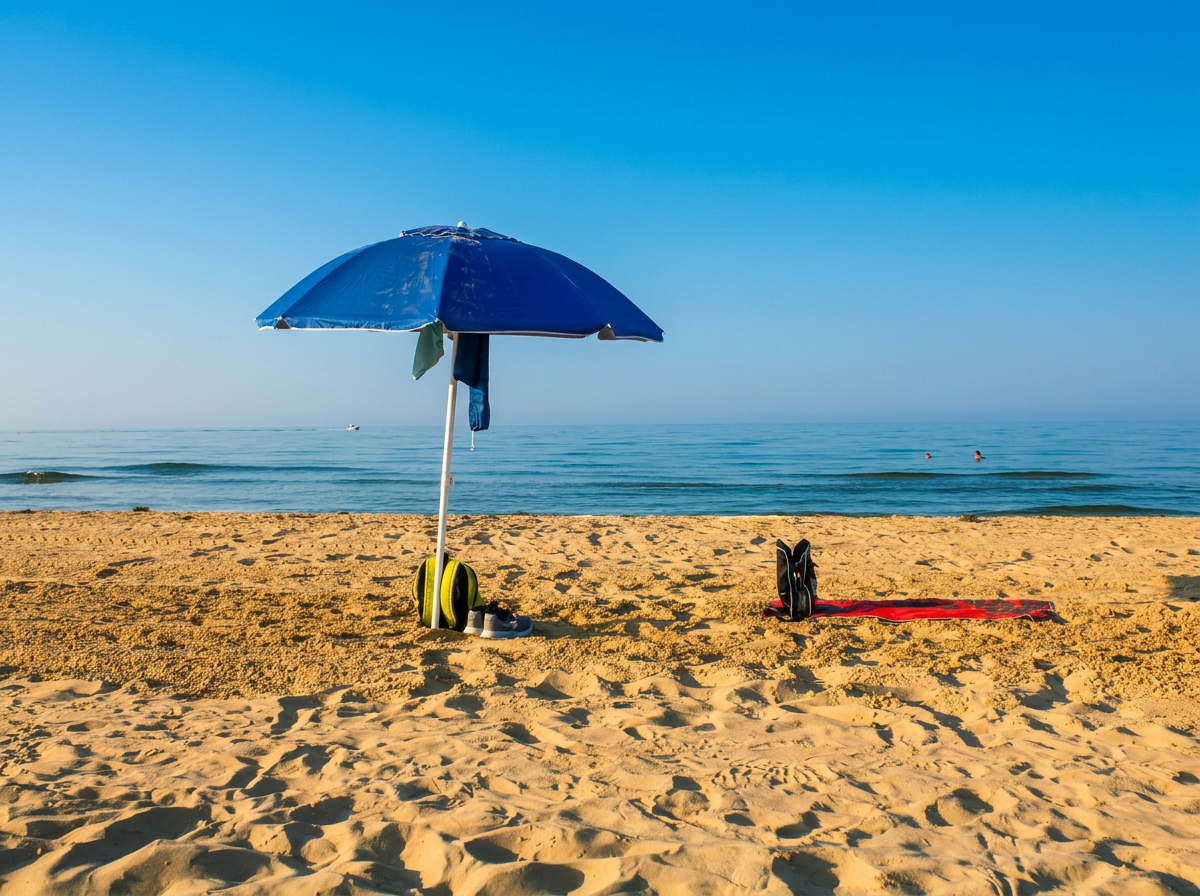
Perfect for mountain hikes, relaxing beach days, swimming along the Adriatic Coast, and exploring hilltop villages, but also the warmest and busiest season.
AUTUMN
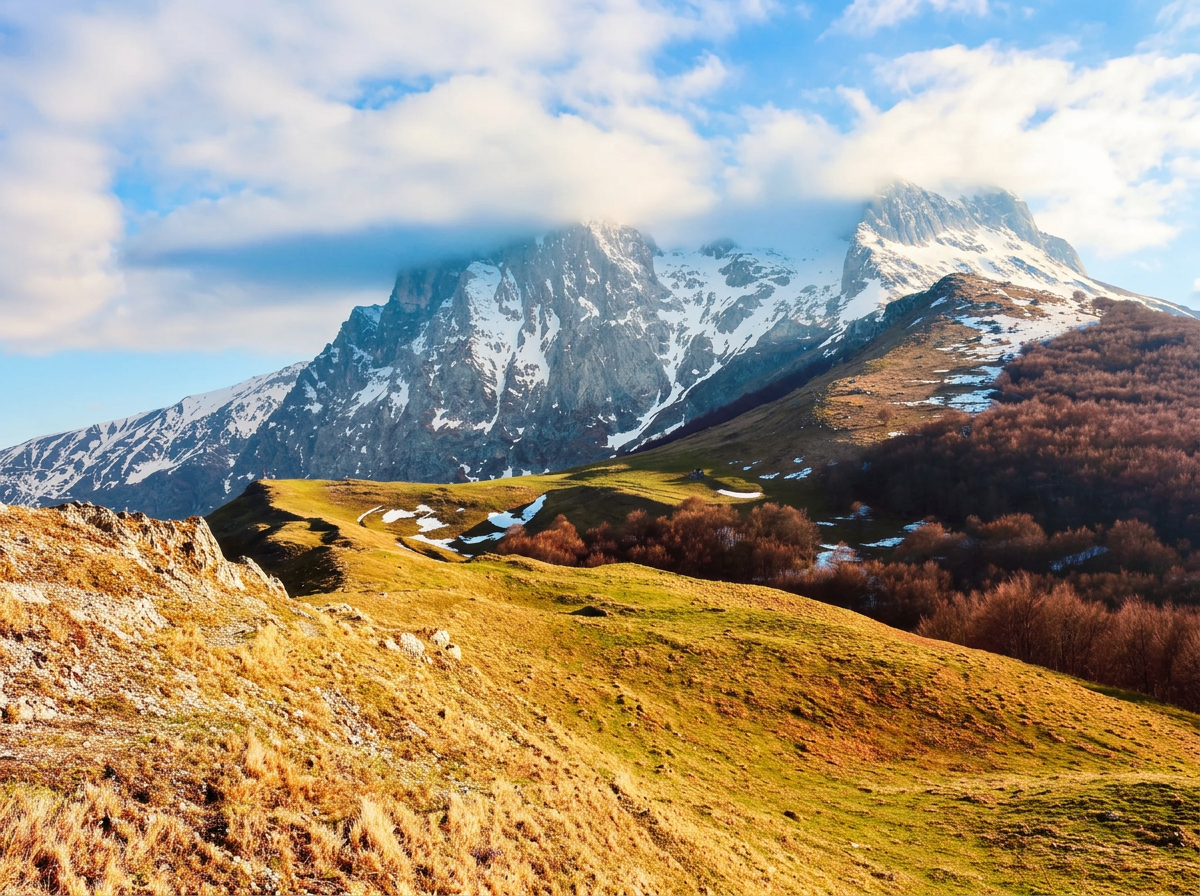
Beautiful autumn colours, local food festivals, wine harvests, fewer tourists, and perfect weather for scenic road trips through the mountains and countryside.
WINTER
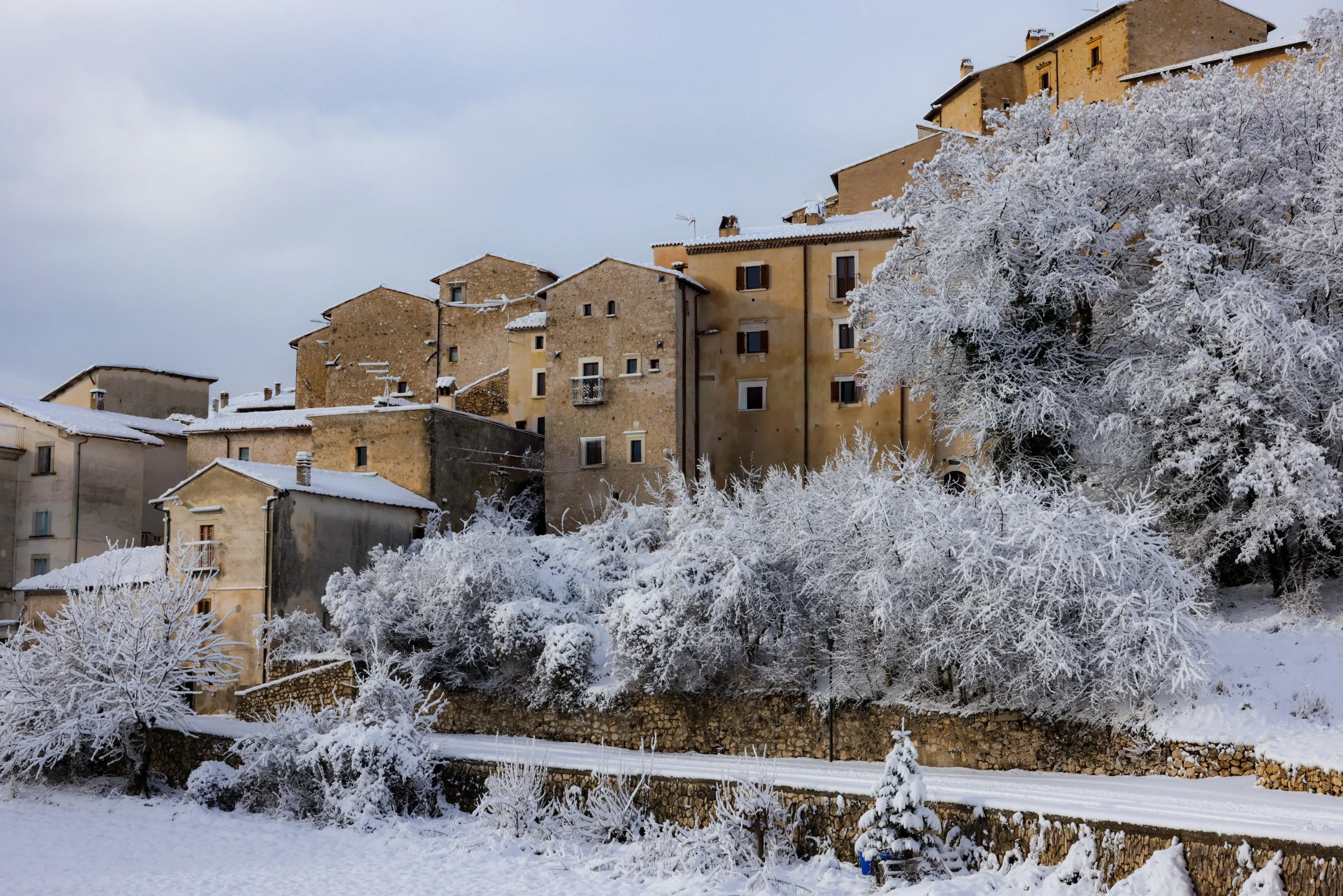
Best for skiing in the Apennines, exploring peaceful mountain villages, enjoying hearty local cuisine, and experiencing Abruzzo's spectacular snow-covered landscapes.
TOP 10 HIDDEN GEMS IN ABRUZZO
Discover ten extraordinary places that showcase Abruzzo beyond the tourist hotspots, each offering its own unique charm and authentic local atmosphere.
Our seven-day road trip connects several of these hidden gems with the Costa dei Trabocchi and Gran Sasso.
10. Sulmona
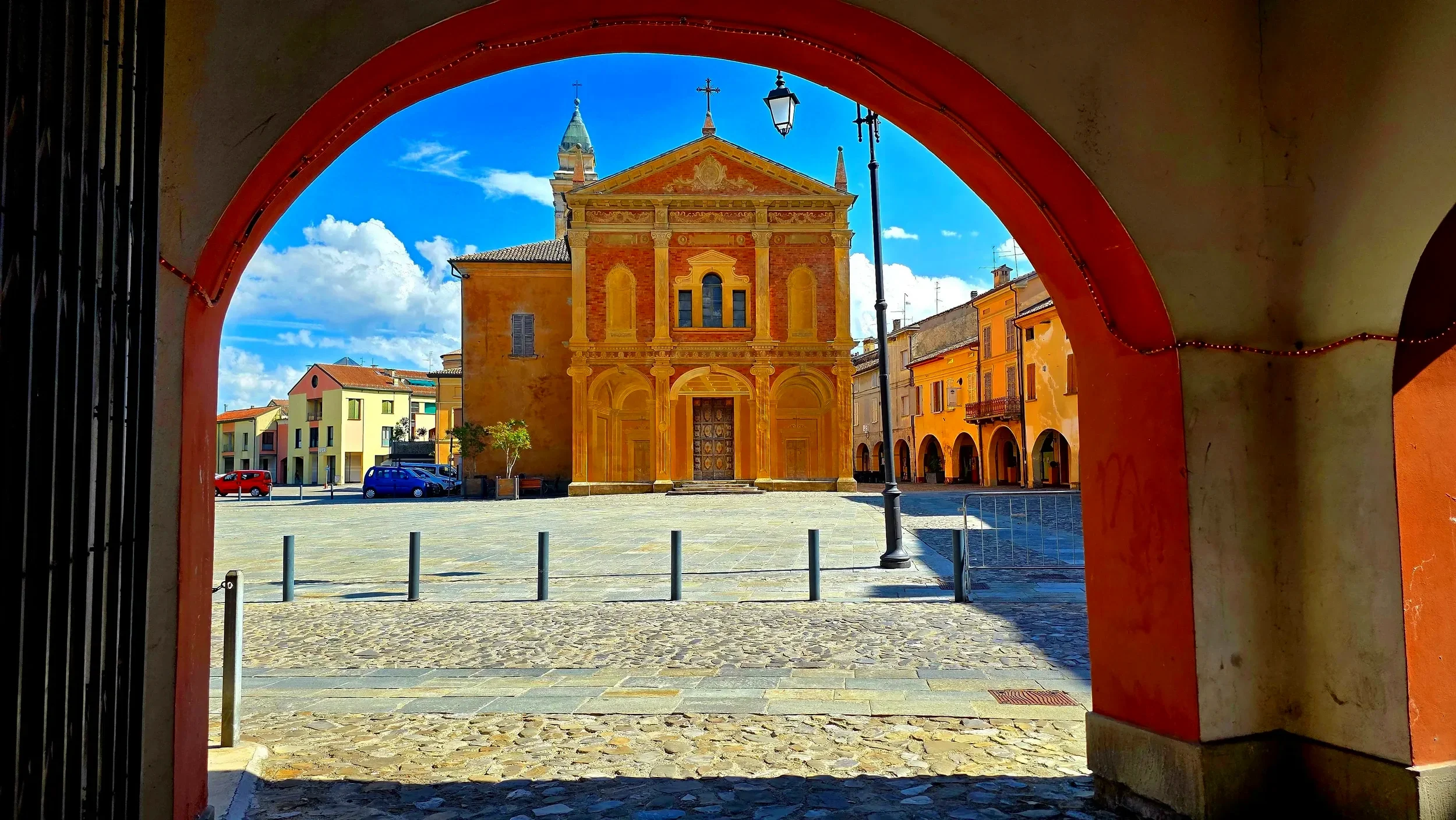
Set against the dramatic mountains of central Abruzzo, Sulmona is one of the region’s most captivating historic towns. Wander through its elegant streets, discover beautiful piazzas and medieval architecture, and admire the impressive backdrop of the surrounding Apennines. Famous throughout Italy for its colourful confetti sweets, Sulmona is also a perfect place to experience authentic local traditions and cuisine. With its rich history, lively atmosphere, and spectacular mountain setting, it makes an unforgettable stop in Abruzzo.
Use Sulmona as your two-night base on days three and four of our Abruzzo itinerary.
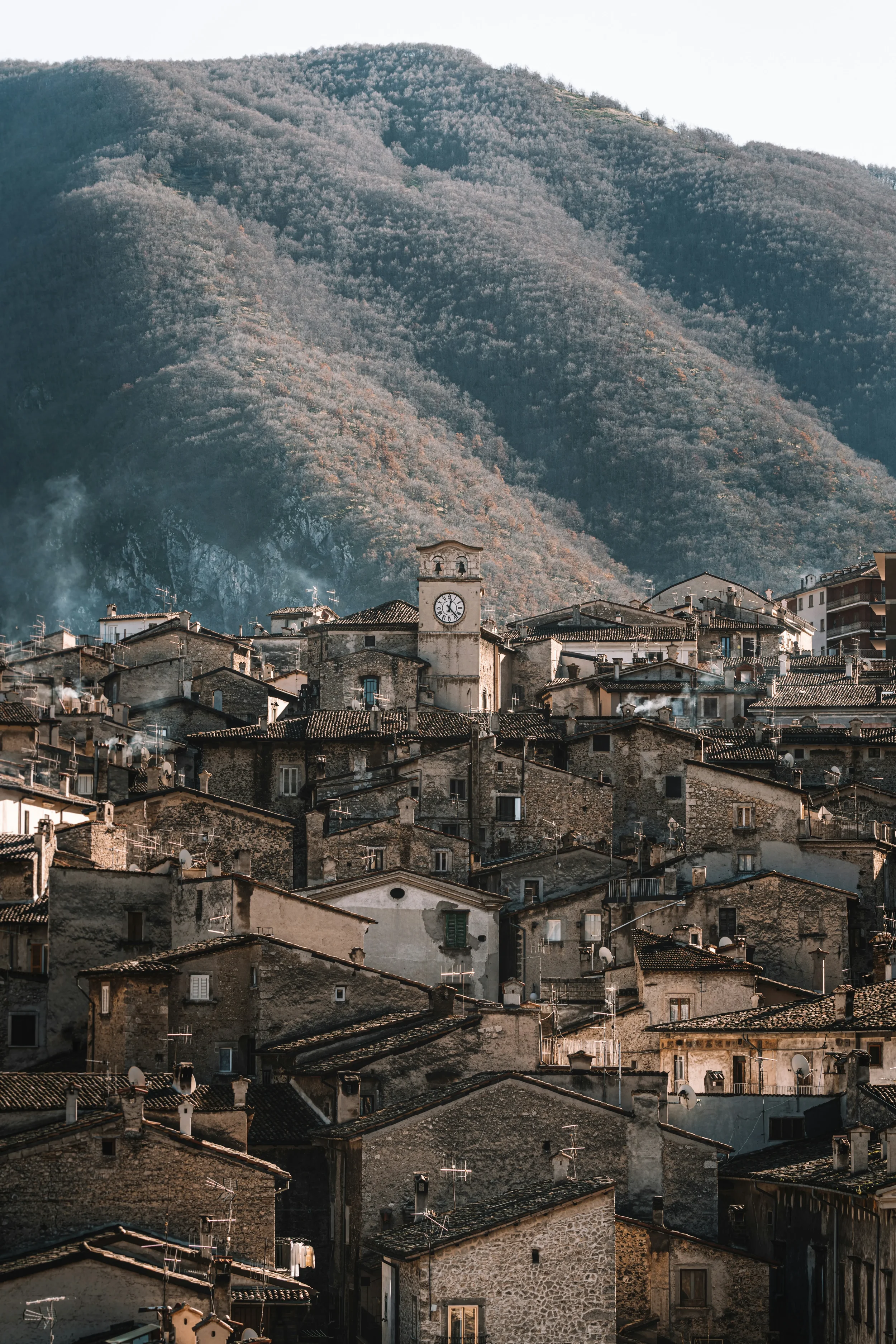
9. Scanno
Surrounded by the mountains of Abruzzo, Scanno is one of the region’s most picturesque medieval villages. Wander through its maze of narrow stone streets, discover ancient churches and hidden archways, and admire traditional houses climbing the hillside. Just outside the village, beautiful Lake Scanno offers peaceful walking trails, mountain views, and crystal-clear waters surrounded by forest. Together, the historic village and its spectacular natural setting make Scanno one of Abruzzo’s most unforgettable destinations.
Visit the village and lake on day four of our seven-day itinerary, with a lakeside option and practical hiking advice.
8. Pacentro
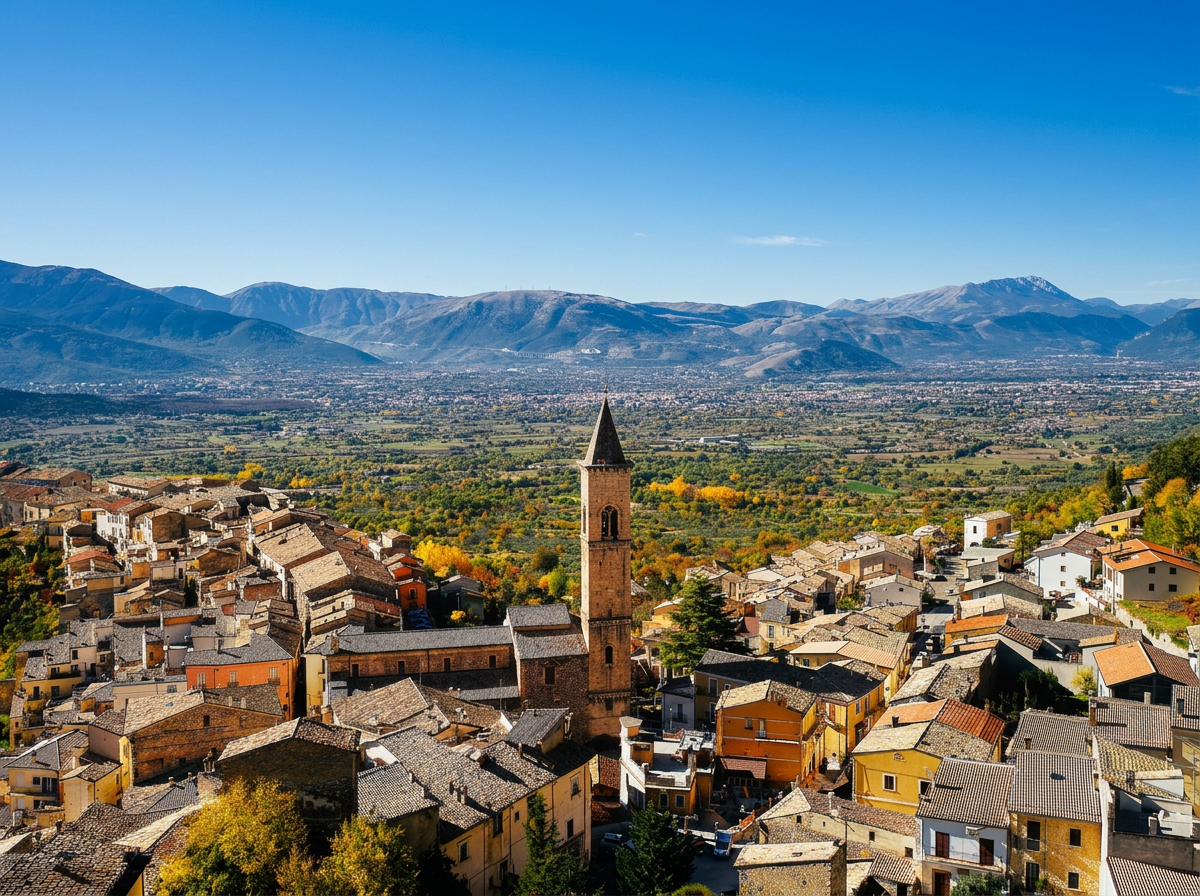
At the foot of the Majella Mountains, Pacentro is one of Abruzzo’s most atmospheric medieval villages. Wander through its steep stone streets, discover ancient churches and hidden passageways, and admire the impressive Caldora Castle rising above the rooftops. From the village, sweeping views stretch across the Peligna Valley and surrounding mountains. With its peaceful atmosphere, beautifully preserved historic centre, and dramatic setting, Pacentro offers an authentic glimpse into traditional life in rural Abruzzo.
Combine Pacentro with Sulmona on day three of our Abruzzo road trip.
7. Fossacesia
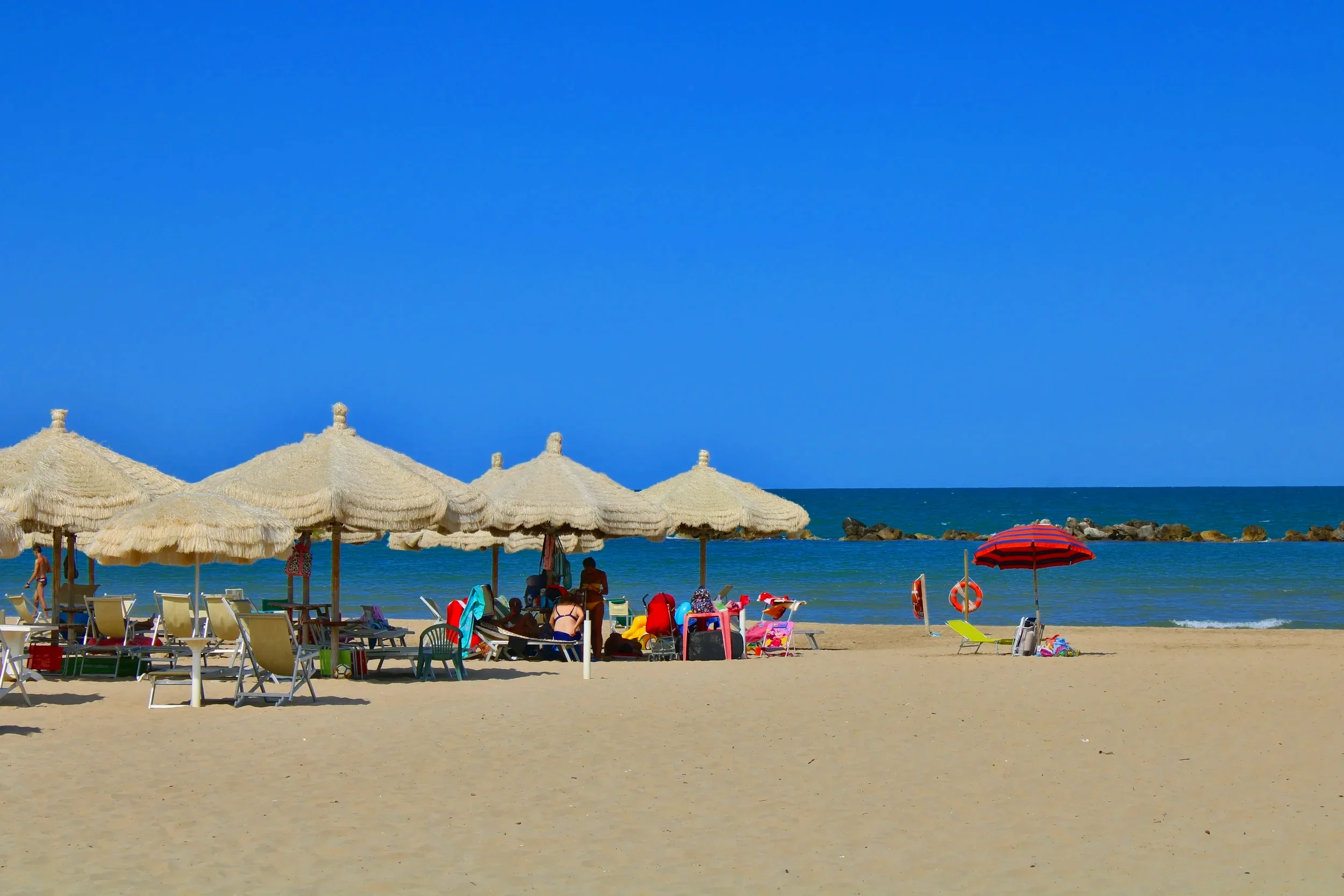
Fossacesia combines historic charm with one of Abruzzo’s most beautiful stretches of Adriatic coastline. Visit the impressive Abbey of San Giovanni in Venere, overlooking the sea, before heading towards the famous Costa dei Trabocchi. Here, traditional wooden fishing platforms rise above clear waters and peaceful beaches. Blending centuries of history with unique coastal scenery, Fossacesia offers an authentic taste of Abruzzo.
Pair the abbey with Fossacesia Marina on day one of our itinerary.
6. Vasto
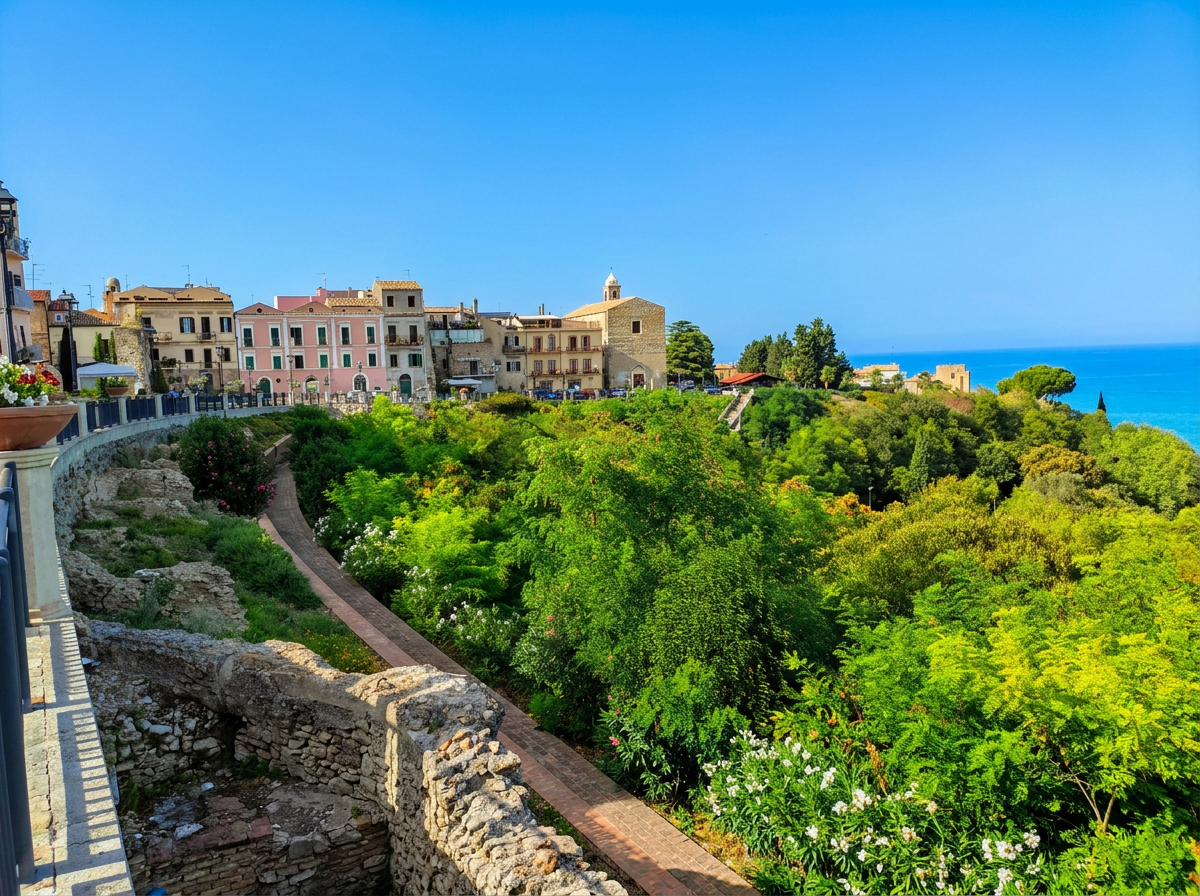
Overlooking the Adriatic Sea, Vasto is one of Abruzzo’s most beautiful coastal towns. Wander through its elegant historic centre, discover charming piazzas and centuries-old churches, and enjoy panoramic views from the gardens of Palazzo d’Avalos. Below, long sandy beaches and clear waters stretch along the coast, while the nearby Punta Aderci Nature Reserve offers wild beaches and spectacular scenery. Combining history, local life, and natural beauty, Vasto reveals a different side of coastal Abruzzo.
Stay in Vasto for the first two nights of our seven-day itinerary and explore Punta Penna beach in the nearby Punta Aderci Nature Reserve.
5. Pescocostanzo
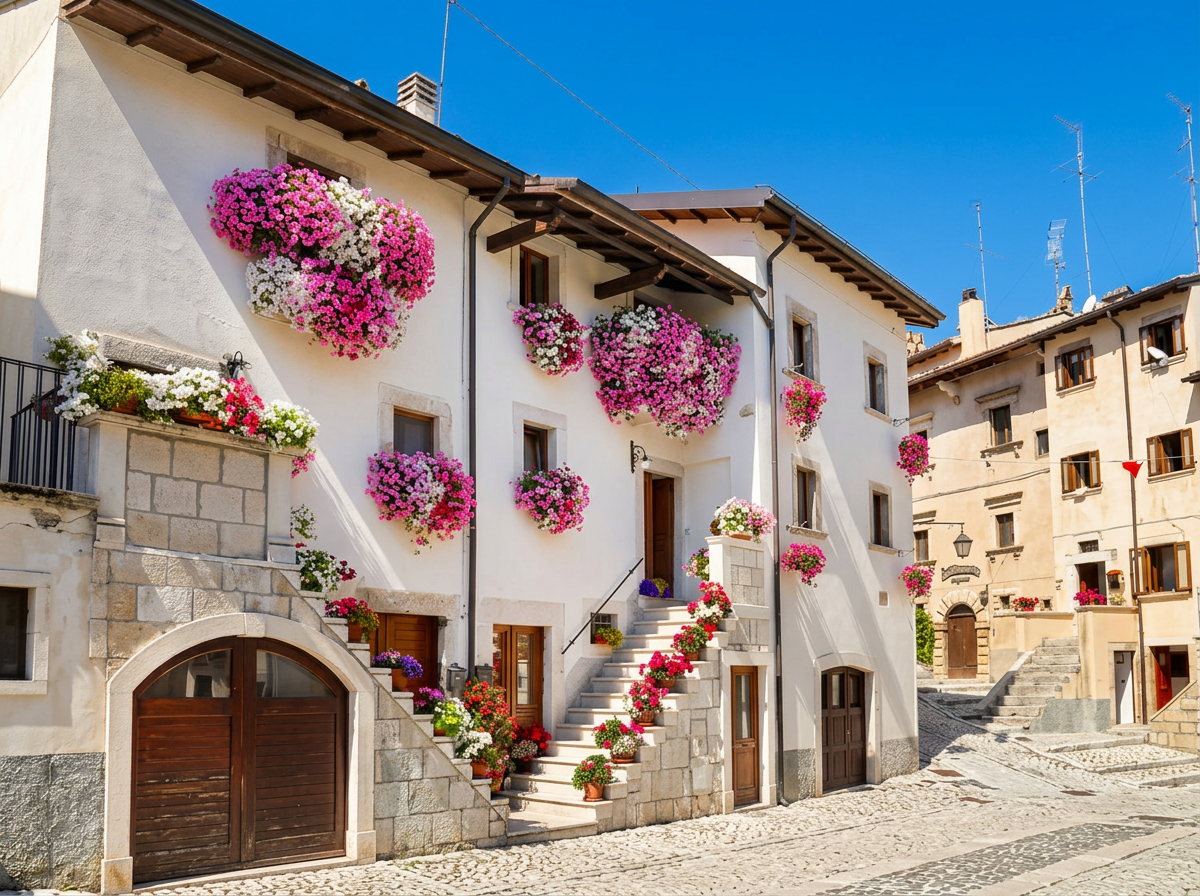
Surrounded by the mountains of Majella National Park, Pescocostanzo is one of Abruzzo’s most elegant historic villages. Wander through preserved stone streets, discover Renaissance and Baroque architecture, and admire traditional craftsmanship in peaceful piazzas. Winter brings snowy landscapes, while summer offers beautiful hiking and mountain scenery. With its refined architecture and spectacular setting, Pescocostanzo is a true mountain gem.
Pescocostanzo is a village-focused alternative to Scanno on day four of our itinerary.
4. Rocca San Giovanni
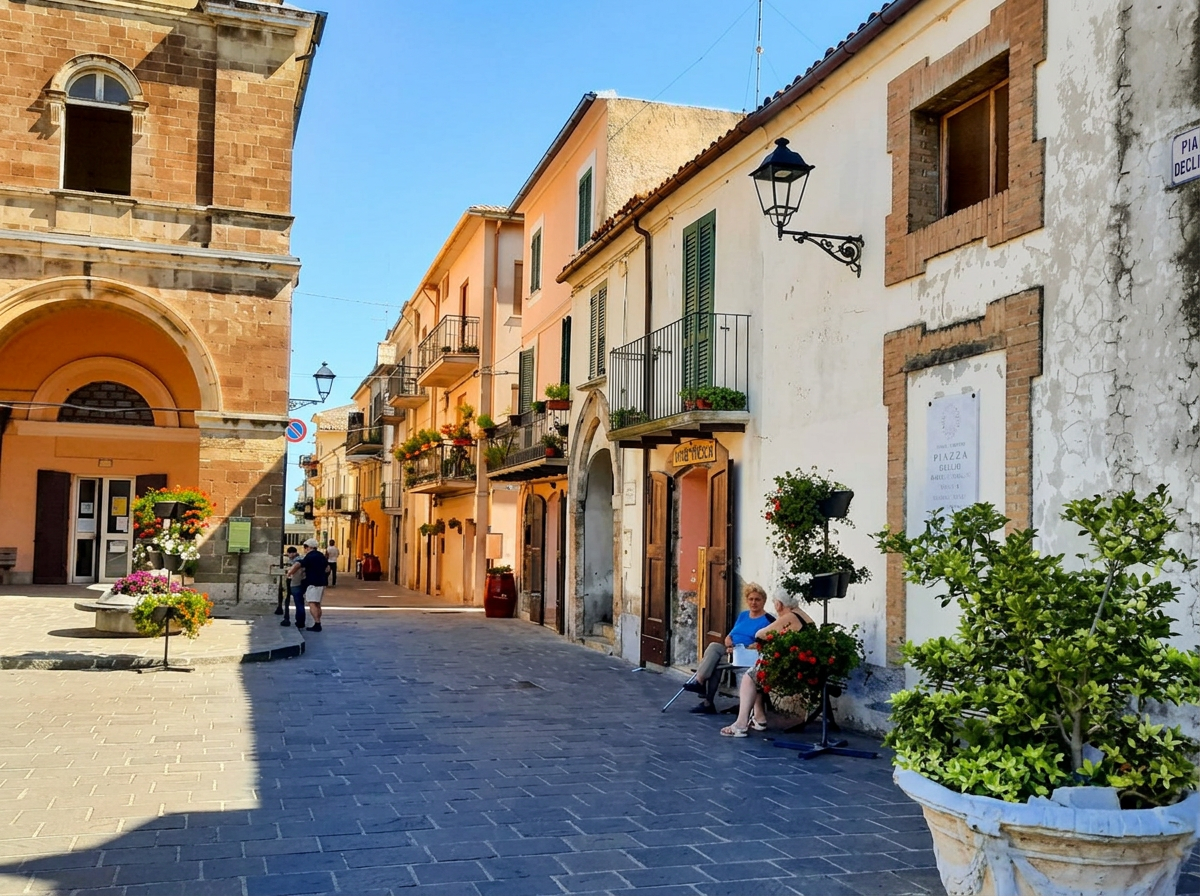
Set among the rolling hills above Abruzzo’s Adriatic coast, Rocca San Giovanni is a beautifully preserved medieval village with a peaceful atmosphere. Wander through its stone streets, discover historic churches and charming piazzas, and admire views across the surrounding countryside. Just beyond the village lies the spectacular Costa dei Trabocchi, known for its traditional wooden fishing platforms, hidden coves, and clear waters. Combining medieval charm with coastal beauty, Rocca San Giovanni is one of Abruzzo’s most rewarding hidden gems.
Visit Rocca San Giovanni with Fossacesia and Vasto on day one of our Abruzzo road trip.
3. Castelli
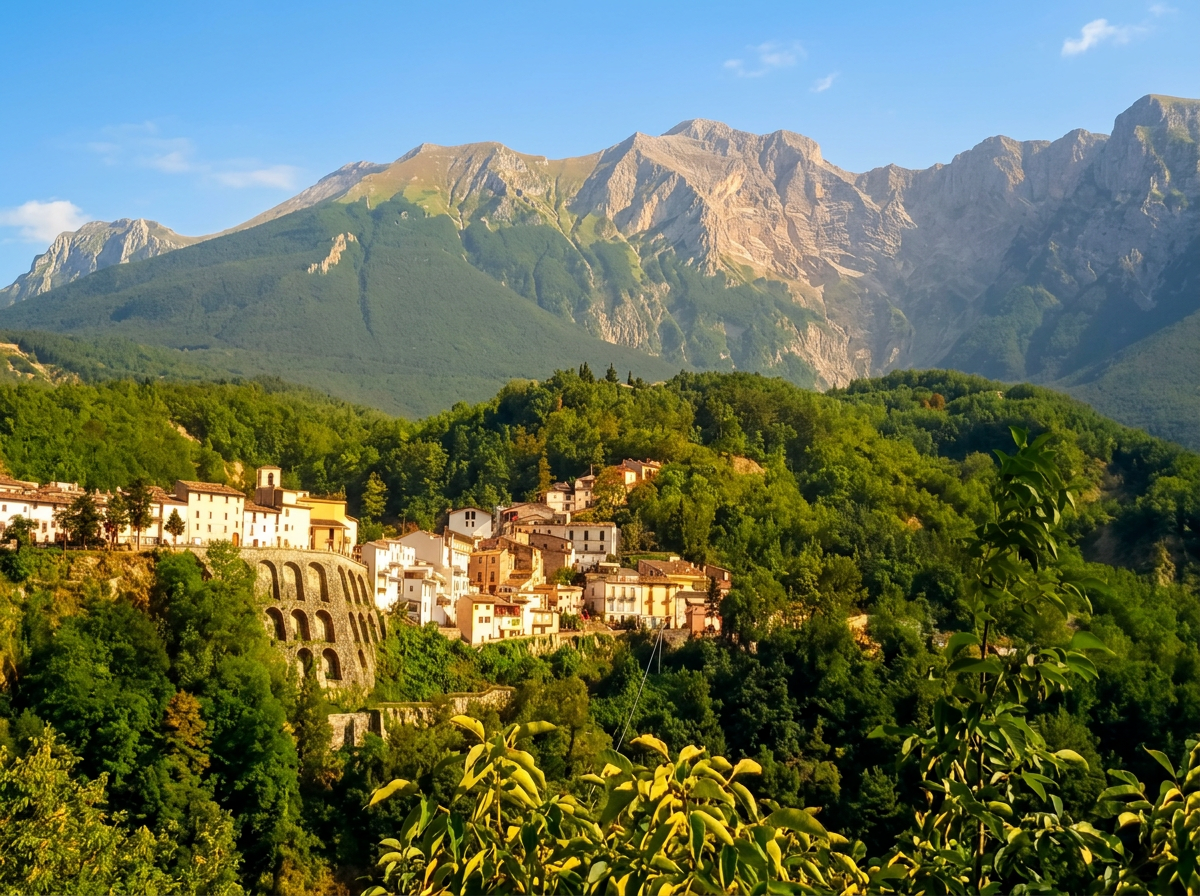
Tucked beneath the dramatic Gran Sasso mountains, Castelli is one of Abruzzo’s most distinctive historic villages. Wander through its quiet stone streets, discover centuries-old churches, and admire the colourful ceramics that have made the village famous throughout Italy. Local workshops continue a pottery tradition dating back hundreds of years, with beautifully decorated pieces still crafted by hand. Surrounded by forests and rugged mountain scenery, Castelli combines artistic heritage, local traditions, and the wild beauty of rural Abruzzo.
2. Chieti
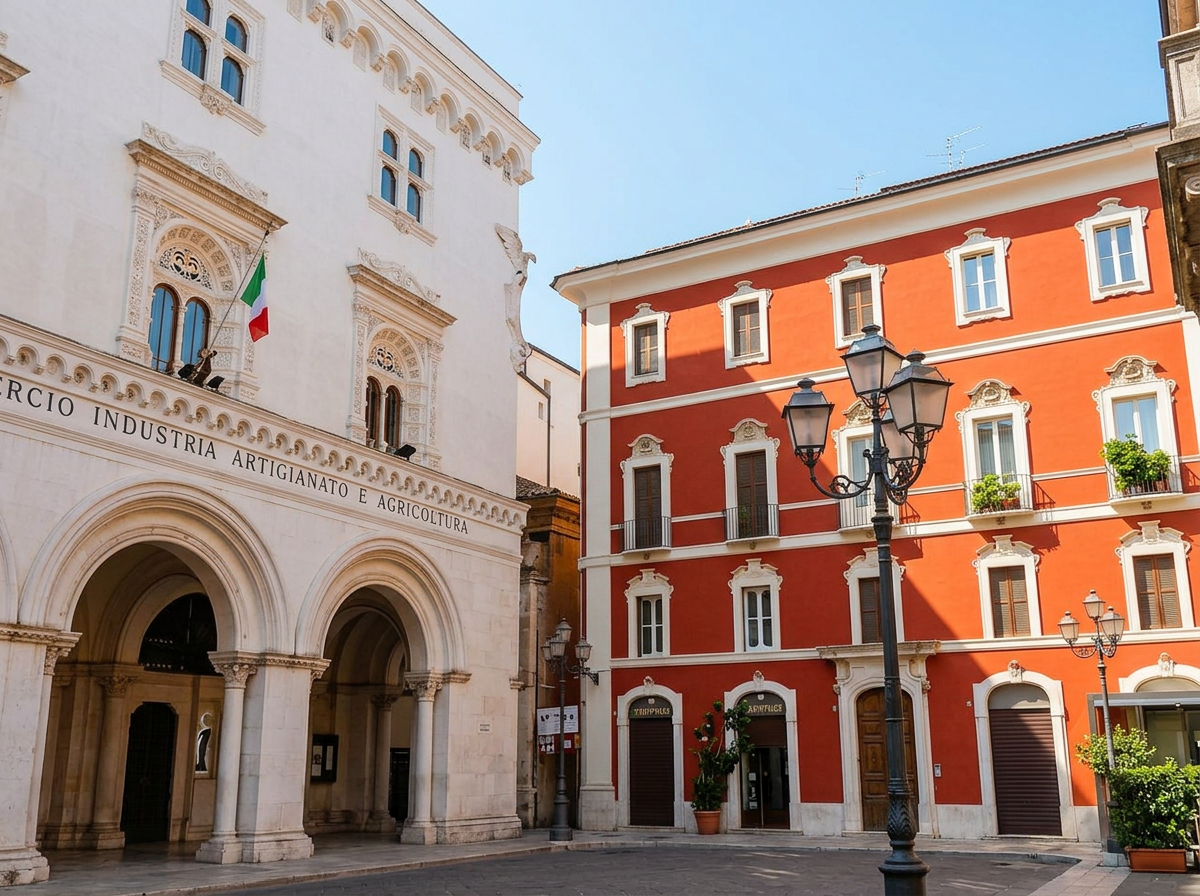
Rising above the surrounding hills, Chieti is one of Abruzzo’s oldest cities, with history stretching back thousands of years. Wander through its atmospheric historic centre, discover elegant churches and ancient streets, and visit the National Archaeological Museum to explore the region’s fascinating past. From its hilltop position, panoramic views stretch towards both the Majella Mountains and the Adriatic coast. Combining ancient heritage, local life, and a relaxed atmosphere, Chieti offers an authentic side of Abruzzo away from the crowds.
Explore Chieti before returning to Pescara on day seven of our itinerary.
1. Costa dei Trabocchi
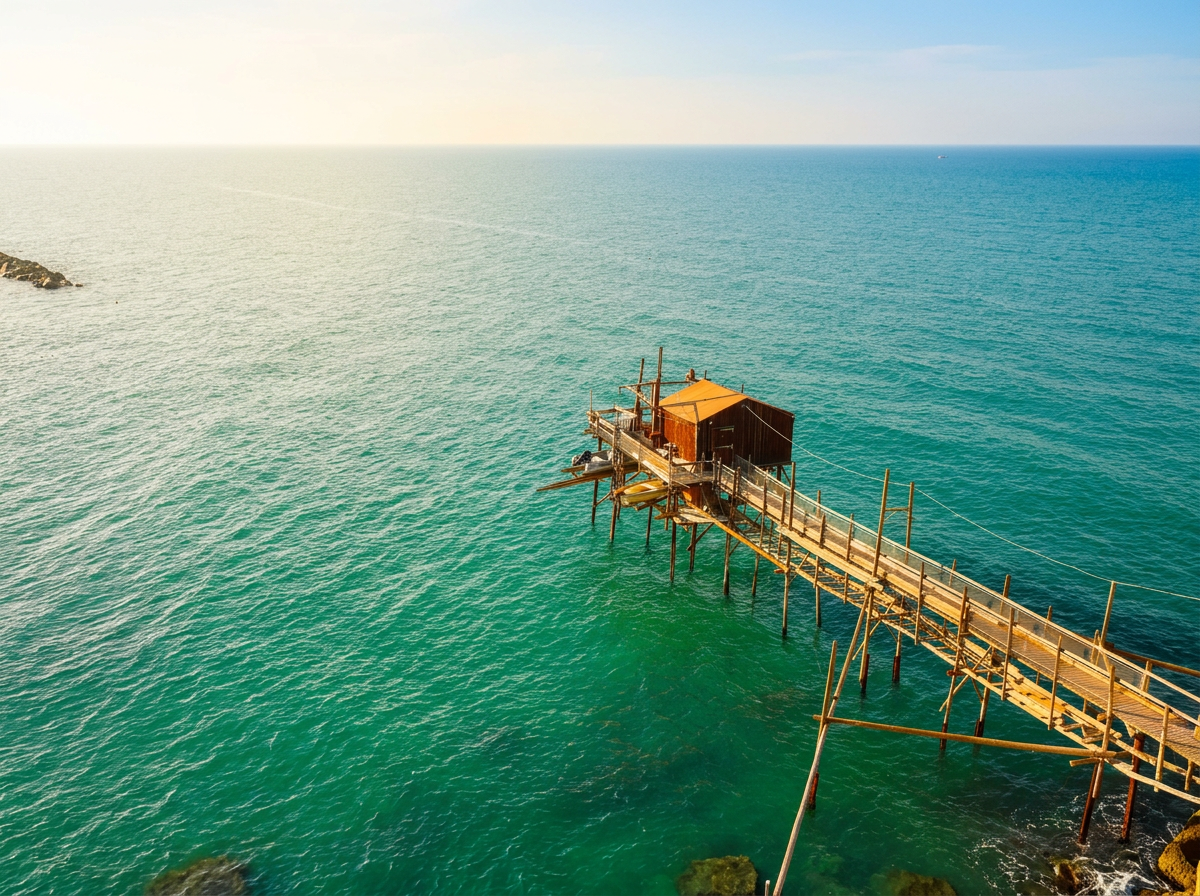
Stretching along Abruzzo’s Adriatic coast, the Costa dei Trabocchi is one of the region’s most distinctive landscapes. Follow the coastline past hidden coves, pebble beaches, and crystal-clear waters, while traditional wooden fishing platforms rise dramatically above the sea. Many historic trabocchi have been transformed into unique seafood restaurants, offering an unforgettable dining experience above the water. Combining coastal scenery, local traditions, and peaceful beaches, the Costa dei Trabocchi reveals one of Italy’s most authentic seaside destinations.
Start planning with our Abruzzo beach guide and follow the coast on day one of our seven-day road trip.
Practical Travel Tips
Everything you need to know before exploring Abruzzo.
For daily routes, driving estimates and overnight bases, use our 7-day itinerary. Our top 5 beaches includes coastal access and planning tips.
✈️ Best Airport
Rome Fiumicino and Ciampino are the main international gateways for Abruzzo, especially for exploring the mountains and inland villages. Pescara Airport is much closer and convenient, but offers a more limited selection of international flights.
🛣️ Driving in Abruzzo
Driving is the best way to explore Abruzzo, especially its mountain villages, national parks, and remote landscapes. Main roads are generally good, but expect winding mountain routes and narrow streets around historic centres. Take extra care during winter conditions.
🅿️ Parking
Parking is generally easy outside the larger towns and popular coastal destinations. Many historic villages have parking areas just outside their centres. Always check for ZTL (Limited Traffic Zone) restrictions before entering historic areas to avoid fines.
💳 Cash or Card?
Cards are widely accepted in hotels, restaurants, shops, and larger businesses across Abruzzo. However, carrying some cash is useful for small cafés, mountain villages, local markets, parking machines, and smaller family-run businesses in rural areas.
Frequently Asked Questions
-
Absolutely. Abruzzo combines dramatic mountains, medieval villages, national parks, beautiful beaches, and authentic cuisine. It is ideal for travellers looking for a wilder and less touristy side of Italy.
-
Yes, Abruzzo is generally a very safe destination for tourists. Towns and villages are relaxed and welcoming, although normal precautions with valuables are recommended in busier areas.
-
A week is enough to experience several highlights of Abruzzo. However, 10 to 14 days is ideal for a relaxed road trip combining mountain villages, national parks, the Adriatic coast, and local food experiences.
-
Abruzzo is generally more affordable than many of Italy’s famous tourist regions. Accommodation, restaurants, and activities often offer excellent value, although prices can be higher in popular coastal destinations during summer.
-
A rental car is highly recommended for exploring Abruzzo. Public transport connects larger towns, but a car gives you much more freedom to reach remote mountain villages, national parks, scenic roads, and hidden coastal destinations.
-
Abruzzo is famous for its dramatic Apennine mountains, national parks, medieval villages, Adriatic coastline, and traditional cuisine. It is also known for arrosticini, Montepulciano d’Abruzzo wine, and the unique Costa dei Trabocchi.
-
July and August are among the best months to visit Abruzzo, with warm weather along the Adriatic coast and excellent conditions for exploring the mountains. The region is generally much quieter than Italy’s famous destinations, so summer also brings a pleasant, livelier atmosphere to its towns and villages.
-
Both are worth experiencing. The mountains offer spectacular hiking, national parks, and medieval villages, while the Adriatic coast has beaches, seaside towns, and the unique Costa dei Trabocchi. Combining both is the best way to experience Abruzzo.