Narni
Medieval stone, hidden rooms and the Nera below
Narni rises above the Nera Valley in southern Umbria, bringing together a compact old town and a landscape that invites a longer stay. Walk from its squares into churches and an art-filled palace, then discover the rooms beneath the streets. Above it all stands the Rocca. The town known to the Romans as Narnia rewards a day with a little structure and plenty of time between the main sights.
The old town · Narni Underground · Plan your visit
Build your wider journey with our Umbria travel guide.
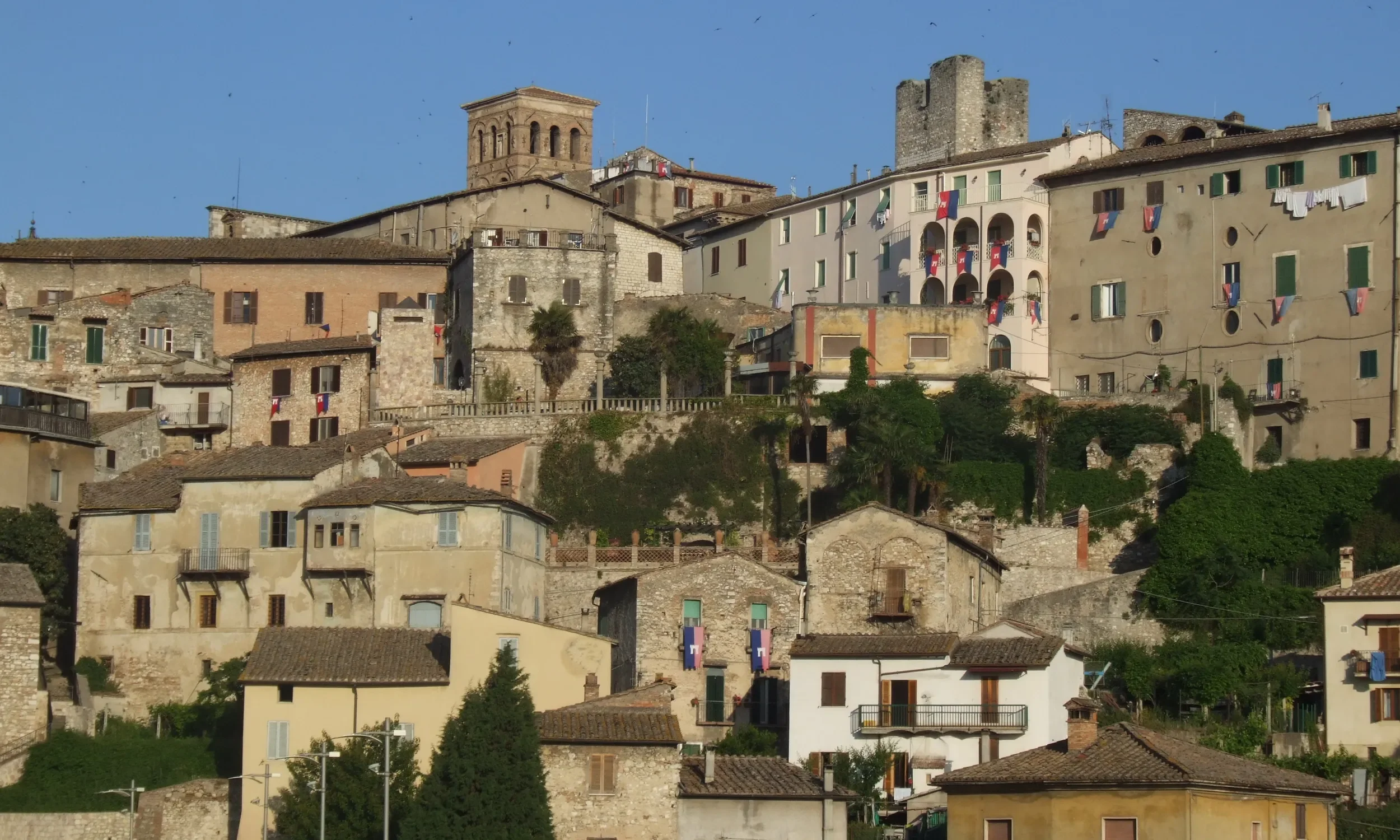
01 / STREETS & ART
From the piazzas to Palazzo Eroli
Begin around Piazza Garibaldi and the Cathedral of San Giovenale, then make your way towards Piazza dei Priori. Narni’s public squares and narrow connecting streets are best explored on foot, with pauses for the details of doorways, stonework and changing views. Inside the cathedral, Romanesque forms sit alongside additions from later centuries, making it a useful place to begin reading the town’s layers.
For art, give Palazzo Eroli a proper place in the day. Its gallery includes Benozzo Gozzoli’s Annunciation and Domenico Ghirlandaio’s Coronation of the Virgin, works connected with Narni’s fifteenth-century patronage. They offer a vivid counterpoint to the sober streets outside. Check the official gallery information when planning your route, and allow time to look rather than treating the museum as a brief stop between squares.
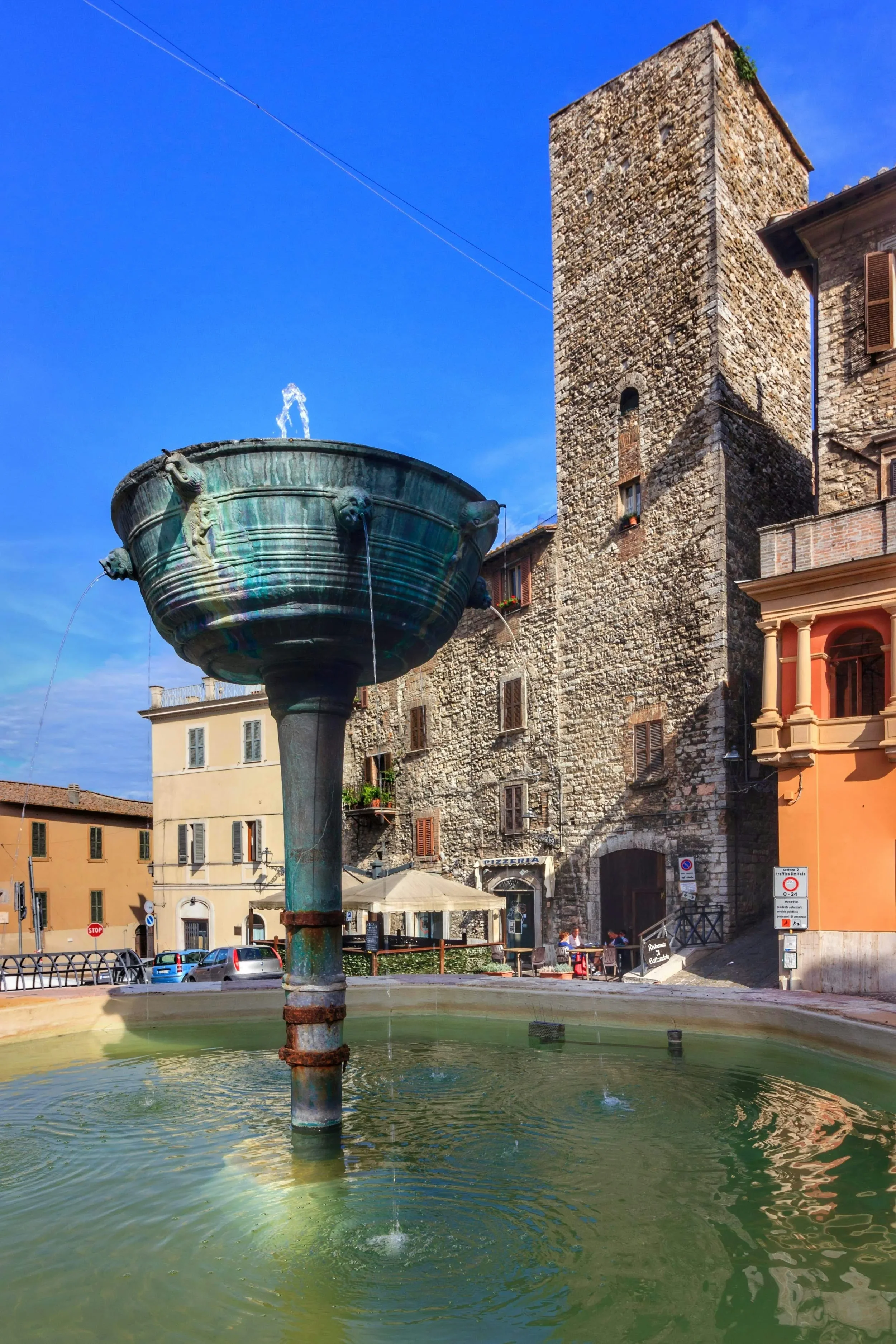
02 / BENEATH THE STREETS
Narni Sotterranea
Beneath the former Dominican complex, Narni Sotterranea reveals rooms whose stories were brought back to light after their rediscovery in 1979. The guided route includes a frescoed church and spaces connected with the Inquisition. Marks left in a prison cell give a more personal dimension to that history than the street above suggests.
This is a visit shaped by a guide’s account of the place, so reserve it before fixing the rest of your day. The official Narni Sotterranea website lists current departures and booking instructions; advance telephone reservation is required. Check language arrangements as well: regular tours and English-language support are not necessarily the same experience. The entrance is reached through the San Bernardo gardens, so leave time to find it and arrive before your booked departure.
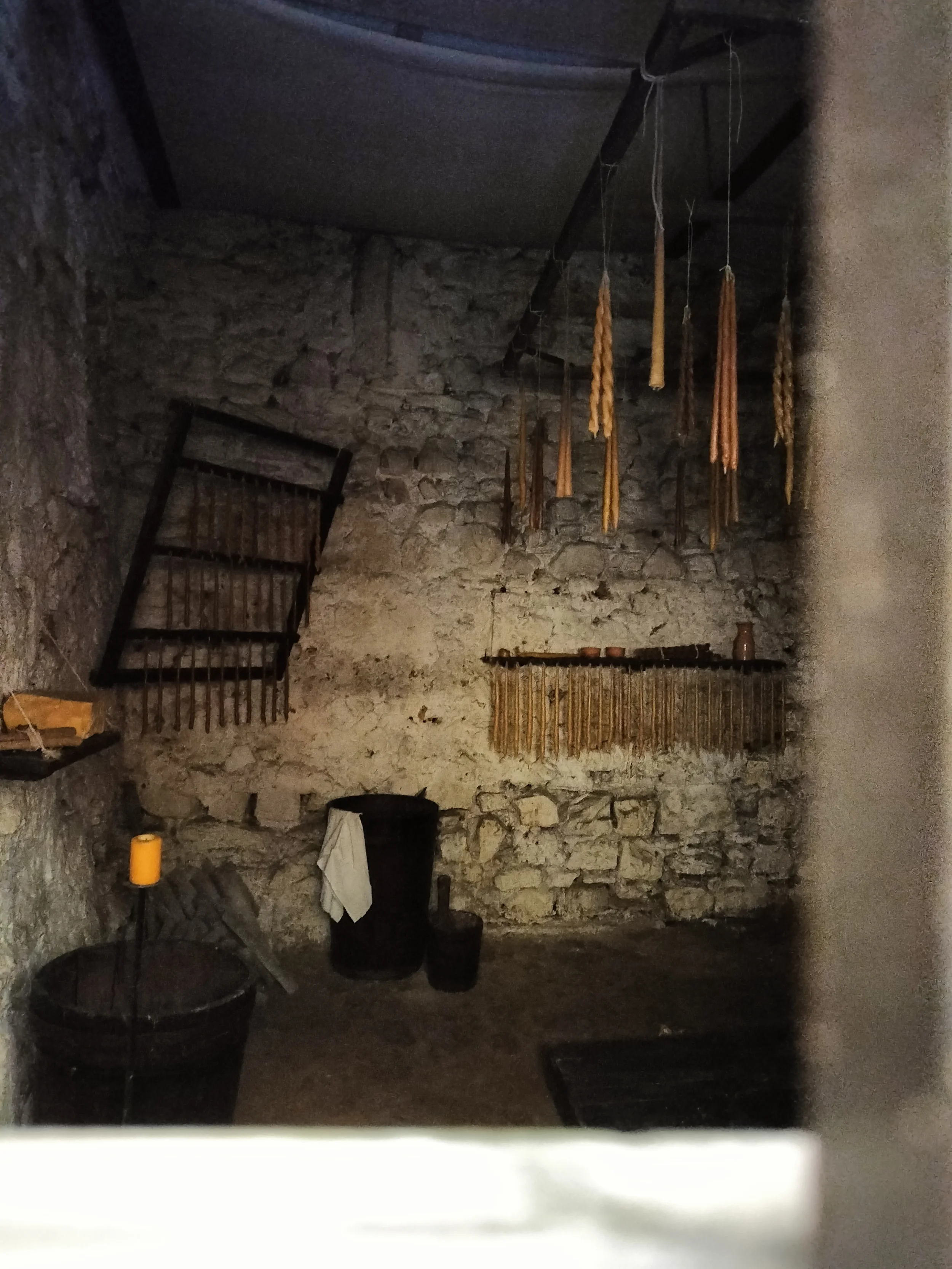
03 / ABOVE THE NERA
The Rocca and the valley beyond
The fourteenth-century Rocca Albornoziana stands above Narni, a reminder of papal power over the town and the routes through this part of Umbria. The walk up Via del Monte from Piazza Garibaldi gives the visit a different scale: the close streets gradually give way to the wider setting. Check the fortress opening information before making the climb.
Below the town, the Gole del Nera offers a separate outing along a former railway route. The remains of the Augustus Bridge and the riverside village of Stifone help place Narni within its landscape. Treat the Nera Valley walking and cycling route as an extension with its own access and return plan, rather than a quick detour from the old town.
STAY A LITTLE LONGER
Plan your visit to Narni
A day in the old town
Start at Piazza Garibaldi and the cathedral, then follow the streets towards Piazza dei Priori. Fit a reserved underground visit into the morning or afternoon, leaving space around its departure time. After lunch, choose Palazzo Eroli for art or the Rocca for the climb and setting. If you want to enjoy both in depth, an overnight stay gives the day more breathing room.
How long to stay
We suggest a full day for the historic centre and two substantial visits. One or two nights let you add the fortress, a longer meal and a separate walk along the Nera. Stay in the old town if you want to step out into the lanes in the evening; compare countryside options if your priority is exploring the surrounding landscape by car.
When to visit
Spring and autumn are our first choice for combining town walks with the valley. In summer, leave the steeper climb for a cooler part of the day and use indoor visits to break up the heat. In winter, confirm opening days before committing to the journey. If you are visiting for the Corsa all’Anello, check the year’s programme and book accommodation ahead rather than relying on a fixed annual schedule.
Getting there and getting around
Narni-Amelia railway station is in Narni Scalo, below the historic centre. Plan the onward bus, taxi or booked local transport as a separate part of the journey, including the return. The municipal arrival guide explains the options. By car, Suffragio parking has a lift connection towards Piazza Garibaldi; check current access and follow signs rather than driving into the old lanes.
The centre still involves slopes and steps, especially if you continue towards the fortress. For the underground visit, the operator can arrange access for wheelchair users in advance; discuss your requirements directly when reserving. Confirm accessibility separately for the museum, fortress and your accommodation.
Booking Narni Underground
Allow around 75–90 minutes for the guided visit, plus arrival time. Ask about the language of your departure when booking. The operator offers an English audio guide via QR code, so bring a charged phone and headphones if you plan to use it. Consult the official site for the current timetable and prices before travelling.
What to taste
Look for manfricoli, the local handmade pasta, and ask which seasonal sauce the kitchen recommends. A glass of Ciliegiolo can introduce the wines of the surrounding area. We suggest keeping a proper lunch break in the day, especially between the underground tour and an afternoon climb.
Continue through southern Umbria
Marmore Falls makes a rewarding second day, with its own walking trails and water release schedule. Use our Umbria travel map to connect the area’s stops, or adapt the seven-day Umbria itinerary for a longer journey through the region.
Image credits
Narni, historic centre — Mattis, via Wikimedia Commons, CC BY-SA 3.0.
Narni sotterranea, interior display — Debora Iorio 3, via Wikimedia Commons, CC BY-SA 4.0.
La Rocca di Narni — MaurTRIMAS, via Wikimedia Commons, CC BY-SA 4.0.
Images converted to WebP and resized for display; any adaptations are shared under the respective original licence.


