Molise
Discover Molise through its medieval hilltop villages, unspoiled mountains, authentic cuisine, and wild landscapes beyond the tourist trail.
Why visit Molise?
Italy’s Best-Kept Secret
Molise is one of Italy’s least explored regions, offering medieval villages, rolling countryside, rugged mountains, and a peaceful Adriatic coastline. Far from the country’s busiest destinations, it remains wonderfully authentic and largely untouched by mass tourism.
Medieval Villages & Ancient Heritage
Centuries of history are hidden throughout Molise’s hilltop towns and countryside. Explore stone villages, ancient castles, Roman ruins, and centuries-old churches while discovering local traditions that remain deeply connected to the region’s rural past.
Authentic Flavours & Local Traditions
Molise’s cuisine is simple, seasonal, and rooted in its agricultural traditions. Taste handmade pasta, local cheeses, cured meats, olive oil, and regional wines in family-run restaurants where traditional recipes and local ingredients remain at the heart of everyday life.
Mountains, Countryside & Adriatic Coast
Despite its small size, Molise offers remarkably varied landscapes. Hike through the Apennines, explore forests and peaceful valleys, drive across rolling countryside, or head towards the Adriatic for sandy beaches and colourful coastal towns such as Termoli.
Discover Molise Beyond the Crowds
From remote mountain villages and ancient archaeological sites to quiet countryside and the Adriatic Coast, Molise rewards travellers looking for a slower side of Italy. Explore beyond the usual routes and discover one of the country’s most overlooked regions. Plan your journey with our 5-day Molise itinerary and Top 5 Beaches in Molise.
Best time to visit
Spring
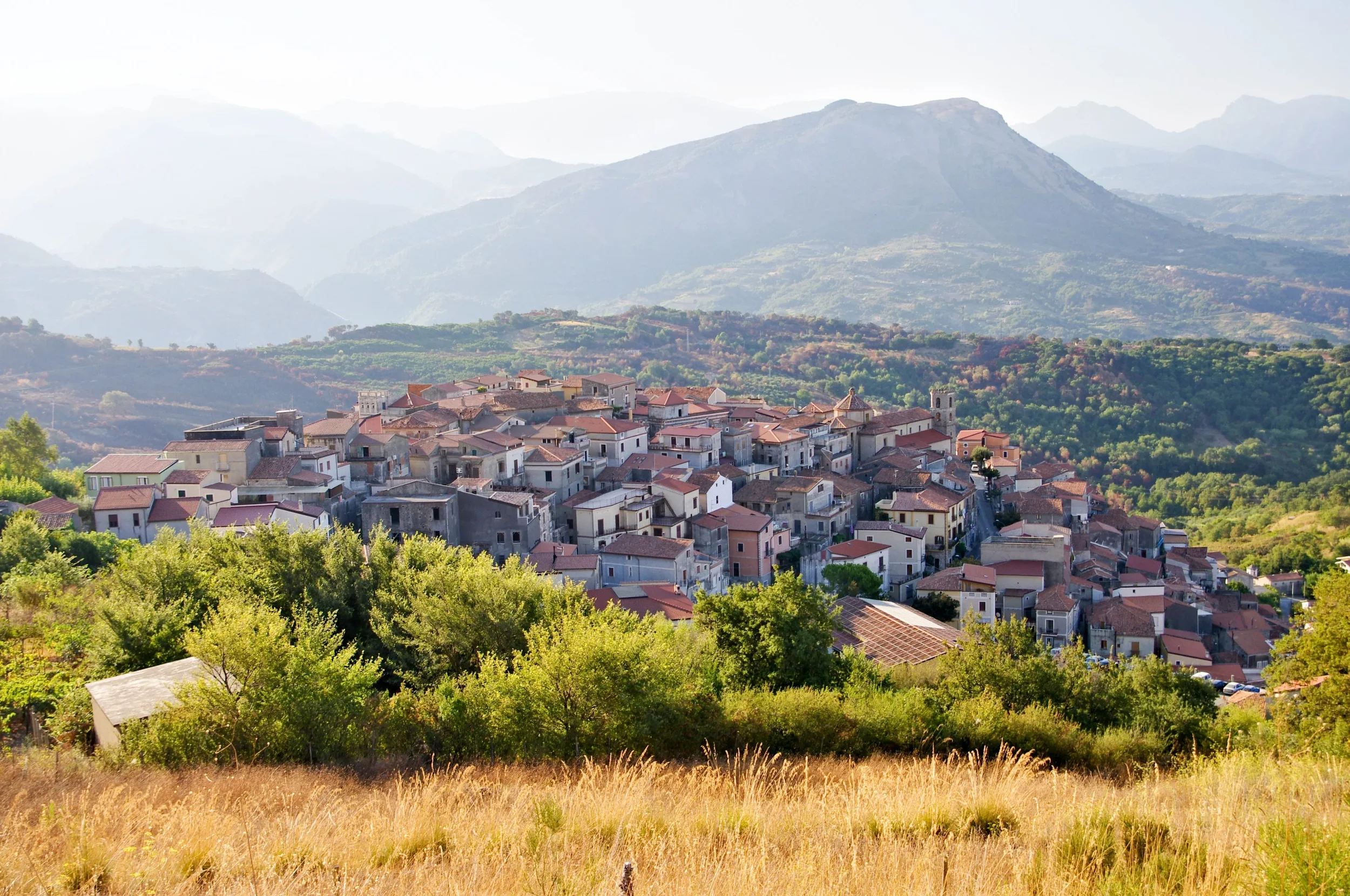
Ideal for exploring medieval villages, archaeological sites, hiking trails, and Molise’s beautiful countryside in mild weather with fewer visitors.
SUMMER
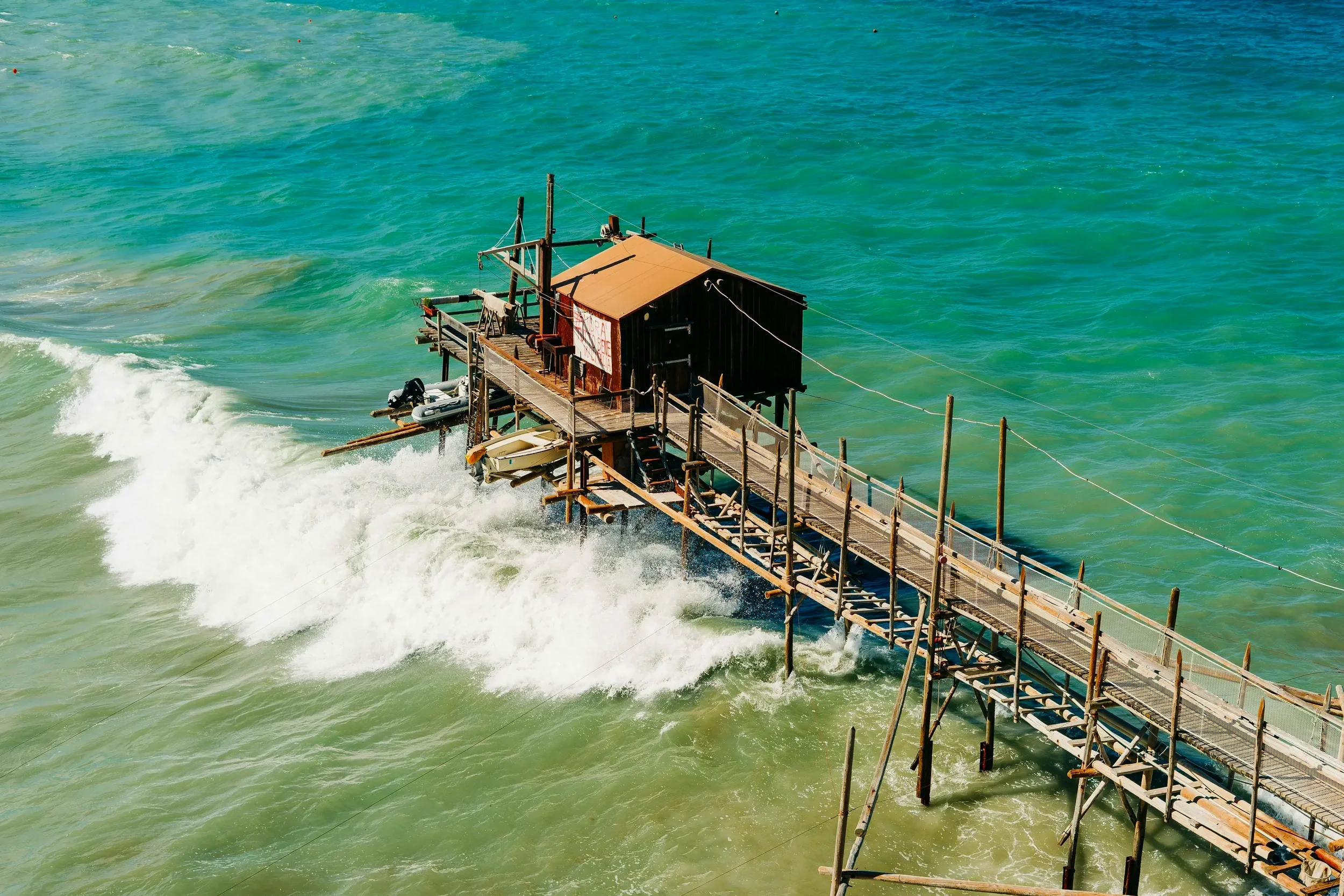
Perfect for lively village evenings, outdoor dining, mountain escapes, and beach days around Termoli, although the Adriatic Coast becomes busier in July and August.
AUTUMN
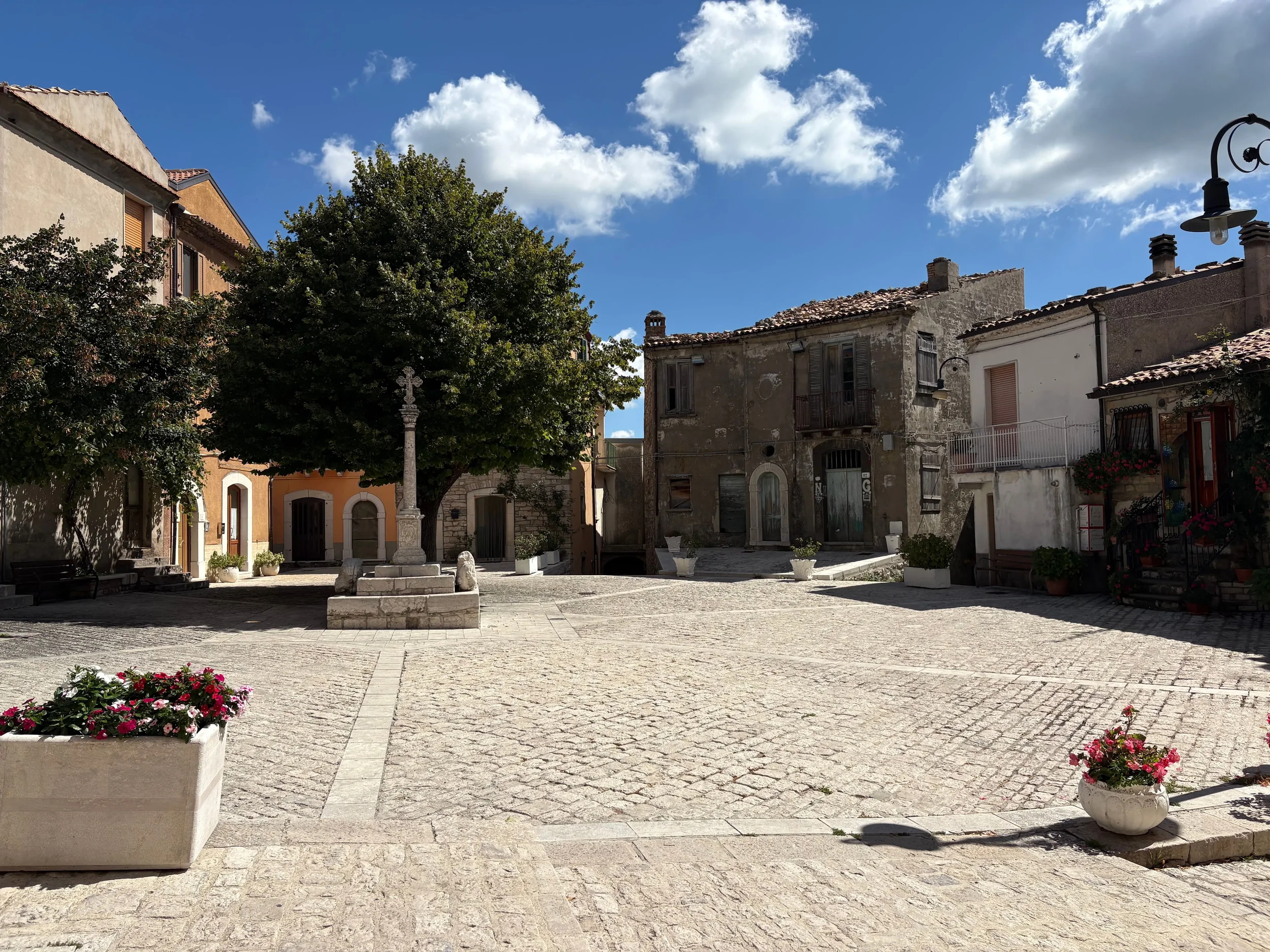
Pleasant temperatures, fewer tourists, beautiful countryside, and seasonal food traditions make autumn perfect for exploring Molise’s villages and landscapes by car.
WINTER
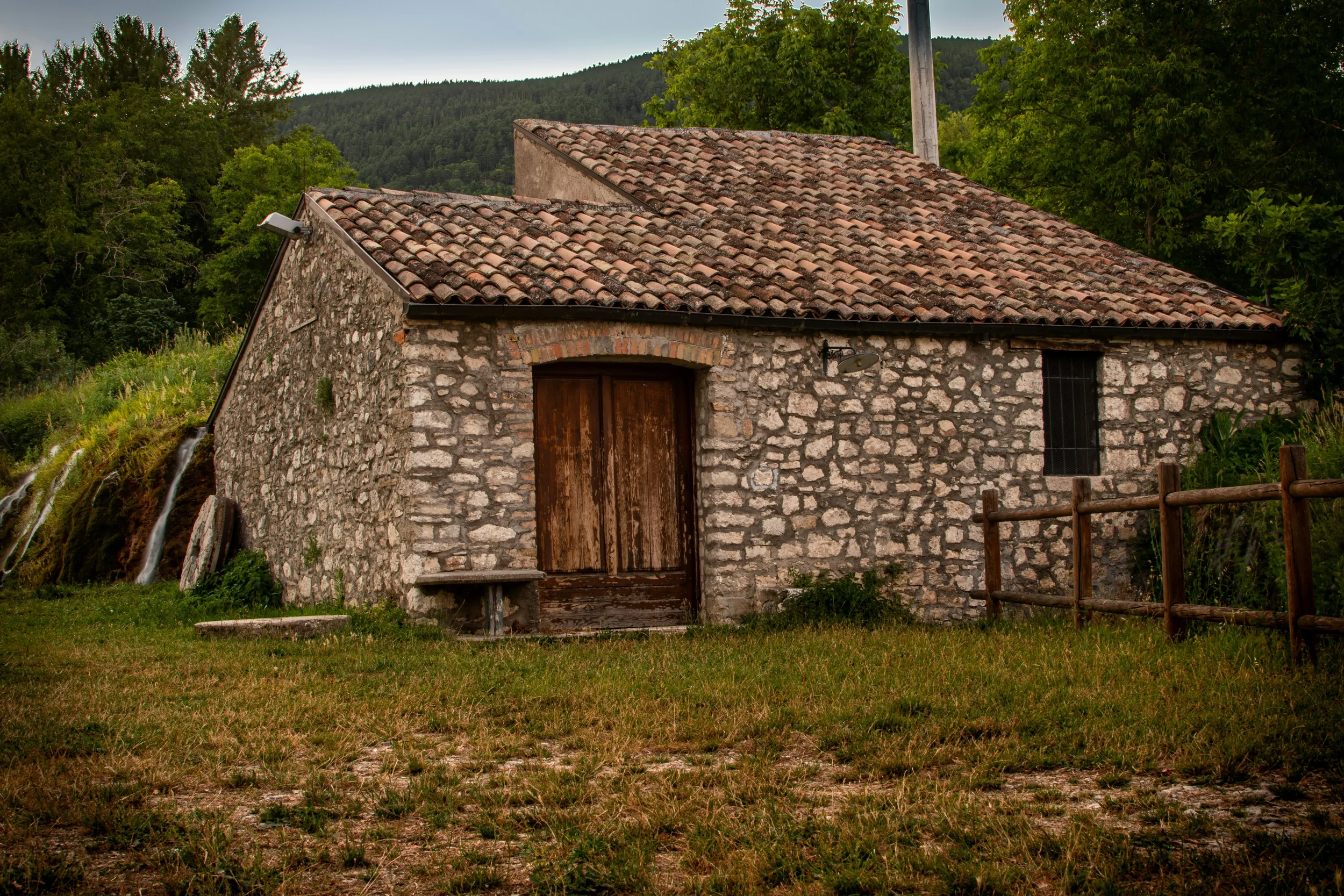
Best for experiencing peaceful villages, authentic local cuisine, mountain scenery, and traditional life, with snow possible across Molise’s higher areas.
TOP 10 HIDDEN GEMS IN MOLISE
Discover ten extraordinary places that showcase Molise beyond the tourist hotspots, each offering its own unique charm and authentic local atmosphere. Follow our five-day road trip to combine several of these places in one route.
10. Guardialfiera
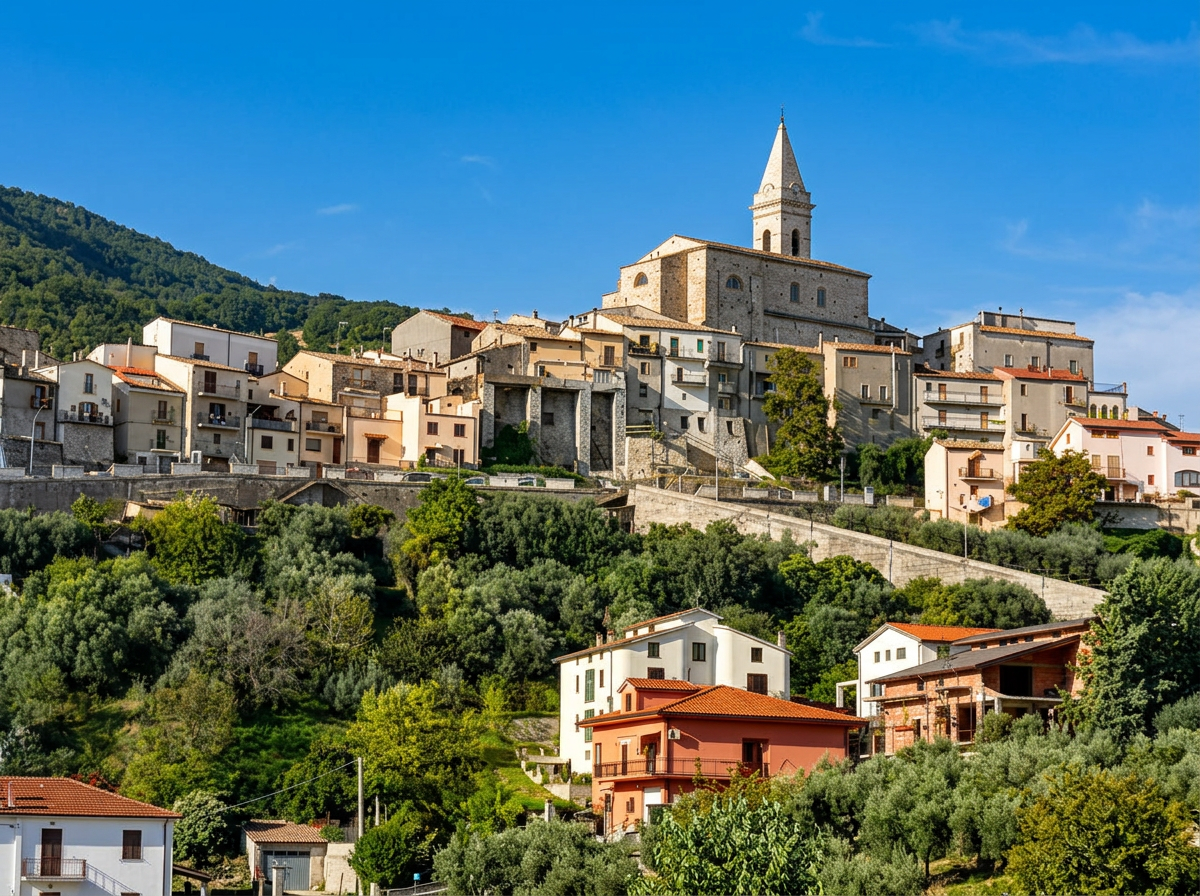
Overlooking the peaceful waters of Lake Guardialfiera, Guardialfiera is a charming hilltop village surrounded by the rolling landscapes of Molise. Wander through its narrow historic streets, discover ancient churches and stone houses, and enjoy sweeping views across the lake and countryside. The surrounding area is perfect for scenic drives and quiet escapes into nature. With its peaceful atmosphere, beautiful setting, and authentic character, Guardialfiera reveals a wonderfully undiscovered side of Molise.
9. Larino
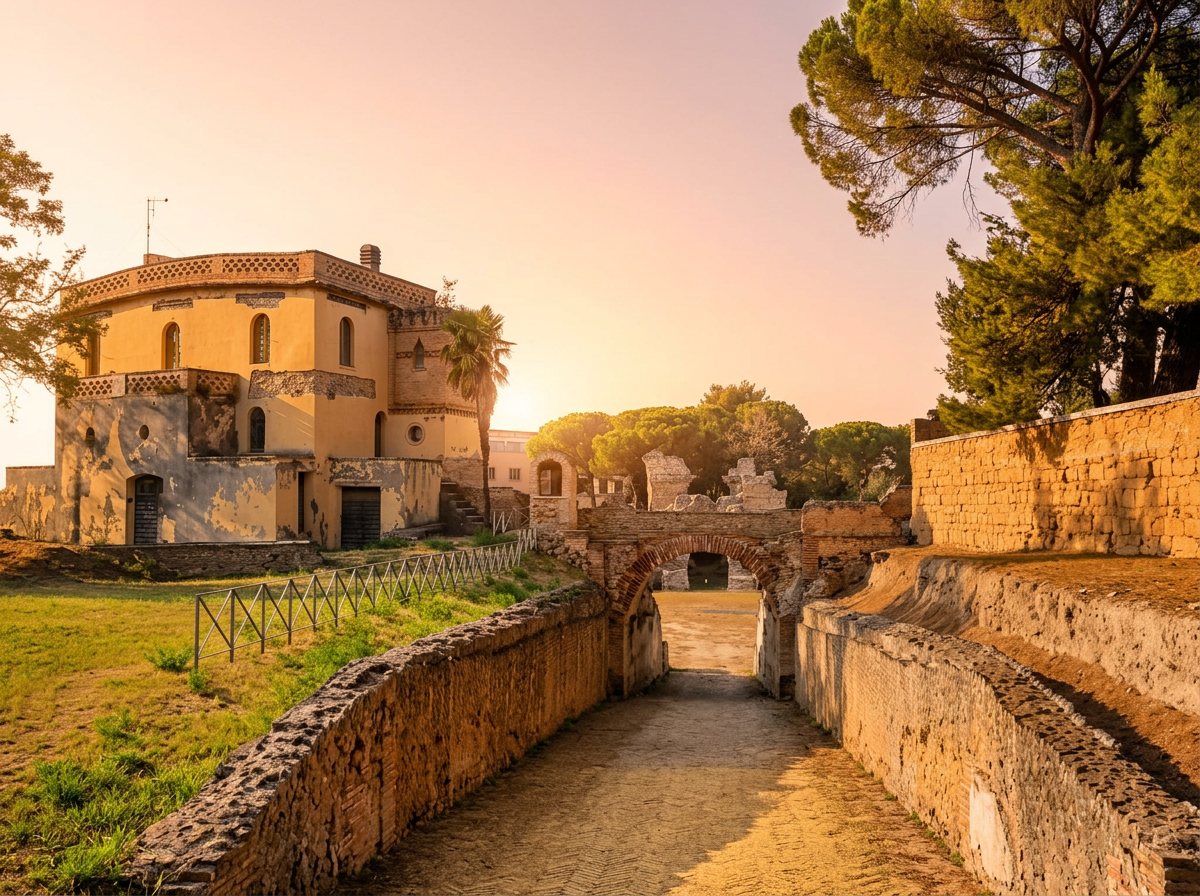
Larino offers a fascinating blend of ancient history and authentic small-town life in the rolling countryside of Molise. Explore the impressive Roman amphitheatre, wander through the historic centre, and admire the beautiful Romanesque-Gothic cathedral overlooking its quiet streets. Colourful houses, traditional piazzas, and surrounding farmland add to the town’s timeless atmosphere. With its remarkable archaeological heritage and peaceful character, Larino is one of Molise’s most rewarding lesser-known destinations. Combine it with Guardialfiera on day two of our Molise road trip.
8. Riccia
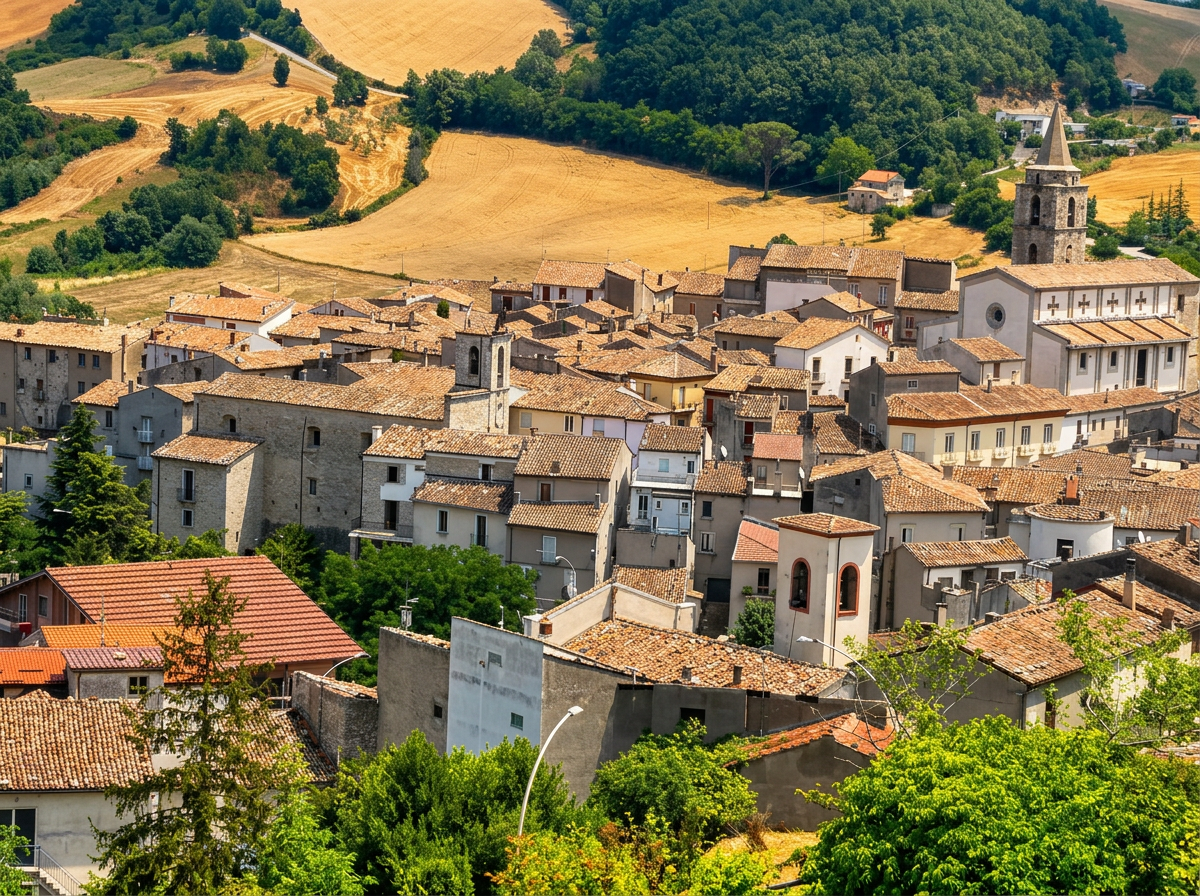
Riccia is a peaceful medieval village where narrow stone streets and centuries-old traditions reveal the authentic character of inland Molise. Wander through its historic centre, discover ancient churches and traditional houses, and explore the remains of the medieval castle overlooking the surrounding countryside. The village is especially known for its strong local traditions and rural atmosphere. With its timeless character, beautiful landscapes, and location far from the tourist trail, Riccia offers an authentic glimpse into everyday life in Molise.
7. Sepino
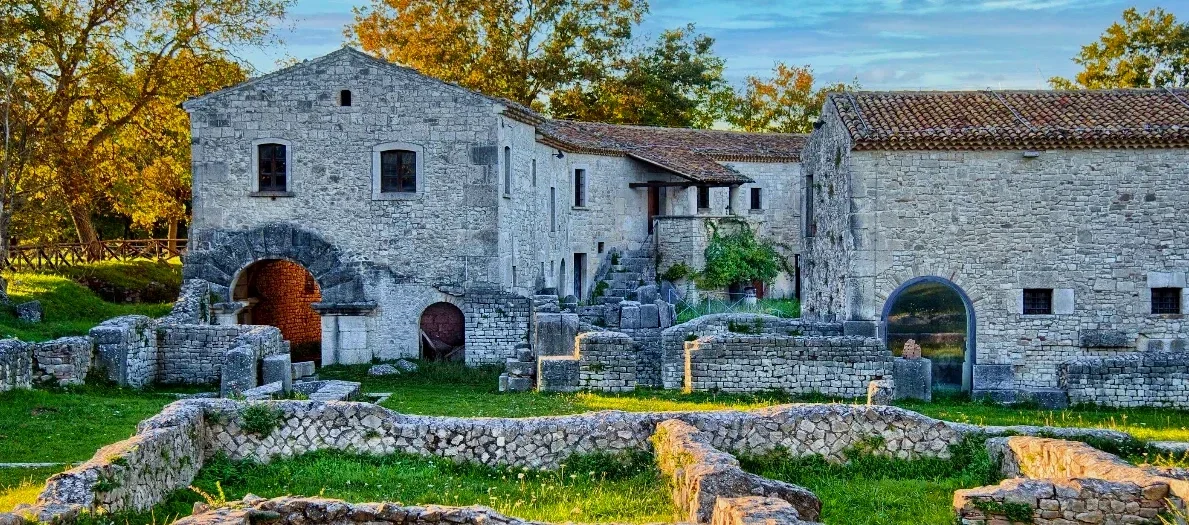
Sepino reveals one of Molise’s most fascinating layers of history, combining a peaceful medieval village with remarkable Roman ruins nearby. Explore the ancient archaeological site of Saepinum, where city walls, gates, a theatre, and stone streets remain beautifully preserved beneath the surrounding mountains. Then wander through Sepino’s quiet historic centre and experience its traditional local atmosphere. With its extraordinary Roman heritage, rural setting, and absence of large crowds, Sepino is one of Molise’s most fascinating hidden gems.
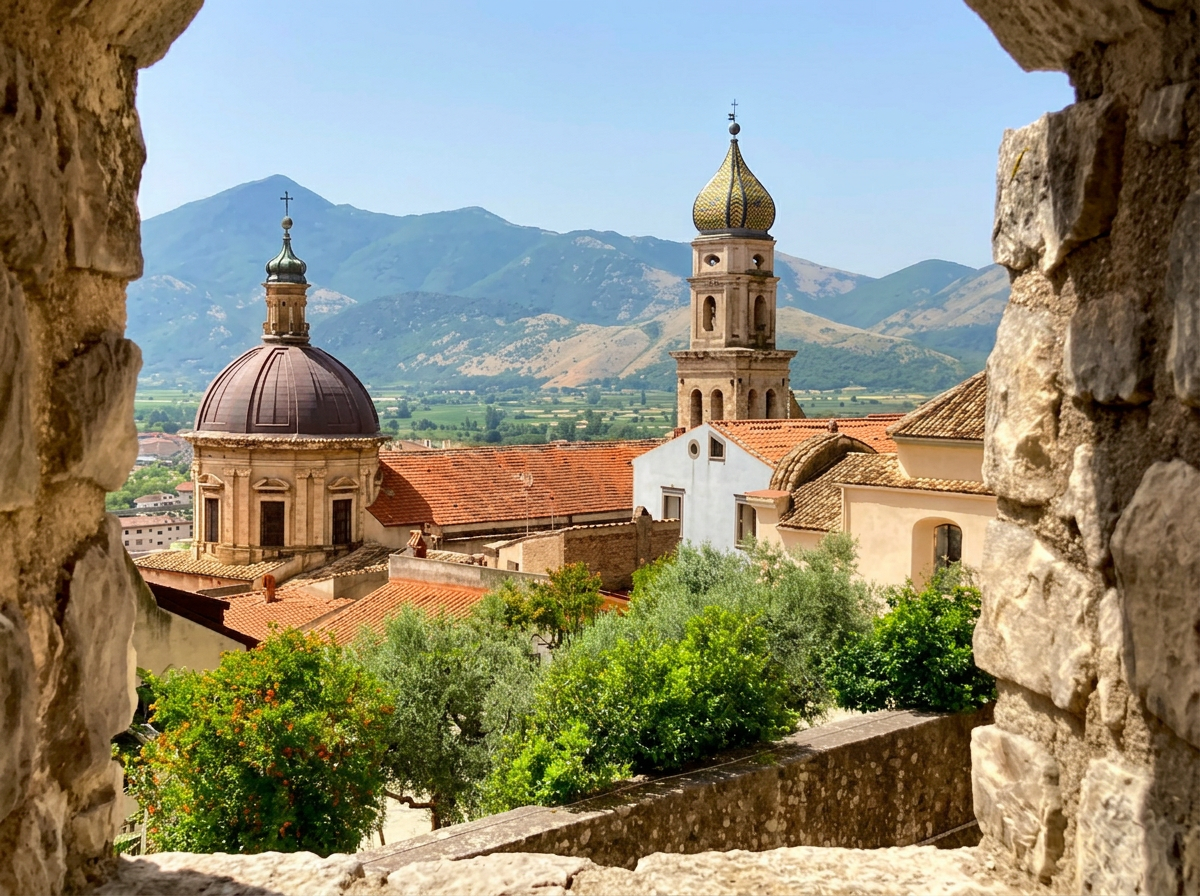
6. Venafro
Venafro combines ancient history, local traditions, and beautiful countryside in western Molise. Explore impressive Roman remains, wander through the atmospheric historic centre, and visit the medieval Pandone Castle overlooking the town. The surrounding hills are famous for centuries-old olive groves and a long tradition of producing high-quality olive oil. With its rich heritage, authentic atmosphere, and scenic setting, Venafro offers a fascinating glimpse into one of Molise’s lesser-known corners.
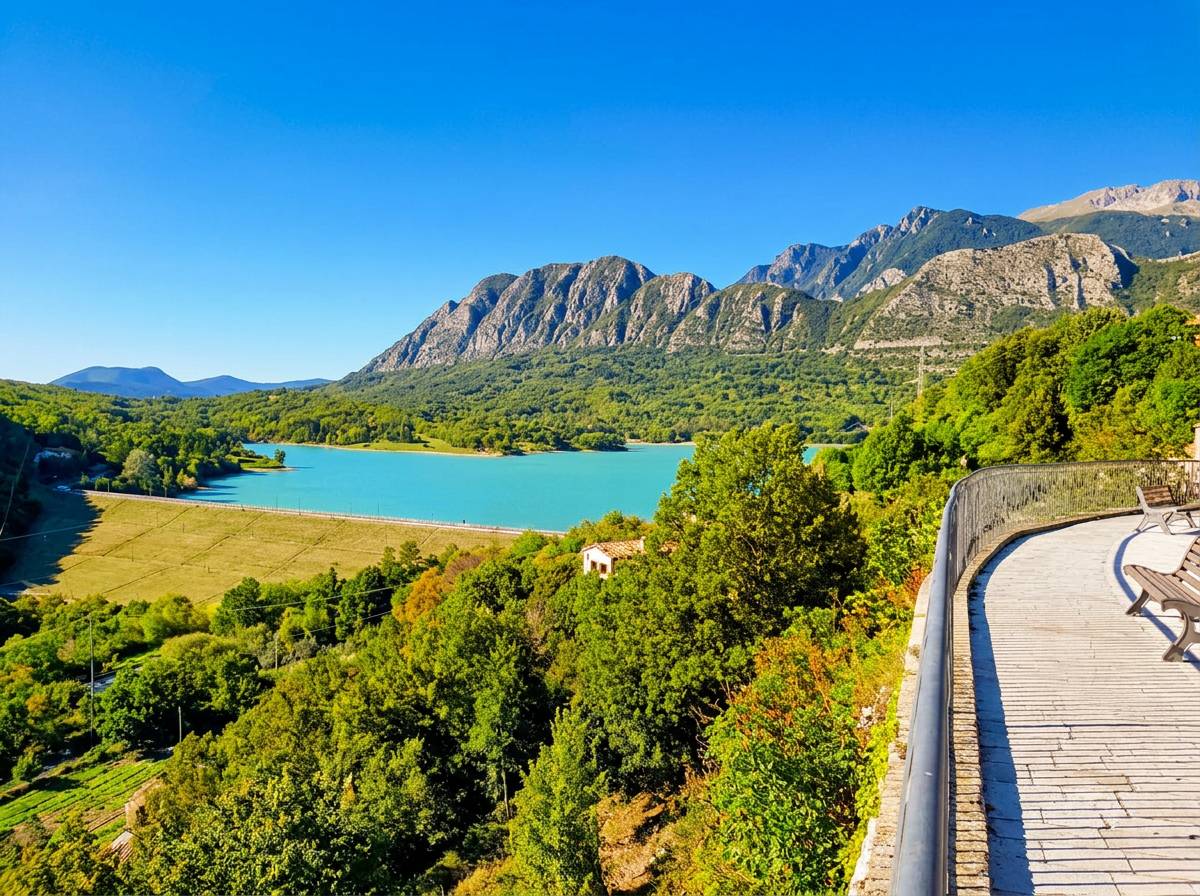
5. Castel San Vincenzo
Castel San Vincenzo combines a peaceful mountain village with one of Molise’s most beautiful natural settings. Wander through its quiet historic streets before heading down to the turquoise waters of Lago di Castel San Vincenzo, surrounded by the dramatic peaks of the Apennines. Just a few kilometres away lies the remarkable Abbazia di San Vincenzo al Volturno, making the two destinations perfect to combine on day four of our Molise itinerary. With its mountain scenery, clear waters, and fascinating history nearby, Castel San Vincenzo is one of Molise’s most rewarding hidden gems.
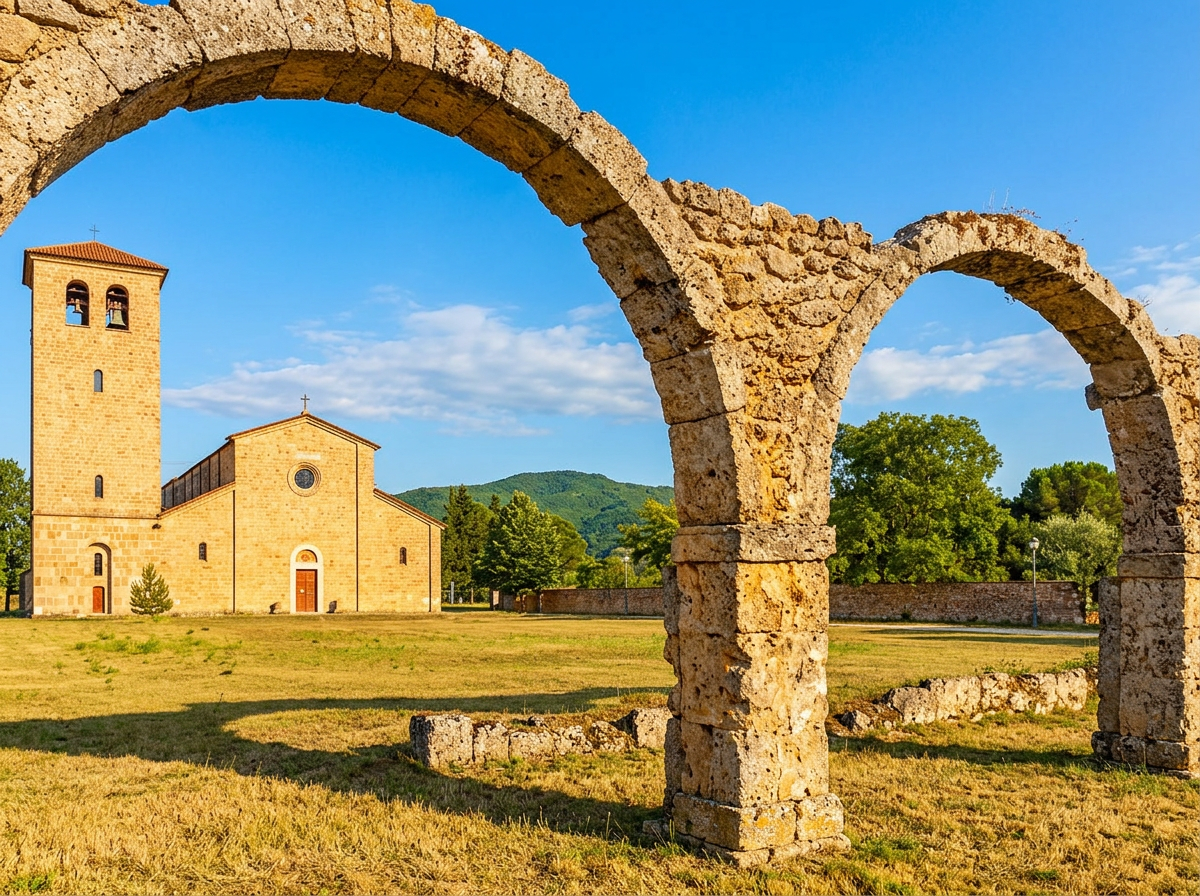
4. Abbazia di San Vincenzo
Abbazia di San Vincenzo al Volturno reveals a remarkable piece of Molise’s medieval past in a peaceful setting near the Apennine Mountains. Explore the remains of this ancient Benedictine monastery, discover fascinating archaeological ruins and centuries-old frescoes, and admire the surrounding landscape along the Volturno River. Once one of the most important monasteries in medieval Europe, the site feels remarkably tranquil today. With its rich history, secluded location, and beautiful natural surroundings, San Vincenzo al Volturno is one of Molise’s most fascinating hidden treasures.
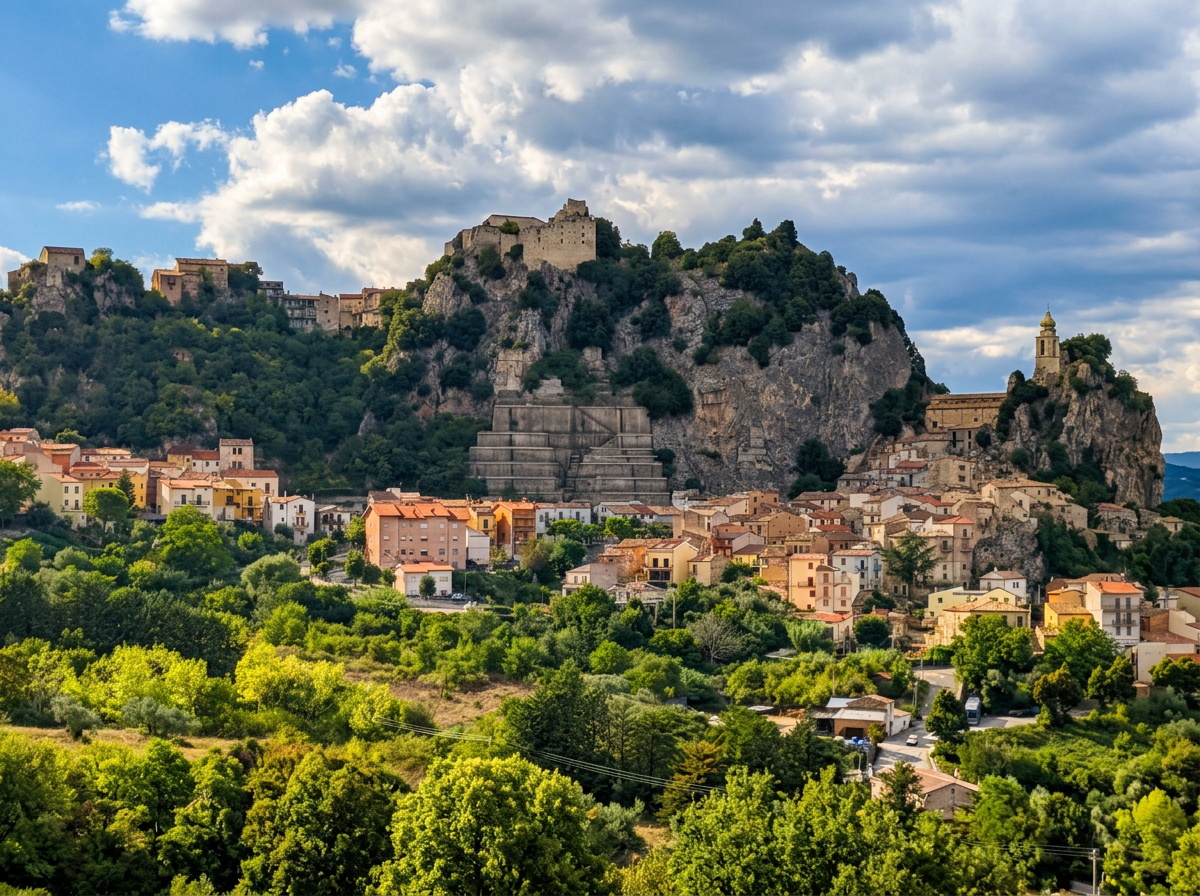
3. Bagnoli del Trigno
Bagnoli del Trigno rises dramatically between rocky cliffs in the hills of Molise, creating one of the region’s most striking village settings. Wander through its narrow medieval streets, admire stone houses built into the hillside, and climb towards the castle overlooking the surrounding valley. With its dramatic setting, historic character, and peaceful atmosphere, Bagnoli del Trigno is one of Molise’s most captivating hidden gems.
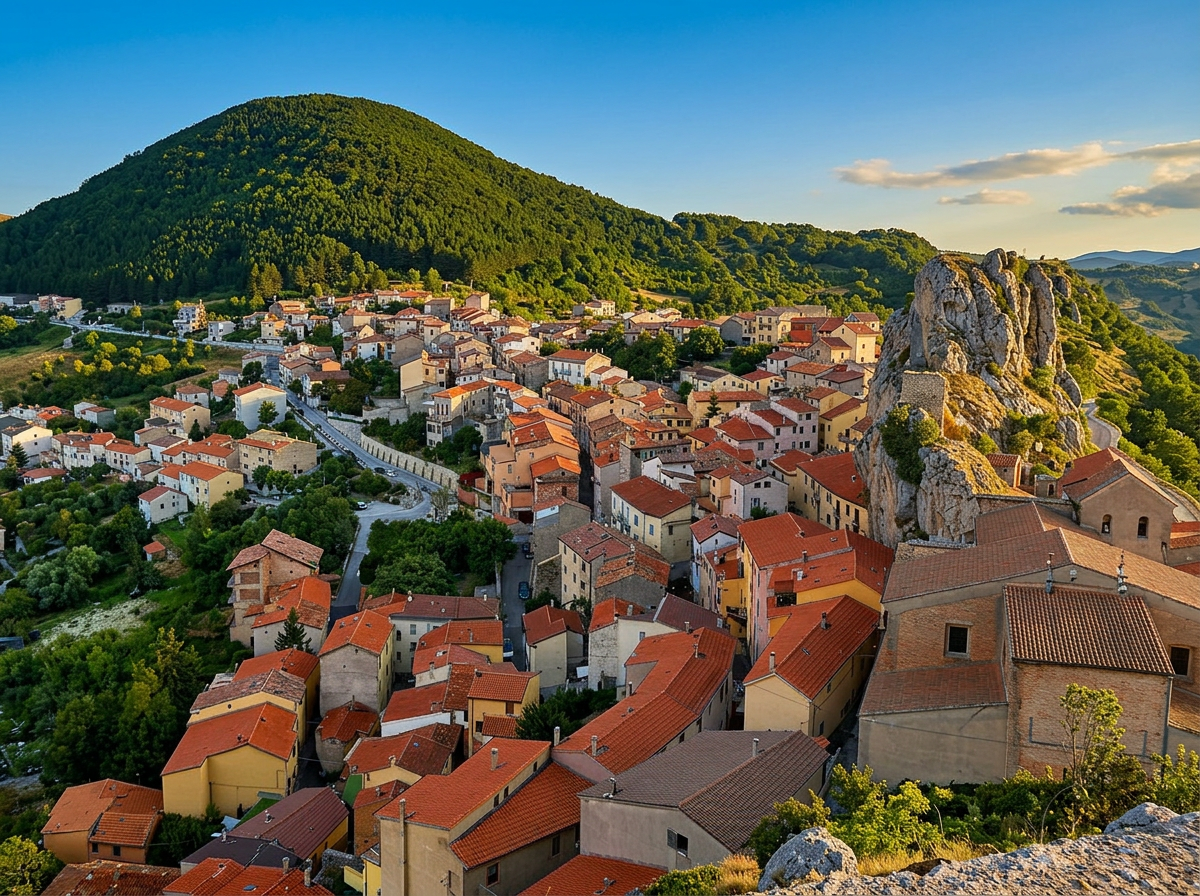
2. Pietrabbondante
Pietrabbondante combines spectacular mountain scenery with one of Molise’s most important archaeological treasures. Explore the ancient Samnite sanctuary, where a remarkably preserved theatre and temple complex overlook the Trigno Valley from nearly 1,000 metres above sea level. With its fascinating history, ancient ruins, and dramatic setting, Pietrabbondante is one of Molise’s most remarkable hidden gems.
1. Termoli
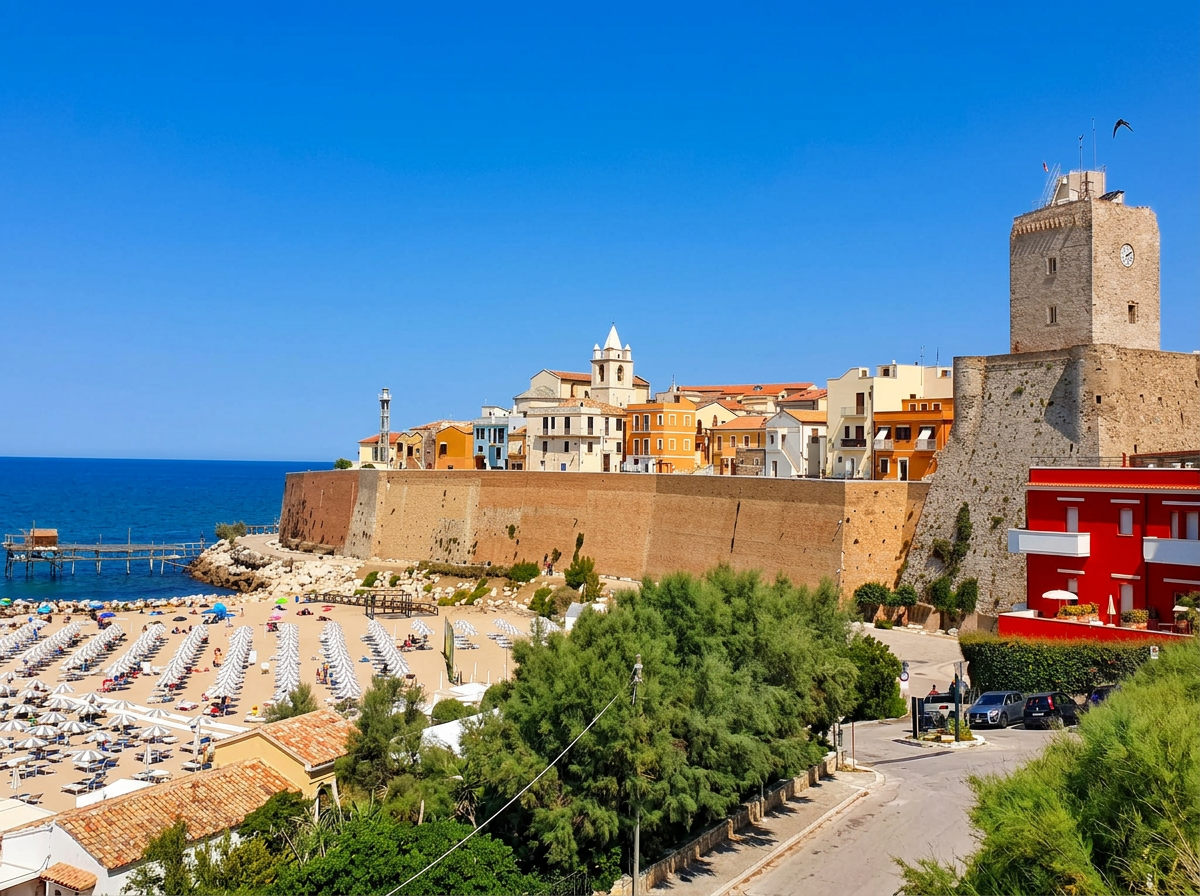
Termoli brings a completely different side of Molise to the Adriatic Coast, combining a colourful seaside setting with centuries of history. Wander through the narrow streets of the Borgo Antico, explore the imposing Castello Svevo, and admire sweeping views across the sea from the old town walls. Below, long sandy beaches stretch along the coastline, while traditional seafood restaurants reflect the town’s maritime heritage. With its historic charm, lively atmosphere, and beautiful coastal setting, Termoli is one of Molise’s most rewarding destinations and the starting point of our five-day Molise itinerary.
Practical Travel Tips
Everything you need to know before exploring Molise. For a daily route and overnight bases, use our 5-day itinerary; for the coast, see our five favourite Molise beaches.
✈️ Best Airport
Naples Airport is generally the most convenient gateway for exploring inland and western Molise, while Pescara Airport is useful for Termoli and the Adriatic Coast. Renting a car from either airport makes exploring the region much easier.
🛣️ Driving in Molise
Driving is the best way to explore Molise, especially when visiting mountain villages, archaeological sites, and remote areas. Roads are generally quiet, but expect winding mountain routes, steep sections, and slower journeys through the countryside.
🅿️ Parking
Most towns and villages have parking areas outside their historic centres, making it easy to continue exploring on foot. Avoid entering ZTL (Limited Traffic Zone) areas unless permitted, and always check local signs before parking.
💳 Cash or Card?
Cards are widely accepted at hotels, restaurants, shops, and larger businesses throughout Molise. However, carrying some cash is useful when visiting smaller villages, local markets, parking machines, family-run businesses, or more remote mountain areas.
Frequently Asked Questions
-
A rental car is highly recommended. Public transport connects some larger towns, but many of Molise’s mountain villages, archaeological sites, natural areas, and hidden gems are much easier to reach by car.
-
Molise is known for its ancient Samnite and Roman heritage, medieval villages, traditional cuisine, rugged Apennine landscapes, and Adriatic coastline. It is also one of Italy’s smallest and least-visited regions.
-
May, June, September, and early October are excellent for exploring Molise, with pleasant temperatures and fewer crowds. Summer is also ideal for the coast and lively village evenings, especially around Termoli.
-
Choose inland Molise for mountain villages, hiking, ancient ruins, and a quieter rural experience. Choose the Adriatic Coast for beaches, seafood, and historic Termoli. With enough time, combining both reveals the region’s remarkable variety.
-
Yes. Molise is one of Italy’s least explored regions, combining medieval villages, ancient archaeological sites, beautiful mountains, authentic cuisine, and a peaceful Adriatic coastline with remarkably few international tourists.
-
Yes, Molise is generally very safe for tourists. As elsewhere in Italy, take normal precautions with valuables and when parking your car, particularly around busier attractions and larger towns.
-
Three to five days is enough to experience several highlights, while 5 to 7 days is ideal for a relaxed trip combining historic villages, archaeological sites, mountain landscapes, and the Adriatic Coast.
-
Molise is generally one of Italy’s more affordable regions. Accommodation, restaurants, and local experiences often offer excellent value, particularly compared with more famous destinations such as Tuscany, the Amalfi Coast, and nearby Puglia.