Veneto
Discover Veneto through its medieval villages, spectacular Dolomites, historic towns, authentic cuisine, and beautiful landscapes beyond the tourist trail.
Why visit Veneto?
Beyond Venice
Veneto offers far more than its famous capital, combining medieval villages, elegant historic towns, spectacular mountains, peaceful countryside, and beautiful lakes. Venture beyond Venice and you’ll discover a remarkably diverse region filled with authentic places that receive far fewer international visitors.
Historic Towns & Medieval Villages
Centuries of history can be found throughout Veneto’s walled towns and atmospheric villages. Explore cobbled streets, ancient castles, elegant piazzas, and beautifully preserved architecture in places that reveal a quieter side of northern Italy.
Authentic Flavours & Local Traditions
Veneto’s cuisine changes dramatically between the mountains, countryside, and Adriatic coast. Taste handmade pasta, creamy risotto, local cheeses, fresh seafood, traditional cicchetti, and regional wines such as Prosecco and Amarone.
Dolomites, Lakes & Wild Landscapes
From the dramatic peaks of the Dolomites to Lake Garda and the foothills of the Alps, Veneto offers spectacular natural variety. Hike through mountain valleys, explore peaceful lakeshores, or follow scenic roads through vineyards and rolling countryside.
Discover Veneto Beyond the Crowds
From mountain villages and medieval towns to vineyard-covered hills and beautiful lakes, Veneto rewards travellers who explore beyond Venice. Venture off the usual tourist trail and discover some of northern Italy’s most captivating hidden gems.
Best time to visit
Spring
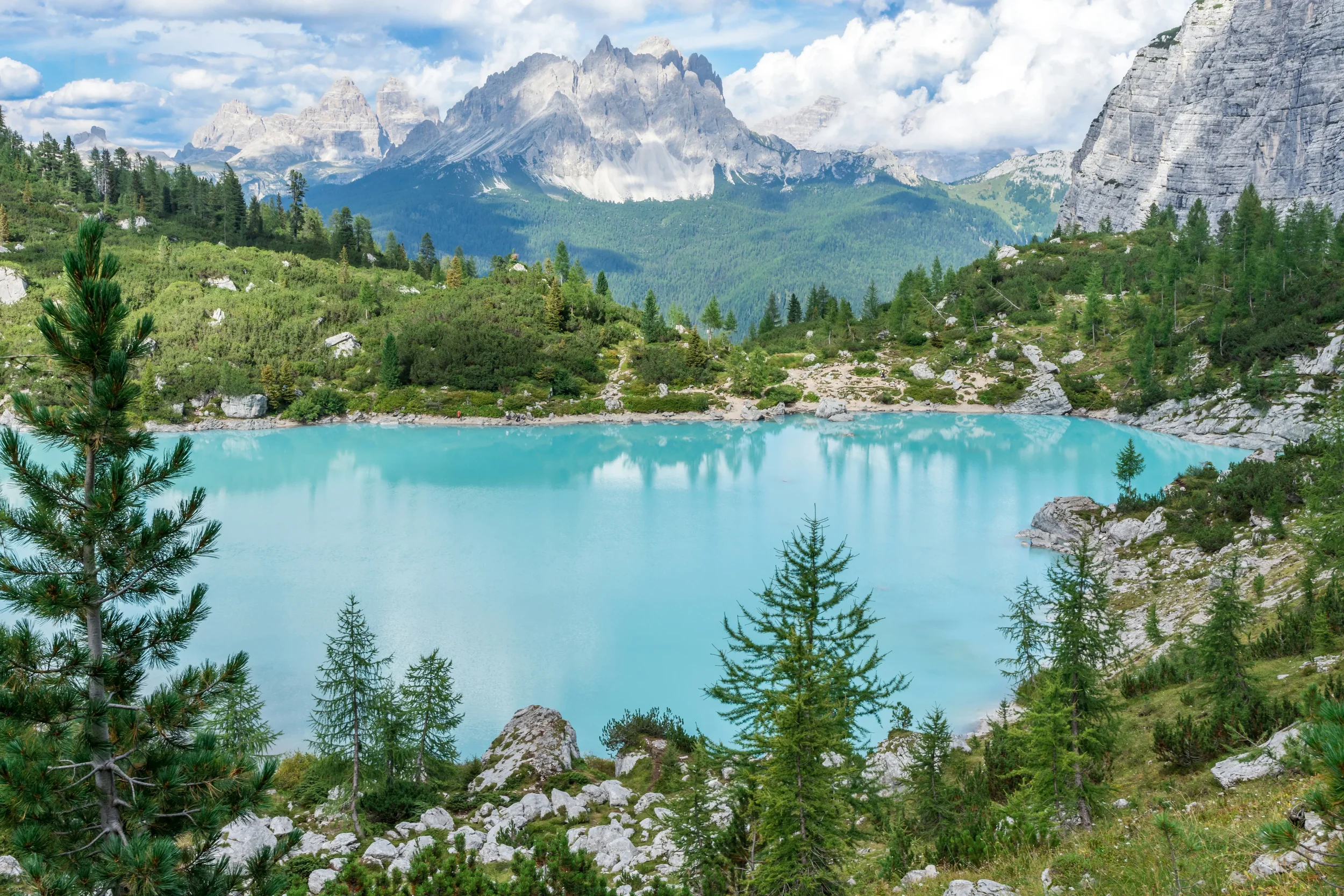
Ideal for exploring historic towns, medieval villages, vineyard landscapes, and Veneto’s countryside in pleasant weather with fewer visitors.
SUMMER
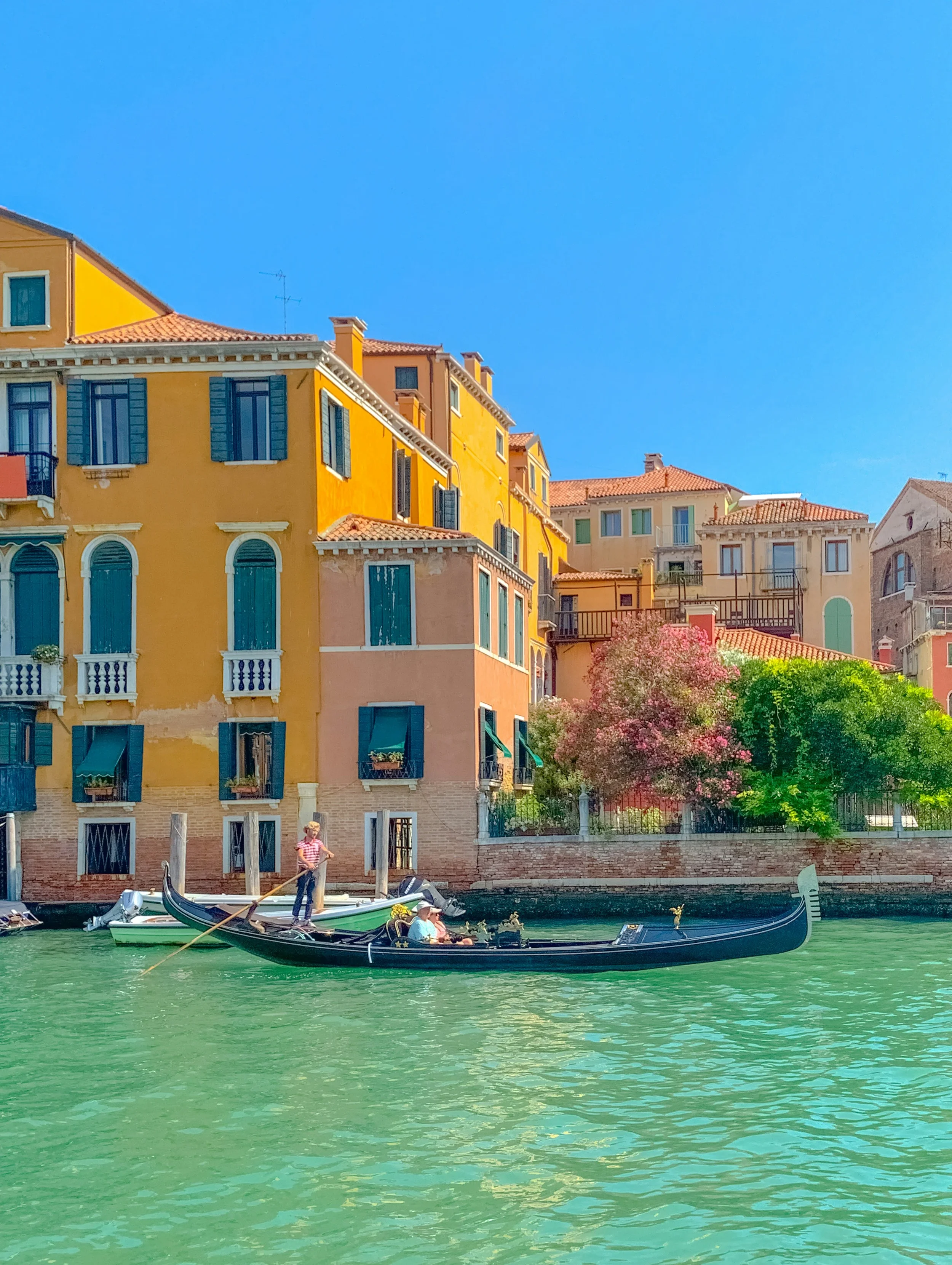
Perfect for hiking in the Dolomites, relaxing around Lake Garda, outdoor dining, and lively evenings in towns and villages, although popular destinations become much busier in July and August.
AUTUMN
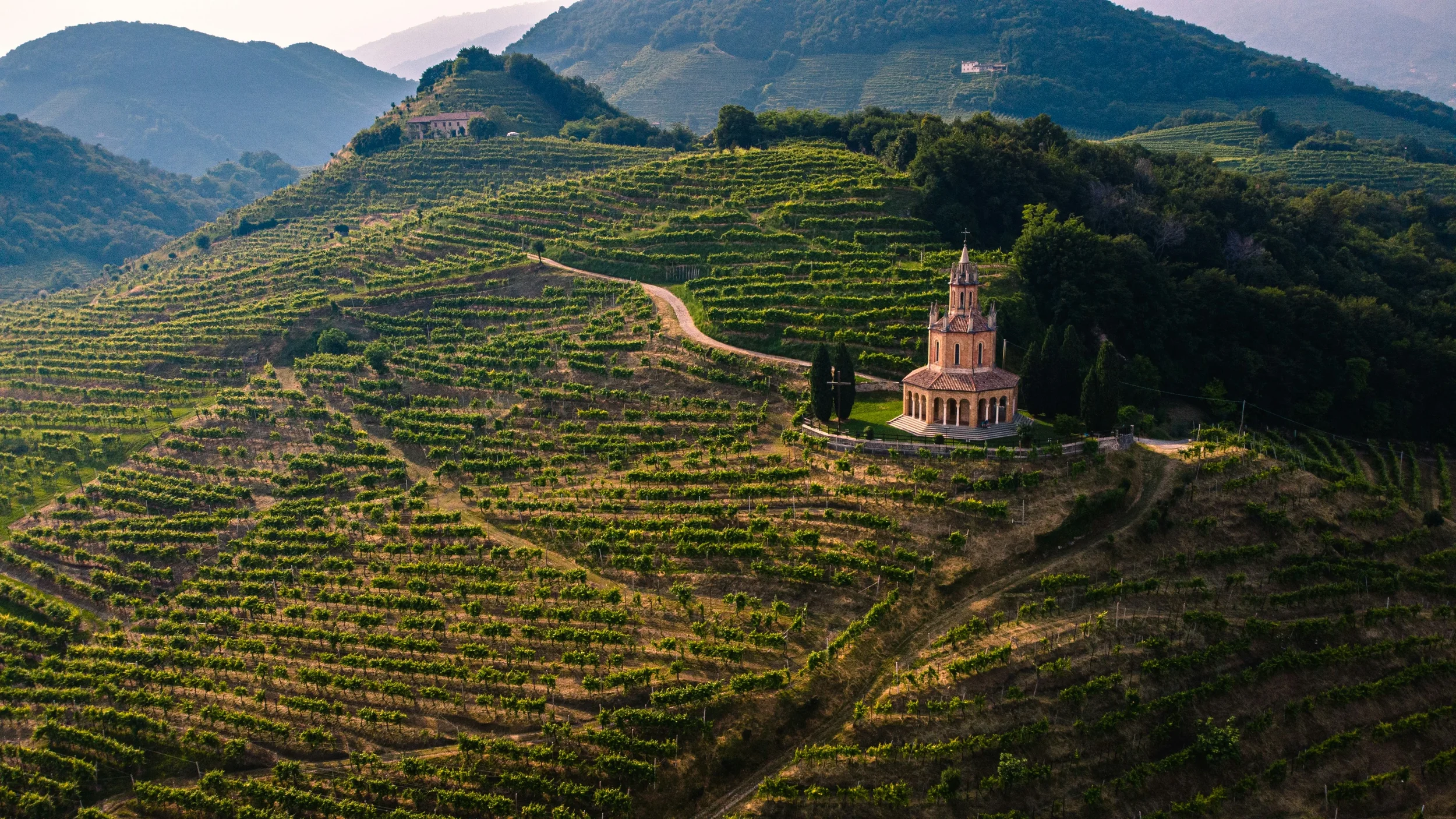
Pleasant temperatures, colourful landscapes, fewer tourists, and the grape harvest make autumn perfect for exploring Veneto’s wine regions, historic towns, and countryside.
WINTER
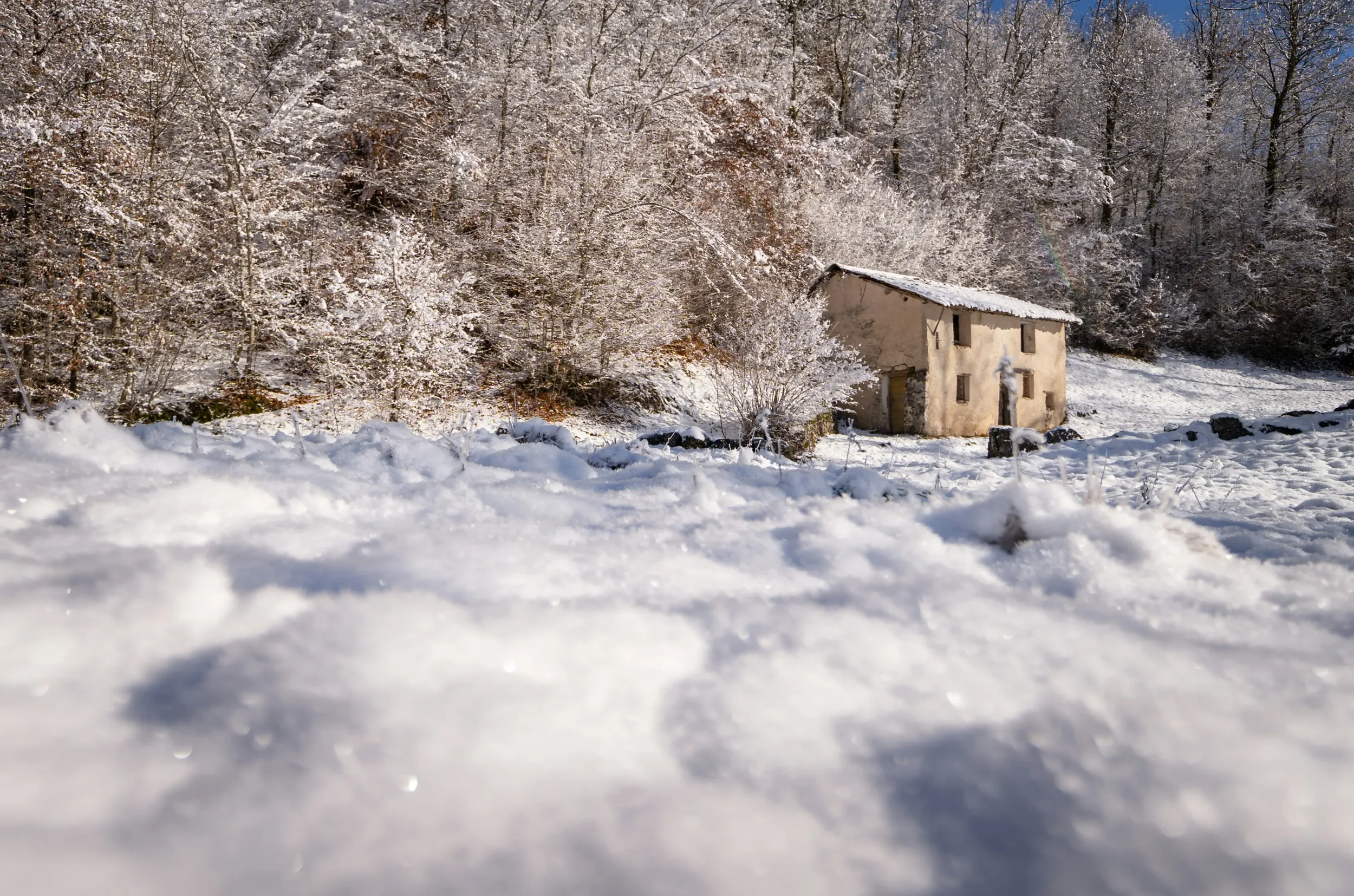
Best for skiing and mountain escapes in the Dolomites, exploring atmospheric cities and villages, enjoying traditional cuisine, and experiencing Veneto’s beautiful winter scenery.
TOP 10 HIDDEN GEMS IN VENETO
Discover ten extraordinary places that showcase Veneto beyond the tourist hotspots, each offering its own unique charm and authentic local atmosphere.
10. Portobuffolé
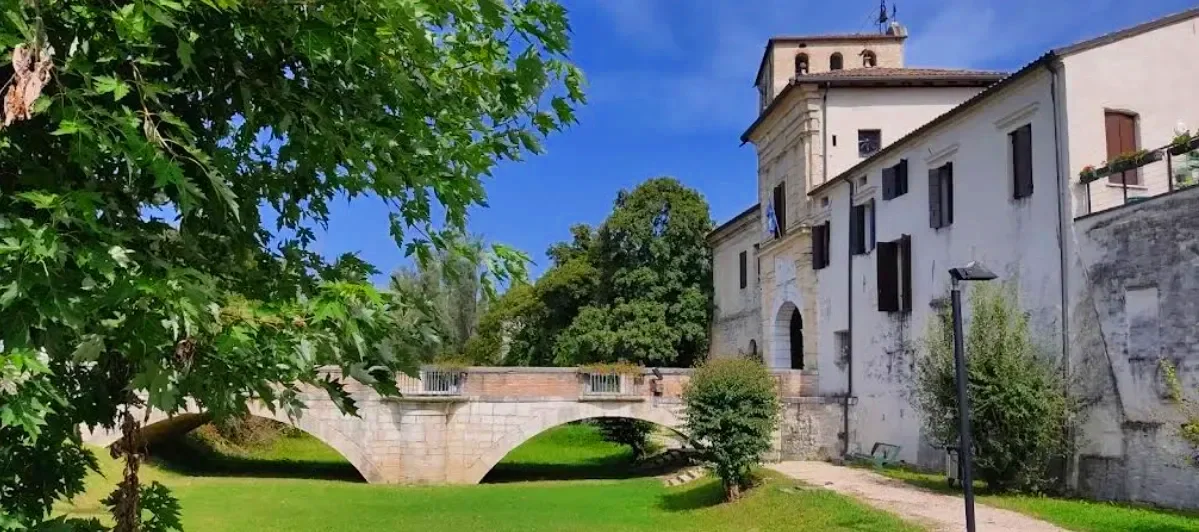
Portobuffolé offers a beautifully preserved glimpse into medieval Veneto, with elegant palazzi, narrow streets, and peaceful piazzas hidden far from the region’s busiest destinations. Wander through its tiny historic centre, discover colourful buildings and ancient archways, and admire the distinctive Torre Civica rising above the town. Despite its small size, centuries of history can be found around every corner. With its timeless atmosphere and authentic character, Portobuffolé is one of Veneto’s most charming hidden gems.
9. Molina
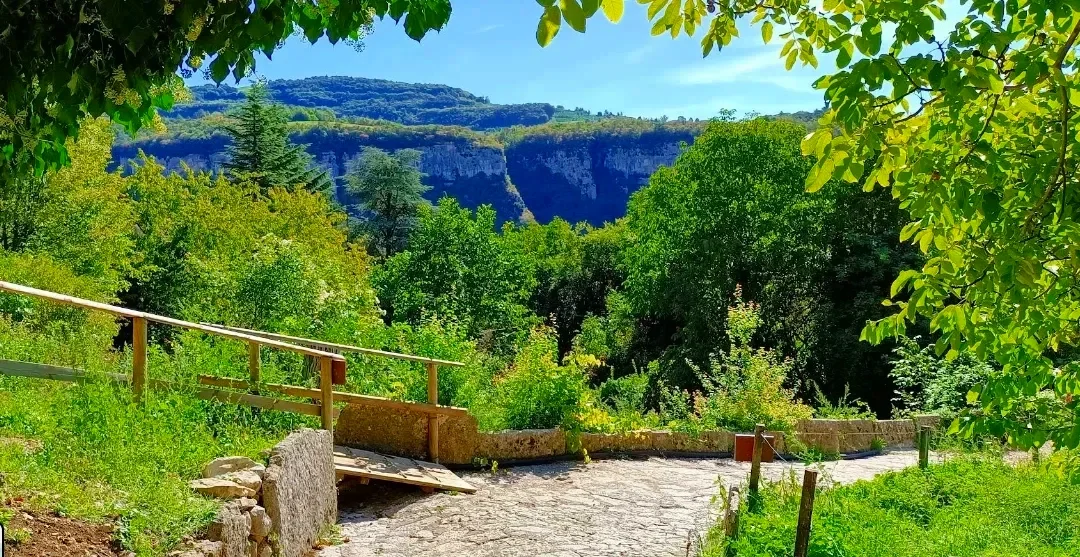
Molina offers a peaceful escape into the green hills of Veneto, where traditional stone houses and narrow streets are surrounded by forests and dramatic scenery. Just outside the village, the Parco delle Cascate di Molina features waterfalls, streams, caves, and scenic walking trails through a beautiful natural landscape. Explore the historic village before heading into the park for a completely different side of the region. With its combination of nature and authentic village charm, Molina is one of Veneto’s most refreshing hidden gems.
8. Feltre
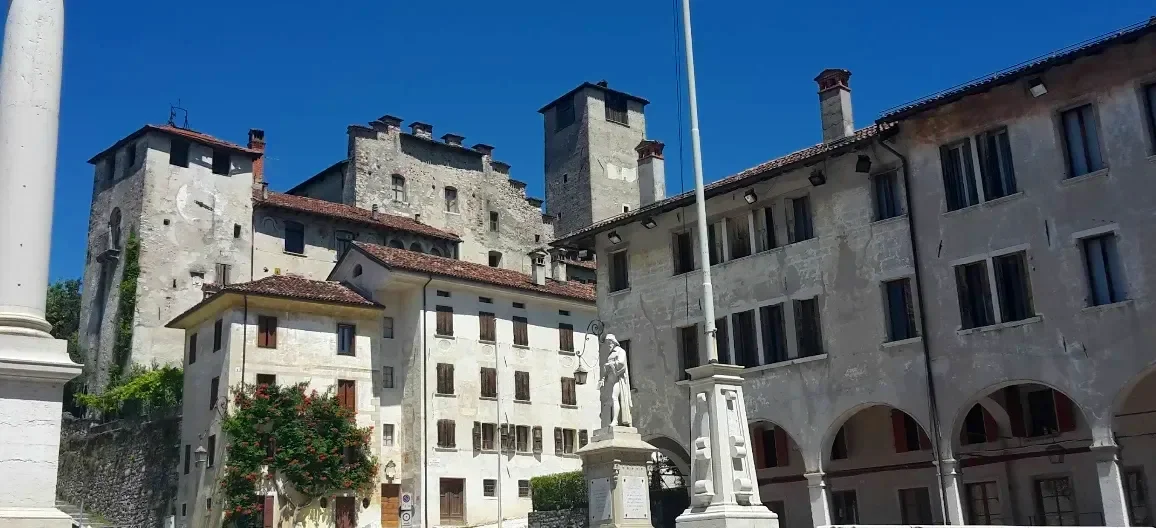
Feltre combines Renaissance elegance with a spectacular setting at the foot of the Dolomites. Wander through its beautifully preserved historic centre, where colourful palazzi, arcaded streets, and peaceful piazzas reveal centuries of history. Explore Piazza Maggiore and the surrounding medieval lanes before enjoying views towards the nearby mountains. With its elegant architecture, authentic atmosphere, and location away from Veneto’s busiest destinations, Feltre is one of the region’s most rewarding hidden gems.
7. Montagnana
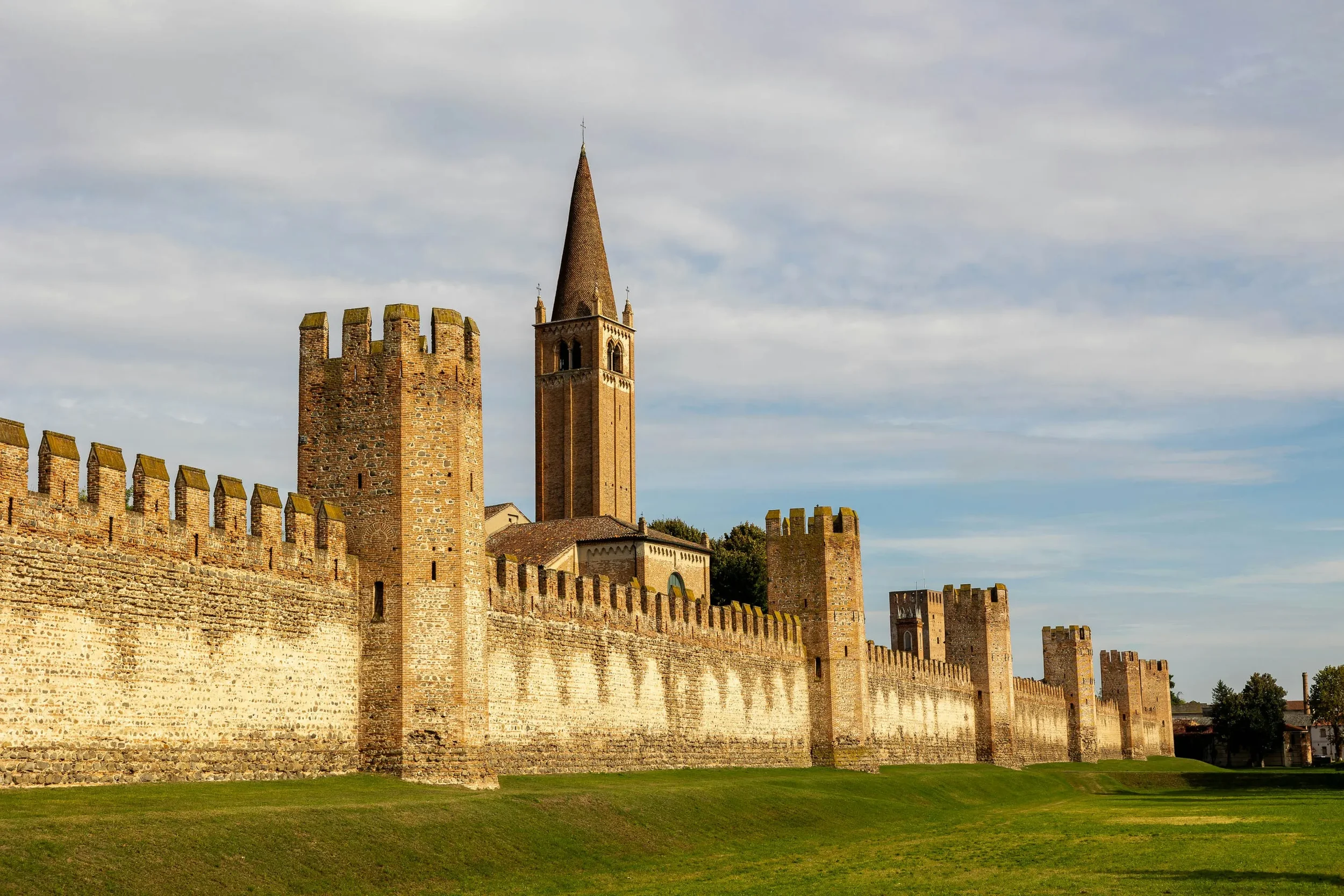
Montagnana offers one of Veneto’s most impressive medieval settings, surrounded by remarkably preserved city walls and defensive towers. Wander through its historic centre, explore elegant piazzas and colourful streets, and admire the magnificent Duomo. With its remarkable architecture, rich history, and authentic atmosphere, Montagnana is one of Veneto’s most fascinating hidden gems.
6. Arquà Petrarca
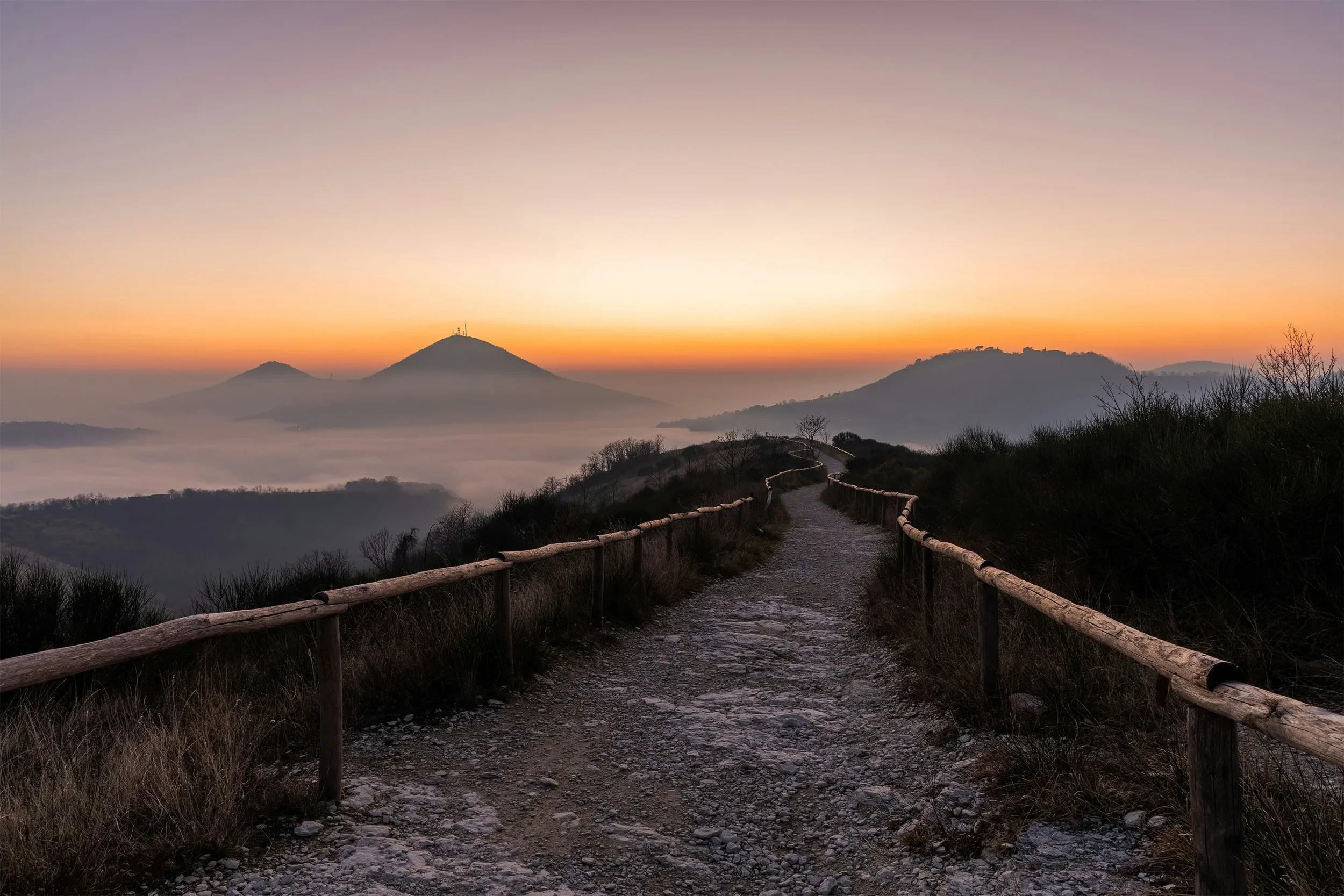
Arquà Petrarca captures the beauty of Veneto’s Euganean Hills, with medieval streets and stone houses surrounded by green landscapes. Wander through its historic centre, visit the former home of poet Francesco Petrarca, and discover peaceful piazzas and panoramic viewpoints. With its literary heritage, historic charm, and vineyard-covered surroundings, Arquà Petrarca is one of Veneto’s most enchanting villages.
5. Lago di Misurina
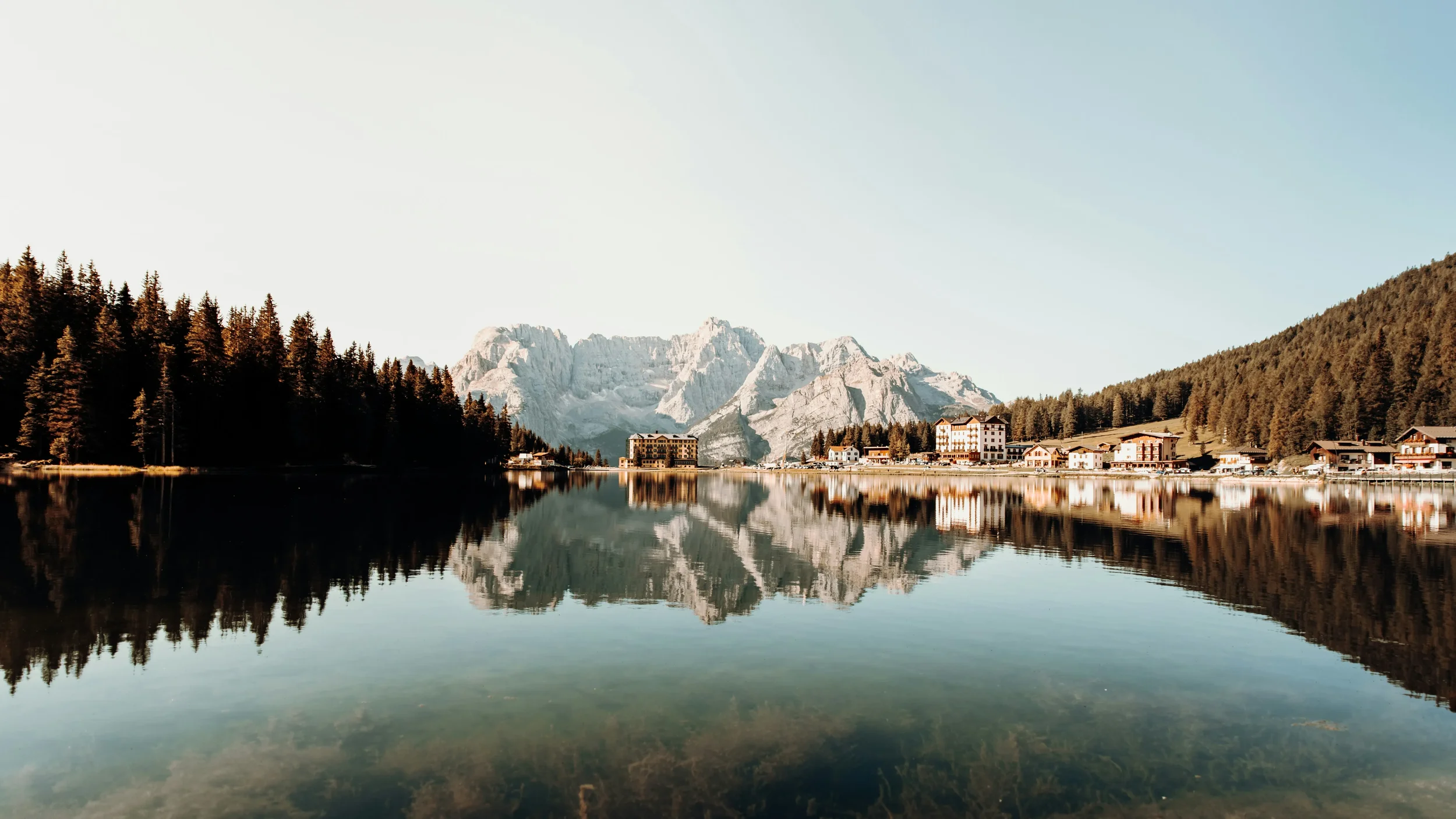
Lago di Misurina offers a spectacular mountain setting surrounded by the dramatic Dolomites. Follow the path around the crystal-clear lake, admire the mountain reflections, or explore nearby hiking trails. With its clear waters, forests, and towering peaks, Lago di Misurina is one of Veneto’s most beautiful natural escapes.
4. Cison di Valmarino
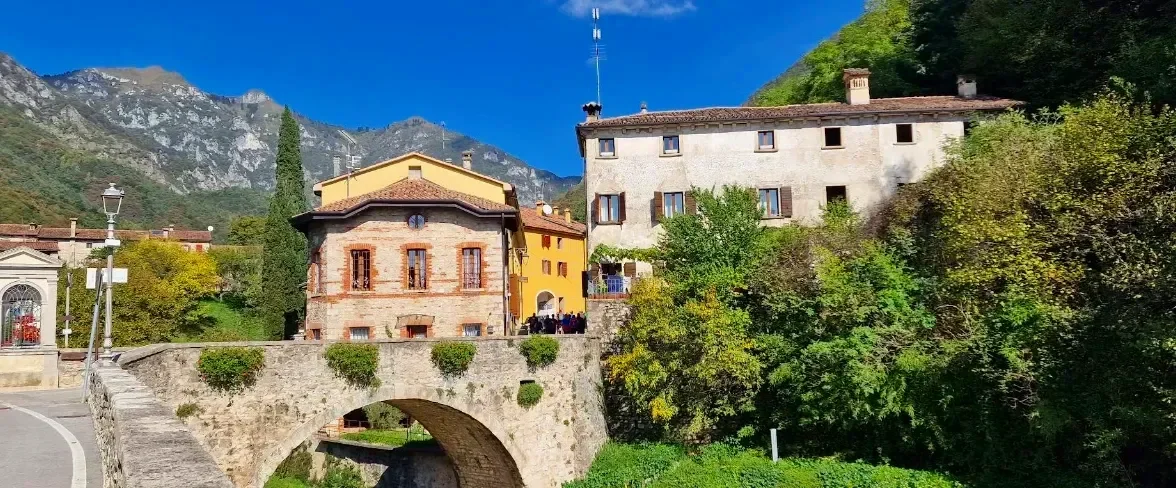
Cison di Valmarino combines historic village charm with the green landscapes of Veneto’s Prosecco Hills. Wander through its narrow streets, discover stone houses and peaceful piazzas, and follow the scenic Via dei Mulini past old watermills and streams. Above the village, the impressive CastelBrando overlooks the surrounding valley and mountains. With its beautiful setting, historic character, and authentic atmosphere, Cison di Valmarino is one of Veneto’s most rewarding hidden gems.
3. Asolo
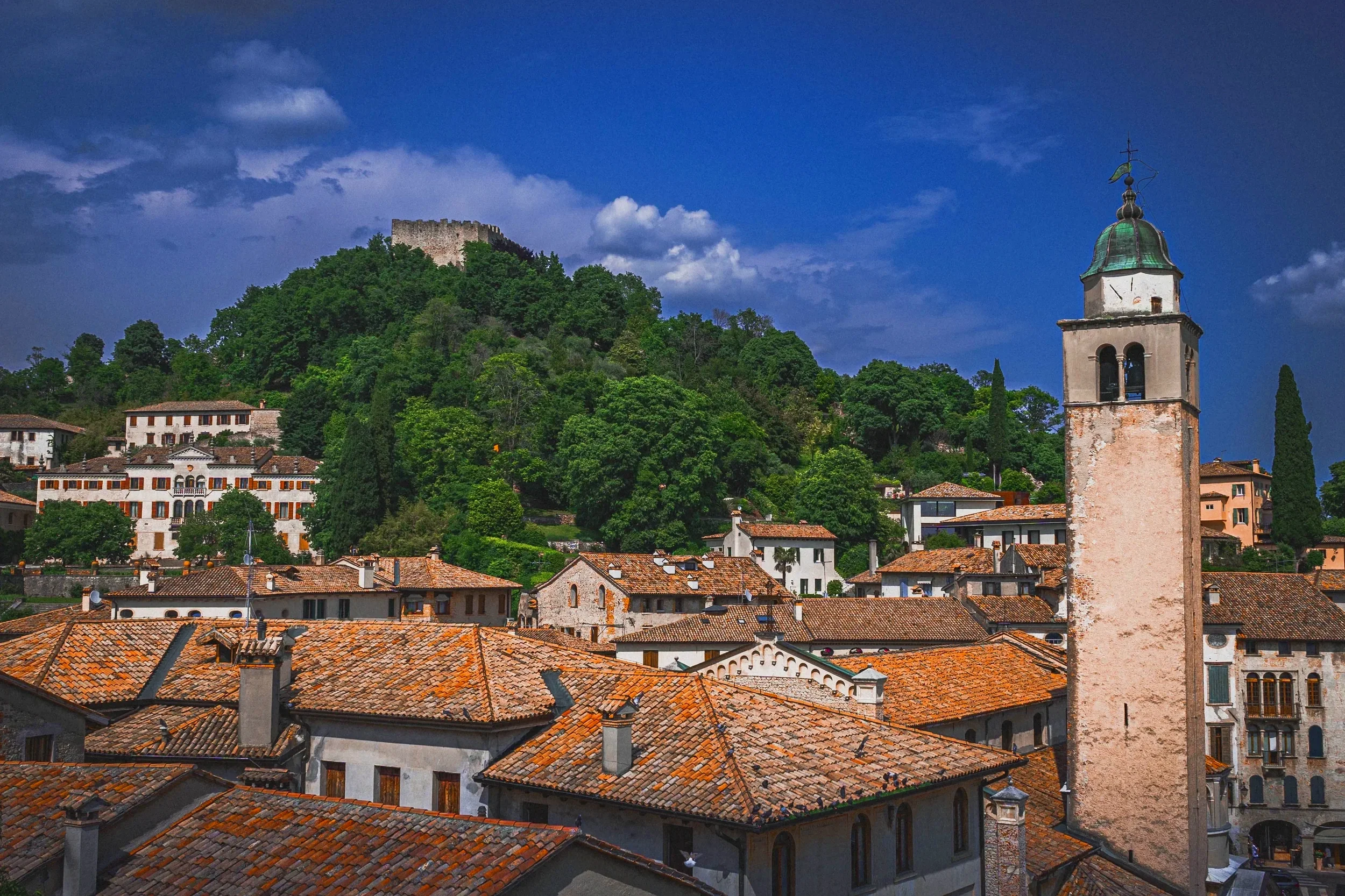
Asolo combines elegant historic charm with the rolling landscapes of Veneto’s countryside. Wander through its narrow streets, discover beautiful palazzi and peaceful piazzas, and climb towards the medieval Rocca for panoramic views across the surrounding hills. Historic villas and gardens reflect the town’s long artistic and cultural heritage. With its refined atmosphere, beautiful architecture, and spectacular setting, Asolo is one of Veneto’s most captivating historic towns.
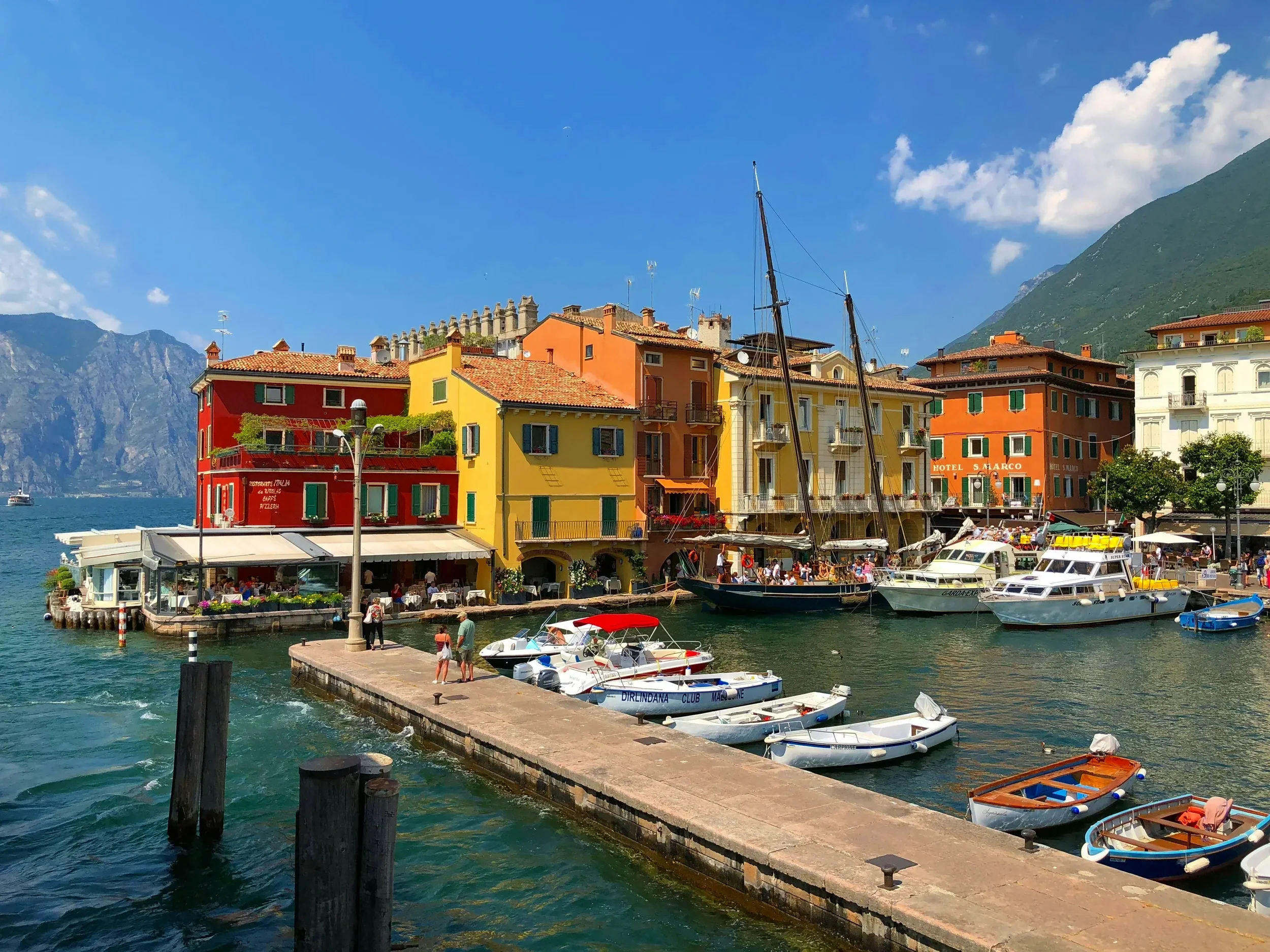
2. Malcesine
Malcesine combines historic charm with one of Lake Garda’s most spectacular settings. Wander through its narrow cobbled streets, colourful squares, and picturesque harbour before exploring the impressive Castello Scaligero overlooking the lake. A cable car climbs from the town towards Monte Baldo, offering breathtaking views across the surrounding mountains and water. With its medieval character, beautiful waterfront, and dramatic scenery, Malcesine is one of Veneto’s most captivating lakeside towns.
1. Borghetto sul Mincio
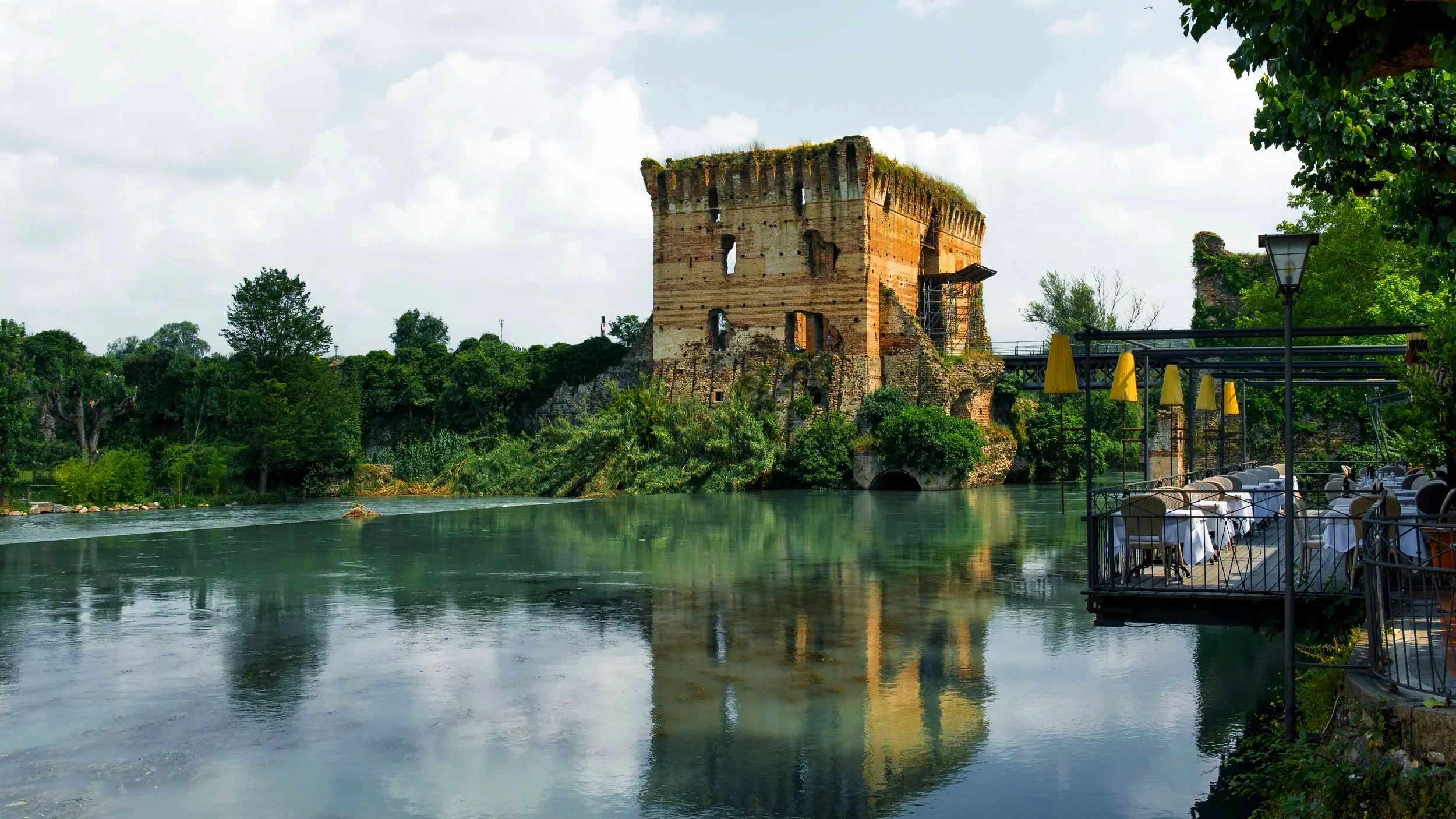
Borghetto sul Mincio feels like a peaceful escape along the banks of the Mincio River, where historic watermills and stone houses create a beautifully preserved village setting. Wander through narrow cobbled streets, cross small bridges, and enjoy views of the river flowing between centuries-old buildings. Above the village, the medieval Visconti Bridge adds to the remarkable scenery. With its romantic atmosphere, riverside charm, and distinctive architecture, Borghetto sul Mincio is one of Veneto’s most enchanting villages.
Practical Travel Tips
Everything you need to know before exploring Veneto.
✈️ Best Airport
Venice Marco Polo is the main gateway to Veneto and convenient for exploring Venice and central parts of the region. Verona Airport is a useful alternative for Lake Garda, the western Dolomites, and western Veneto.
🛣️ Driving in Veneto
Driving is one of the best ways to explore Veneto beyond the major cities, especially for medieval villages, the Dolomites, and rural areas. Main roads are generally good, but expect winding routes and steep sections in the mountains.
🅿️ Parking
Most historic towns and villages have car parks outside their old centres, making it easy to continue exploring on foot. Avoid entering ZTL (Limited Traffic Zone) areas unless permitted, as cameras may monitor restricted streets.
💳 Cash or Card?
Cards are widely accepted at hotels, restaurants, shops, and larger businesses throughout Veneto. However, carrying some cash is useful when visiting smaller villages, mountain refuges, local markets, parking machines, or more remote areas.
Frequently Asked Questions
-
Not necessarily. Trains work well between major cities and larger towns, but a rental car is highly recommended for exploring smaller villages, the Prosecco Hills, rural areas, and parts of the Dolomites.
-
Veneto is famous for Venice, Verona, the Dolomites, Lake Garda, Prosecco, and historic cities such as Padua and Vicenza. The region also offers medieval villages, vineyard-covered hills, mountain lakes, and beautiful countryside.
-
May, June, September, and early October are excellent for exploring Veneto, with pleasant weather and fewer crowds. Summer is ideal for the Dolomites and Lake Garda, although popular destinations become considerably busier.
-
Choose Venice for iconic architecture, canals, art, and history. Explore the Veneto countryside for medieval villages, vineyards, mountain landscapes, and a quieter atmosphere. Combining both reveals how diverse the region really is.
-
Yes. Veneto offers far more than Venice, combining medieval villages, historic cities, the Dolomites, beautiful lakes, vineyard landscapes, and excellent cuisine. Beyond the famous destinations, much of the region remains surprisingly peaceful and authentic.
-
Yes, Veneto is generally very safe for tourists. As elsewhere in Italy, take normal precautions with valuables, particularly in Venice, around busy train stations, and at popular tourist attractions.
-
A week is enough to experience several highlights, while 7 to 10 days is ideal for combining historic cities, medieval villages, Lake Garda, the Dolomites, and Veneto’s beautiful countryside.
-
Venice and popular destinations around Lake Garda can be expensive, especially during summer. Smaller towns, inland villages, and rural accommodation often offer considerably better value away from the main tourist areas.