Valle d’Aosta
Discover Valle d’Aosta through its Alpine villages, medieval castles, dramatic mountains, authentic cuisine, and wild landscapes beyond the tourist trail.
Why visit Valle d’Aosta?
Alpine Villages & Mountain Culture
Valle d’Aosta is filled with traditional Alpine villages, stone houses, historic hamlets, and peaceful mountain communities. French and Italian influences give the region a distinctive culture unlike anywhere else in Italy.
Medieval Castles & Historic Towns
Impressive castles rise above valleys and villages throughout the region. Explore medieval fortresses, ancient Roman remains, historic streets, and beautifully preserved towns surrounded by spectacular mountain scenery.
Authentic Flavours & Local Traditions
Mountain cuisine is at the heart of Valle d’Aosta. Taste Fontina cheese, hearty polenta, traditional soups, local cured meats, and regional wines produced on steep Alpine slopes.
Dramatic Mountains & Wild Nature
Home to some of Europe’s highest peaks, Valle d’Aosta offers breathtaking Alpine scenery. Discover dramatic valleys, turquoise lakes, waterfalls, forests, and hiking trails beneath mountains such as Mont Blanc and Monte Rosa.
Discover Valle d’Aosta Beyond the Crowds
Beyond famous resorts such as Courmayeur, Valle d’Aosta hides remote villages, ancient castles, peaceful valleys, and spectacular mountain landscapes. Venture away from the main routes and discover one of Italy’s most distinctive Alpine regions.
Best time to visit
Spring
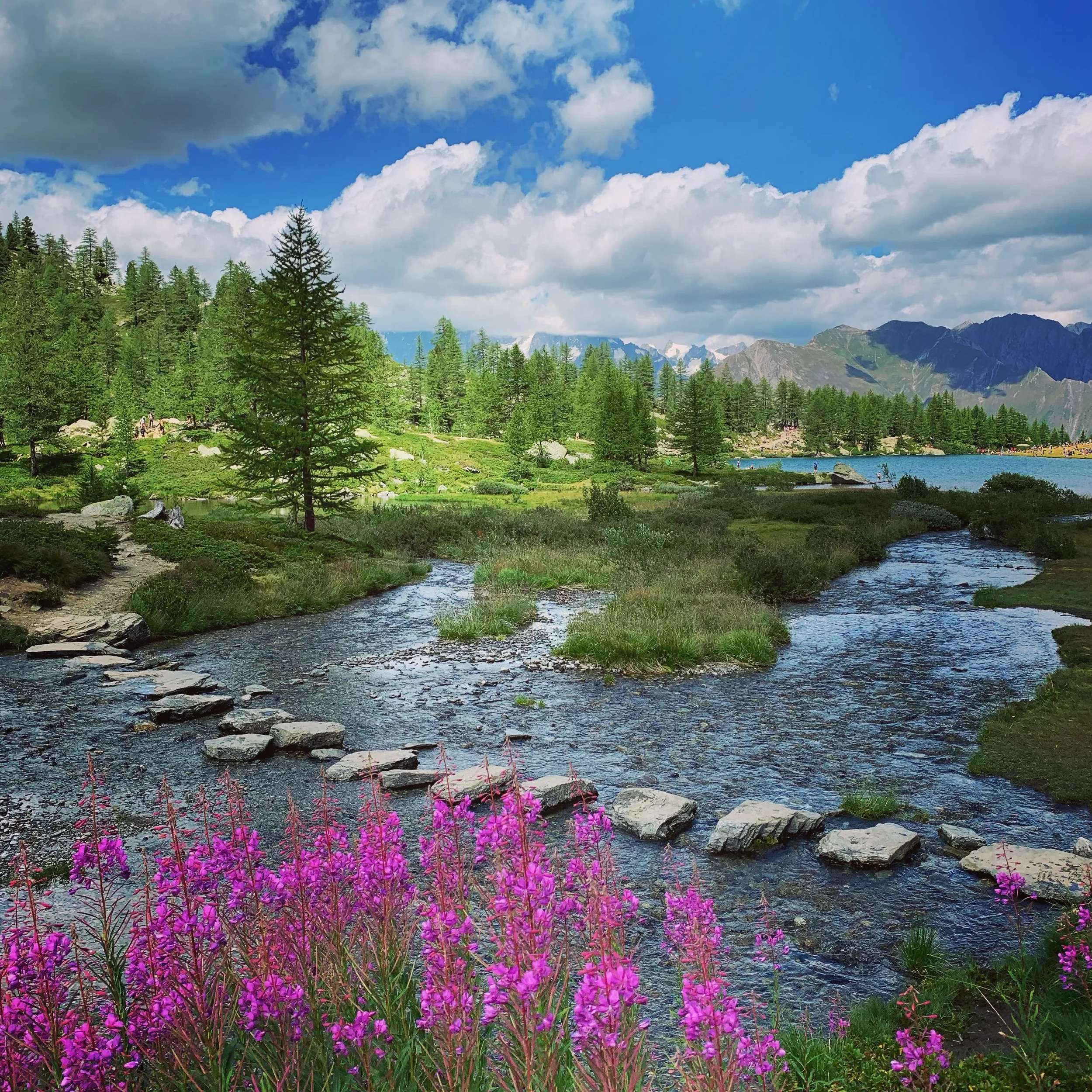
Ideal for exploring castles, historic villages, waterfalls, and lower valleys as the snow melts and Alpine landscapes turn green.
SUMMER
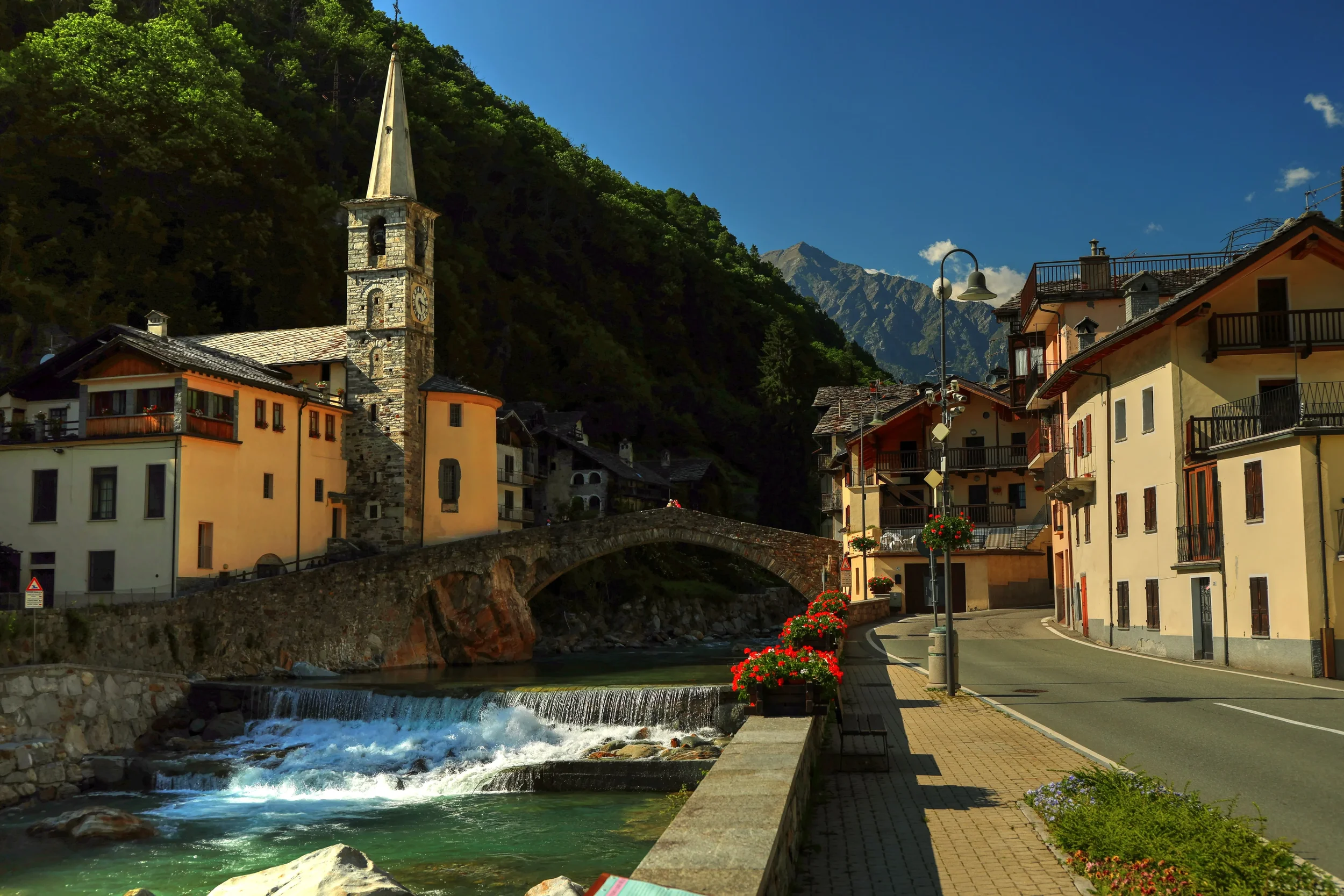
Perfect for hiking, mountain lakes, scenic drives, and exploring high-altitude valleys. July and August offer the best access to mountain trails but are also the busiest months.
AUTUMN
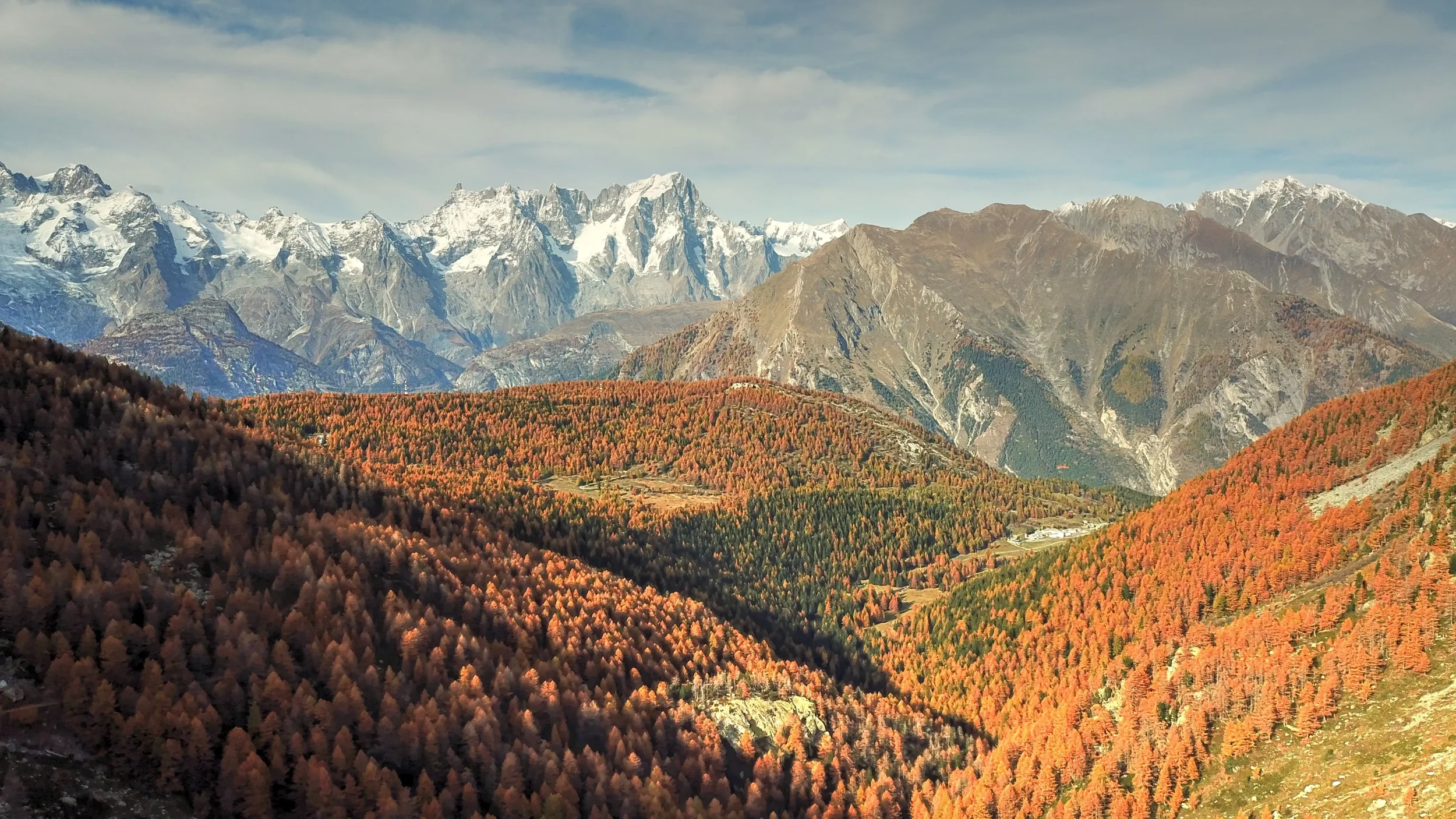
Cooler temperatures, colourful forests, fewer visitors, and beautiful mountain scenery make autumn perfect for hiking, exploring villages, and discovering Valle d’Aosta’s castles.
WINTER
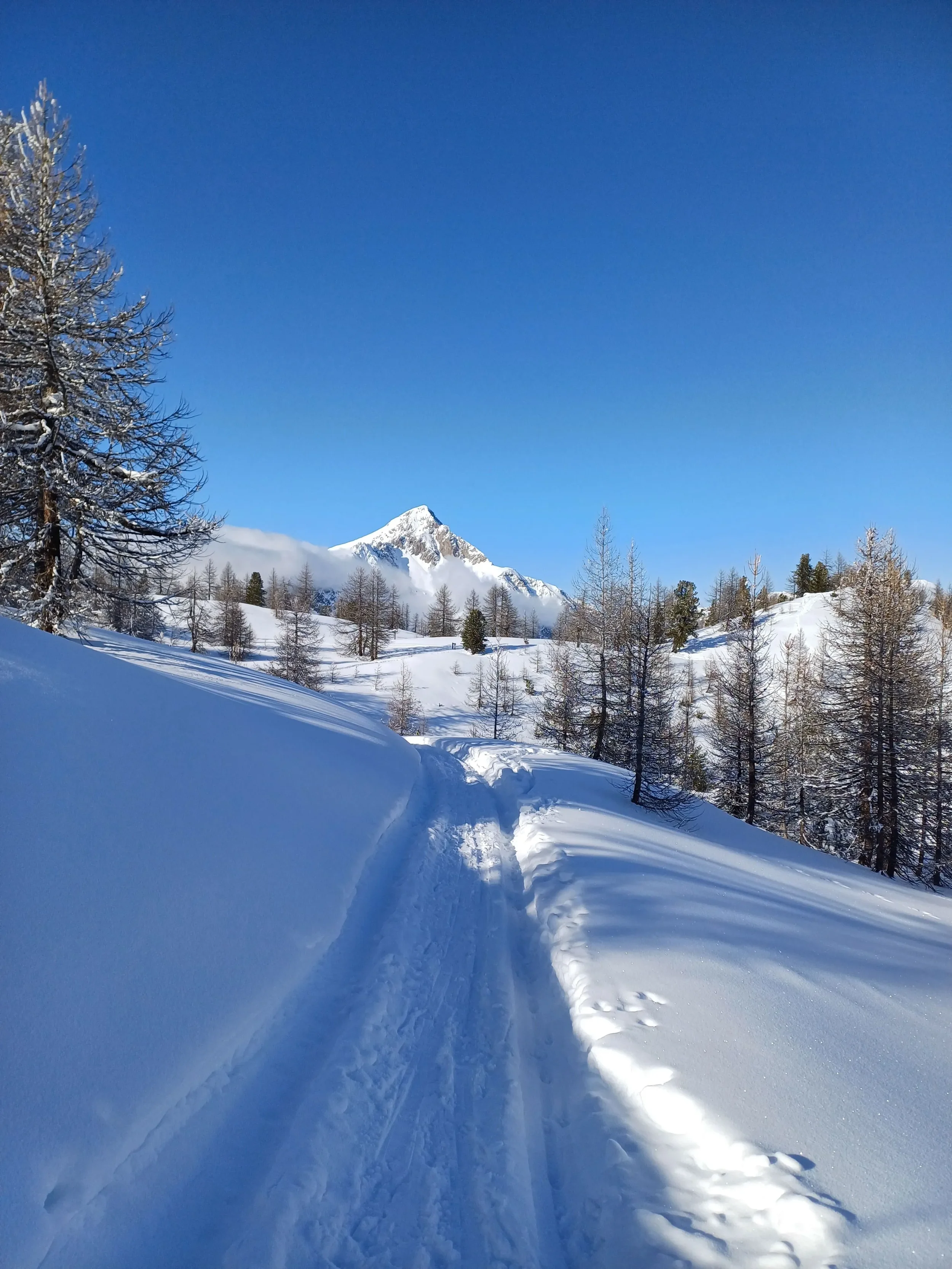
Best for skiing, snow-covered Alpine villages, cosy mountain retreats, and experiencing Valle d’Aosta beneath some of Europe’s most spectacular snow-covered peaks.
TOP 7 HIDDEN GEMS IN Valle d’Aosta
Discover seven extraordinary places that showcase Valle d’Aosta beyond the tourist hotspots, each offering its own unique charm and authentic local atmosphere.
7. Étroubles
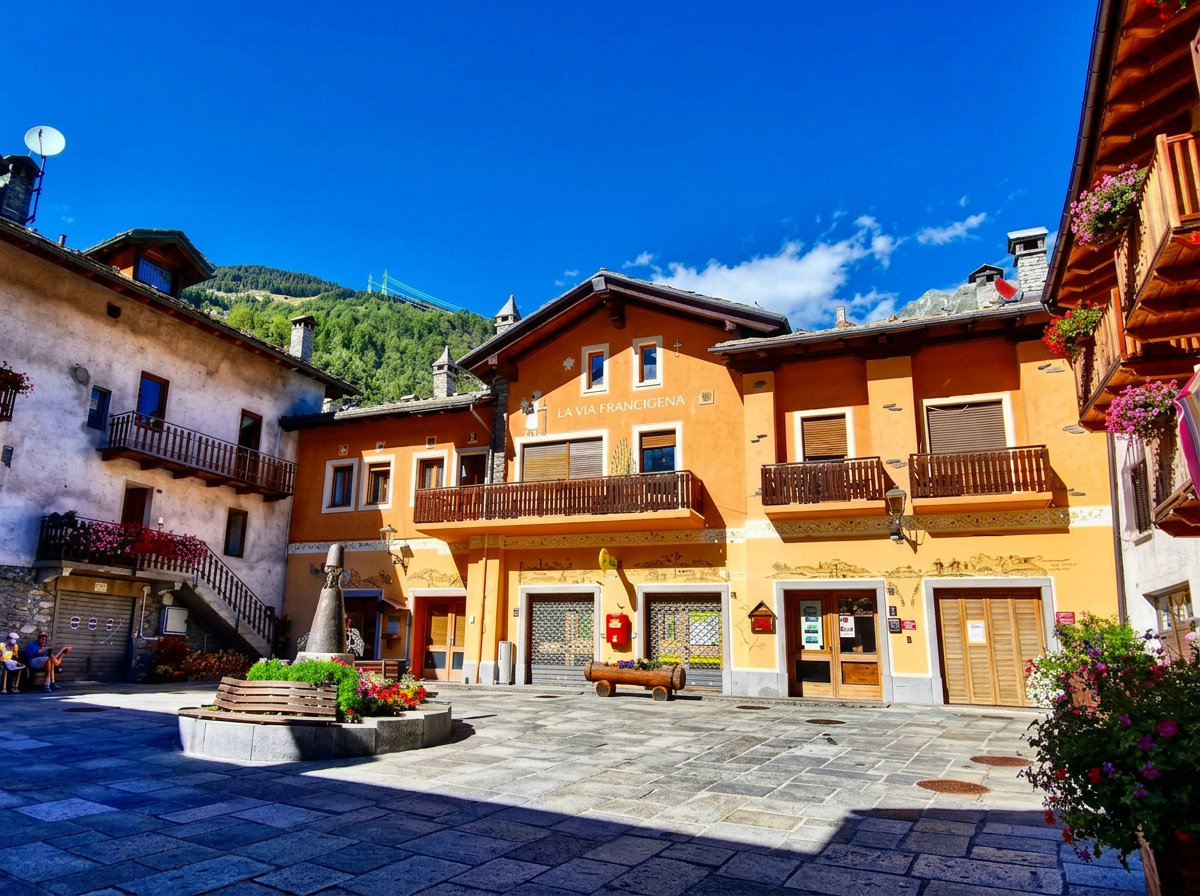
Étroubles offers a beautifully preserved Alpine village setting surrounded by the mountains of Valle d’Aosta. Wander through its narrow cobbled streets, admire traditional stone and wooden houses, and discover artworks scattered throughout the historic centre. Located along the ancient route towards the Great St Bernard Pass, the village has welcomed travellers for centuries. With its authentic character and peaceful mountain atmosphere, Étroubles is one of Valle d’Aosta’s most charming hidden gems.
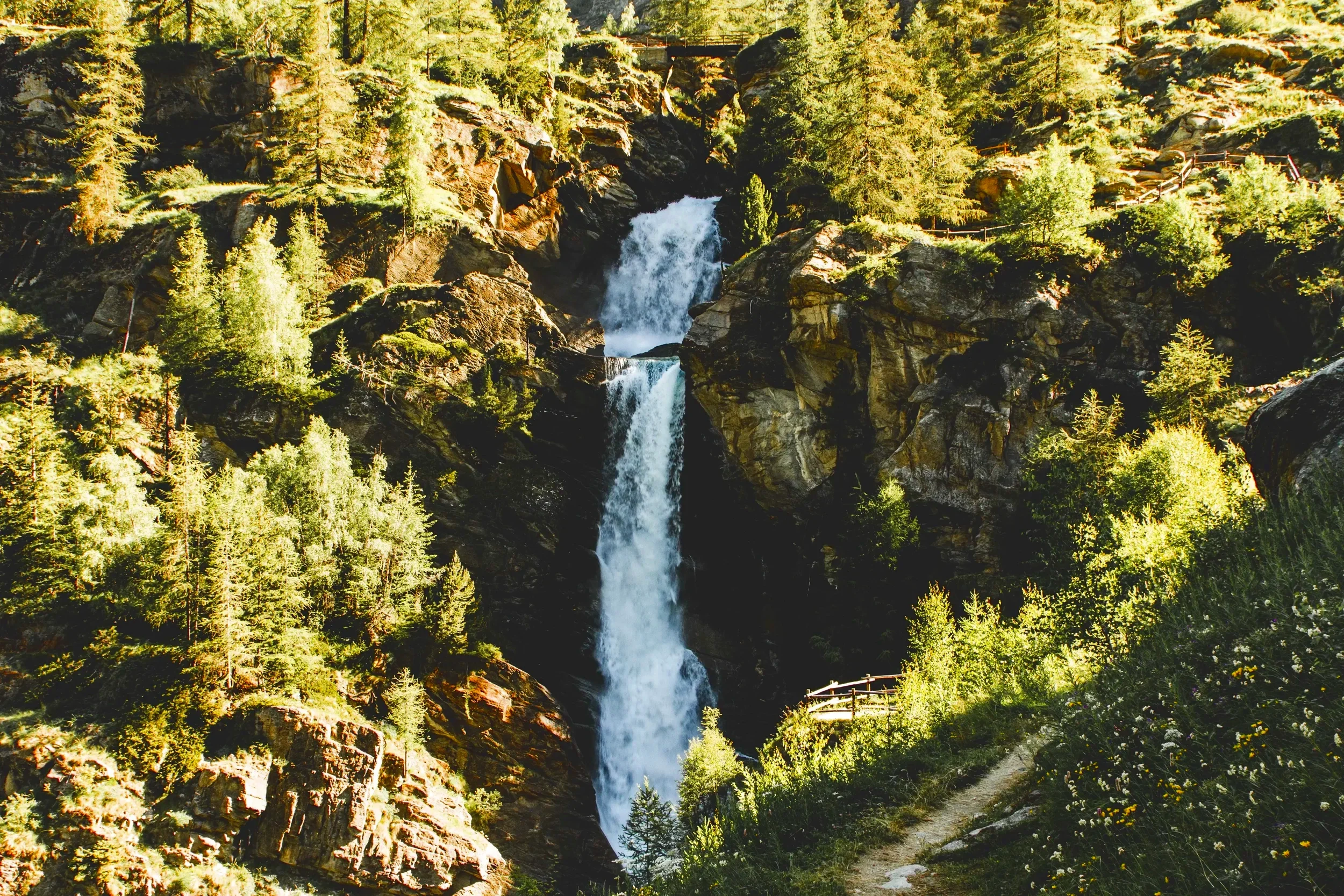
6. Lillaz Waterfalls
Lillaz Waterfalls offer a spectacular natural escape near Cogne, surrounded by forests and the mountains of Valle d’Aosta. Follow scenic trails alongside the cascading water and enjoy beautiful views of the surrounding Alpine landscape. Easily reached from the village of Lillaz, the waterfalls are particularly impressive during spring and early summer. With their dramatic scenery and peaceful setting, the Lillaz Waterfalls are one of the region’s most beautiful natural gems.
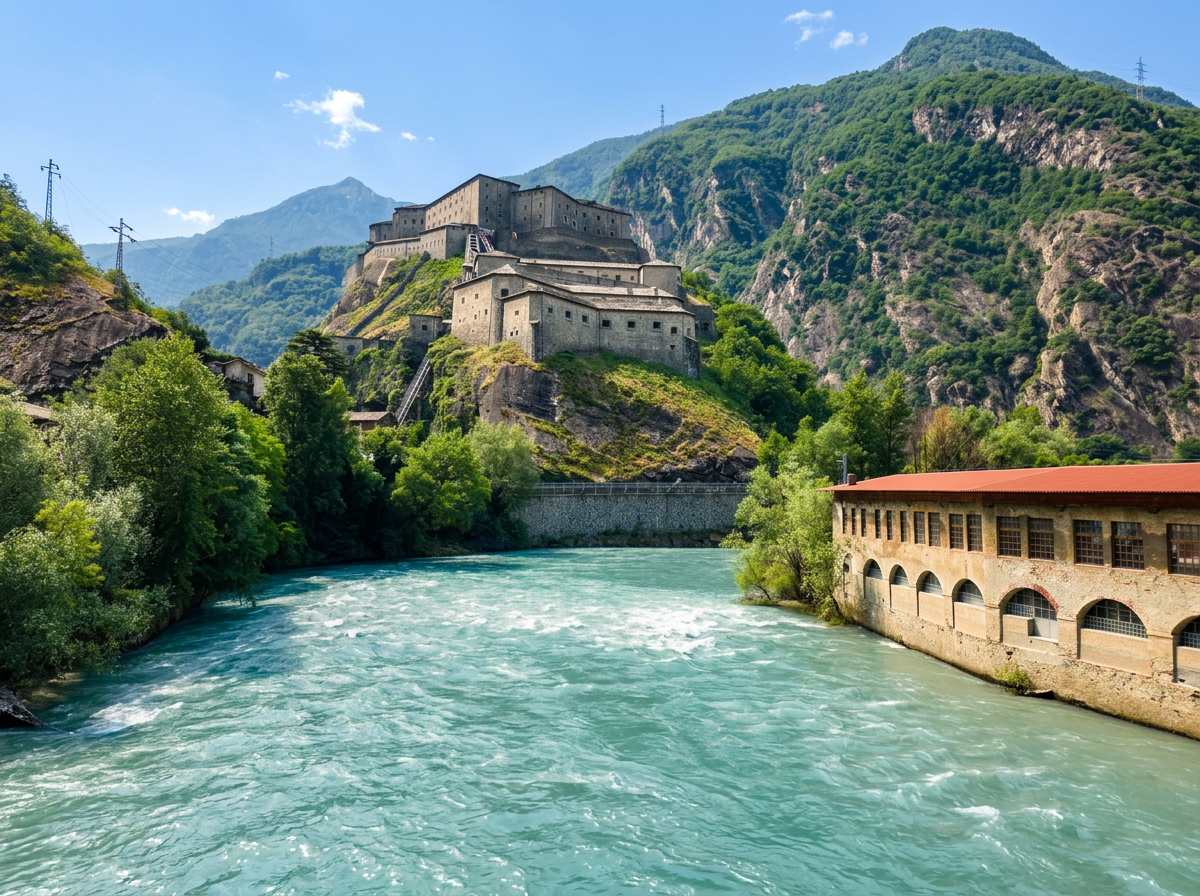
5. Bard
Bard combines medieval charm with one of Valle d’Aosta’s most impressive historic landmarks. Wander through its narrow cobbled streets and traditional stone houses before exploring the spectacular Forte di Bard, rising dramatically above the village. Surrounded by steep Alpine mountains, the fortress offers panoramic views across the valley. With its fascinating history, remarkable architecture, and dramatic setting, Bard is one of Valle d’Aosta’s most captivating hidden gems.
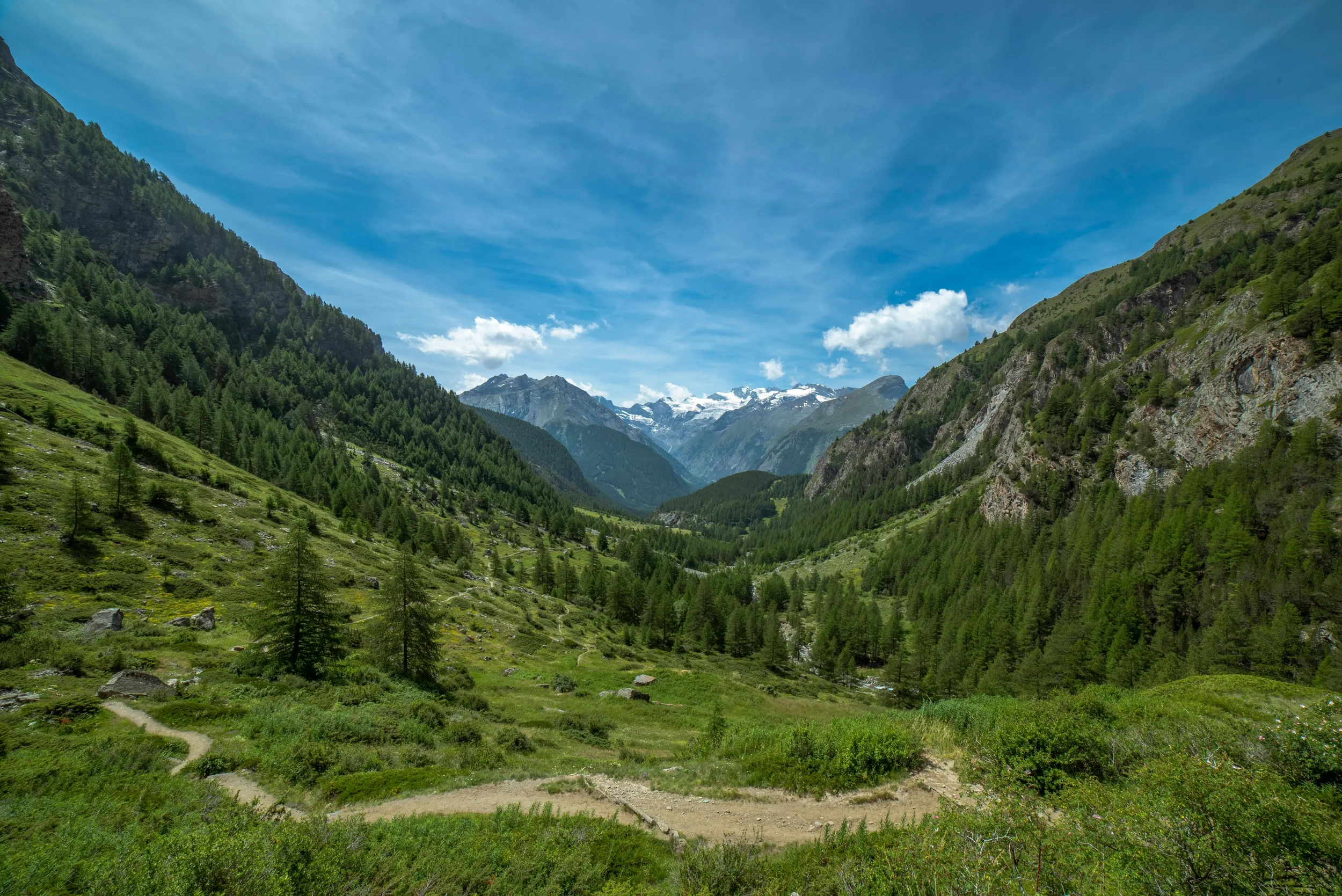
4. Cogne
Cogne offers an authentic Alpine escape surrounded by the spectacular landscapes of Gran Paradiso National Park. Wander through its traditional village centre, admire stone houses and mountain views, or follow scenic trails into the nearby valleys. Surrounded by forests, waterfalls, and towering peaks, Cogne is an ideal base for exploring Valle d’Aosta’s wild nature. With its peaceful atmosphere and breathtaking setting, Cogne is one of the region’s most beautiful mountain destinations.
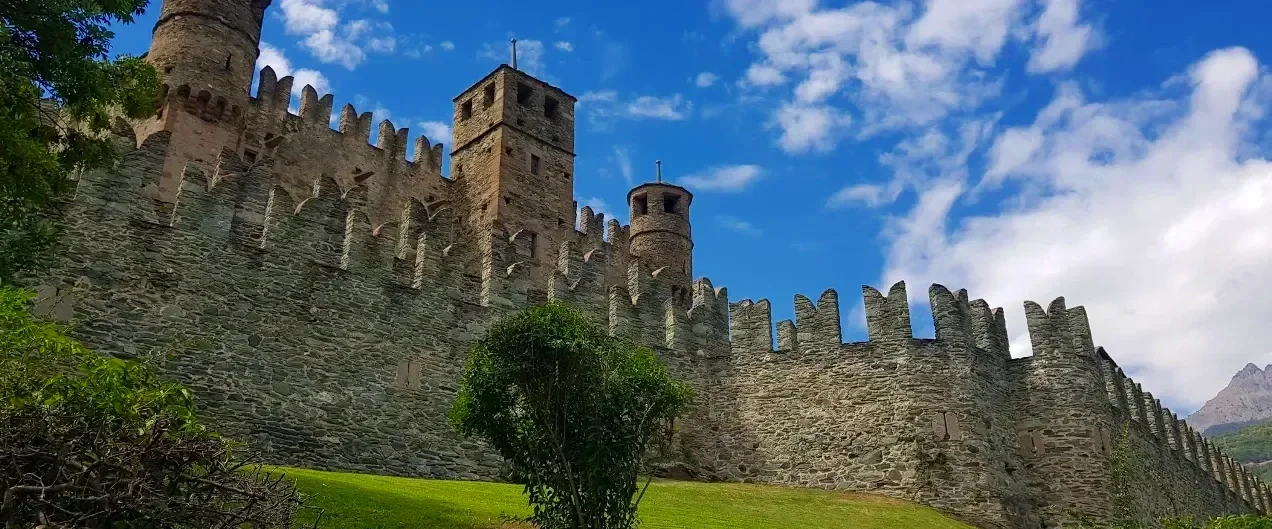
3. Fénis Castle
Fénis Castle offers a fascinating glimpse into medieval Valle d’Aosta, surrounded by green meadows and dramatic Alpine peaks. Explore its impressive towers, fortified walls, inner courtyard, and beautifully preserved frescoes while discovering centuries of local history. Unlike many castles in the region, it was built as a noble residence rather than purely for defence. With its remarkable architecture and spectacular mountain setting, Fénis Castle is one of Valle d’Aosta’s most captivating historic landmarks.
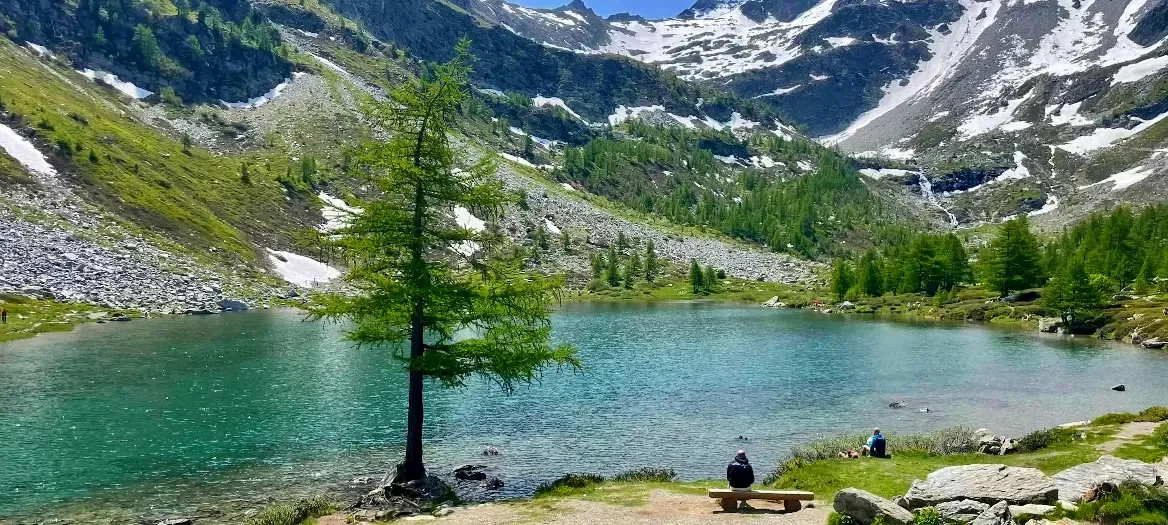
2. Lago D’Arpy
Lago d’Arpy offers a peaceful Alpine escape surrounded by forests and dramatic mountain peaks in Valle d’Aosta. Follow the scenic trail to its crystal-clear waters and enjoy spectacular views towards the Mont Blanc massif along the way. Reflections of the surrounding mountains make the lake especially beautiful on clear days. With its tranquil atmosphere, accessible hike, and breathtaking scenery, Lago d’Arpy is one of the region’s most beautiful natural gems.
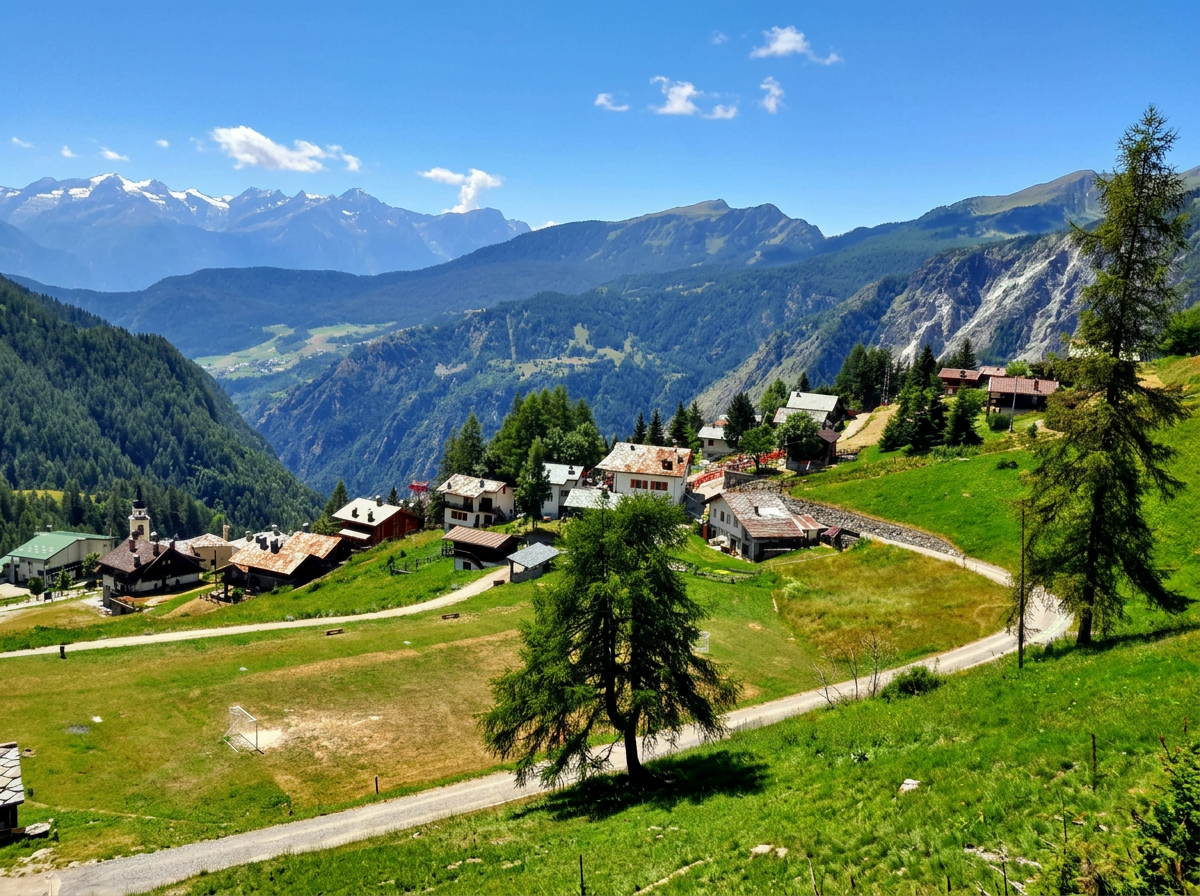
1. Chamois
Chamois offers a peaceful Alpine escape high in the mountains of Valle d’Aosta, completely free from cars and accessible only by cable car or hiking trails. Wander between traditional wooden and stone houses, enjoy panoramic mountain views, and explore scenic paths leading through forests and alpine meadows. With its remote setting, authentic character, and tranquil atmosphere, Chamois is one of Valle d’Aosta’s most unique hidden gems.
Practical Travel Tips
Everything you need to know before exploring Valle d’Aosta.
✈️ Best Airport
Turin Airport is the most convenient major gateway to Valle d’Aosta, while Milan Malpensa is another useful option with a wider range of international flights. From either airport, renting a car makes exploring the region much easier.
🛣️ Driving in Valle d’Aosta
Driving is one of the best ways to explore the region’s castles, villages, and mountain valleys. Main roads are generally good, but expect steep and winding routes in more remote areas and seasonal closures on high mountain passes.
🅿️ Parking
Most villages and natural attractions have designated parking areas, although popular hiking destinations can fill quickly during summer. Some mountain locations restrict vehicle access, so always check local signs and seasonal rules.
💳 Cash or Card?
Cards are widely accepted at hotels, restaurants, shops, and cable cars throughout Valle d’Aosta. However, carrying some cash is useful for mountain refuges, smaller villages, parking machines, and more remote areas.
Frequently Asked Questions
-
Yes. Valle d’Aosta combines spectacular Alpine mountains, medieval castles, traditional villages, beautiful lakes, and wild valleys. Its small size makes it ideal for combining culture and nature in a single trip.
-
Yes, Valle d’Aosta is generally very safe for tourists. Take normal precautions and prepare properly when hiking, as mountain weather can change quickly at higher altitudes.
-
5 to 7 days is ideal for exploring several valleys, castles, mountain villages, and natural attractions. A longer stay gives you more time for hiking and exploring Gran Paradiso National Park.
-
Popular mountain resorts such as Courmayeur can be expensive, particularly during ski season and summer. Smaller villages and accommodation away from the major resorts often offer better value.
-
A rental car is highly recommended for reaching castles, remote villages, hiking areas, and different valleys. Public transport connects larger towns, but a car offers much more flexibility.
-
Valle d’Aosta is famous for its dramatic Alpine scenery, medieval castles, Mont Blanc, Gran Paradiso National Park, traditional mountain villages, Fontina cheese, and distinctive French-Italian culture.
-
June, September, and early October are excellent for hiking and exploring with fewer crowds. July and August offer the best access to high mountain trails, while winter is ideal for skiing.
-
Choose Courmayeur for spectacular Mont Blanc scenery, cable cars, and a lively mountain atmosphere. Choose Gran Paradiso for wildlife, hiking, peaceful valleys, and a wilder Alpine experience.