Friuli-Venezia Giulia
Discover Friuli-Venezia Giulia through its medieval villages, dramatic mountains, Adriatic coastline, authentic cuisine, and wild landscapes beyond the tourist trail.
Why visit Friuli-Venezia Giulia
Historic Towns & Hidden Villages
Friuli-Venezia Giulia is filled with medieval villages, elegant historic towns, ancient castles, and atmospheric streets shaped by centuries of Italian, Austrian, and Slavic influence. Beyond Trieste, countless smaller destinations remain wonderfully overlooked.
Mountains, Lakes & Wild Nature
From the dramatic peaks of the Friulian Dolomites and Julian Alps to turquoise mountain lakes and peaceful valleys, the region offers spectacular natural variety. Hiking trails lead through forests, alpine meadows, and some of northeastern Italy’s wildest landscapes.
Authentic Flavours & Local Traditions
The region’s cuisine reflects its unique position between Italy and Central Europe. Taste Prosciutto di San Daniele, local cheeses, frico, fresh seafood, regional wines, and traditional dishes influenced by neighbouring Austria and Slovenia.
Adriatic Coast & Seaside Escapes
Friuli-Venezia Giulia stretches all the way to the Adriatic, combining historic seaside towns, coastal cliffs, beaches, and beautiful castles overlooking the water. Explore the coastline around Trieste or escape to quieter destinations along the Gulf of Trieste.
Discover Friuli-Venezia Giulia Beyond the Crowds
From Alpine villages and medieval towns to vineyards and the Adriatic coast, Friuli-Venezia Giulia remains one of Italy’s most underrated regions. Venture beyond the usual tourist routes and discover a fascinating corner of Italy filled with authentic experiences and hidden gems.
Best time to visit
Spring
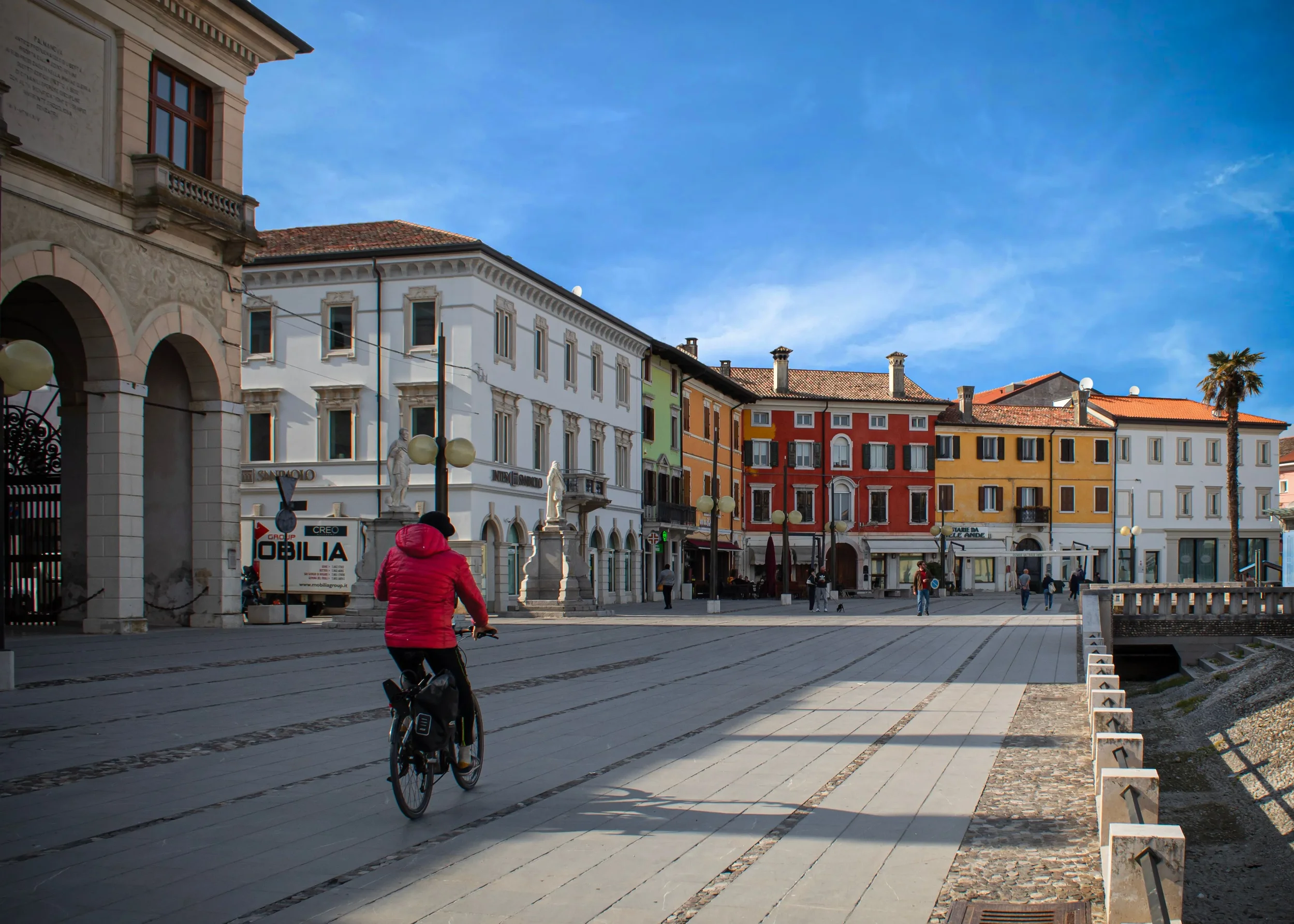
Ideal for exploring historic towns, vineyards, coastal landscapes, and lower mountain trails in mild weather with fewer visitors.
SUMMER
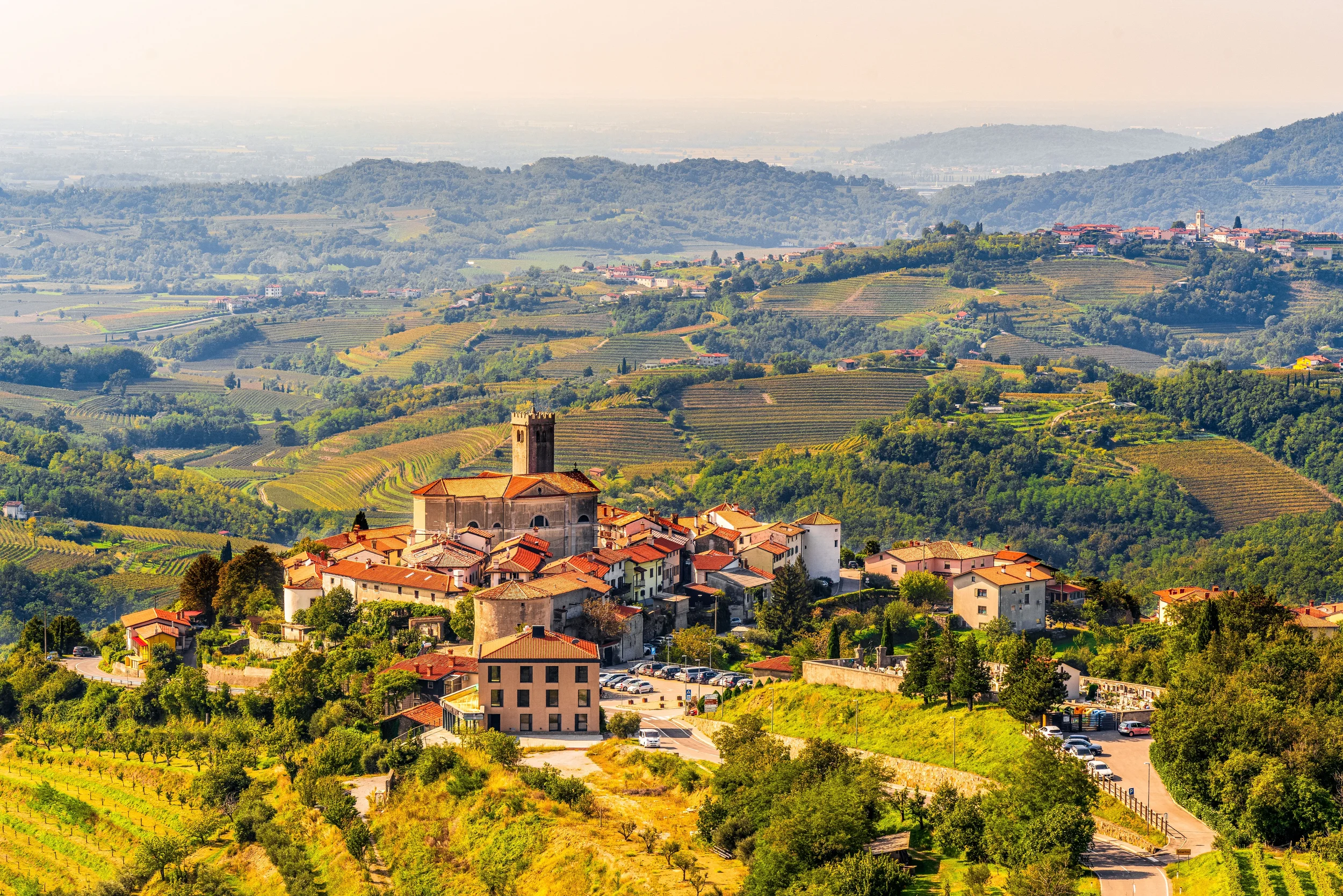
Perfect for hiking in the Julian Alps, swimming in mountain lakes, exploring the Adriatic coast, and enjoying lively evenings in towns and villages.
AUTUMN
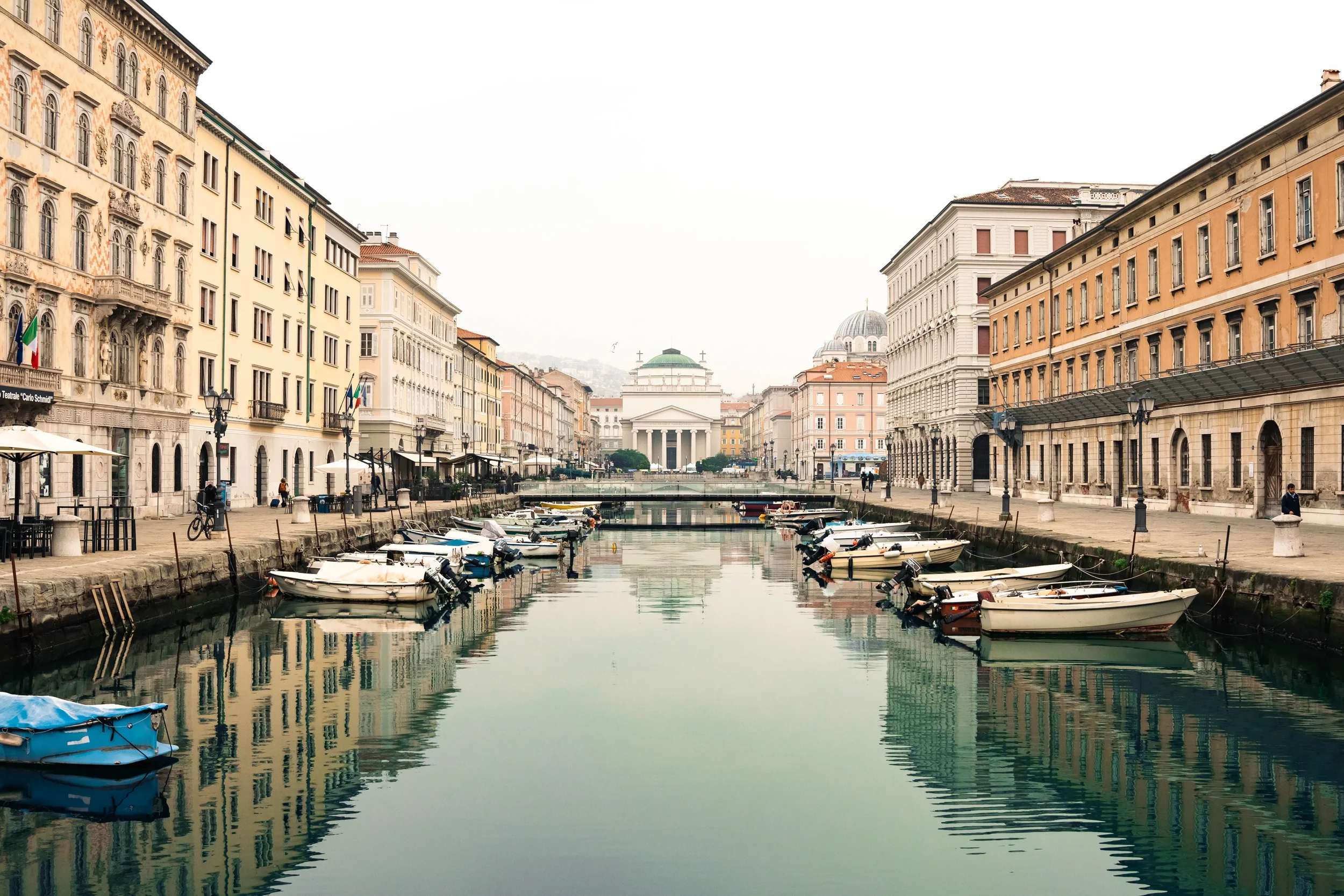
Pleasant temperatures, colourful forests, grape harvests, and seasonal cuisine make autumn perfect for exploring vineyards, mountain valleys, and historic towns.
WINTER
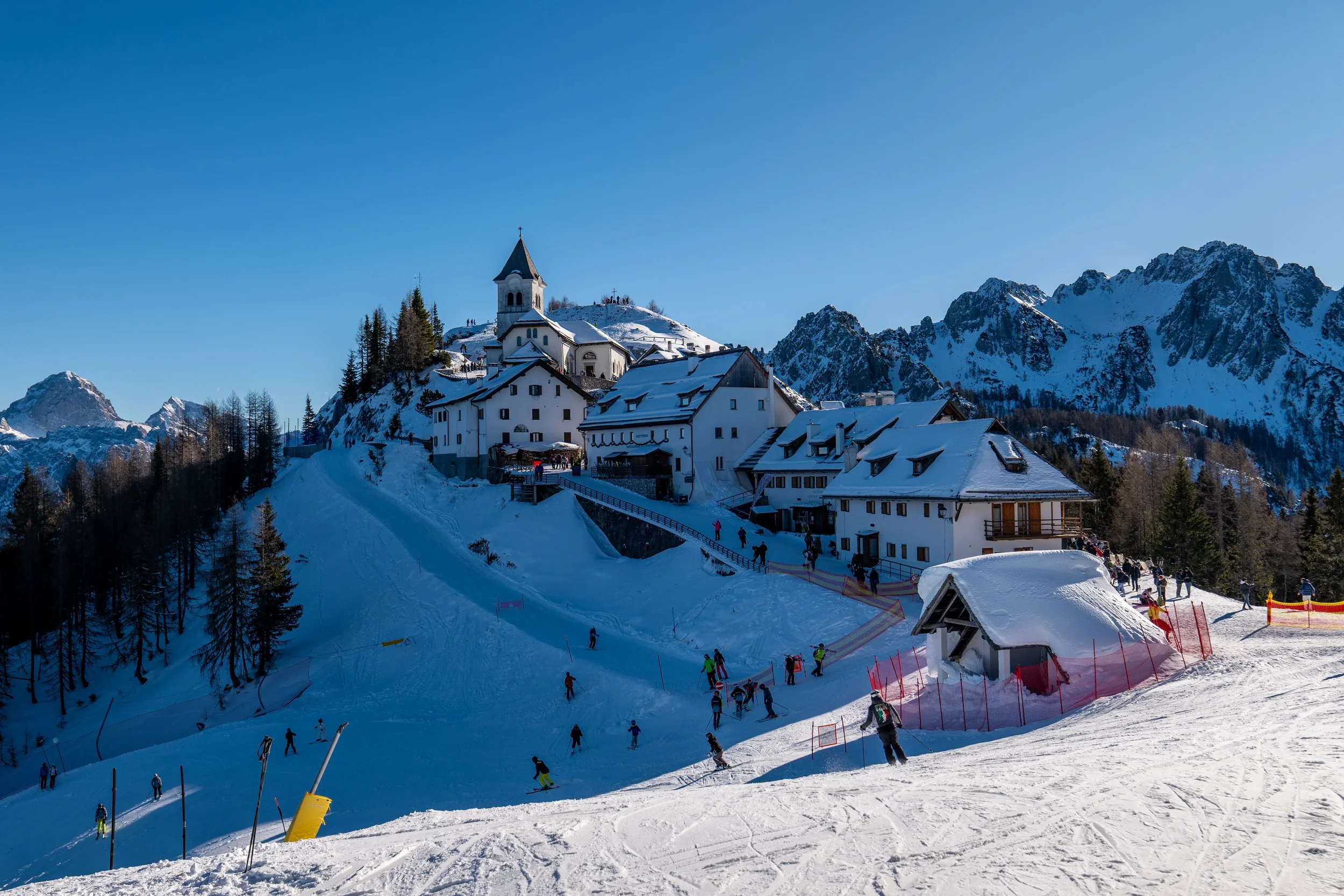
Best for snow-covered Alpine landscapes, skiing and mountain escapes, exploring atmospheric towns, and enjoying the region’s distinctive Central European winter traditions.
TOP 7 HIDDEN GEMS IN Friuli-Venezia Giulia
Discover seven extraordinary places that showcase Friuli-Venezia Giulia beyond the tourist hotspots, each offering its own unique charm and authentic local atmosphere.
7. Clauiano
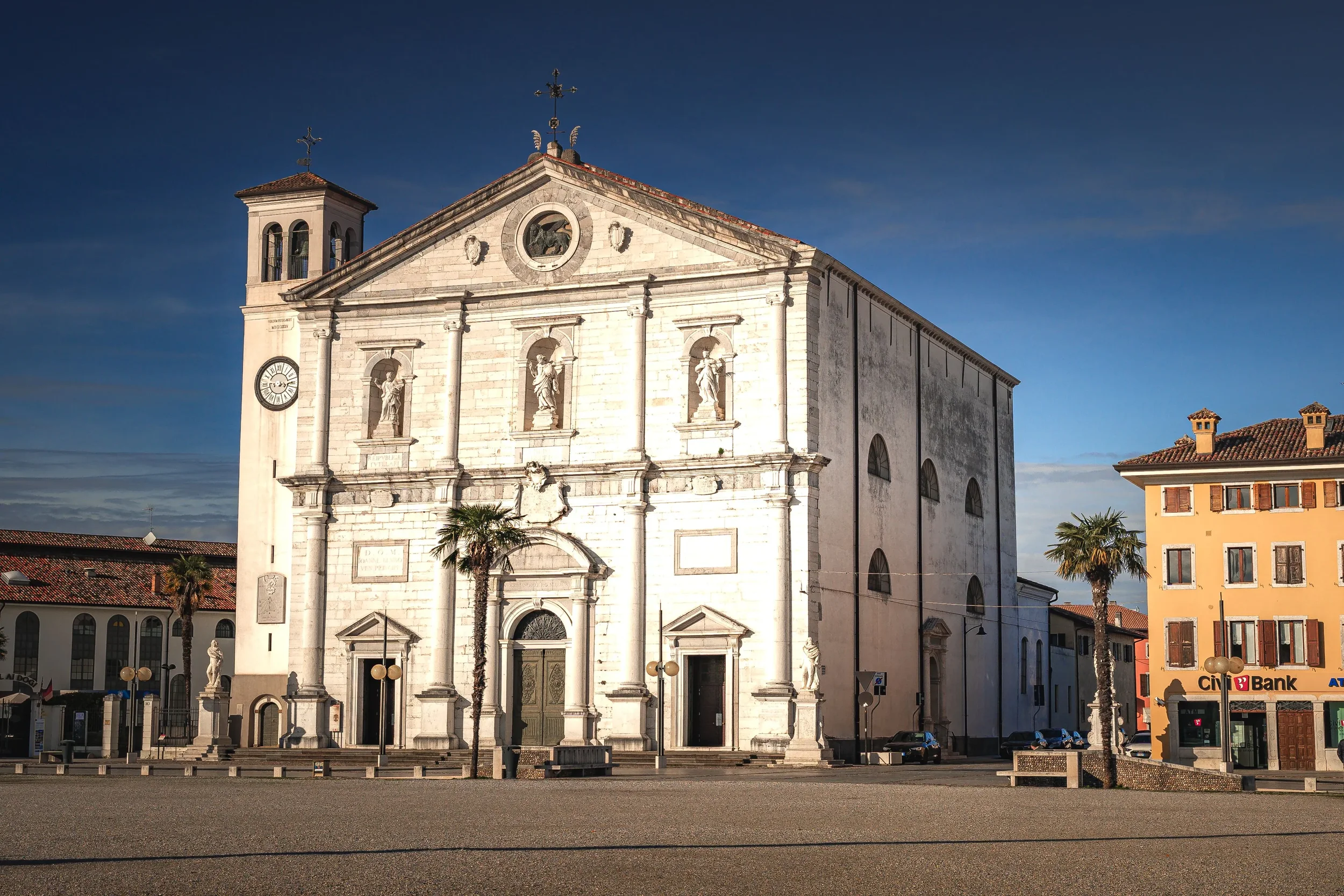
Clauiano offers a beautifully preserved glimpse into rural Friuli-Venezia Giulia, with stone houses, historic courtyards, and quiet streets surrounded by vineyards. Wander through its small historic centre and admire the traditional architecture that has earned it a place among Italy’s most beautiful villages. With its authentic character, peaceful atmosphere, and scenic countryside, Clauiano is one of the region’s most charming hidden gems.
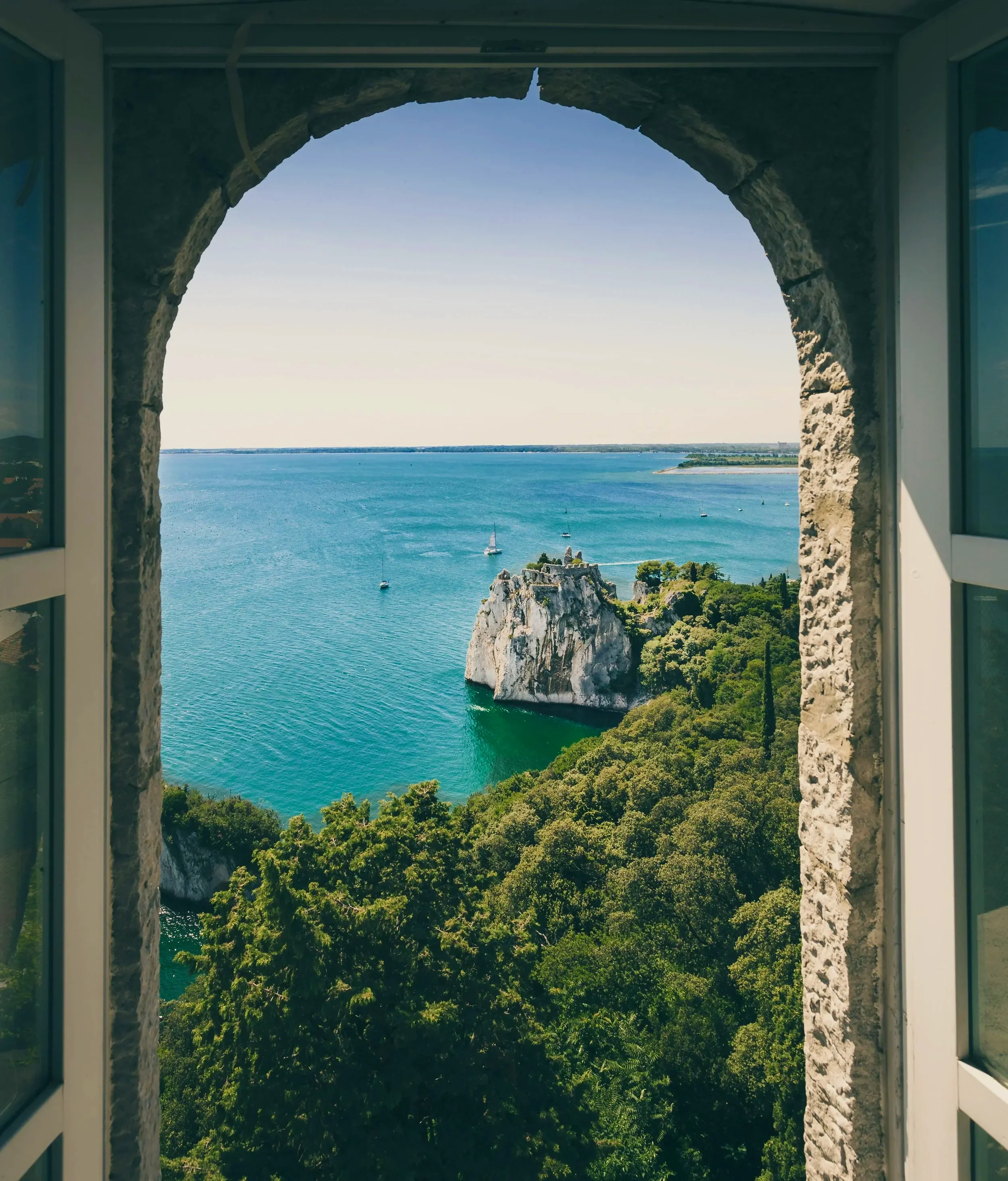
6. Duino
Duino combines dramatic Adriatic scenery with centuries of history along the coast of Friuli-Venezia Giulia. Explore the impressive Duino Castle perched above the sea, then follow the scenic Rilke Trail along limestone cliffs overlooking the Gulf of Trieste. Coastal forests and panoramic viewpoints make the surrounding landscape just as memorable. With its historic castle, spectacular coastline, and peaceful atmosphere, Duino is one of the region’s most captivating coastal escapes.
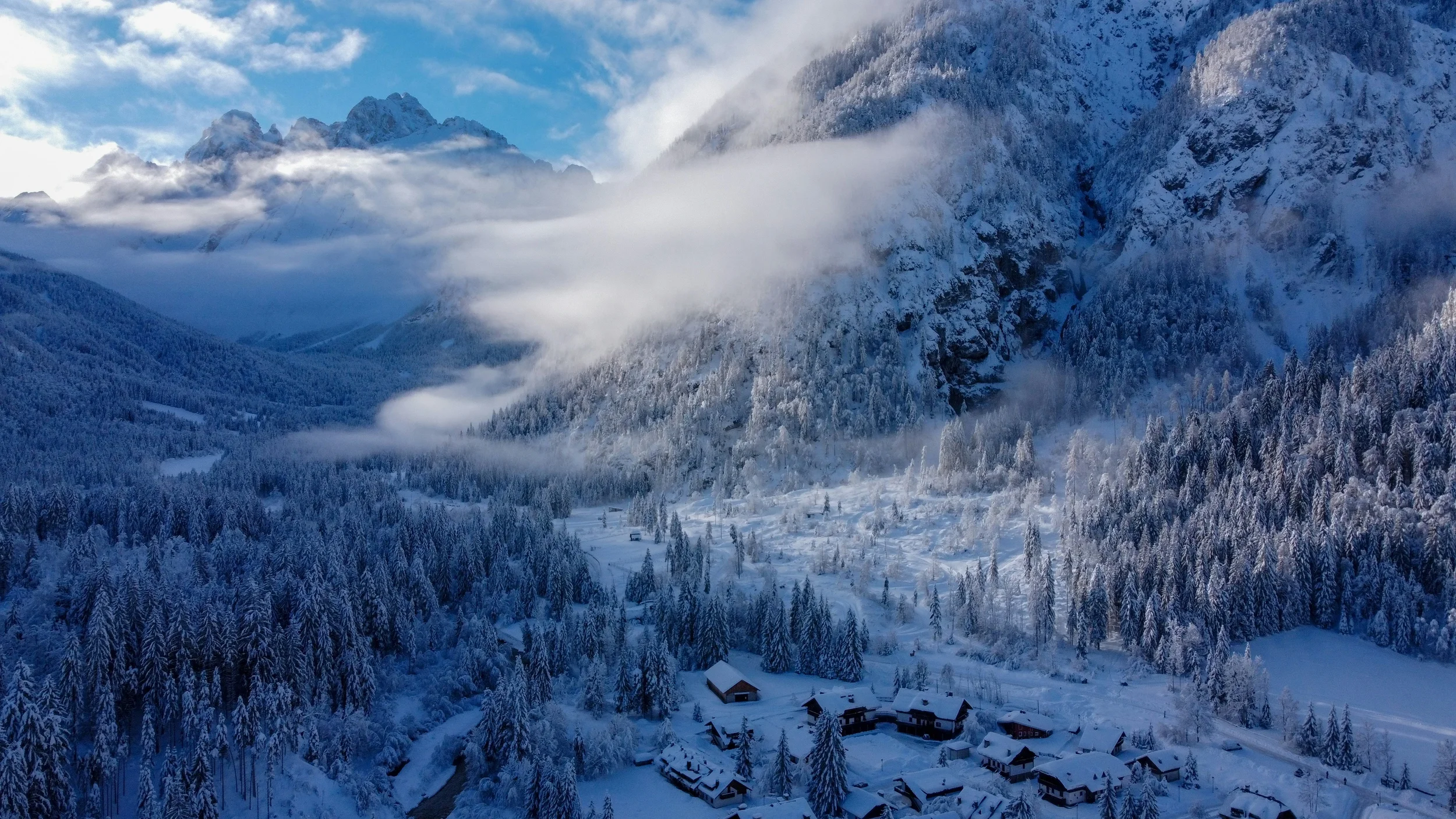
5. Valbruna
Valbruna offers a peaceful Alpine escape surrounded by the dramatic peaks of the Julian Alps. Wander through the small mountain village before exploring nearby Val Saisera, where scenic trails lead through forests, meadows, and spectacular mountain landscapes. The area is perfect for hiking and discovering the quieter side of Friuli-Venezia Giulia. With its authentic atmosphere and breathtaking Alpine setting, Valbruna is one of the region’s most beautiful mountain escapes.
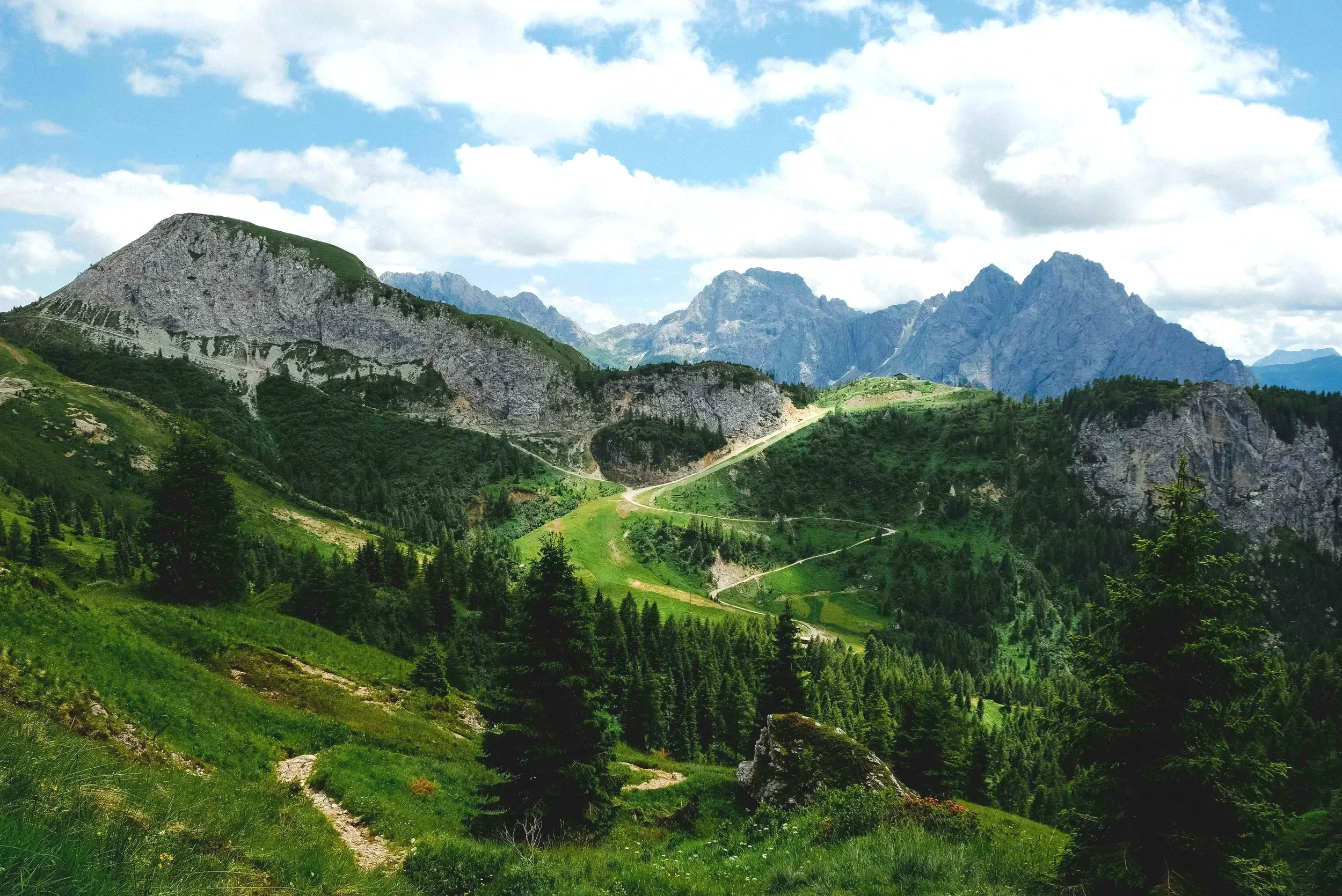
4. Sappada
Sappada offers a beautiful Alpine escape surrounded by the mountains of Friuli-Venezia Giulia. Wander through its traditional hamlets, admire historic wooden houses and flower-filled balconies, and explore scenic trails leading through forests and mountain meadows. The village has preserved its distinctive culture and traditions, giving it a character unlike anywhere else in the region. With its authentic atmosphere and spectacular mountain setting, Sappada is one of Friuli-Venezia Giulia’s most charming hidden gems.
3. Cividale del Friuli
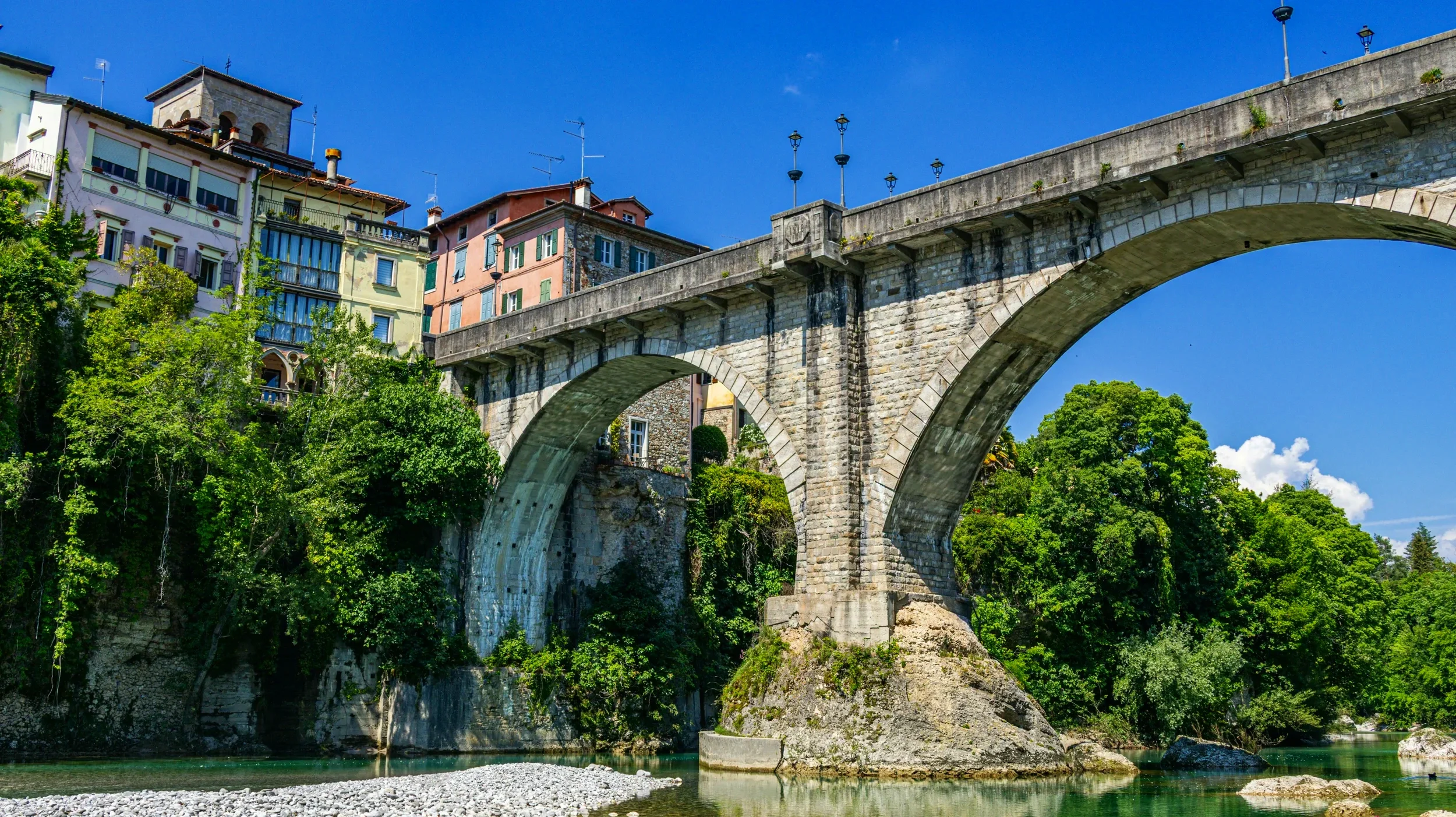
Cividale del Friuli combines centuries of history with a beautiful setting along the Natisone River. Wander through its atmospheric streets, cross the striking Ponte del Diavolo, and discover medieval architecture and remarkable Lombard heritage throughout the historic centre. Colourful buildings and riverside viewpoints add to the town’s charm. With its rich history, authentic atmosphere, and beautiful surroundings, Cividale del Friuli is one of the region’s most captivating historic towns.
2. Lago del Predil
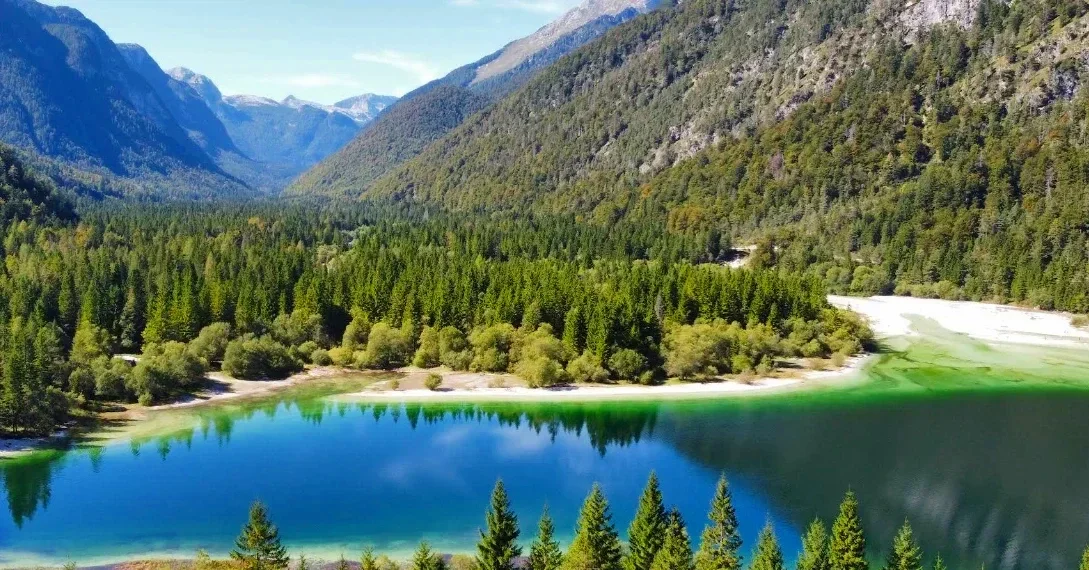
Lago del Predil is a spectacular Alpine escape surrounded by the peaks and forests of the Julian Alps. Walk along its peaceful shoreline, admire the turquoise water, or explore nearby mountain trails. Close to the Slovenian border, its remote setting and crystal-clear water make it one of Friuli-Venezia Giulia’s most beautiful natural escapes.
1. Venzone
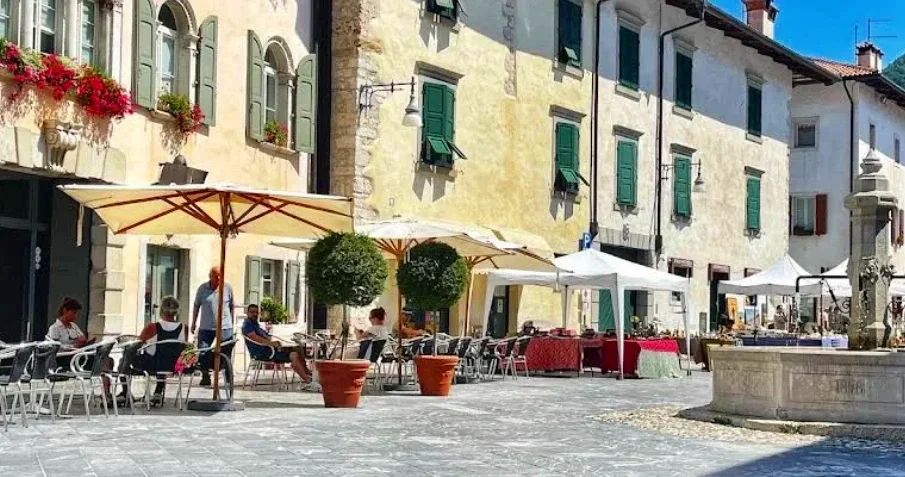
Venzone offers a beautifully preserved glimpse into medieval Friuli-Venezia Giulia, surrounded by the mountains of the Friulian Alps. Wander through its ancient walls, narrow streets, and colourful historic centre, and admire the impressive Duomo di Sant’Andrea. Carefully reconstructed after a devastating earthquake in 1976, the town has preserved its remarkable character. With its fascinating history, mountain setting, and authentic atmosphere, Venzone is one of the region’s most captivating hidden gems.
Practical Travel Tips
Everything you need to know before exploring Friuli-Venezia Giulia.
✈️ Best Airport
Trieste Airport is the main gateway to Friuli-Venezia Giulia and convenient for exploring much of the region. Venice Marco Polo is a useful alternative, especially when travelling to western Friuli.
🛣️ Driving in Friuli-Venezia Giulia
Driving is one of the best ways to explore the region, especially for mountain villages, alpine lakes, vineyards, and remote valleys. Main roads are generally good, but expect winding and narrow routes in mountainous areas.
🅿️ Parking
Most smaller towns and villages have designated parking areas outside their historic centres. Always check for ZTL (Limited Traffic Zone) restrictions, particularly in larger towns and historic centres.
💳 Cash or Card?
Cards are widely accepted at hotels, restaurants, shops, and larger businesses. However, carrying some cash is useful for mountain refuges, smaller villages, local markets, parking machines, and more remote areas.
Frequently Asked Questions
-
Yes. Friuli-Venezia Giulia combines Alpine mountains, medieval villages, historic towns, vineyards, turquoise lakes, and the Adriatic coast. It is especially rewarding for travellers looking for a quieter and less touristy side of northern Italy.
-
Yes, Friuli-Venezia Giulia is generally very safe for tourists. Take normal precautions with valuables and prepare properly when hiking or exploring remote mountain areas.
-
A week is enough to experience several highlights, while 7 to 10 days is ideal for combining the mountains, historic villages, vineyards, Trieste, and the Adriatic coast.
-
The region is generally more affordable than many of Italy’s most famous tourist destinations. Trieste and popular coastal areas can be more expensive, while smaller towns, villages, and rural areas often offer excellent value.
-
A rental car is highly recommended for exploring mountain valleys, alpine lakes, vineyards, and smaller villages. Trains work well between larger towns and cities, but a car gives you much more flexibility.
-
The region is famous for Trieste, Prosciutto di San Daniele, excellent wines, the Julian Alps, historic towns, and its unique mix of Italian, Austrian, and Slavic influences.
-
May, June, September, and early October are excellent for exploring the region. Summer is ideal for the mountains and Adriatic coast, while autumn brings colourful landscapes, wine harvests, and seasonal cuisine.
-
Choose the Julian and Friulian Alps for hiking, alpine lakes, and dramatic mountain scenery. Choose the Adriatic coast for seaside towns, castles, coastal trails, and Trieste. Combining both reveals how diverse the region really is.