Sovana
A small tuff-stone village with churches, a quiet piazza and Etruscan landscapes
Sovana is small enough to cross quickly, but that would miss much of its appeal. The village brings together a central piazza, distinctive church interiors and the remains of a fortress, while the countryside nearby preserves monumental Etruscan tombs. Give the built village and the archaeological landscape separate attention: together they make a rich day in southern Tuscany’s tuff country.
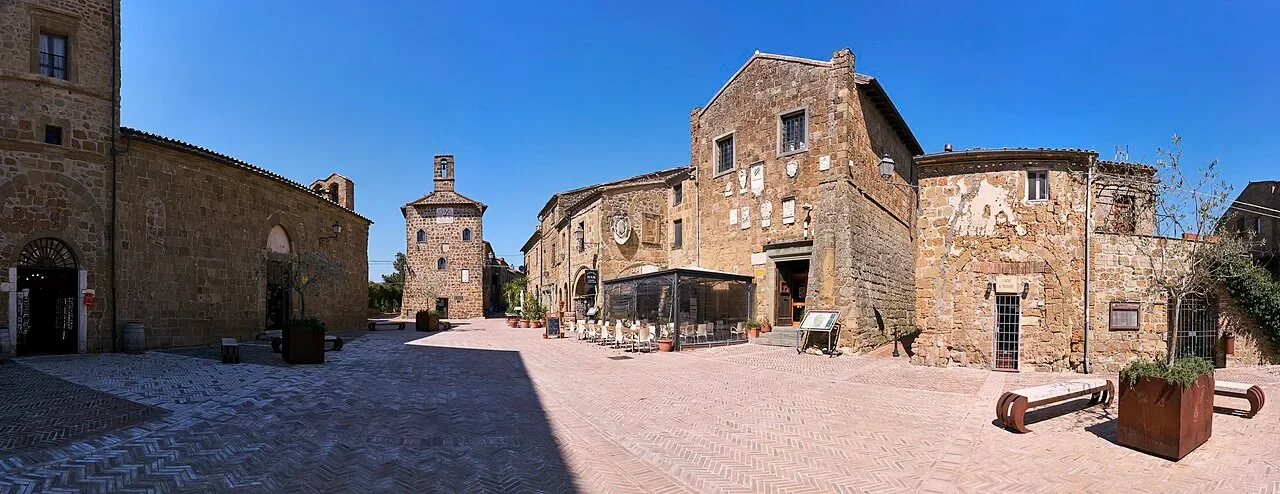
01 — PIAZZA DEL PRETORIO
Let the central square set the pace
Begin around Piazza del Pretorio and explore the short streets leading away from it. Sovana’s compact size makes the relationship between buildings easy to appreciate, with public spaces and houses gathered closely together.
Visit Santa Maria if open and look for its early medieval ciborium, the carved canopy associated with the altar. It offers a reason to pause indoors rather than judging the village entirely by its exterior views.
The Rocca Aldobrandesca marks another part of the settlement’s history. Treat it as a surviving defensive structure whose access should be checked locally, rather than expecting a fully furnished castle. Walk the village first, then decide where you would most like to spend more time.
Hidden Italy tip: Allow room for a coffee in the square between church visits; the small distances make an unhurried rhythm easy.
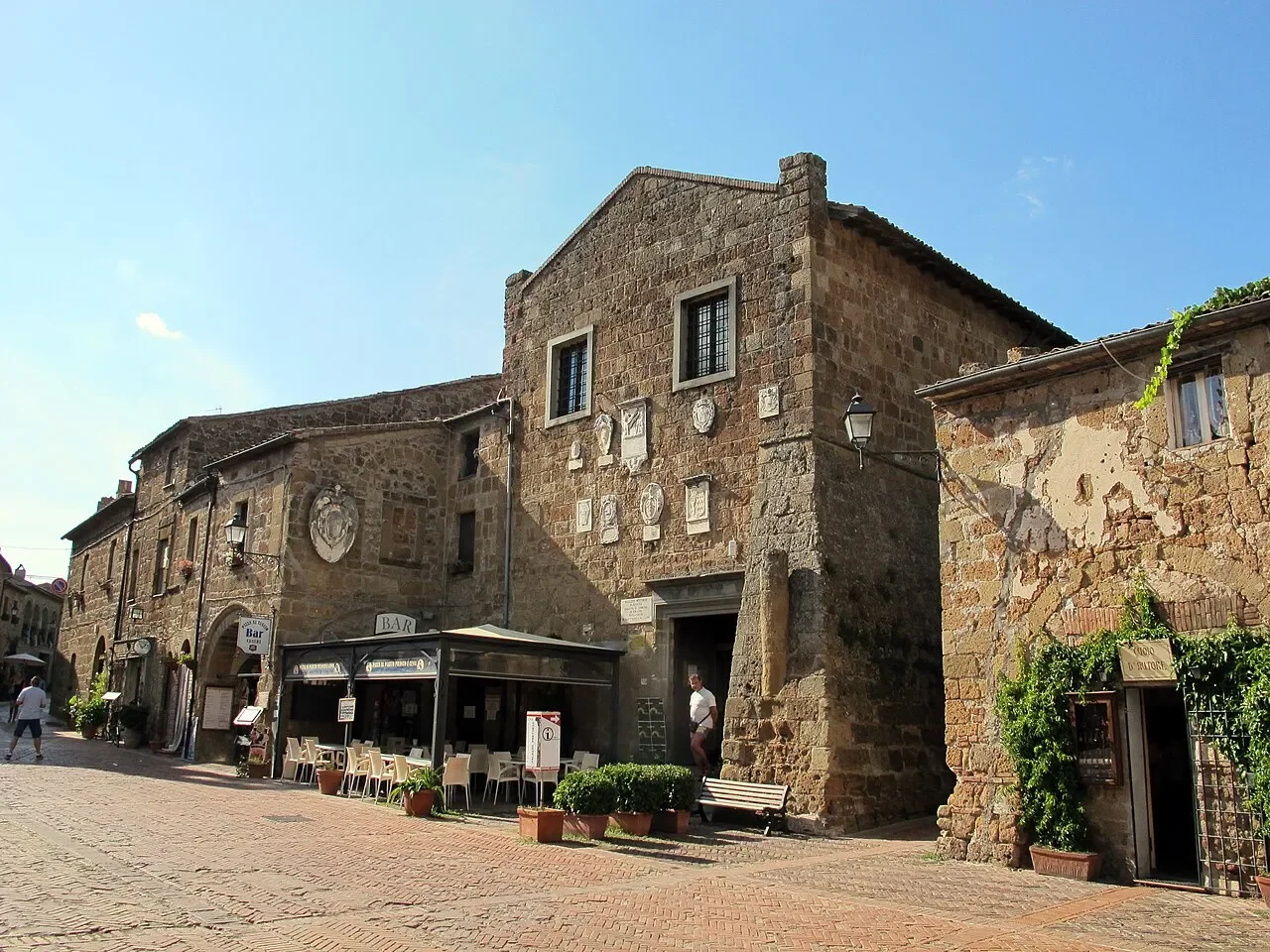
02 — THE CATHEDRAL
Look closely at stone, capitals and shadow
The Cathedral of Saints Peter and Paul stands towards the other end of the village from the fortress. Its setting and substantial architecture hint at Sovana’s importance beyond the scale of the present-day settlement.
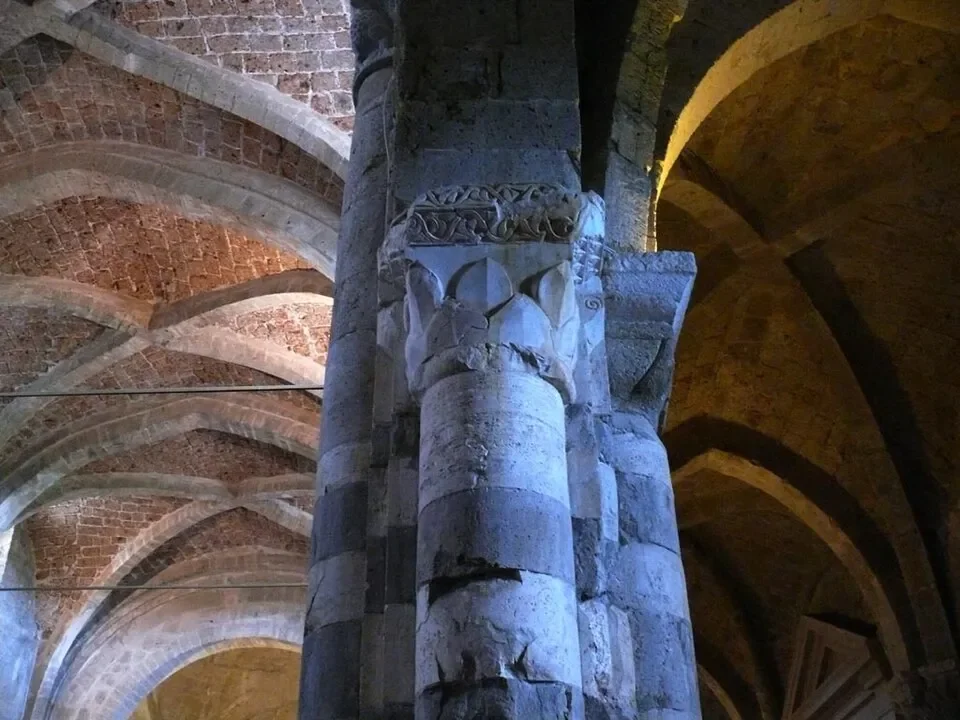
Approach the side entrance slowly, then look at the carved capitals inside. Human figures, animals and decorative forms reward attention to individual details, while the overall space brings together several phases of construction.
The crypt is another important part of the building’s religious history. Confirm which areas are open when you visit and follow any guidance during worship. If the interior is a priority, check access before arriving rather than fitting it into the final few minutes of the day.
Hidden Italy tip: Give the cathedral a deliberate visit of its own, with time to sit quietly and absorb the space after looking at the details.
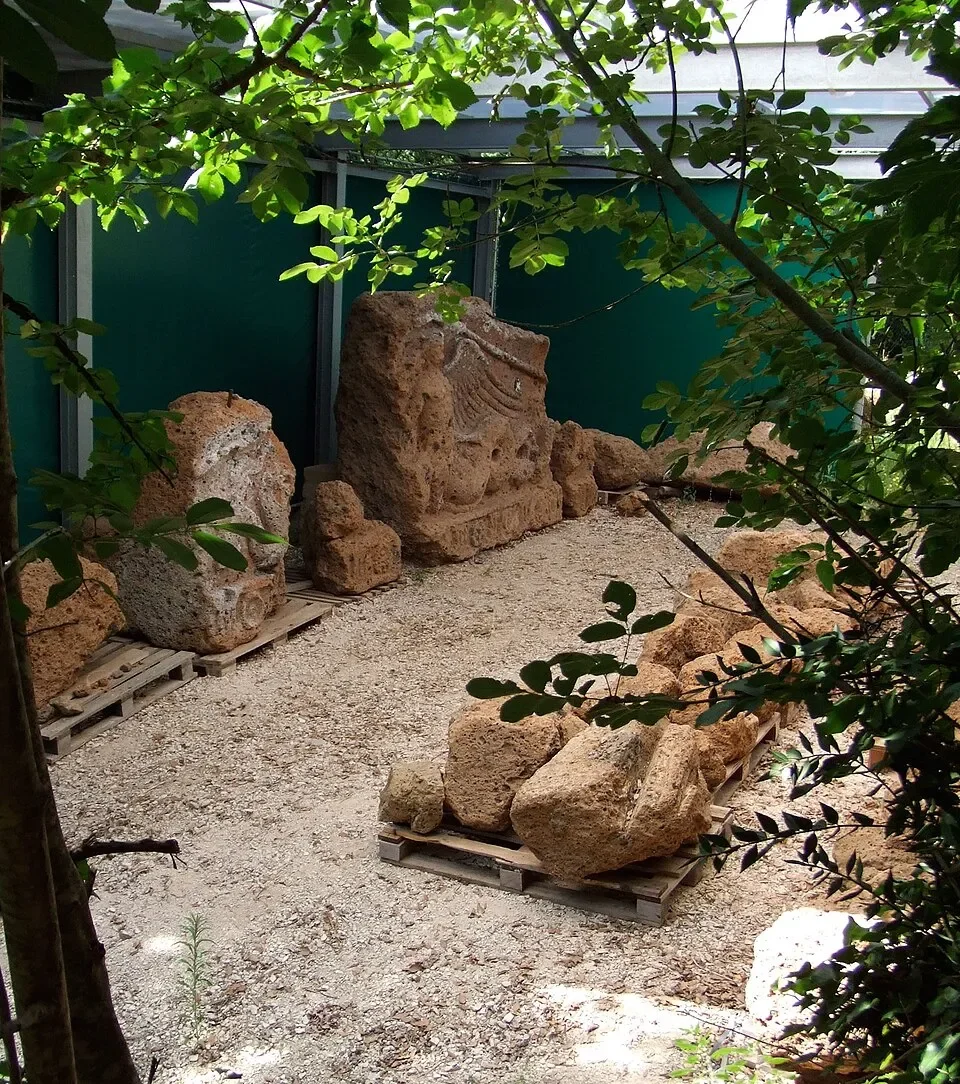
03 — ETRUSCAN TOMBS AND VIE CAVE
Continue beyond the village into the rock-cut landscape
The archaeological areas near Sovana form part of the Città del Tufo park. The Ildebranda Tomb and the Tomb of the Winged Demons introduce a very different scale of history from the churches in town.
These sites are outside the village centre. Plan the transfer, entrance arrangements and walking time separately, and check which areas are currently accessible. A guided visit can help explain the architecture and surviving details without leaving you to interpret every feature alone.
The vie cave add another way to experience the tuff landscape. Choose a specific route based on current local information, wear shoes with grip and allow for uneven surfaces. After rain, ask about conditions before setting off; a short route on a map is not automatically an easy walk.
Hidden Italy tip: Choose one archaeological area and one suitable path, rather than trying to turn every tomb and trail into a single hurried circuit.
PLAN YOUR VISIT
Pair the village with a carefully chosen outdoor visit
A suggested day in Sovana
Explore Piazza del Pretorio and Santa Maria in the morning, then continue to the cathedral around its opening. Take lunch before visiting an archaeological area outside town. If a guided park visit is available only earlier, reverse the day and keep the compact village walk for the afternoon.
Where to stay and how long
A half-day allows a relaxed village visit. A full day is better when adding the tombs and a walk. Stay nearby for two or three nights if exploring Sovana, Sorano and Pitigliano together; choose a base with transport and parking arrangements that suit the dispersed sites.
When to visit
Spring and autumn can offer comfortable conditions for combining church interiors with outdoor archaeology. In summer, visit exposed sites early and keep water with you. In wet weather, prioritise the village and confirm trail conditions before heading into the tuff paths.
Getting here and around
Use signed parking outside the historic centre, then explore the village on foot. A car can be useful for reaching the archaeological areas, but check the correct entrance rather than navigating only to the village name. Public-transport travellers should confirm the exact stop, return service and onward options to the park before travelling.
Food and practical pauses
Allow lunch to separate the indoor and outdoor parts of the day. If visiting outside the main season, check restaurant availability and carry water for the archaeological excursion. Avoid relying on a refreshment stop at every trail or site entrance.
Build a longer Tuscan journey
Sorano and Pitigliano are natural companions for a slower exploration of this landscape. Our Tuscany travel map helps organise the route, while the Tuscany guide gives broader context. Adapt the seven-day itinerary with extra time in the south if archaeology is a priority.
Image credits
Sovana market square panorama — Virtual-Pano — CC BY-SA 4.0.
Palazzo Pretorio — Sailko — CC BY 3.0.
Sovana Cathedral column — Zyance — CC BY-SA 3.0.
Sovana archaeological area — louis-garden — CC BY-SA 3.0.
Via Wikimedia Commons. Converted to WebP and resized for display; any crops or other adaptations are shared under the respective licences above.


