Cetona
A generous piazza, winding lanes and a landscape with a much older story
Cetona brings together two very different scales of history. In the village, streets climb from a broad square towards the old hilltop core. Beyond it, the caves and archaeological sites of Monte Cetona reach far back into prehistory. You can enjoy a simple town walk here, but a museum visit and a planned excursion to Belverde turn the day into something more distinctive.
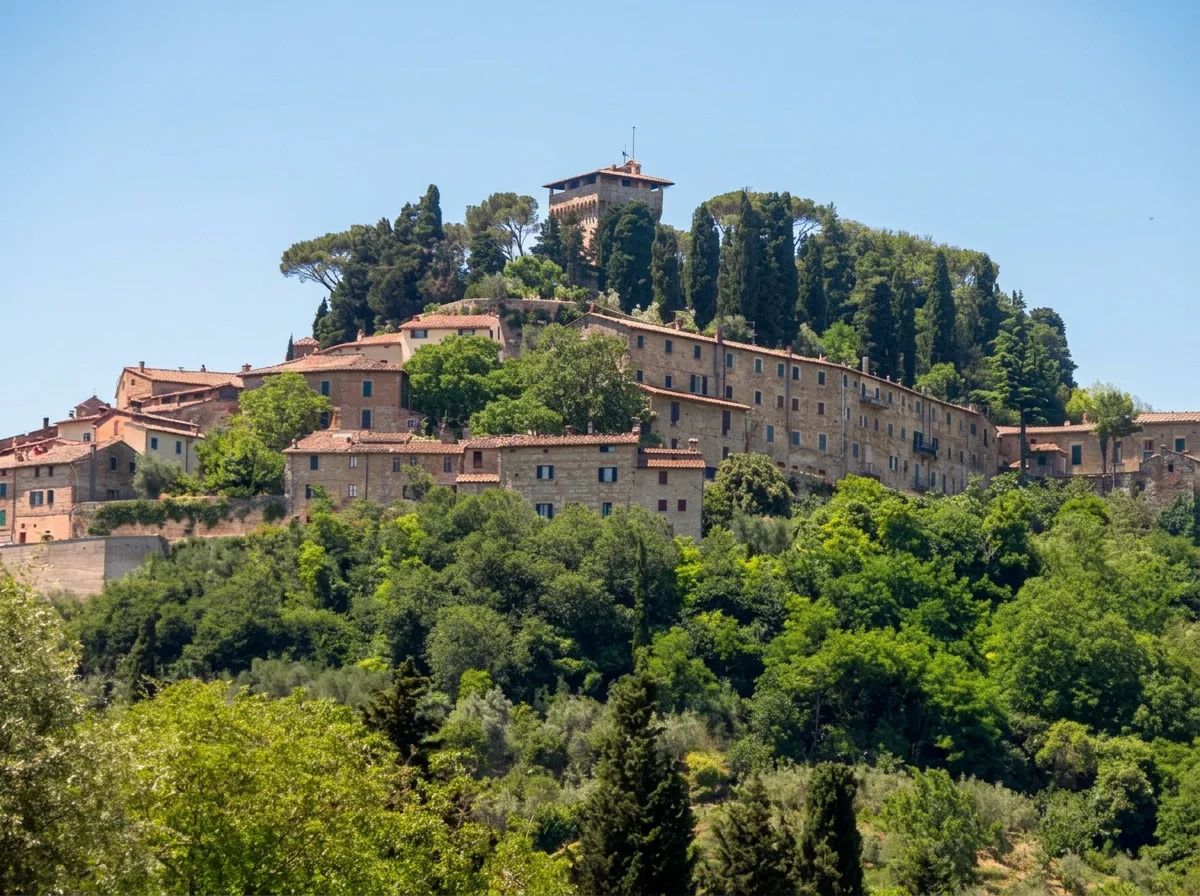
01 — PIAZZA AND LANES
Start wide, then follow the streets uphill
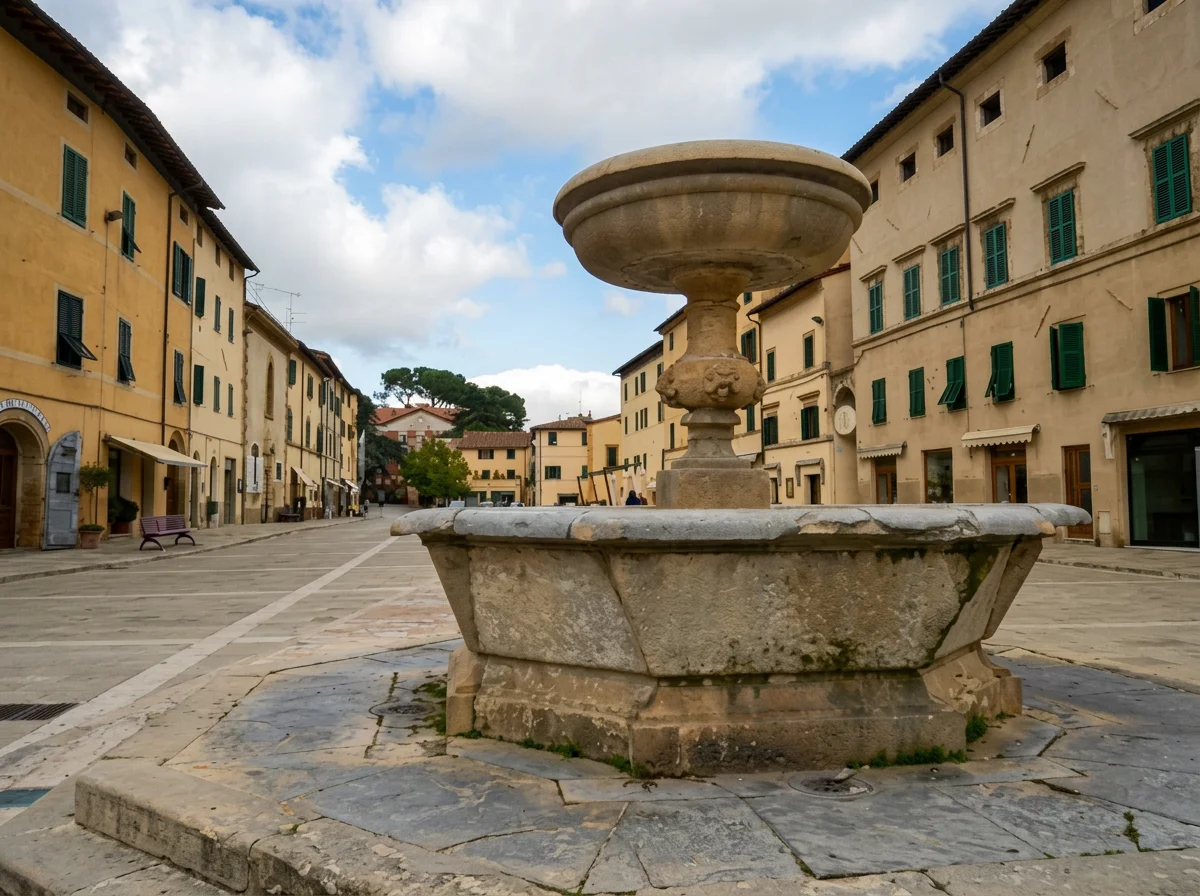
Piazza Garibaldi makes an inviting introduction to Cetona. Its spacious proportions contrast with the smaller lanes above, giving you room to pause before exploring the medieval pattern of the village.
The square took shape in the sixteenth century as a grander entrance to the town. Walk its edges before climbing into the older streets: the change from an open gathering place to close-set buildings is one of Cetona’s most memorable features.
Follow the public lanes at your own pace and return by another route where possible. The uphill walk is part of the attraction, but there is no need to turn every staircase into a destination. Respect private entrances and choose a route that suits everyone in your group.
Hidden Italy tip: Leave the piazza for a while, then return for coffee or lunch; it feels different after exploring the narrow streets above.
02 — BEFORE THE HILL TOWN
Use the museum to read a much older landscape
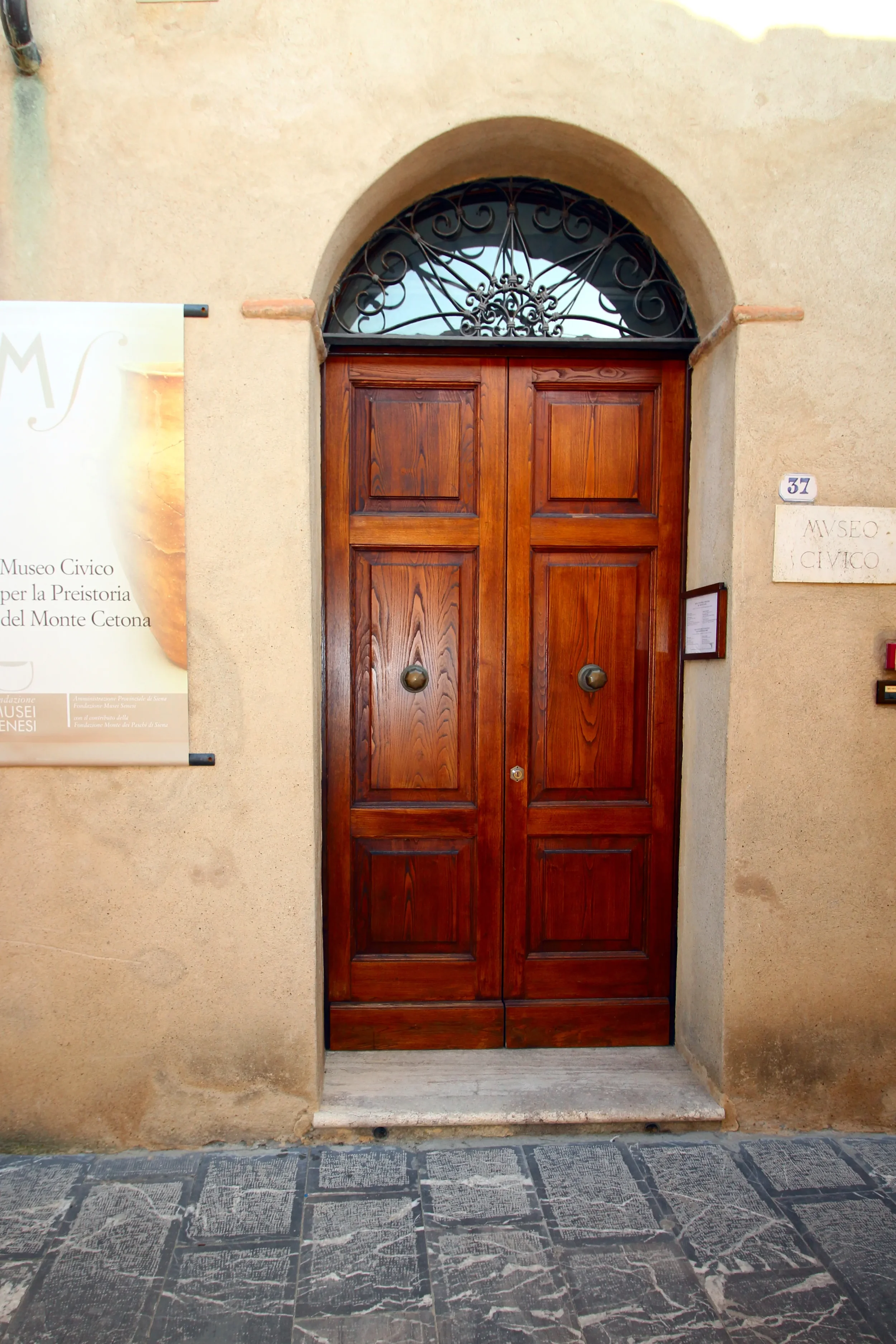
The Civic Museum of the Prehistory of Monte Cetona is in the town hall. Its displays trace human presence in the surrounding area from the Palaeolithic to the Bronze Age, putting the village’s medieval streets into a much longer timeline.
Look for the relationship between objects and daily activities: making tools, preparing food and using shelters. This is a useful introduction before visiting Belverde, where the landscape itself becomes part of the story.
Check the museum’s opening arrangements before planning your day. If you are travelling with children, choose a few questions to follow through the displays rather than trying to absorb every detail. Allow a break before moving on to an outdoor visit.
Hidden Italy tip: Visit the museum before Belverde when the schedules align, so the archaeological sites have context when you reach them.
03 — BELVERDE
Step from museum objects into their setting
Belverde’s archaeological and natural park lies outside the village, with prehistoric caves in the travertine landscape. The nearby Archeodrome uses reconstructions to explain earlier ways of living, complementing the original remains.
These are distinct parts of a visit, not simply more rooms in the town museum. Allow time to reach the park’s visitor centre and confirm which guided visits are available. The official museum and park website recommends booking and checking tour times.
Wear suitable walking shoes and ask about the route if uneven surfaces or cave access could be difficult. Visits may be suspended in bad weather. Keep a village-based alternative in mind so a change of conditions does not leave the rest of your day dependent on an outdoor tour.
Hidden Italy tip: Book the Belverde visit first, then arrange the village walk, museum and lunch around that appointment.
PLAN YOUR VISIT
Combine a village pause with a deeper discovery
A suggested day in Cetona
Begin in Piazza Garibaldi and walk the lanes while the day is cool. Visit the prehistory museum around its opening, then take lunch before a booked Belverde tour. If the park schedule falls earlier, reverse the order; the village stroll is the easiest part to keep flexible.
Where to stay and how long
A half-day suits the historic centre and a relaxed meal. Allow a full day for the museum and Belverde combination. Stay one or two nights for an easier pace or as part of a southern Valdichiana journey, checking luggage access for historic-centre rooms and driving requirements for rural stays.
When to visit
Spring and autumn can be pleasant for combining the village with outdoor archaeology. Summer calls for shade breaks and water, particularly around a park visit. Outside the main season, check each site separately: the museum and Belverde do not necessarily operate on the same timetable.
Getting here and around
Park in signed areas and continue into the old centre on foot. Belverde is a separate transfer rather than an automatic extension of a short town stroll. If arriving by public transport, verify the onward connection to Cetona and how you will reach the park; arrange the return as carefully as the outward journey.
What to try locally
Look for local extra virgin olive oil and regional pasta dishes. Cetona’s food traditions include pastrignocchi, a simple handmade pasta. Ask what is prepared locally and in season, and allow a proper meal to be part of the day rather than a hurried gap between visits.
Build a longer Tuscan journey
Use our Tuscany travel map to plan nearby stops and the Tuscany guide for wider ideas. The seven-day itinerary offers a regional framework; add time for Cetona if prehistory and quieter village visits are priorities.
Image credits
Civic Museum of the Prehistory of Monte Cetona — LigaDue · CC BY-SA 4.0
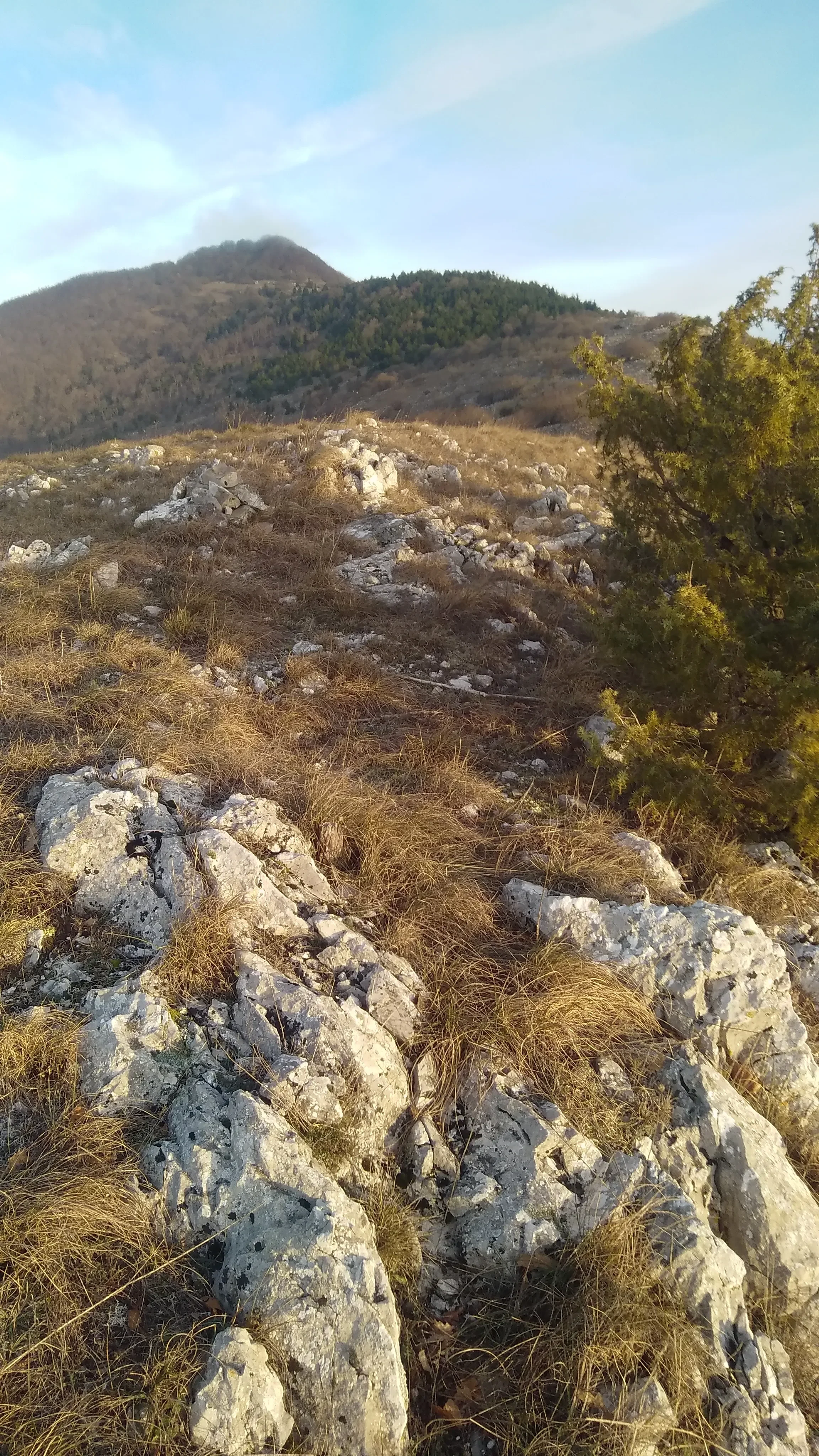
Monte Cetona, southern ridge — Pampuco · CC BY-SA 4.0
Via Wikimedia Commons. Converted to WebP and resized for display; any crops are shared under the same licences.

