Barga
A cathedral above the rooftops, with mountains beyond the Serchio Valley
Barga combines the intimacy of a walled town with a much wider mountain setting. Lanes climb towards San Cristoforo, where the view opens above the roofs to the surrounding hills. Below, small squares invite a slower circuit of churches, shops and places to eat. Give the town an unrushed day, or stay longer to explore the Serchio Valley and nearby villages.
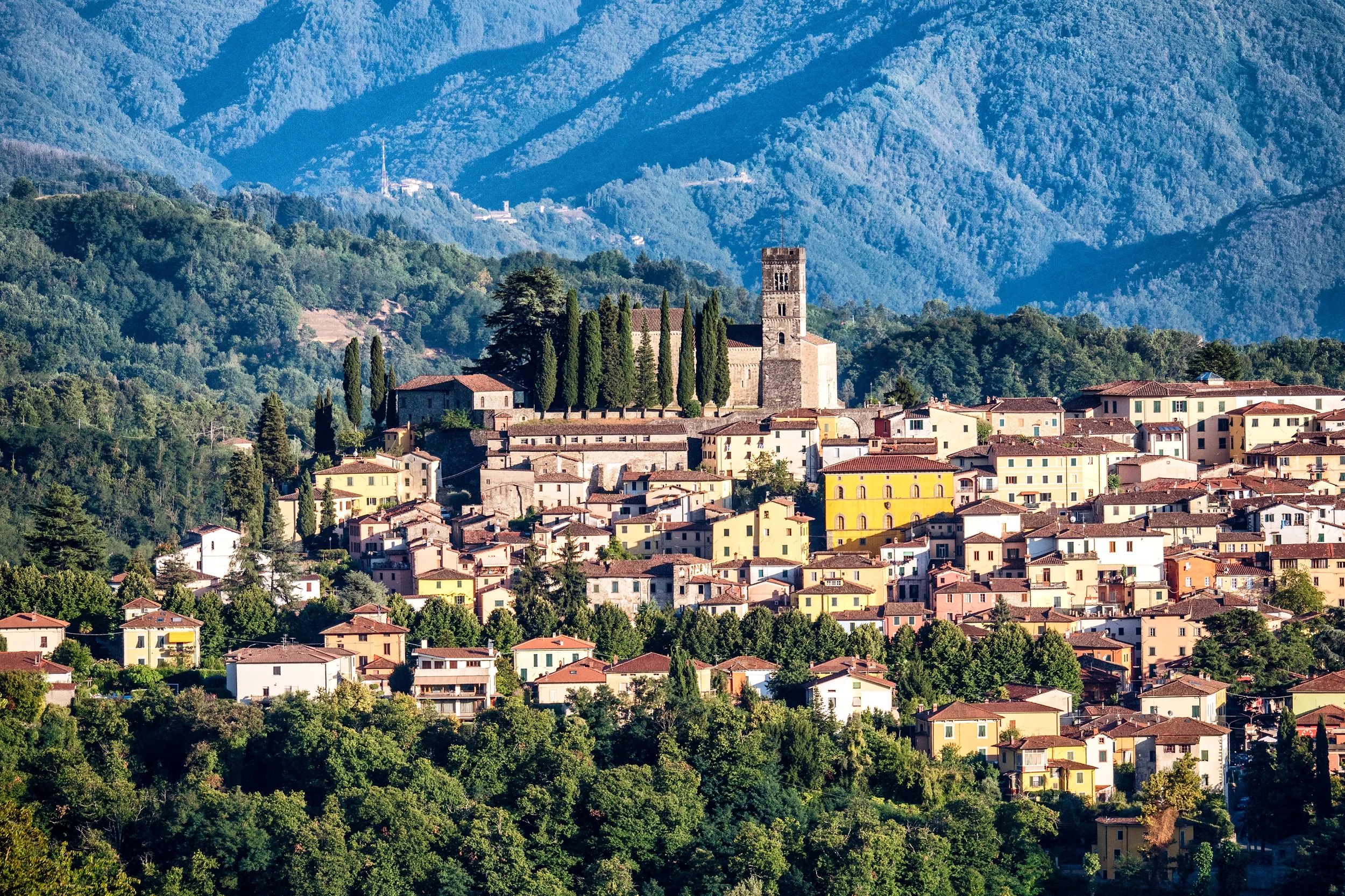
01 — SAN CRISTOFORO
Climb towards the cathedral and the open sky
San Cristoforo is Barga’s great landmark. Its stone exterior has an almost fortified presence above the town, while the building brings together several phases of medieval construction. Approach on foot and allow time to see it from more than one side.
Inside, the sculpted marble pulpit and Della Robbia terracotta reward close attention. This is a place to look slowly at material and workmanship, not simply a shelter between viewpoints. Check access around services and keep your visit quiet.
The Arringo beside the cathedral opens the town to its landscape. Stay for the changing relationship between roofs, hills and distant mountains. The climb is part of the experience, so allow pauses and check an appropriate route in advance if steps or slopes are difficult.
Hidden Italy tip: Visit the cathedral when it is open, then return to the surrounding viewpoint later if the light or weather improves.
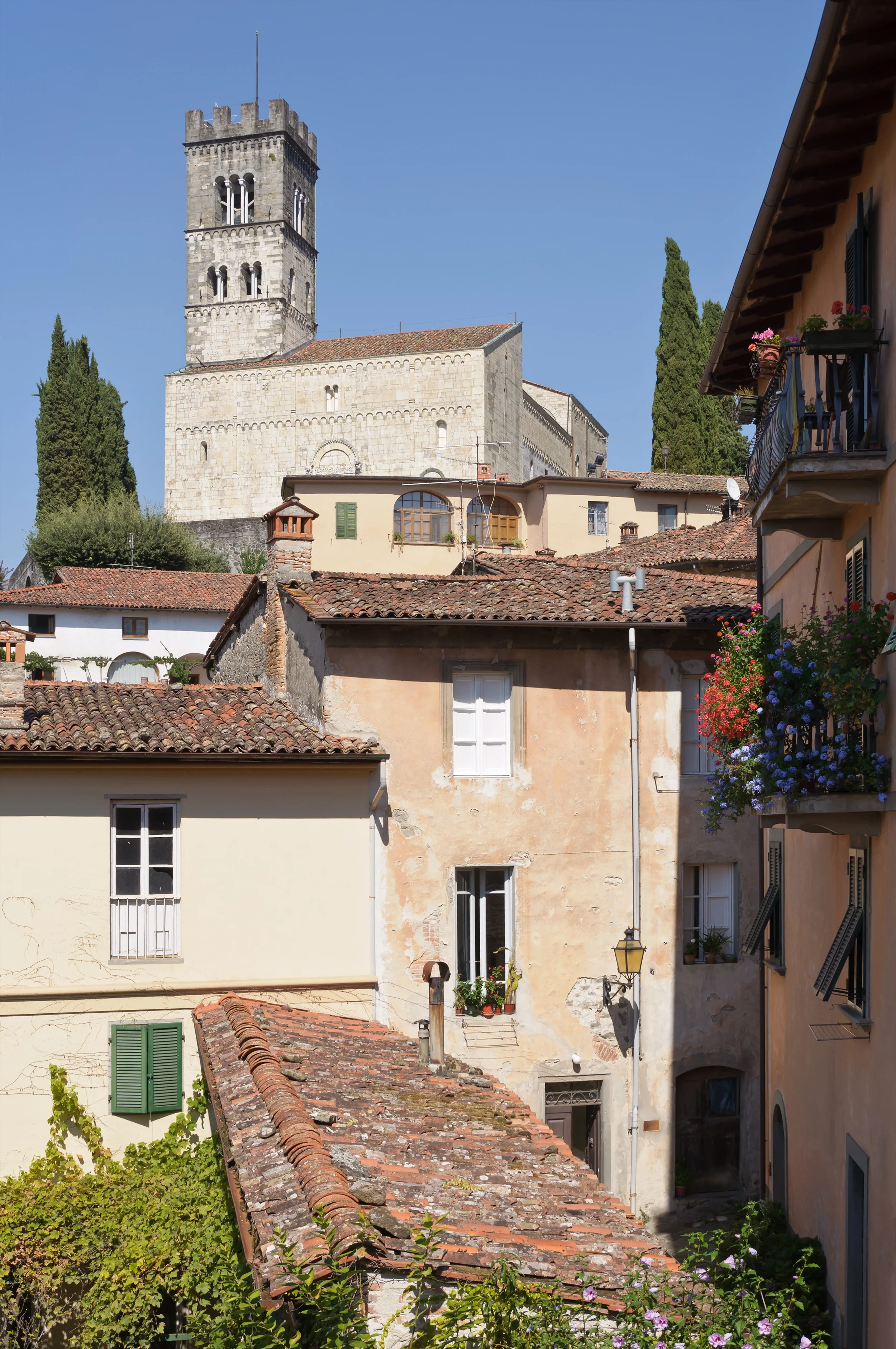
02 — WITHIN THE WALLS
Find a different Barga below the landmark
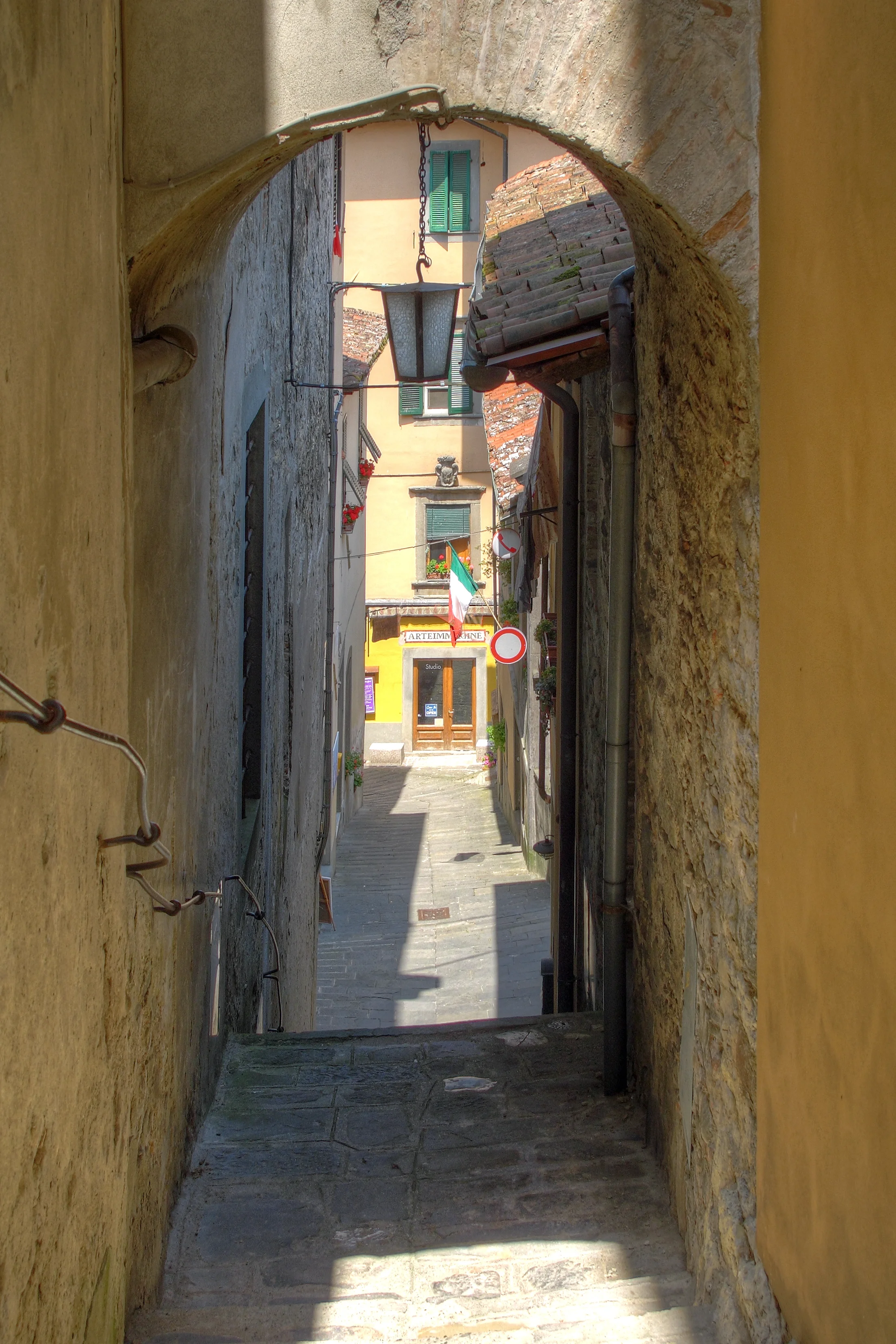
Start around Porta Reale and follow the lanes into the historic centre. Via del Pretorio and the smaller connecting streets make a useful way to explore without reducing the visit to a straight climb up and down.
Near the cathedral, the Loggia del Podestà adds a civic layer to the town’s history. Elsewhere, the Teatro dei Differenti and small piazzas suggest a town with a cultural life beyond its architecture. Check current programmes if you would like an evening performance.
Leave gaps for a coffee, a shop or a second look at a lane you passed earlier. Barga is compact enough for an exploratory walk, but its uneven levels mean a small distance on the map can take longer than expected. Treat residential doorways as private spaces.
Hidden Italy tip: Choose a different route back from the cathedral, allowing the lower town to become part of the visit rather than just an approach.
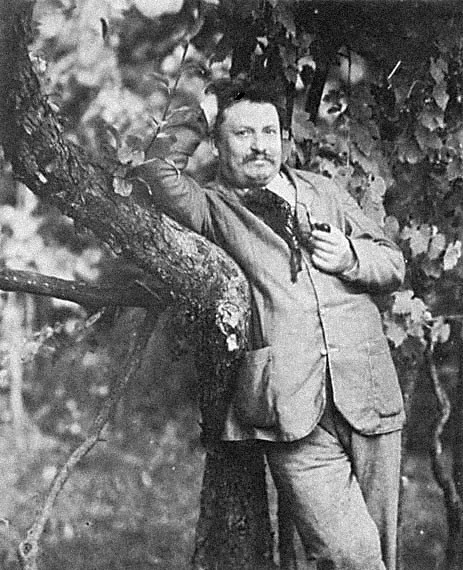
03 — A POET’S LANDSCAPE
Continue towards Castelvecchio Pascoli
Nearby Castelvecchio Pascoli is associated with the poet Giovanni Pascoli, whose house offers a focused excursion from Barga. It is a separate stop outside the old town, so plan the transfer and check the house’s current visitor arrangements.
The connection is particularly rewarding after seeing the landscape from San Cristoforo. Pascoli wrote about the cathedral’s bells, linking the town above with the countryside where he lived. A house visit gives the wider scenery a human story.
Alternatively, reserve the afternoon for a properly planned valley walk. Longer routes into the surrounding mountains require suitable equipment, current trail information and a weather check. A stroll through Barga and a mountain hike are different undertakings, even when they begin in the same holiday.
Hidden Italy tip: Pick either the literary visit or a longer walk for the afternoon, leaving enough time to enjoy both the journey and the return.
PLAN YOUR VISIT
Give Barga a day, and the valley a little longer
A suggested day in Barga
Walk through the old centre in the morning and visit San Cristoforo when access allows. Pause at the Arringo before lunch below. Spend the afternoon exploring the remaining lanes or visiting Castelvecchio Pascoli, then return for dinner if staying locally.
Where to stay and how long
A full day is a good starting point for the town. Two or three nights let you add villages, a house-museum visit or a walking day without rushing. Historic-centre rooms suit evenings on foot; countryside stays may be easier for parking but require more planning for meals and transport.
When to visit
Spring and autumn can be comfortable for town walks. Summer brings cultural events, including Barga’s jazz programme, so check dates and book ahead if attending. Mountain weather can differ from conditions in the valley: keep outdoor plans flexible and have an indoor alternative.
Getting here and around
Arrive at signed parking outside the old streets and continue on foot. For rail travel, check the location of your arrival station and the onward transfer to hilltop Barga before buying tickets; a station serving the area is not the same as arriving at the town gate. Verify the return connection as well.
What to try locally
Look for dishes using Garfagnana spelt and chestnut flour, ingredients rooted in the surrounding valley and mountain landscape. Ask what is seasonal and made locally rather than expecting the same menu throughout the year.
Build a longer Tuscan journey
Our Tuscany travel map can help group northern stops. Use the Tuscany guide for regional context and the seven-day itinerary as a broader framework, adding time for Barga and the Serchio Valley instead of squeezing them between distant cities.
Image credits
Panorama di Barga — Sertummi · CC BY-SA 4.0
Barga and San Cristoforo — Photo: Myrabella / Wikimedia Commons · CC BY-SA 3.0
Vicolo Giannotti — Giorgio Galeotti · CC BY 3.0
Giovanni Pascoli at Castelvecchio — unknown photographer · Public domain (Commons record)
Via Wikimedia Commons. Converted to WebP and resized for display; any crops of CC BY-SA images are shared under their respective licences.


