Home › Tuscany › Casale Marittimo
Casale Marittimo
A stone village above the Cecina Valley, with the coast on the horizon
Casale Marittimo is a place for a gentle circuit through stone lanes, a long lunch and a pause at the edge of the village. The old centre is small enough to explore without a complicated route, yet its layers reward attention. Set in the hills inland from the Etruscan Coast, it works beautifully as the slower half of a day that also includes the sea.
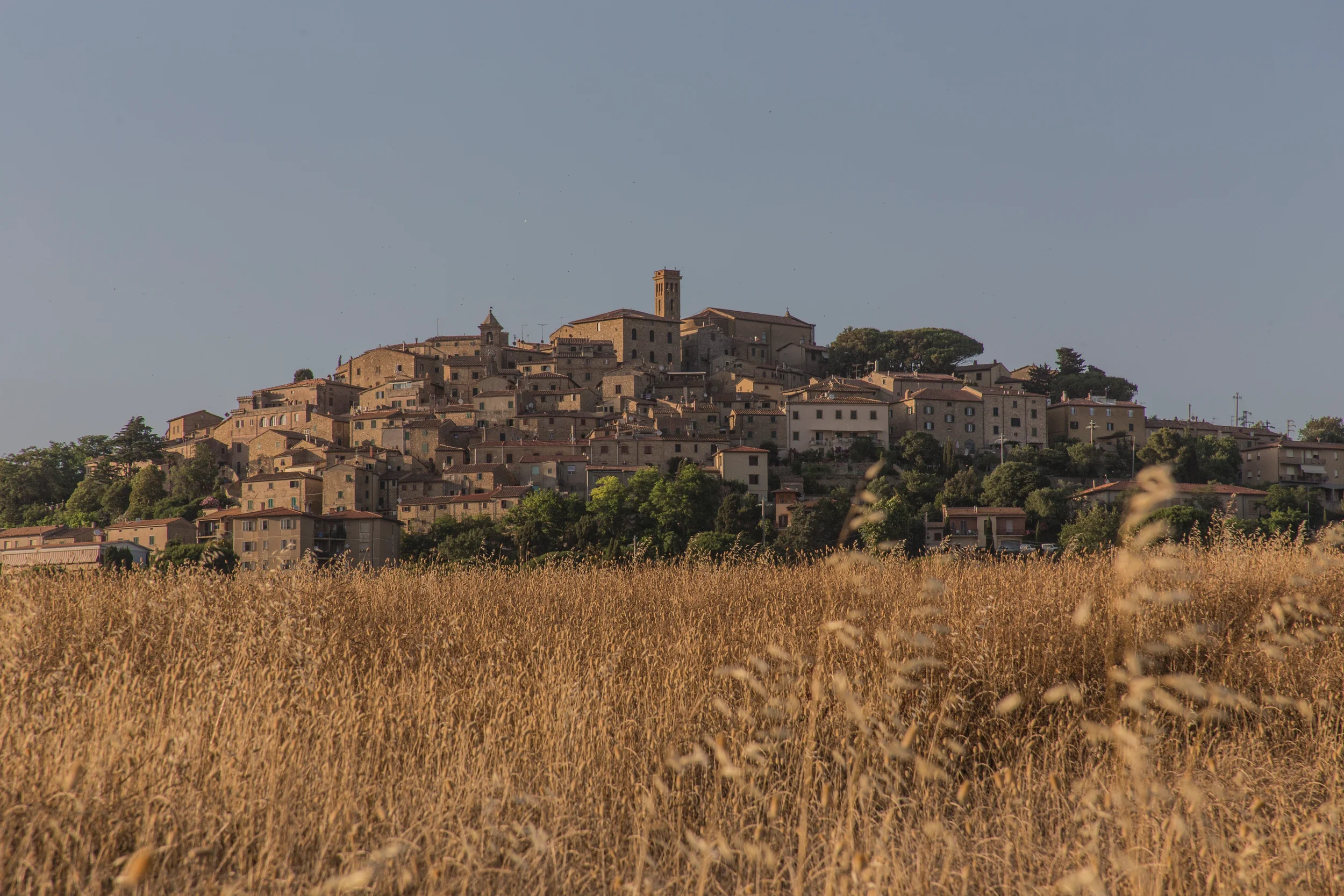
01 — THE OLD CASTELLO
Follow the curve of the medieval village
Begin in Piazza del Popolo and head towards the clock tower, which marks the entrance to the older Castello district. Here the remains of the fortified settlement are woven into the houses rather than standing apart as a single castle to tour.
Via del Castello follows the shape of the former walls. Look for changes in masonry and the way buildings close around the route, then continue into the lanes outside the oldest core. A short circuit can become an absorbing walk when you slow down for the small details.
The municipal visitor guide describes the old parish church that became the town hall, a reminder that buildings here have changed use over time. Keep the distinction between this earlier church and today’s Sant’Andrea in mind as you explore.
Hidden Italy tip: Walk the circuit once for orientation, then return to the corners that caught your eye rather than rushing straight to another village.
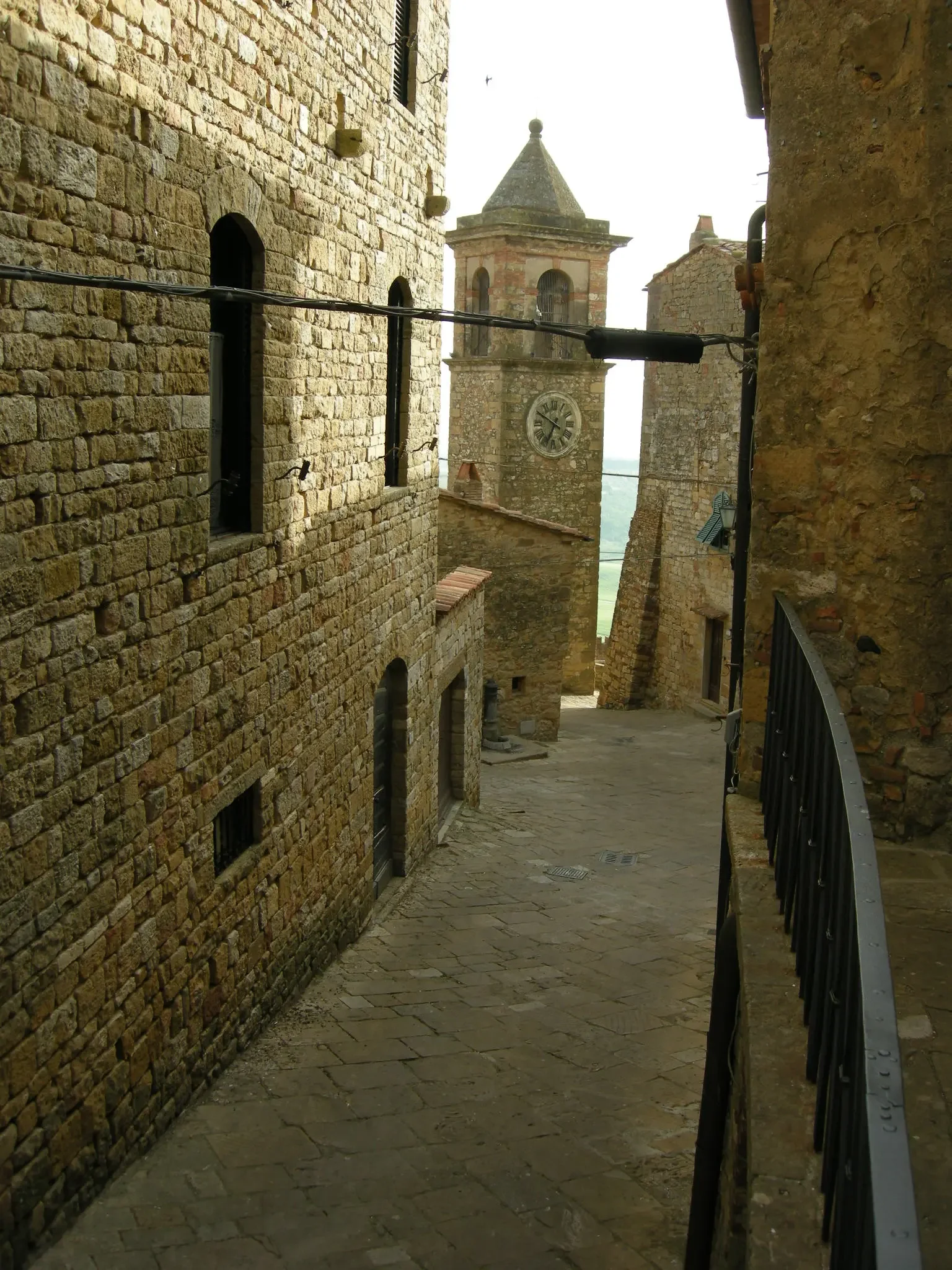
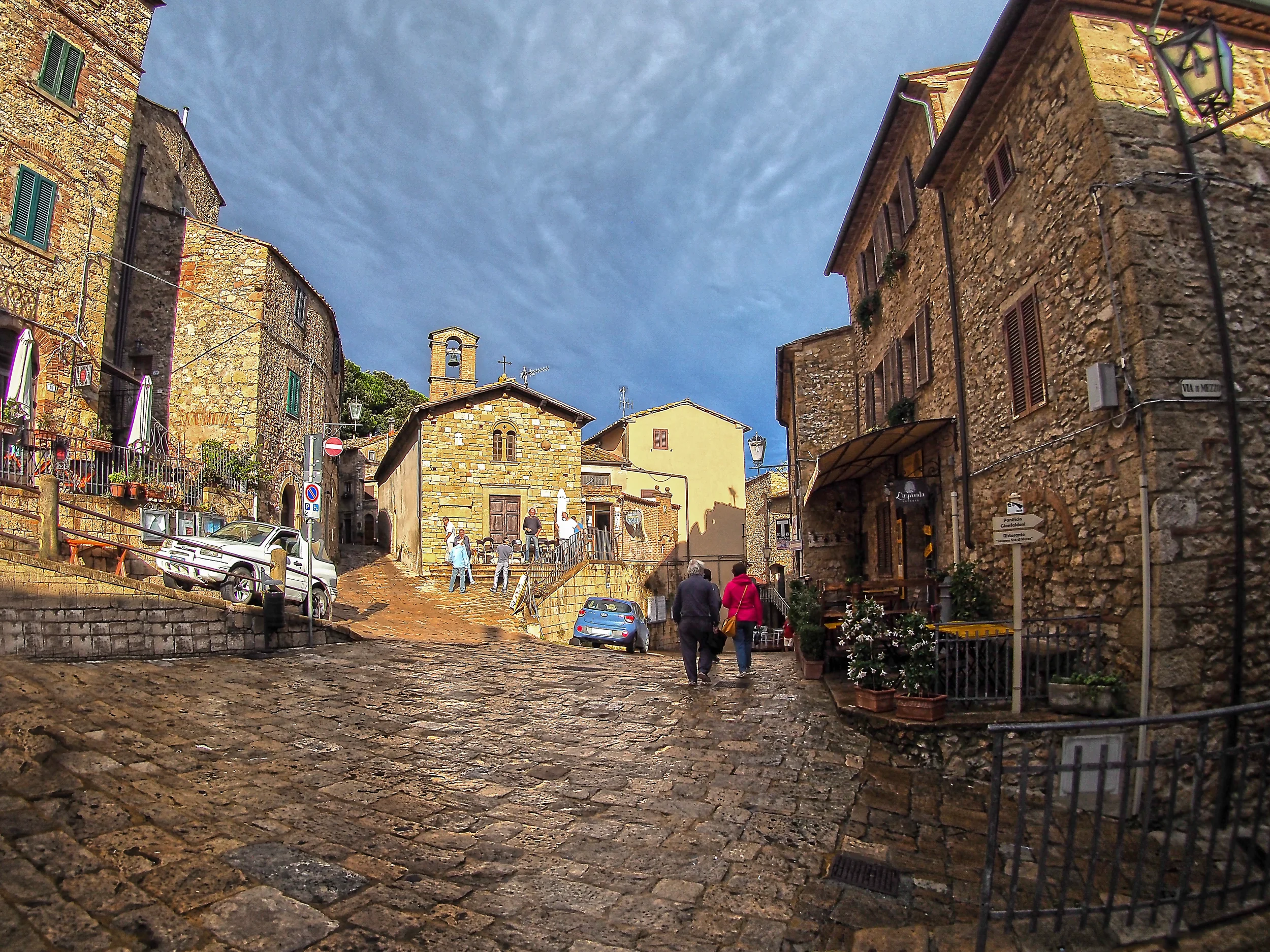
02 — CHURCHES AND REUSED STONE
Look beyond the medieval first impression
The present Church of Sant’Andrea is a nineteenth-century building with much more recent frescoes inside. Its mixture of periods makes it worth visiting on its own terms, rather than assuming every part of Casale dates from the Middle Ages.
At the portal, a relief depicts the patron saint. Inside, reused architectural fragments connect the church with the area’s older history. Visit quietly outside services, and check local access if seeing the interior is important to you.
Continue towards the small Madonna delle Grazie chapel and the streets around Piazza del Popolo. These modest stops suit a village walk rather than a timed museum itinerary. Closed doors need not end the visit: the changing scale of squares, arches and houses remains the main pleasure.
Hidden Italy tip: Keep a little time for church interiors, but let the village walk remain flexible around worship and local opening arrangements.
03 — BETWEEN HILLS AND SEA
Give the coastal landscape a place in your day
Casale overlooks the Cecina Valley from the hills inland of the coast. On a clear day, look out towards the sea and consider the landscape between: cultivated slopes, scattered settlements and routes linking the interior to the shore.
The countryside produces olive oil, honey and wine, including Montescudaio DOC. A booked tasting or a local meal can add a more grounded experience than another quick viewpoint. Confirm arrangements with the producer and plan transport if wine tasting is part of the visit.
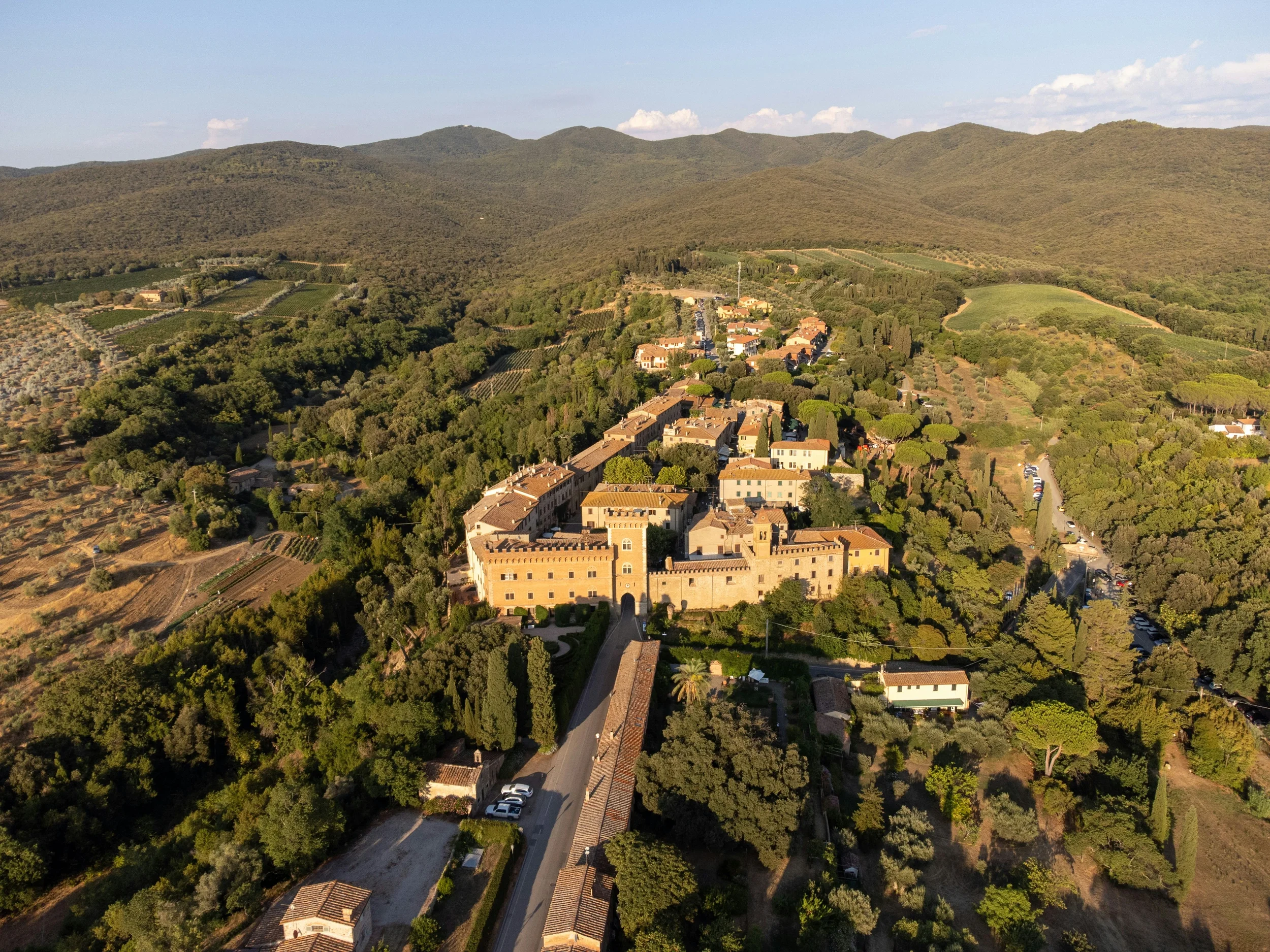
For a wider day, choose either time on the coast or another inland village. Bolgheri is one possible companion, but filling every gap with driving can undo the unhurried atmosphere that makes Casale appealing. The village itself is inland; reaching a beach requires a separate journey.
Hidden Italy tip: Use the clearest weather for the views and save a sheltered table or village stroll for the softer hours of the day.
PLAN YOUR VISIT
A small village that suits an unhurried stop
A suggested day in Casale Marittimo
Spend the morning following the Castello circuit and visiting Sant’Andrea if open. Pause for lunch, then choose a coastal afternoon or a prearranged countryside visit. Return for an evening stroll if staying nearby; there is no need to fill the whole day with monuments.
Where to stay and how long
A few hours allow a satisfying first visit. Stay a night for dinner and a quieter morning, or use countryside accommodation as a base for several coastal and hill-town days. Ask about parking and luggage access for rooms in the old village, and check whether rural accommodation requires a car for meals.
When to visit
Spring and early autumn can work well for combining village walks with the coast. In summer, visit early or later in the afternoon and reserve dinner if you have a particular place in mind. Outside the main season, confirm restaurant and accommodation availability before relying on a spontaneous overnight stop.
Getting here and around
Use signed parking and explore the compact centre on foot. Steps and sloping paving may affect the route for anyone with limited mobility. Public-transport travellers should verify the connection from the coastal rail corridor, the village stop and the last return service for their actual travel day.
Build a longer Tuscan journey
Use our Tuscany travel map to group inland stops sensibly. The Tuscany beach guide helps with the coastal part of your trip, while the regional guide offers ideas beyond this area. Leave enough room between destinations to enjoy each place on foot.
Image credits
Casale del colore del grano — Federica Montermoli — CC BY-SA 4.0.
Clock tower and village lane — I, Sailko — CC BY 2.5.
Fish eye Piazza del Popolo Casale Marittimo — Repuli — CC BY-SA 4.0.
These images are via Wikimedia Commons, converted to WebP and resized for display; any crops of CC BY-SA images are shared under their respective licences.
Bolgheri aerial view — Christian Dübendorfer / Unsplash — Unsplash License.


