Isola Santa
Stone roofs and still water in the wooded heart of the Apuan Alps
Isola Santa is a small village beside a reservoir in the Turrite Secca valley. Stone houses and the Church of San Jacopo gather close to the water, with wooded slopes rising around them. Its appeal lies in the setting rather than a long list of attractions. Come for a quiet pause on a Garfagnana journey, or stay longer with a carefully chosen walk and a meal arranged in advance.
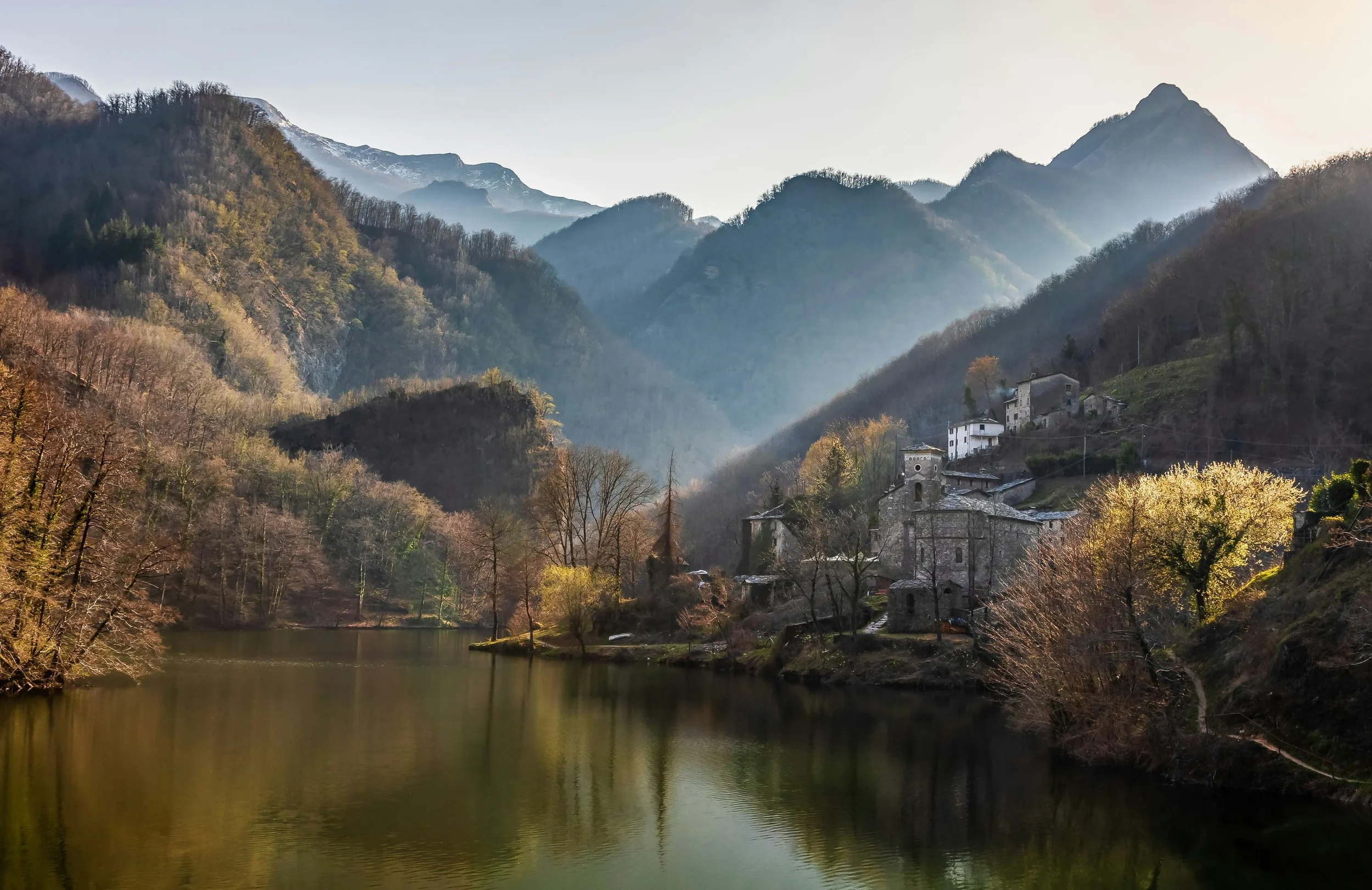
01 — A VILLAGE BY THE WATER
Arrive on foot and look at the smaller details
Leave the car in an authorised parking area and approach the village on foot. The change from road to stone paths is part of the experience, bringing the houses and their traditional stone-slab roofs into closer view.
San Jacopo gives the settlement a clear landmark. Isola Santa’s history includes a medieval place of hospitality for travellers crossing between Garfagnana and the coast, long before the present lake transformed the valley.
Keep to public paths and respect accommodation entrances and private terraces. This is a small place where a handful of visitors can fill a lane; pause where there is space rather than blocking access while taking photographs.
Hidden Italy tip: Put the camera away for part of the walk and notice the roofs, stonework and relationship between the buildings and the slope.
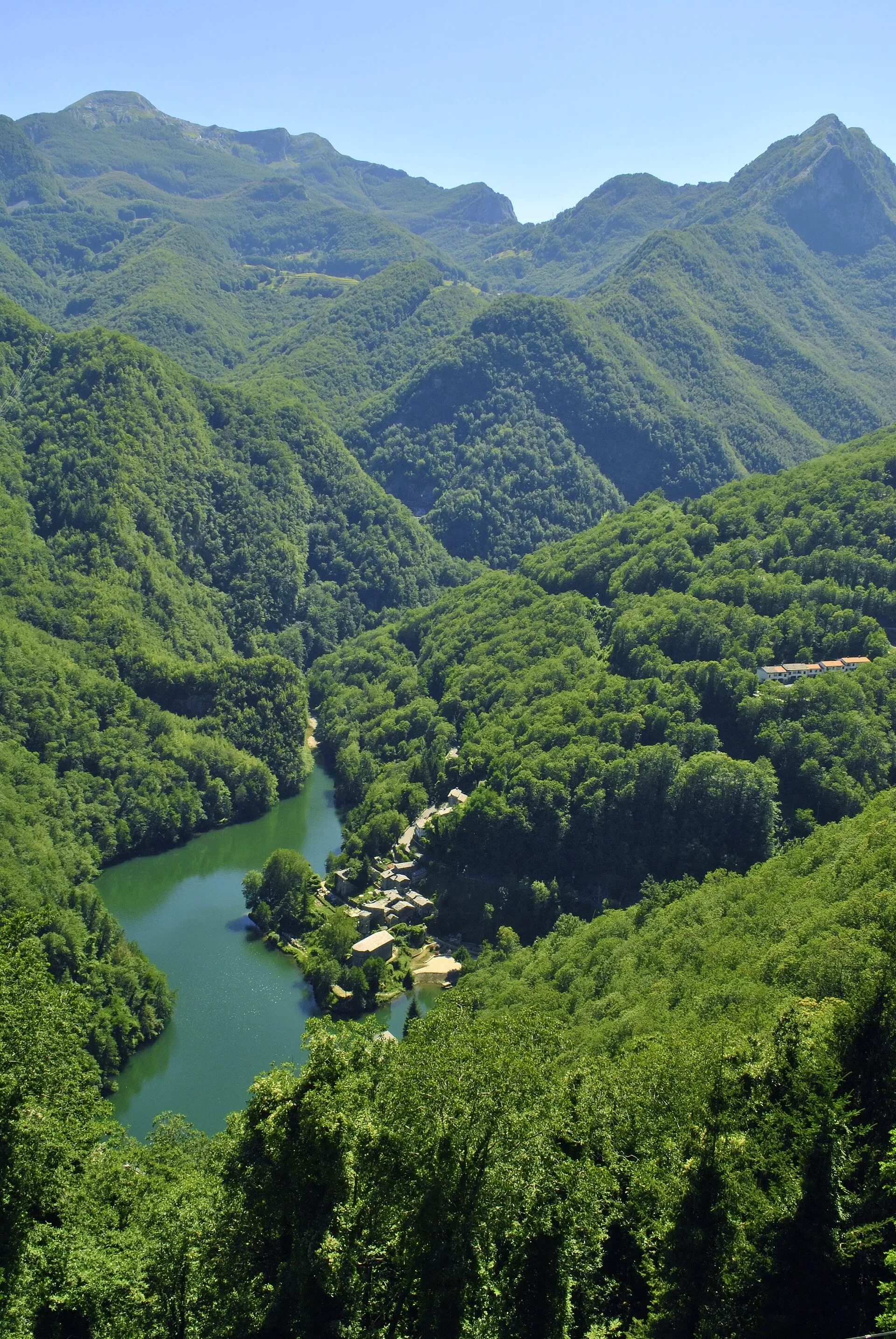
02 — THE RESERVOIR
Understand the water that changed the settlement
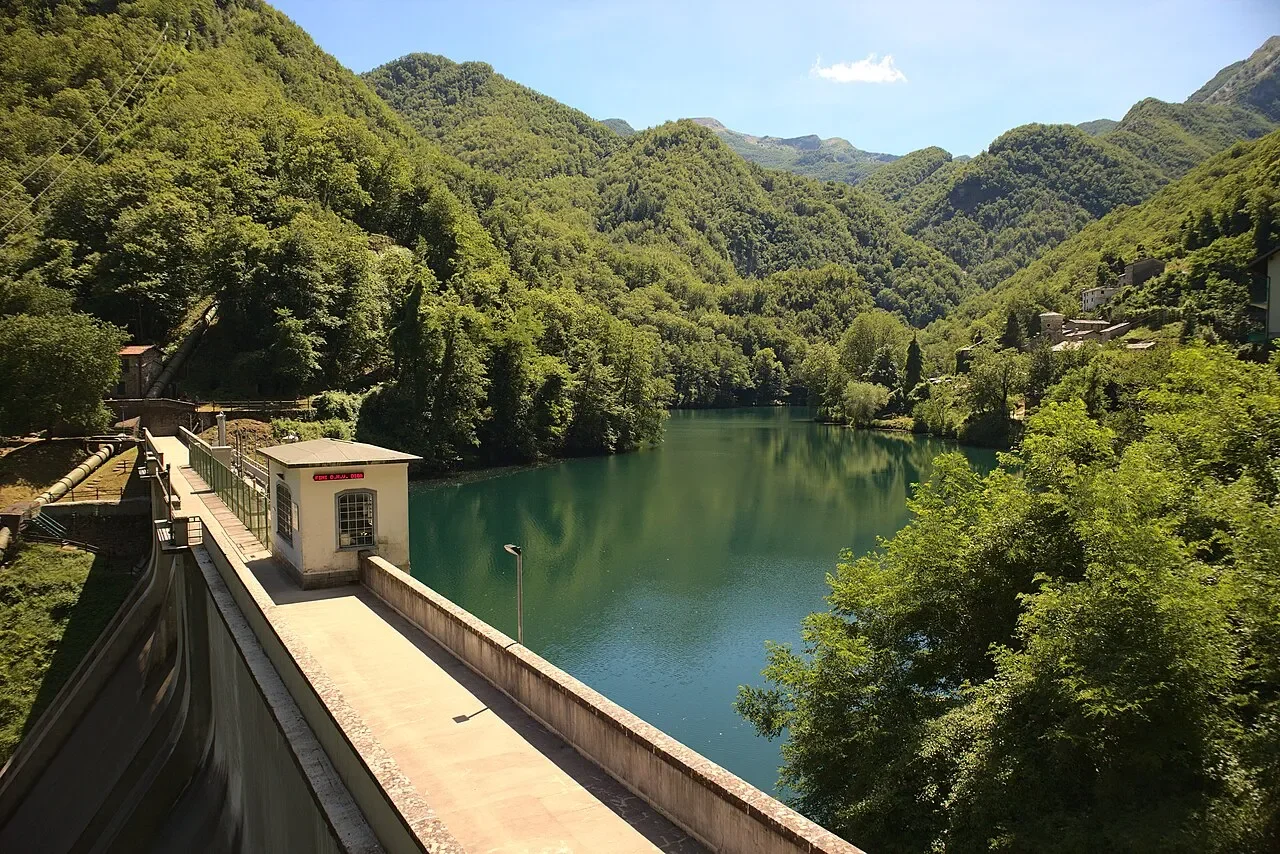
The lake is a hydroelectric reservoir, not an ancient natural lake. Dam construction in the mid-twentieth century changed the valley and contributed to the village’s abandonment; later restoration brought new uses to many of its houses.
That history matters when looking at the scene today. Water levels, reflections and the appearance of the shore can vary, so enjoy the conditions you find rather than expecting a photograph seen elsewhere to repeat exactly.
Use permitted public viewpoints and follow local notices near the water and hydraulic structures. Fishing is subject to specific local rules: check current permissions if it is part of your plans. Treat the visit as a village and landscape experience rather than assuming the reservoir offers unrestricted watersports or bathing.
Hidden Italy tip: Allow a little flexibility in your arrival time if photography matters, but never rely on a particular water colour, reflection or lake level.
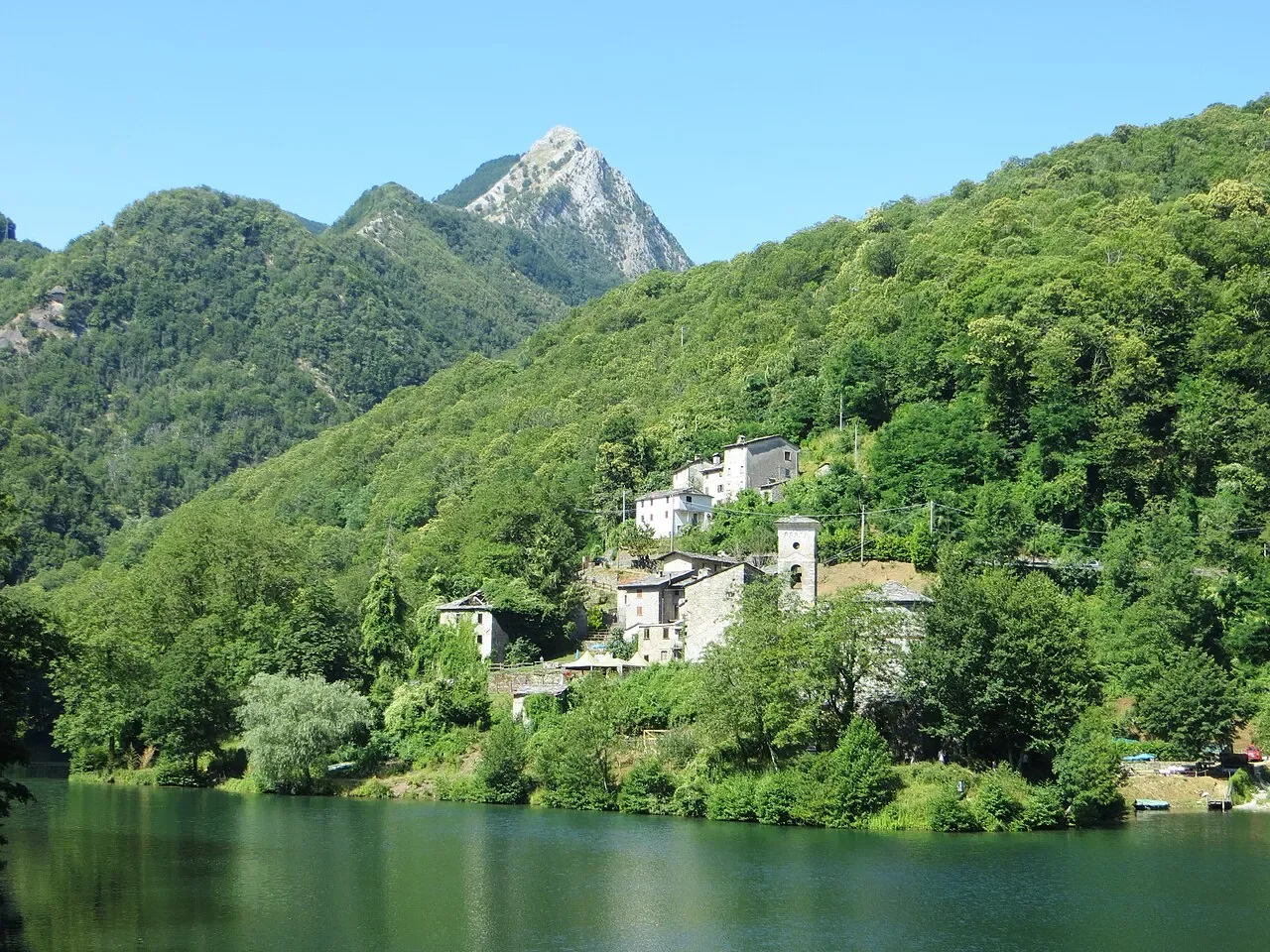
03 — WALKS AND MOUNTAIN ROUTES
Choose a walk that matches the day you want
A local lakeside walk towards the Pollaccia spring offers a way to see more of the valley. Ask about current access and conditions before leaving the village, particularly after heavy rain.
Longer paths lead into the Apuan Alps, but a mountain excursion is a different undertaking from a short waterside stroll. Decide on a named route, check its difficulty and elevation change, and carry suitable footwear, water, navigation and weather protection.
The official Garfagnana visitor guide introduces the setting and walking possibilities. Use current local or park advice for the route itself, and turn back if conditions do not suit your group rather than extending an improvised walk uphill.
Hidden Italy tip: For a first visit, keep the village and a modest walk as the main plan; reserve a substantial mountain route for a separate, properly prepared day.
PLAN YOUR VISIT
Keep the plan simple and the mountain setting in mind
A suggested visit to Isola Santa
Arrive with time to park safely, walk into the village and enjoy the lake setting. Add a checked short walk if conditions allow, then pause for a prearranged meal. This can be a relaxed half-day; a longer hike should shape the day from the outset rather than being added at the last moment.
Where to stay and how long
A few hours suit a first look. An overnight stay can provide a quieter evening and an early start, but confirm meals, arrival arrangements and the path from parking before booking. For several mountain outings, compare staying here with a broader Garfagnana base that offers the services and transport you need.
When to visit
Choose conditions that suit your planned walk, not simply the season on the calendar. Rain can affect paths and views, while mountain temperatures may differ from those on the coast. Outside busier periods, confirm accommodation and dining availability rather than assuming everything operates daily.
Getting here and around
Isola Santa lies on the mountain-road connection between Castelnuovo di Garfagnana and the coast. Allow time for the winding journey and use proper parking rather than stopping on bends. Public-transport travellers should check the current service, precise stop and return connection; do not rely on an old route number or timetable.
Food and practical essentials
Arrange lunch or dinner ahead if you want to eat in the village, particularly when staying overnight. Carry water and any snacks needed for your walk. Travelling light makes the foot approach easier, while overnight guests should ask about luggage help and step-free access where needed.
Build a longer Tuscan journey
Combine Isola Santa with a slower exploration of Garfagnana and the Serchio Valley, allowing realistic mountain-road time between stops. Our Tuscany travel map helps organise the route, and the Tuscany guide offers wider ideas. Add northern mountain days to the seven-day itinerary rather than treating this as a quick detour between distant cities.
Image credits
Isola Santa at the lake — Samuele Bertoli / Unsplash.
Isola Santa dall’alto — Simone Baldini — CC BY-SA 4.0.
Diga di Isola Santa — Daniele Napolitano — CC BY-SA 4.0.
Lago e borgo Isola Santa — Michela Cupisti — CC BY-SA 4.0.
Commons photographs via Wikimedia Commons. Converted to WebP and resized for display; any crops or other adaptations of the Commons photographs are shared under the same licences.


