Poppi
A castle above the Casentino, with porticoes and forest journeys below
Poppi offers a strong sense of place before you enter a museum: the castle rises over the village and the Casentino opens around it. Inside the old centre, porticoes and churches invite a slower walk. This is a good destination for travellers who want a substantial historic visit without losing the quieter pleasures of a small town, with forest and monastery excursions available on a longer stay.
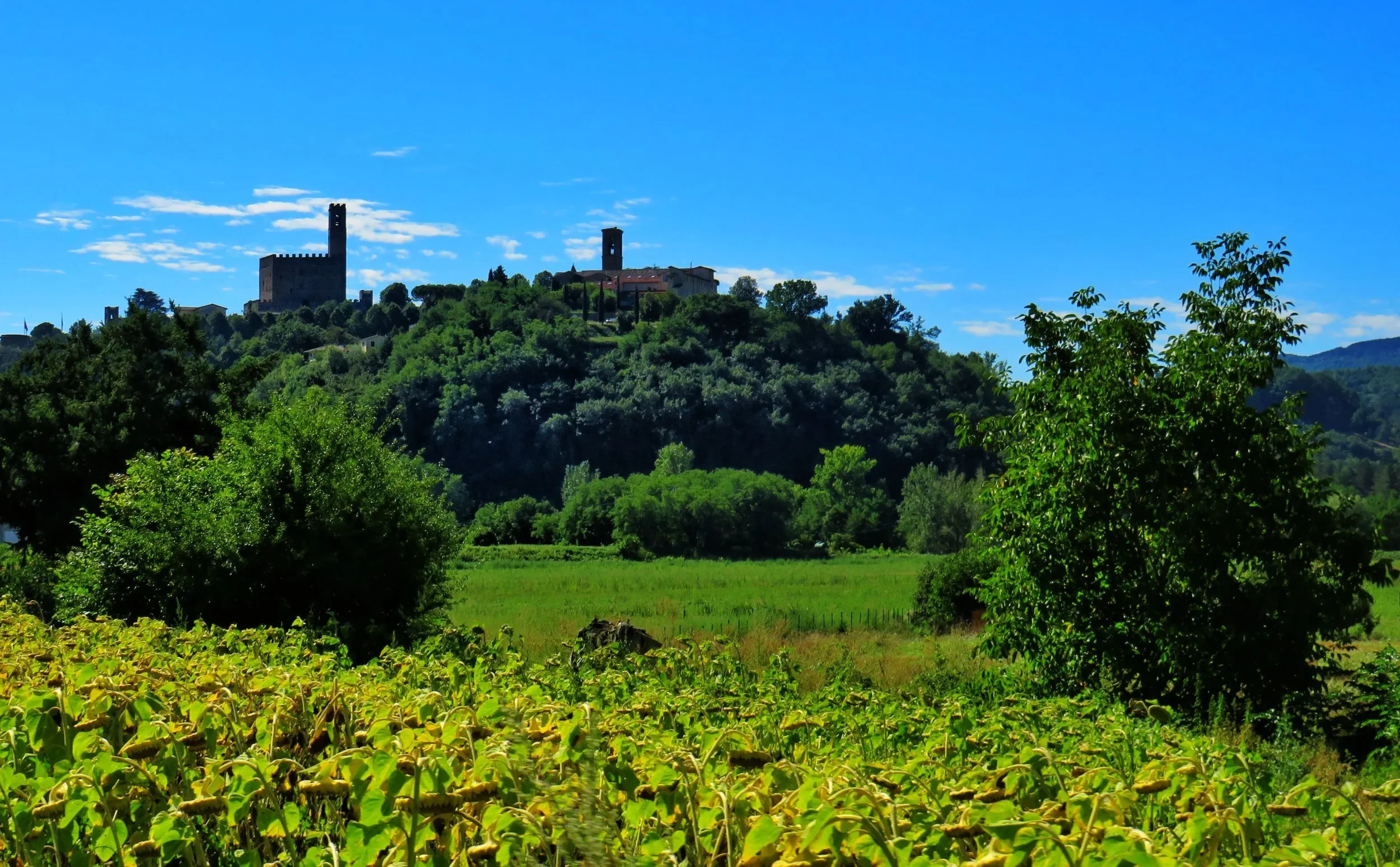
01 — THE CONTI GUIDI CASTLE
Look inside the landmark above the valley
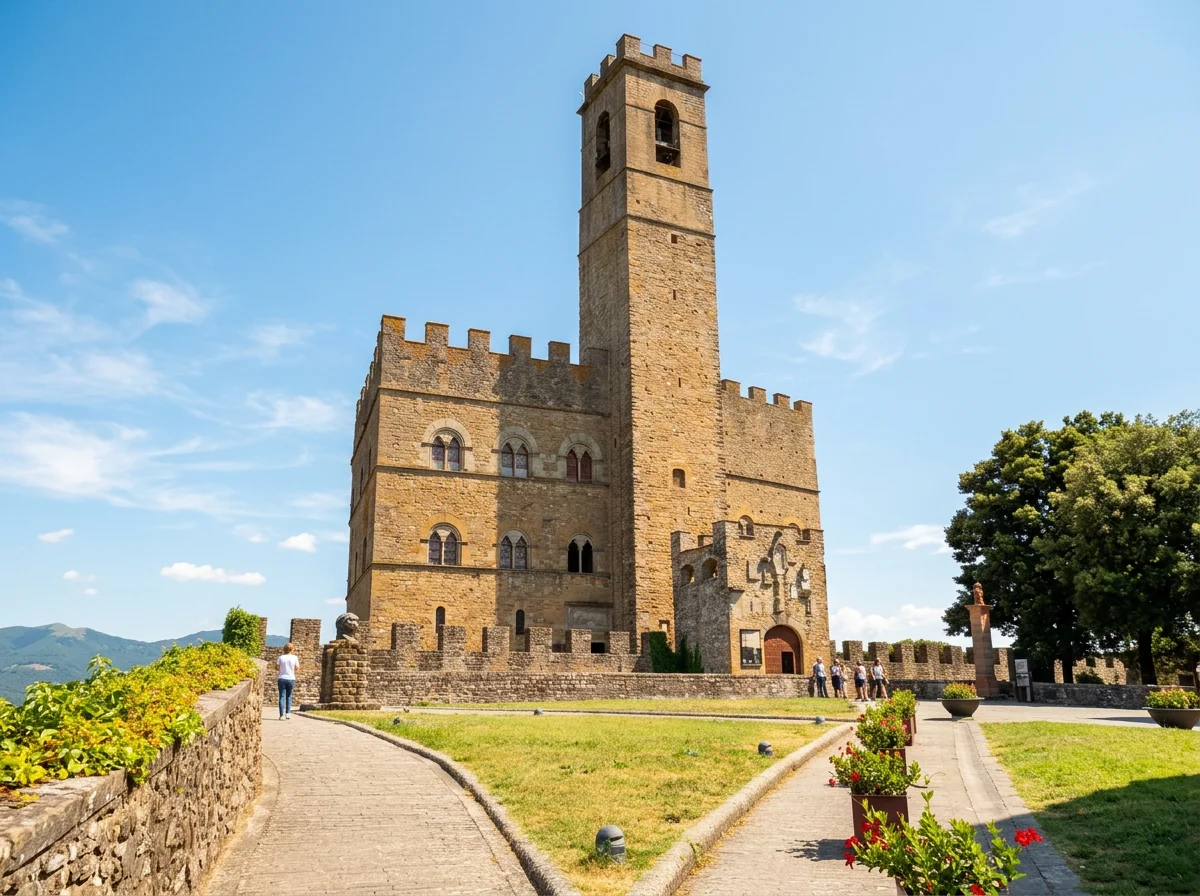
The Castello dei Conti Guidi is Poppi’s defining building. Give the visit enough time to appreciate the courtyard and staircases as well as the individual rooms: the architecture tells a story of authority, administration and changing uses.
The Rilliana Library adds another dimension, preserving a historic collection within the castle. The chapel and displays concerning the Battle of Campaldino also connect the building to the wider cultural and political history of the valley.
Consult the castle’s official visitor information before travelling, especially if a particular room is your priority. Confirm the current route and accessibility directly; opening of the castle does not necessarily mean every space or library service is available.
Hidden Italy tip: Leave a little time outside after the interior visit, so the views of the surrounding valley complete the story rather than replace it.
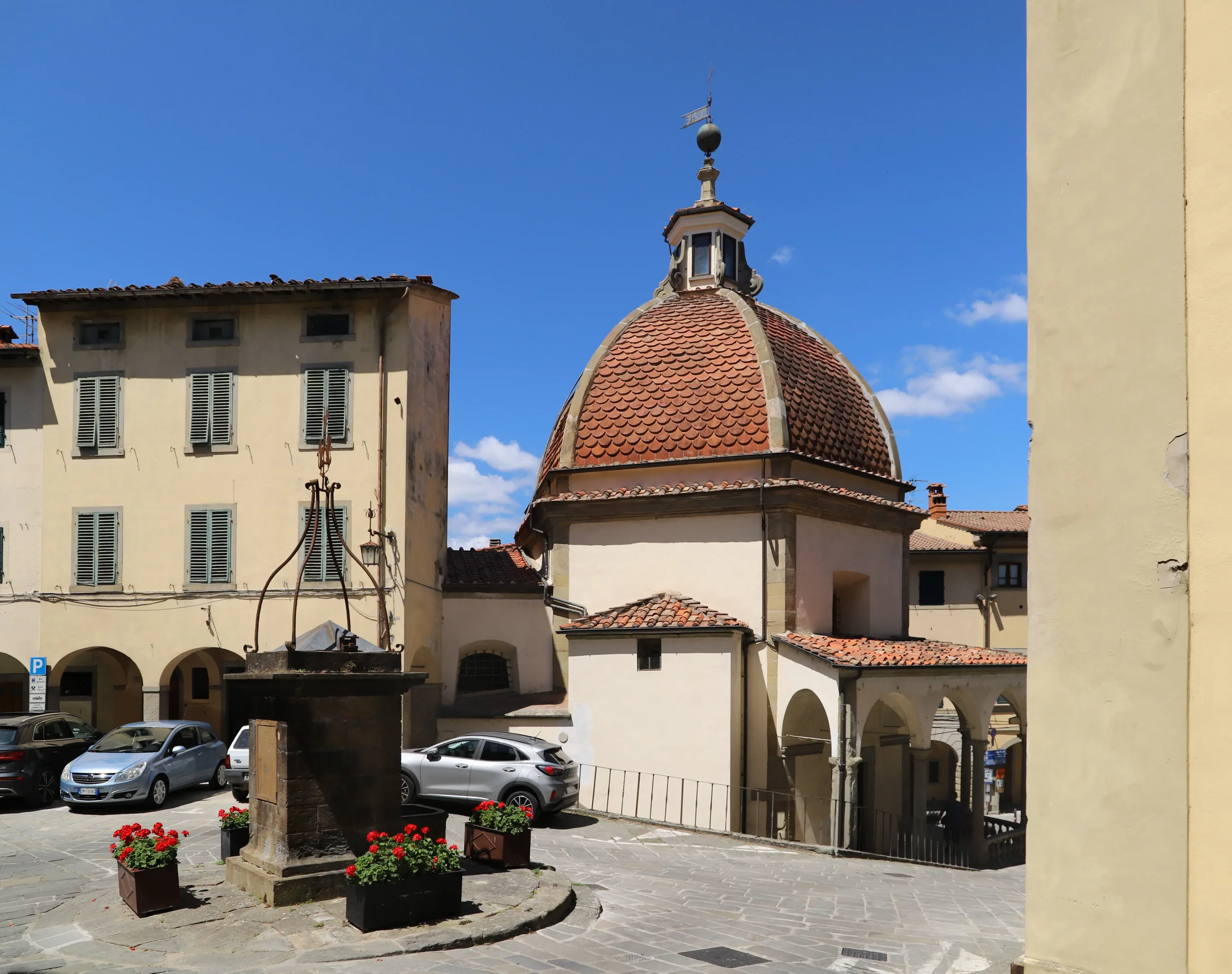
02 — PORTICOES AND CHURCHES
Follow Via Cavour beyond the castle
Walk along the porticoed streets of the historic centre towards the Abbey of San Fedele. The change from the castle’s scale to the sheltered street frontage is a good reason to explore on foot rather than treating Poppi as a single-monument stop.
In Piazza Amerighi, the Oratory of the Madonna del Morbo has an unusual hexagonal plan. Its presence introduces a different chapter of local history from the medieval fortress. Visit churches around services and respect any areas closed to visitors.
Pause for lunch or a coffee between the principal sights. A return walk through the centre often reveals details missed on arrival: a doorway beneath a portico, the alignment of a lane or the sudden view at its end.
Hidden Italy tip: Plan the castle around its opening, but keep the village walk loose enough for a stop that catches your interest.
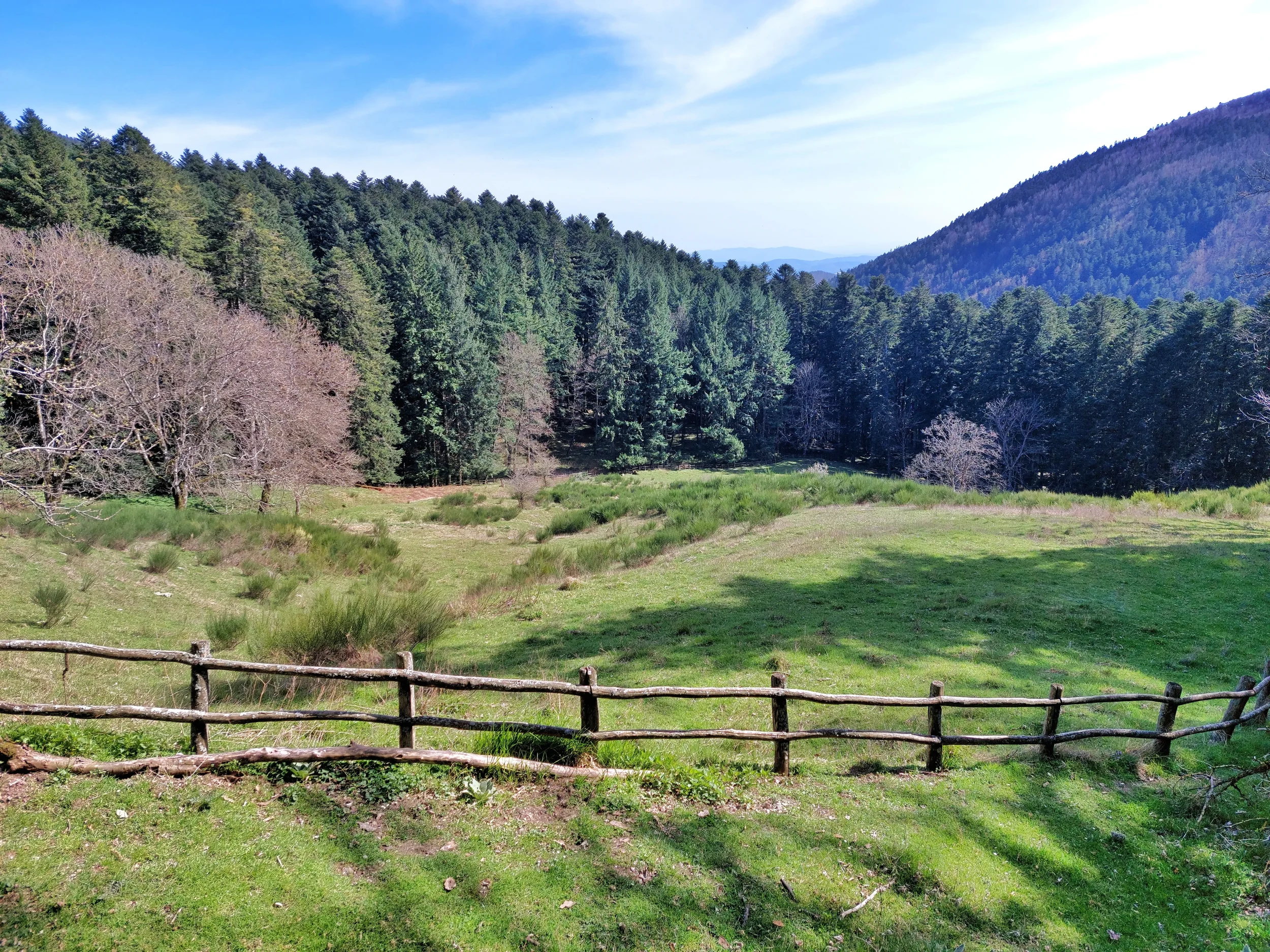
03 — INTO THE CASENTINO
Make a separate journey to Camaldoli
Poppi is a useful base for exploring the Casentino’s forest landscapes. Camaldoli offers a particularly rewarding combination of woodland and religious heritage, with a monastery and a separate hermitage rather than one interchangeable attraction.
The national park’s information point can help you choose a suitable walk and understand current conditions. A short nature trail and a longer forest hike require different amounts of time and preparation, so decide what you want before leaving town.
Respect the religious communities’ visiting arrangements and quiet spaces. Allow for the drive, the visit and any walk, and avoid adding further distant sights simply because they appear close on a regional map. Forest roads and changes in elevation make a difference to the day.
Hidden Italy tip: Give Camaldoli its own half-day or longer, leaving Poppi’s castle and village to a separate part of your stay.
PLAN YOUR VISIT
Use Poppi as a place to linger in the Casentino
A suggested day in Poppi
Begin with the castle, then walk down through the porticoed centre to San Fedele. Take lunch before exploring the smaller streets and Madonna del Morbo. Finish with a valley view; save a substantial forest excursion for another day so the village does not become a rushed stop.
Where to stay and how long
A full day suits the castle and old town. Two or three nights give you room for Camaldoli and another Casentino excursion. Choose the historic centre for evenings on foot, or a countryside base for easier access to several destinations, checking parking and meal arrangements before booking.
When to visit
Spring and autumn can be attractive for mixing town visits with the outdoors. Summer forest excursions still need water and suitable clothing, while colder months bring shorter daylight and more limited visiting schedules. Check both attraction openings and mountain conditions for the dates of your trip.
Getting here and around
Use signed parking outside the oldest streets and walk into the centre. If travelling by train or bus, verify the transfer from the valley arrival point to the hilltop town, including the return. For a forest day, confirm whether public transport meets your actual start and finish points before committing to a route.
What to try locally
Casentino cooking includes potato-filled tortelli and ingredients associated with the woods, such as mushrooms and chestnuts. Ask what is seasonal, and allow a proper lunch between the castle and the rest of town.
Build a longer Tuscan journey
Our Tuscany travel map helps you group stops geographically. Browse the Tuscany guide for wider inspiration and adapt the seven-day itinerary with extra time in the Casentino if forests and quieter towns are central to your trip.
Image credits
Poppi seen from the Campaldino plain — PROPOLI87 — CC BY-SA 4.0.
Madonna del Morbo and the town square — Sailko — CC BY-SA 4.0.
Meadow and forest at the Camaldoli hermitage — Anna.Massini — CC BY-SA 4.0.
Via Wikimedia Commons. Converted to WebP and resized for display; any crops are shared under the same licences.


