Venafro
Painted horses, Roman lives and a landscape shaped by olive trees
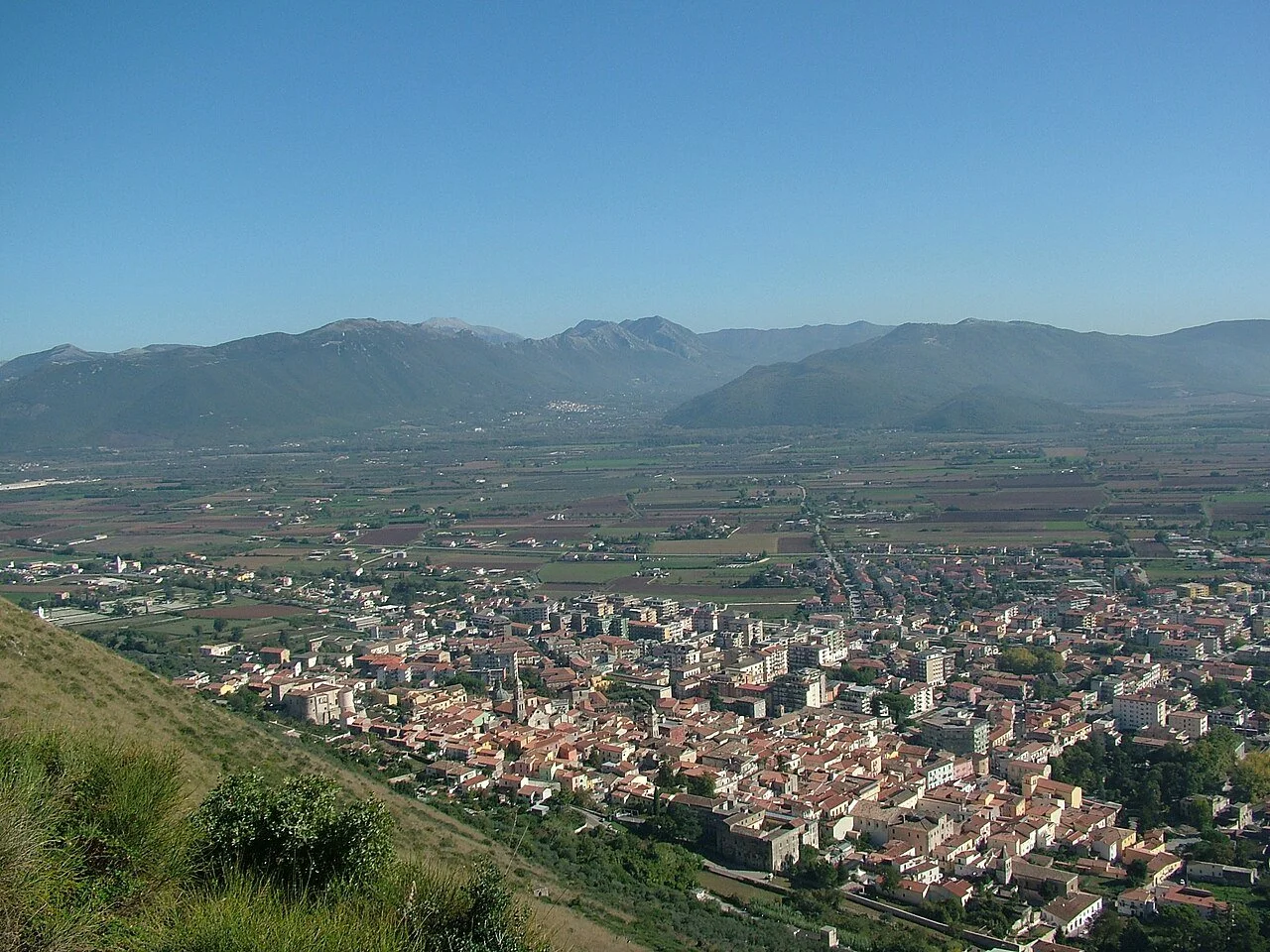
Venafro rewards a closer look. Beneath its castle, the old town brings you into a place with Roman foundations, ambitious Renaissance patrons and a long relationship with olive growing. Its museums and surrounding hills tell different parts of that story. Give yourself a day to connect them, with time between the main visits for the streets, a meal and a change of pace outdoors.
01 · CASTELLO PANDONE
Meet the horses painted into a noble residence
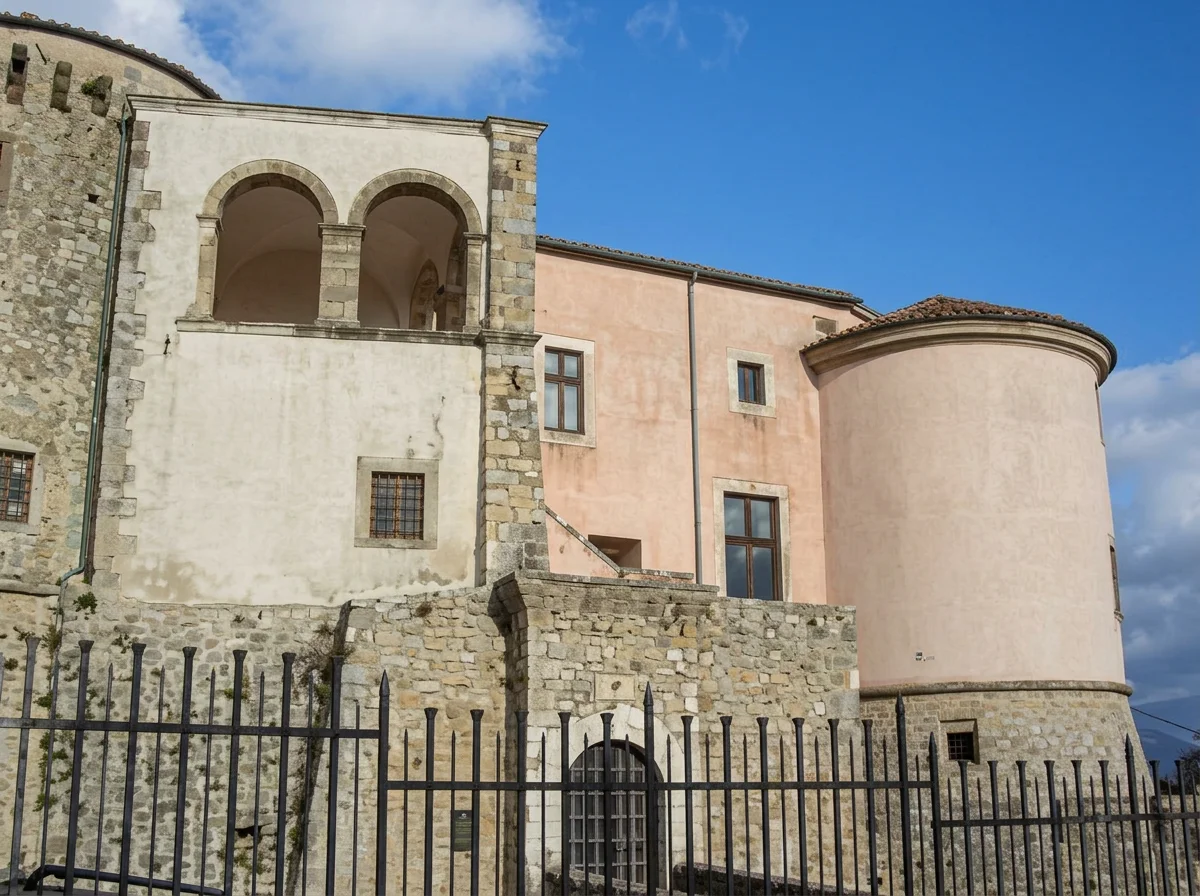
Castello Pandone began as a defensive building before becoming a more comfortable aristocratic residence. Its most distinctive interiors belong to the sixteenth-century world of Enrico Pandone, who had prized horses represented at life size on the walls between 1522 and 1527.
The horses make this an unusually personal castle visit. They suggest ownership, taste and the importance of an animal that could embody status as well as practical power. Take time to notice the individual figures rather than moving through the rooms as though they were simply decorated corridors.
The building also houses a national museum with art connected to Molise. Architecture, surviving decoration and the displayed works belong to different layers of the experience; allowing time for all three makes the climb to the castle more rewarding.
Our tip: Check the official Castello Pandone visitor information before fixing the rest of your day around an interior visit.
02 · THE ARCHAEOLOGICAL MUSEUM
Find the people behind Roman Venafrum
Venafro's archaeological museum occupies the former monastery of Santa Chiara in the historic centre. Its collections help you picture Roman Venafrum through public monuments, domestic objects and the systems that kept the town working.
Look for the inscription recording rules for the aqueduct. It brings a surprisingly familiar subject into focus: how water was managed, who had responsibilities and how disputes were handled. Sculpture, including the celebrated Venus of Venafro, offers another view of the town's wealth and artistic life.
The collections also extend beyond the Roman period, with material from the monastery of San Vincenzo al Volturno. This gives the museum an additional role in a wider Molise journey, connecting objects you can study at close range with places you may visit elsewhere in the region.
Our tip: Choose a few objects to look at carefully. The aqueduct inscription is a good starting point for understanding a working town rather than only admiring its finest sculpture.
03 · THE OLIVE LANDSCAPE
Walk into the history of Venafro's olive oil
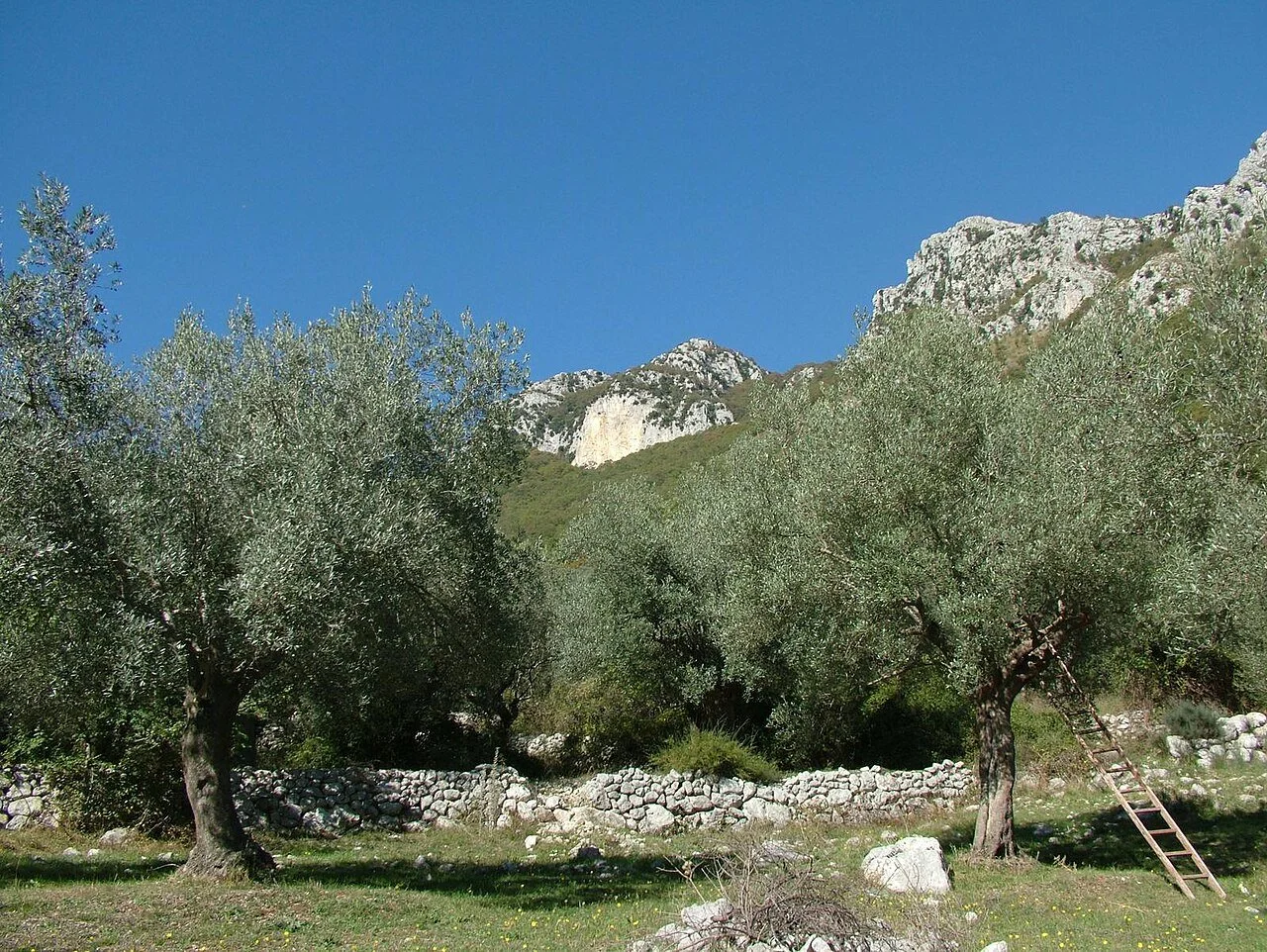
The hills above Venafro preserve an agricultural landscape of olive trees, terraces and dry-stone walls. The regional Olive Park protects this setting, where cultivation has a history reaching back to the ancient town.
Venafro's oil was praised by Roman writers, and the living landscape makes that connection easier to grasp. The shape of a terrace, an old trunk and a path between cultivated plots all contribute to the experience. This is productive countryside as well as a place to walk.
Use the park's route information or arrange a guided visit to understand what you are seeing. If tasting oil or meeting a producer interests you, book it specifically; an outdoor walk does not necessarily include a mill visit or tasting.
Our tip: Visit the Olive Park website for routes and local producers, and stay on permitted paths through the groves.
PLAN YOUR VISIT
Give the museums and the landscape their own time
A suggested day in Venafro
Start with whichever museum has the more restrictive opening arrangements on your date, then walk through the historic centre before lunch. Visit the second museum if your interests and its schedule allow. Finish with a suitable short route in the olive landscape, or leave that for the next morning if you prefer a slower cultural day.
How long to stay
A full day is a useful starting point for the castle, archaeology and town. Stay overnight if you want a guided park visit, time with a producer or a more relaxed museum schedule. Two museums plus a substantial walk can otherwise turn into a rushed checklist.
When to go
Mild weather is particularly pleasant for combining indoor visits with the groves. In summer, place the walk outside the hottest part of the day. If visiting during the olive harvest period appeals to you, ask a producer about actual activities and availability rather than expecting public access to working premises.
Getting there and getting around
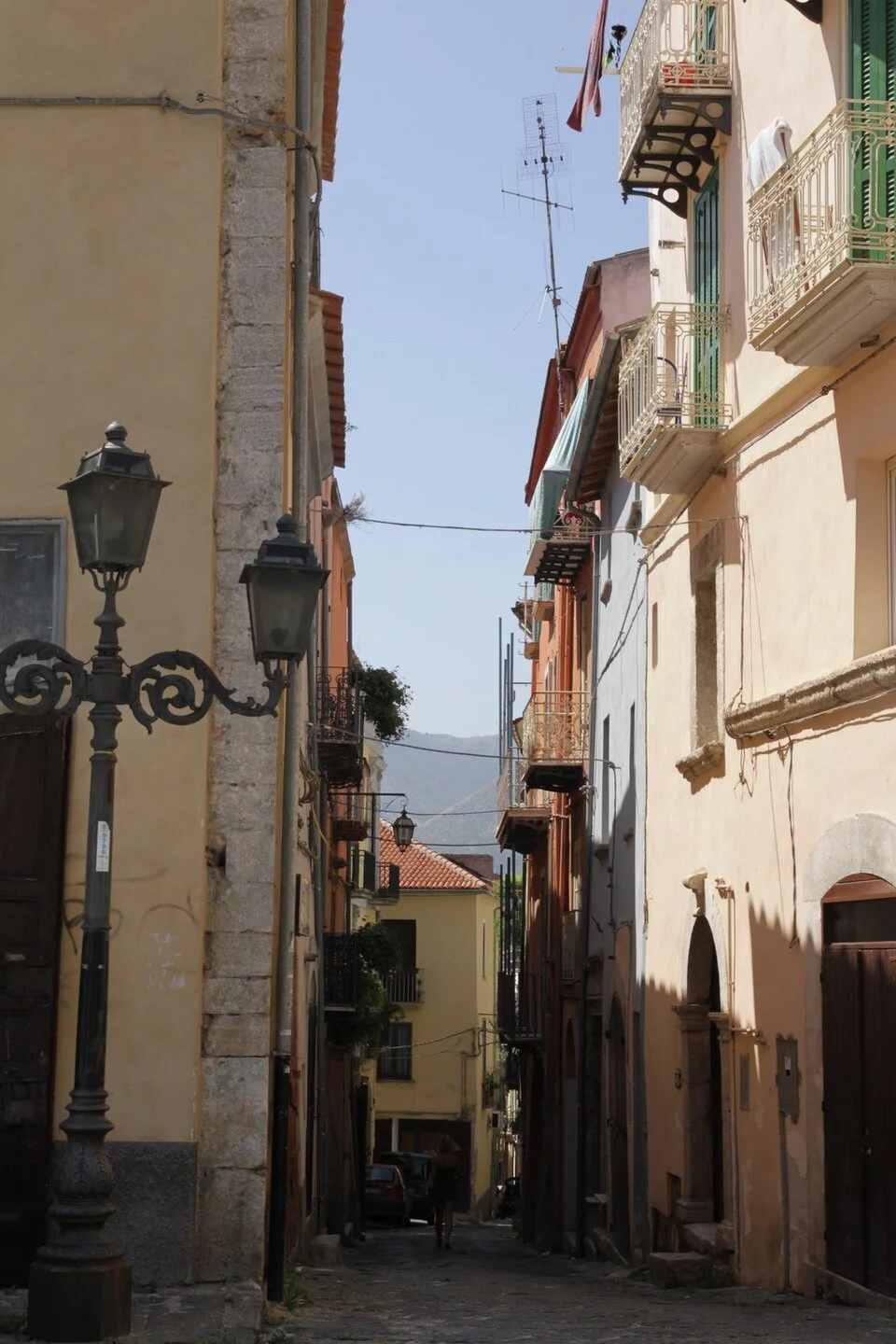
Plan to explore the historic centre on foot, allowing for the uphill approach to the castle. A car can help with wider countryside visits, but check parking before entering narrow streets. For public transport, confirm the final connection and return service for your date.
Visitor information and a longer trip
Check both museums separately, including accessibility needs and any temporary changes. The archaeological museum's official page provides visitor contacts. Continue planning with our five-day Molise itinerary and Molise travel guide.
Image credits
Venafro panorama and old-town street — Massimiliano Scarabeo — CC BY 2.0.
Castello Pandone — Davide Di Meo (Da dim86), adapted from the original — public domain.
Olive landscape — Lucio Musacchio — CC BY 2.0.
Via Wikimedia Commons. Resized for display.


