Teggiano
Medieval streets and carved stone above the Vallo di Diano.
Discover an inland side of Campania in Teggiano, a hill town whose lanes, churches and castle tell the story of medieval Diano. Come for an unhurried walk through the historic centre, then look beyond its walls to the broad valley and surrounding countryside.
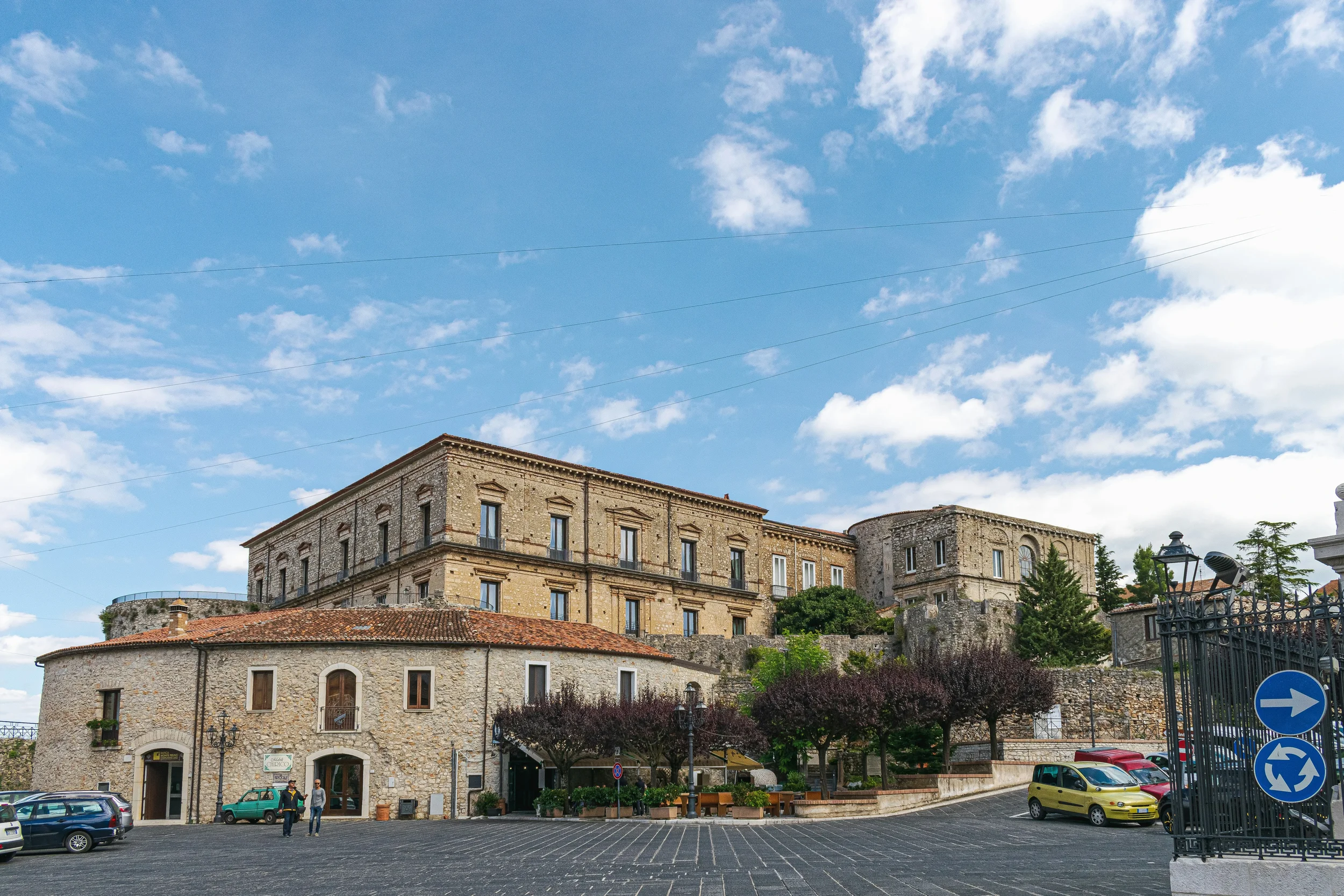
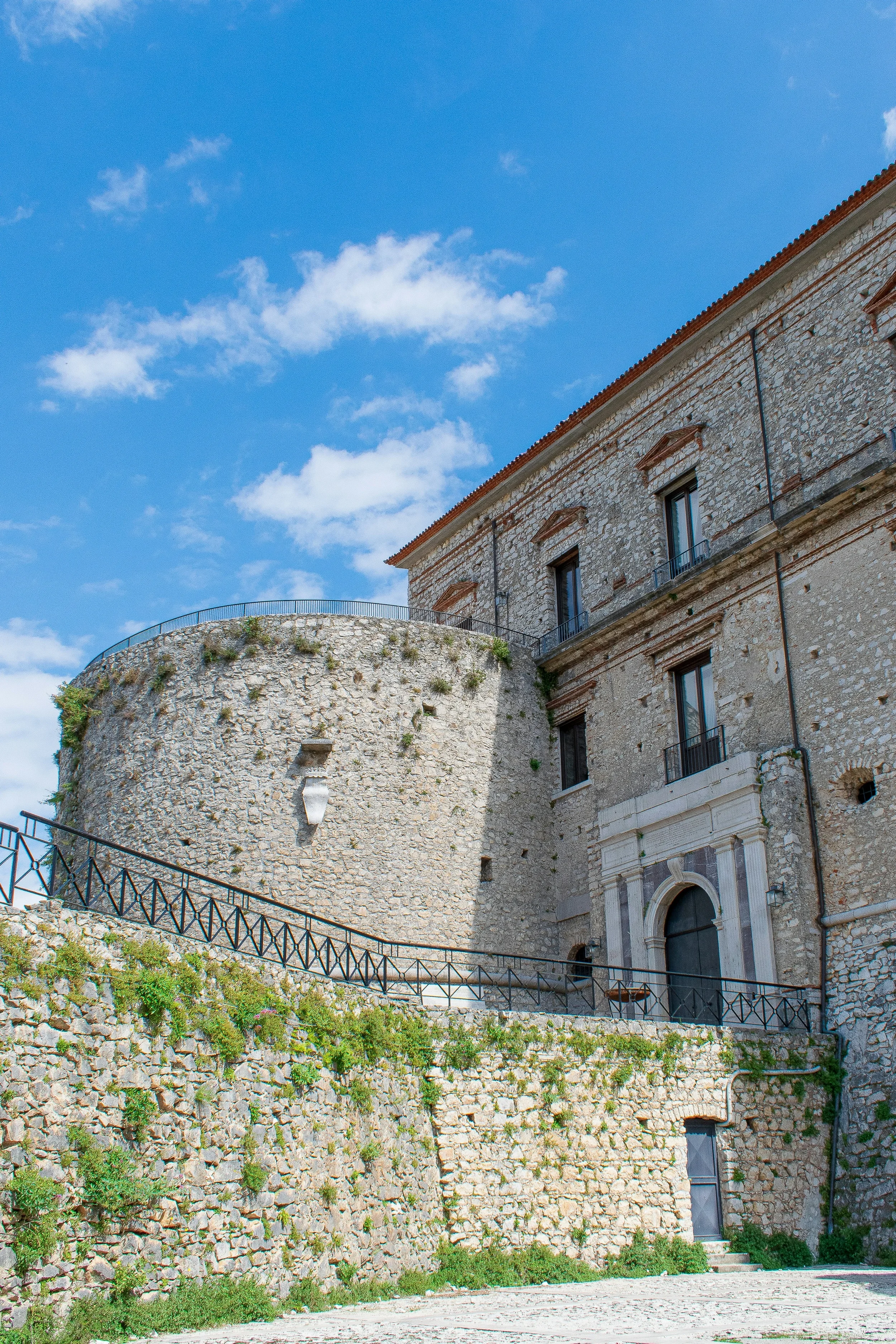
01 · MEDIEVAL DIANO
Follow the story of the Sanseverino
Teggiano was long known as Diano, a name that survives in the surrounding Vallo di Diano. The powerful Sanseverino family made the town a stronghold, leaving a history that connects its defensive architecture with the works of art inside its churches.
Begin around the castle, then follow the streets into the old centre. Its position helps explain the town’s relationship with the valley: this was a place from which to watch the landscape as well as live within it. Check current visiting arrangements before expecting access to the castle interior.
Continue at walking pace rather than following a rigid list. Small squares, stone portals and changes of level make the route interesting between the major monuments. Pause at public viewpoints where available, then return to the lanes for a closer look at the town’s details.
Hidden Italy tip: A local guide can connect the Sanseverino story across several buildings. If history is your main reason for coming, arrange a visit before arrival rather than relying on every door being open.
02 · THE CATHEDRAL & ITS ART
Look closely at the carved stone
The Cathedral of Santa Maria Maggiore, on Piazza San Cono, is a central stop. Its layers of rebuilding and decoration reward time inside, with sculpture providing a particularly rich way to explore the town’s history.
Look for the stone pulpit by Melchiorre da Montalbano, dated 1271, and the tomb of Enrico Sanseverino, made in 1336 by Tino di Camaino. These works give the visit specific details to linger over: carved figures, supporting columns and the ways patrons chose to be remembered.
The cathedral is also closely associated with San Cono, the town’s patron saint. It remains a place of worship, so plan around services and enter respectfully. Check opening arrangements and ask about access if entrance steps are a concern.
Go deeper: Use the local visitor guide to understand what you are looking at. A few carefully observed works can make a more memorable visit than a hurried circuit of every church.
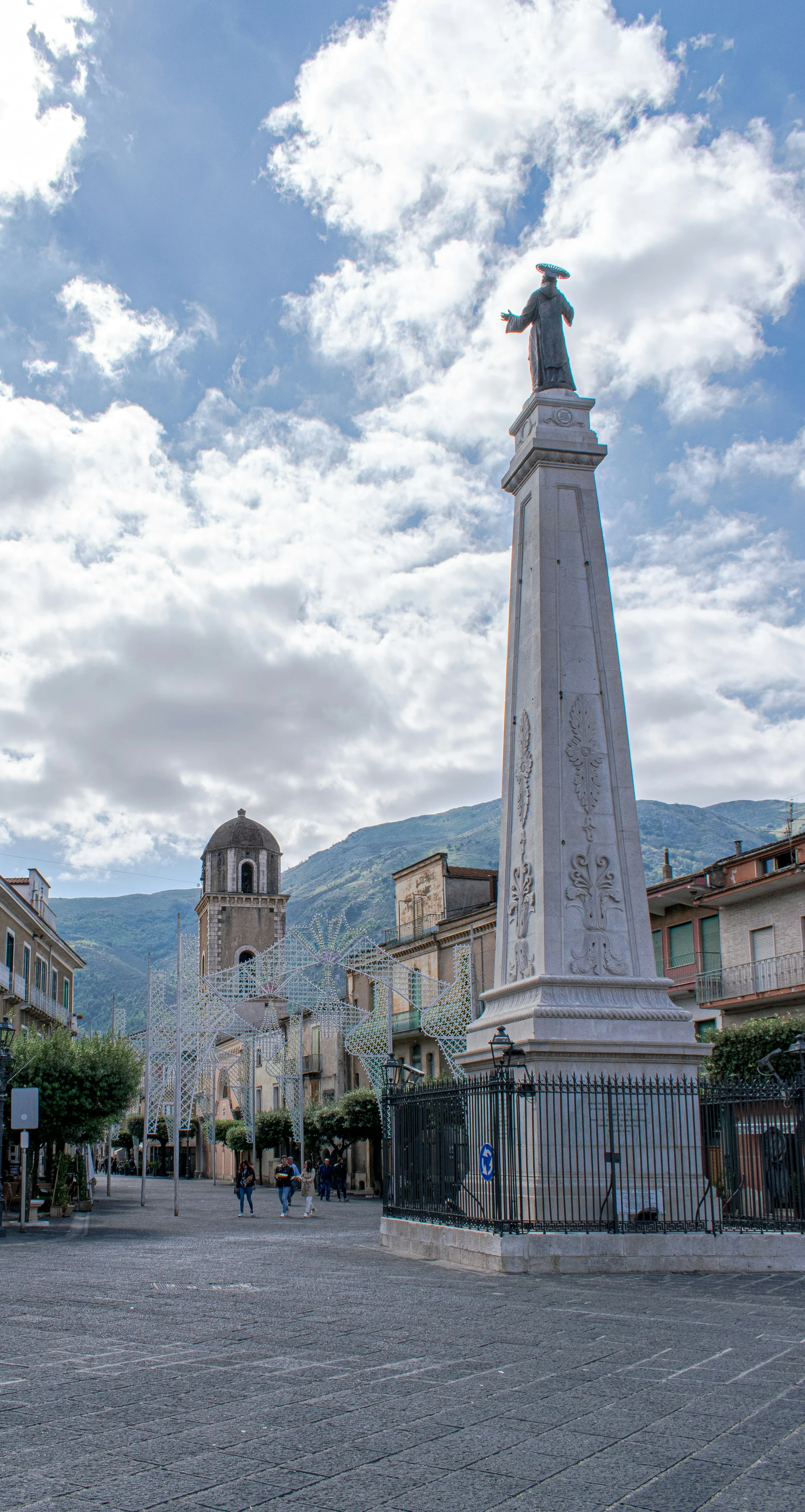
03 · CHURCHES & THE VALLEY
Leave room for the smaller discoveries
Teggiano’s religious heritage extends beyond the cathedral. The Church of the Santissima Pietà is another important artistic stop, connected with the Sanseverino family. Other churches, including San Francesco, add depth to a walk when they are accessible.
Choose a manageable route and confirm which interiors can actually be visited. The local tourism site also lists small museums, including the Museo delle Erbe and collections devoted to local traditions. Treat these as visits to arrange, rather than assuming they share one timetable or ticket.
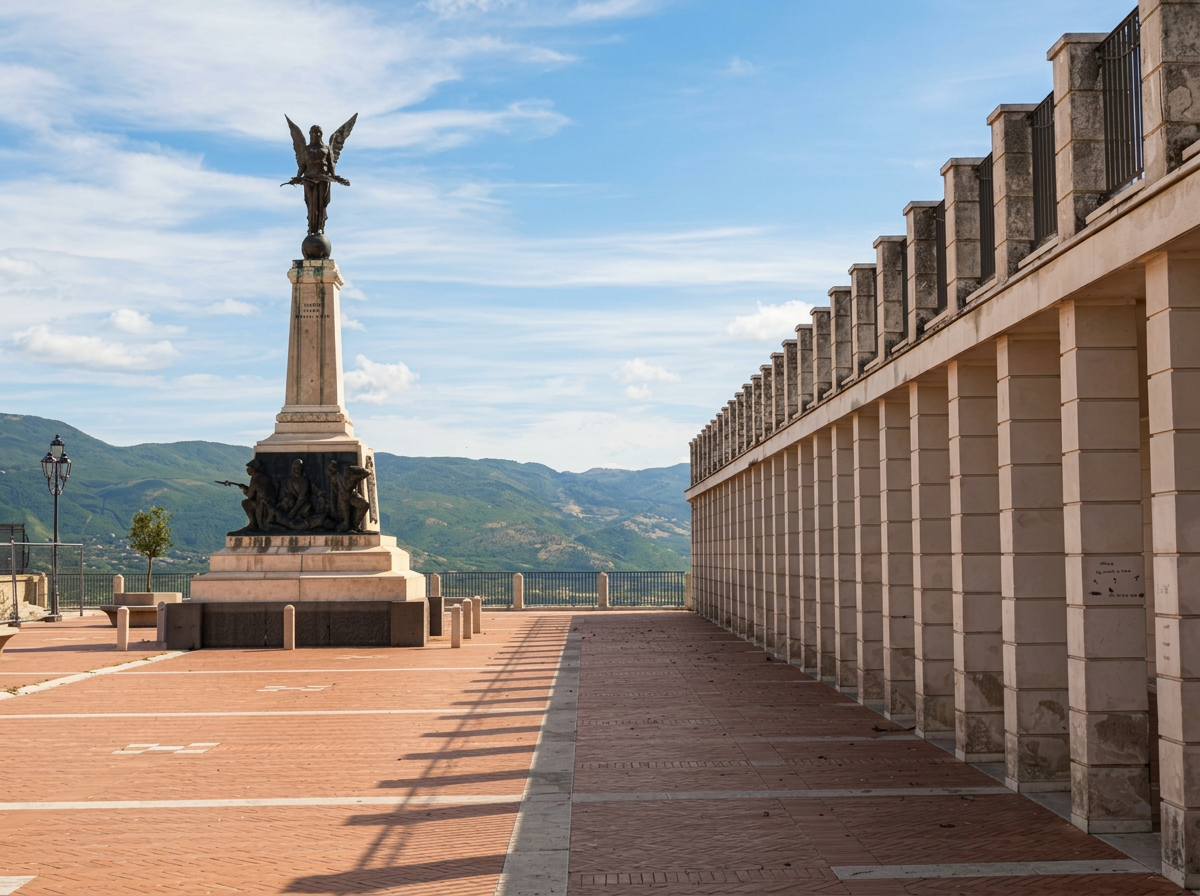
The town also works as a starting point for exploring the Vallo di Diano. Keep a countryside outing separate from your walk around Teggiano, allowing for road transfers and daylight. The valley deserves more than a brief view between two long drives.
At the table: Make lunch part of the visit. Ask about seasonal dishes, local cheeses, vegetables and pasta, and let the menu guide you towards the inland character of this part of Campania.
PLAN YOUR VISIT
Spend a slower day in Teggiano
A suggested day in the old town
Morning: begin near the castle, explore the lanes and visit the cathedral when open. Later: pause for lunch, then choose another church, an arranged museum visit or a longer walk around the centre. We suggest a generous half-day for a first visit and a full day if you enjoy art and guided visits. These are editorial planning estimates, not an official timed route.
Where to stay & how long to spend
One night gives you the chance to experience the centre after day visitors have left. Two nights work well if you want a separate outing into the surrounding valley. Choose a historic-centre stay for atmosphere and walks from your door, or a countryside property for easier car-based exploring. Check the exact address, parking and luggage access: a property described as being in Teggiano may be outside the hilltop centre.
When to visit
Spring and autumn are our preferred seasons for exploring on foot. Summer can work well with an early start, a shaded lunch break and a later stroll. In winter, prepare for an inland climate and shorter daylight rather than expecting coastal conditions. Confirm visitor services and restaurant openings in quieter periods.
Getting here & getting around
A car is convenient for combining Teggiano with other places in the Vallo di Diano. Follow signs for designated parking and check local vehicle-access rules before driving into the historic streets. Explore the centre on foot where practical; slopes, paving and steps can affect your route.
For public transport, plan the entire connection to Teggiano and the return journey for your exact date. Do not build a day around an assumed frequent local bus. Confirm onward travel with the operator or your accommodation, and ask about a pre-booked transfer if connections are limited.
Place it in a wider Campania journey
Use our Campania travel guide and 7-day itinerary to balance inland and coastal stops. Paestum offers a different historical chapter, while Castellabate adds a coastal hill town. Allow separate travel days or overnight stops where needed; these places are not part of one walking route.
For monument information, audio guides and local planning, consult VisitTeggiano, including its cathedral guide.