Lovere
Lakefront palaces, Canova and the lanes above Lake Iseo
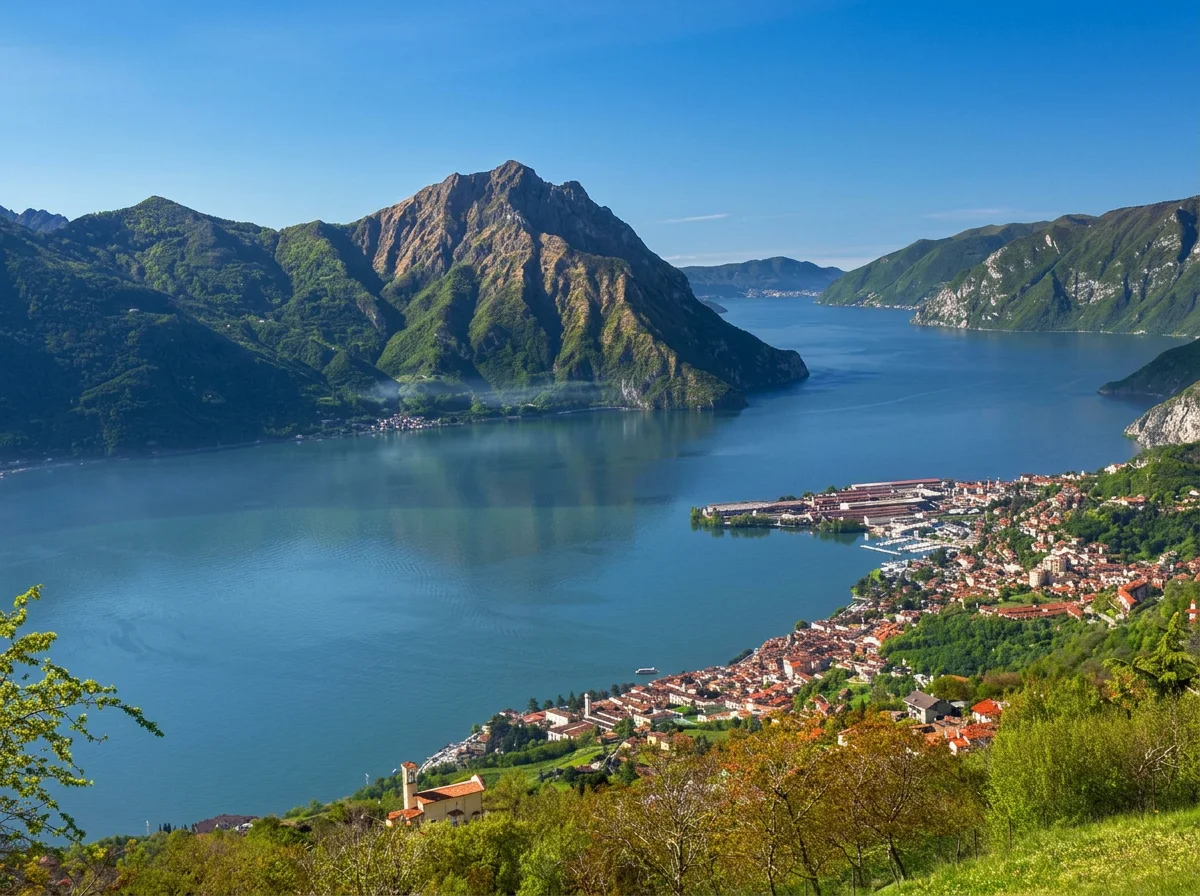
Lovere sits near the northern end of Lake Iseo, where a handsome waterfront meets a much older web of streets climbing behind it. The lake makes an easy first attraction, but the town has cultural weight of its own: an important art collection, an ambitious Renaissance church and traces of the trade that paid for them. Give Lovere a day with time indoors as well as by the water. It also works as a base for exploring the upper lake at a slower pace.
01 · WATERFRONT & HISTORIC LANES
Step behind the lakefront façades
Begin beside the lake to understand Lovere’s setting, then turn into the old centre. The change is immediate: open views give way to narrower streets, small squares and buildings fitted closely against the slope. Walking between these two faces of the town is part of the pleasure.
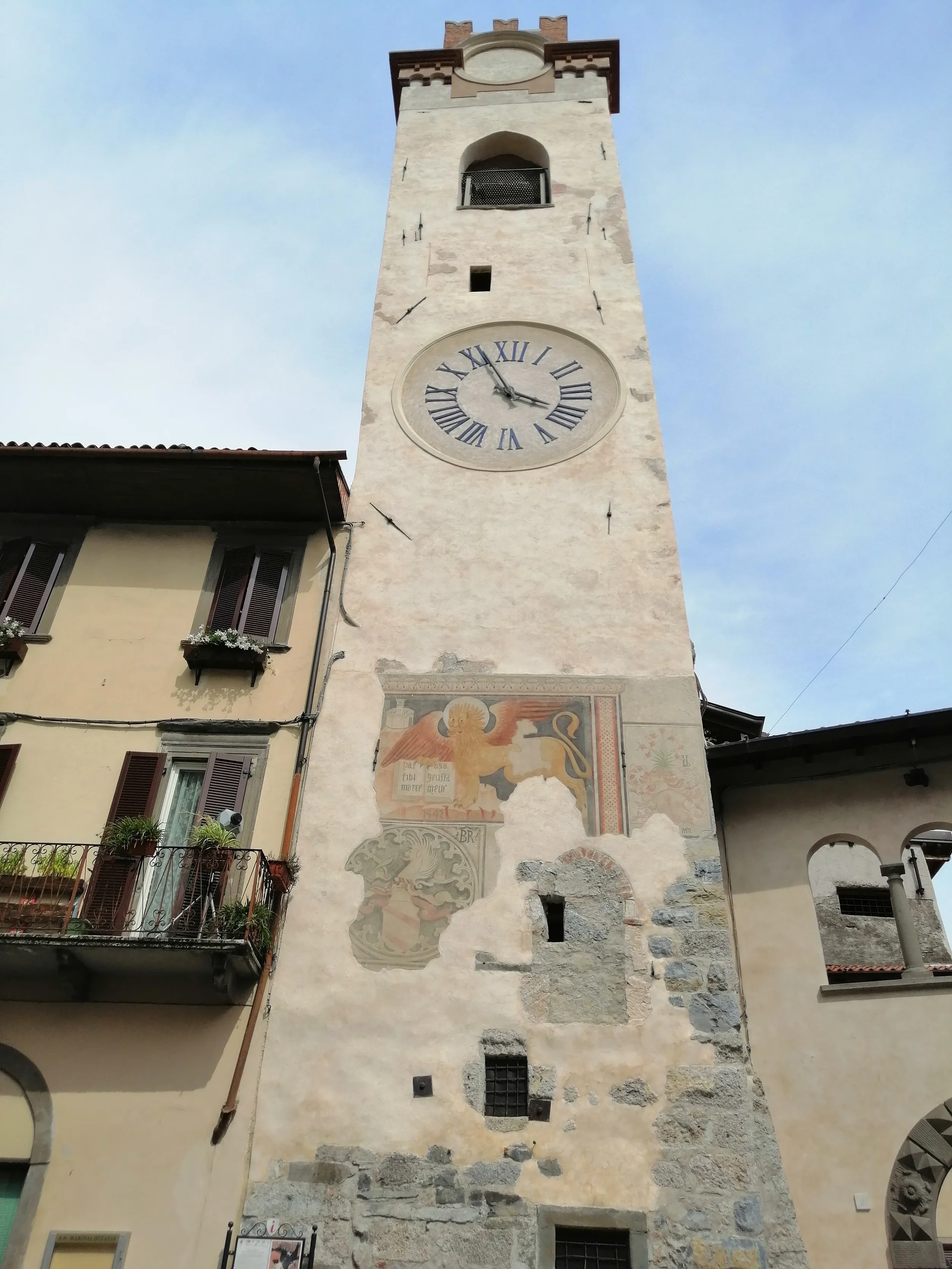
The Civic Tower marks a useful focal point in the historic quarter. When the interior route is open, its climb offers a different perspective over the roofs and lake. Confirm access before planning around it, especially if stairs would be difficult for anyone in your group.
Lovere’s history includes a prosperous cloth trade and later metalworking. Keep that working background in mind as you look at the houses and public buildings. The town is more than a waterfront resort, and its compact centre rewards an exploratory walk without a long checklist.
Hidden Italy tip: Save part of the promenade for the end of the day. Returning to the water after the lanes makes the scale of the surrounding mountains feel different.
02 · ACCADEMIA TADINI
Make room for an art collection with a personal story
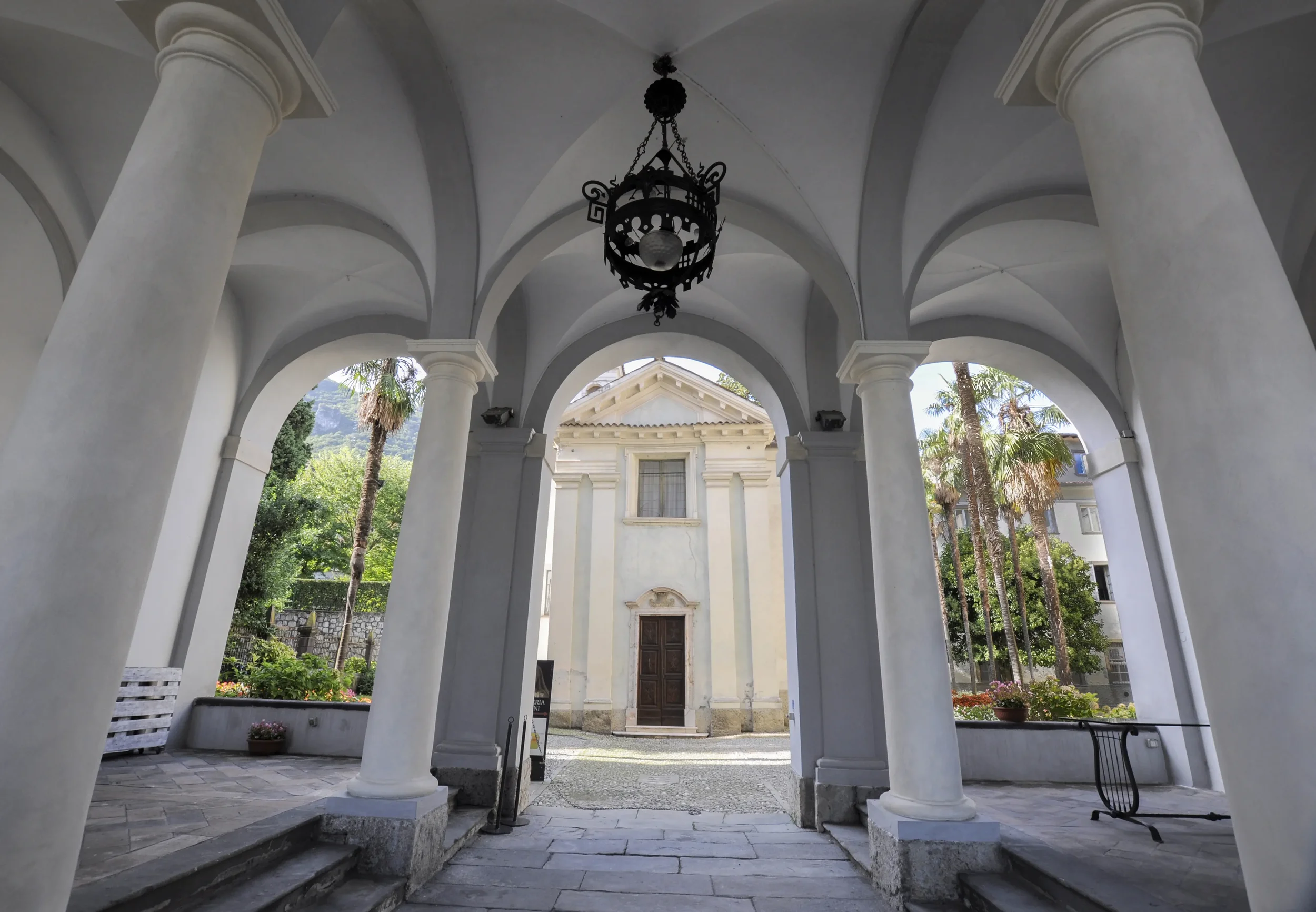
The Accademia Tadini is a reason to visit Lovere in its own right. The collection grew from Count Luigi Tadini’s interests and brings together paintings and other works in a setting that retains the character of a historic collection. Allow it a substantial visit rather than a quick stop between boats.
Antonio Canova’s connection with the Tadini family gives the museum a particularly moving focus. Look for the terracotta study of Religion and the marble Stele Tadini, created in memory of the count’s son Faustino. The stele belongs to the chapel setting, so check which parts of the complex are included in the day’s visit.
Rather than trying to absorb every room equally, choose a few paintings and objects to look at closely. The collection can add a useful contrast to a trip dominated by outdoor scenery: here, the story turns towards patronage, collecting and the memory of one family.
Hidden Italy tip: Check the Accademia’s own collection information before visiting, then build your day around its current opening arrangements.
03 · SANTA MARIA IN VALVENDRA
Find the wealth of the cloth trade inside a church
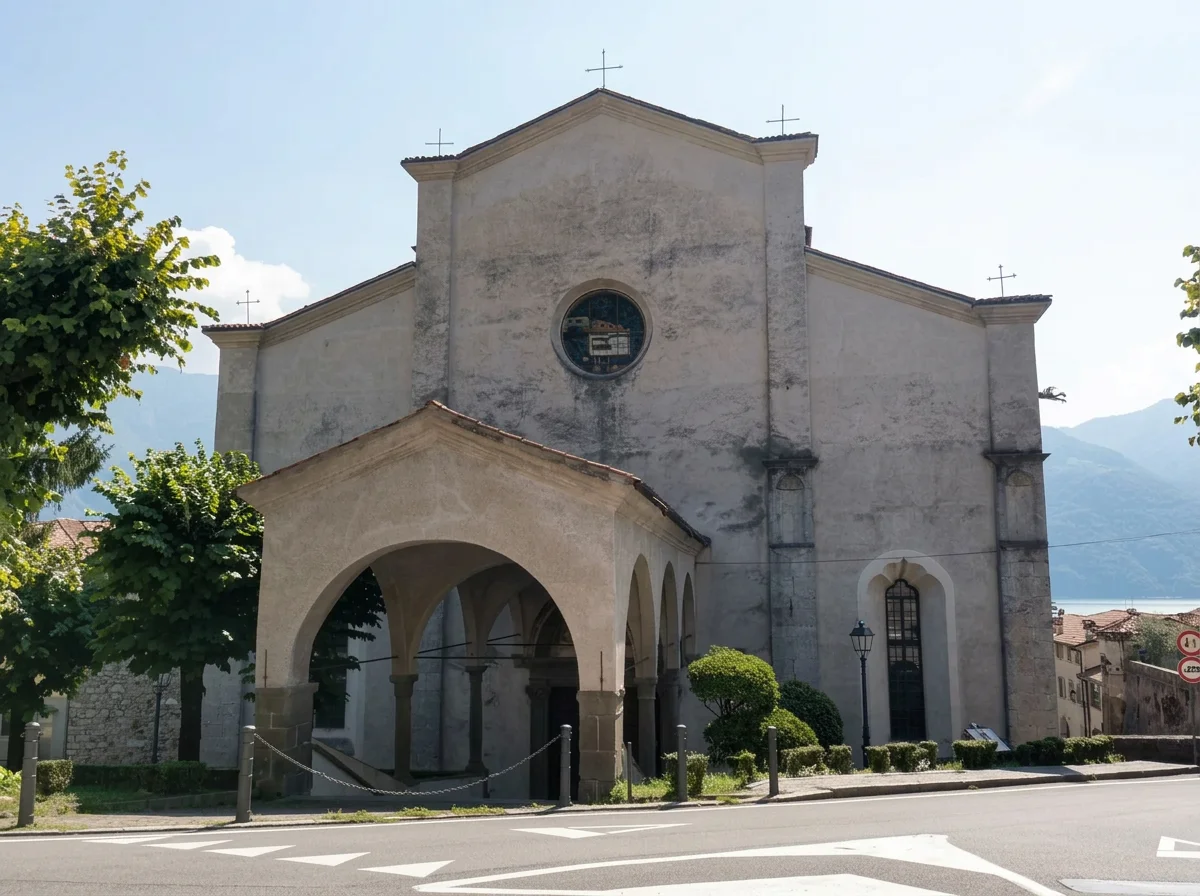
At the northern end of town, beyond the older historic core, Santa Maria in Valvendra reflects Lovere’s Renaissance ambition. Construction began in 1473 with support from families enriched by the cloth trade. Its relatively restrained exterior prepares you for little of the painted world within.
Inside, give the architectural space time to emerge before concentrating on individual works. Frescoes, chapels and the organ decoration draw the eye in several directions. The painted organ doors are a highlight, with work by Floriano Ferramola and Alessandro Bonvicino, better known as Moretto.
The church and the Accademia tell different chapters of the same town’s cultural life. Visiting both is rewarding, but check their hours separately and respect services. If one is closed, keep the waterfront and old streets as the flexible part of the plan rather than promising yourself an unconfirmed interior visit.
Hidden Italy tip: Read a little about the organ paintings before entering. One well-understood detail can make a richly decorated church much easier to appreciate.
PLAN YOUR VISIT
Balance the lake with Lovere’s cultural treasures
A day in Lovere
Combine the old centre and waterfront with the Accademia Tadini, then leave time for Santa Maria in Valvendra according to its opening. Pause for lunch between the two indoor visits. A boat outing is a welcome addition to a longer stay; fitting it into the same day depends on the timetable.
Where to stay
A central or lakefront base makes evenings on foot straightforward, though accommodation in the older lanes may involve slopes or steps. Check parking and luggage access directly. For a stay farther uphill or outside the centre, compare the actual walk back after dinner as well as the view from the room.
When to go
Spring and autumn suit a mix of walking and art, while summer offers more scope for combining town visits with lake travel. Winter can be appealing for a quieter cultural break, provided the museums and transport connections you need are operating.
Getting there and around
Lovere has bus connections with Bergamo and nearby towns, but plan the complete return journey. Boat services vary seasonally: consult Navigazione Lago d’Iseo for the date of your visit. The official Lovere visitor guide and Santa Maria in Valvendra information help with local planning.
Make it a longer journey
Pair Lovere with more time around Lake Iseo, choosing boat connections and overnight stops before adding distant lakes. Our Lombardia lakes guide compares the wider region, while the seven-day itinerary provides a framework for a longer trip. Explore the full Lombardia guide for other places to include.
Image credits
Civic Tower, Lovere — Bramfab · CC BY-SA 4.0
Accademia Tadini courtyard — Adelio Gregori · CC BY-SA 4.0
Via Wikimedia Commons. Converted to WebP and resized for display; any crops are shared under the same licence.

