Chieti
Ancient Abruzzo, seen from a hilltop city.
Chieti is a rewarding stop for travellers who want to understand Abruzzo beyond its landscapes. The historic upper town combines churches and elegant streets with two major archaeological museums. Give the collections time, then let the city’s viewpoints, cafés and evening walk balance the day.
chieti alta · villa frigerj · la civitella · Plan your visit
01 · CHIETI ALTA
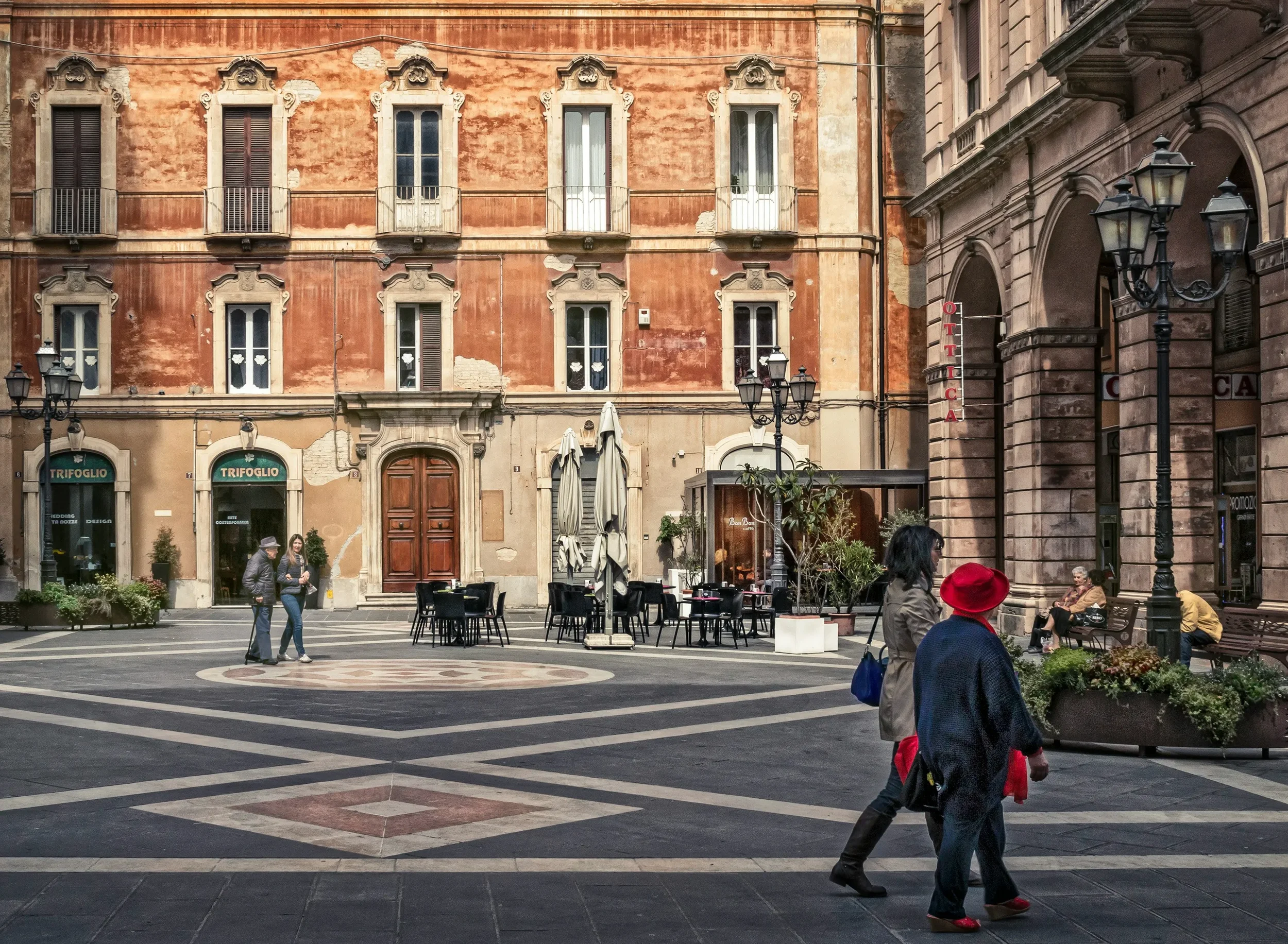
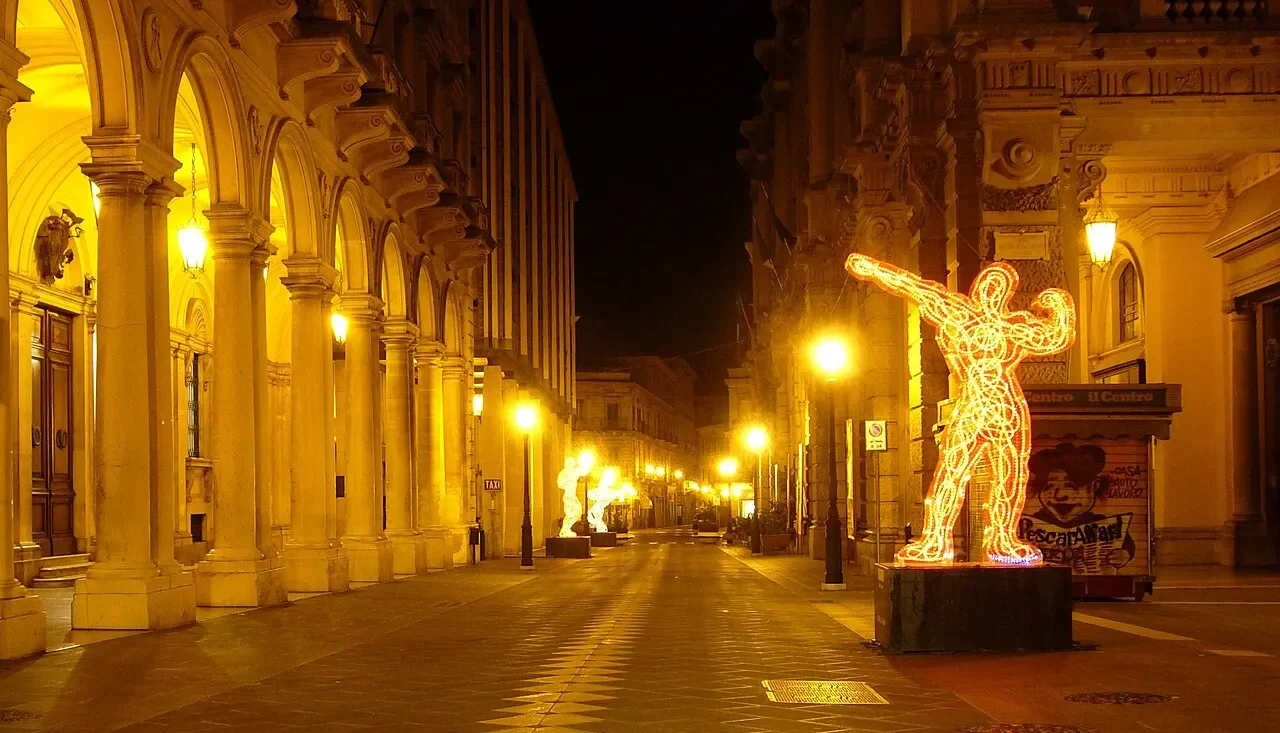
Follow Corso Marrucino through the old town
Begin in the historic upper town, where Corso Marrucino links a sequence of palaces, small streets and civic spaces. Include Largo Gian Battista Vico and look out for the Teatro Marrucino, an important nineteenth-century landmark.
Continue to the Cathedral of San Giustino, visiting the interior when open. The church and surrounding streets provide a useful contrast with the archaeological collections elsewhere in the city.
Plan theatre access separately if seeing the interior matters to you. A performance or organised visit can be a memorable addition, but it should not be assumed to be available during any casual walk.
02 · VILLA FRIGERJ
Meet the Warrior of Capestrano
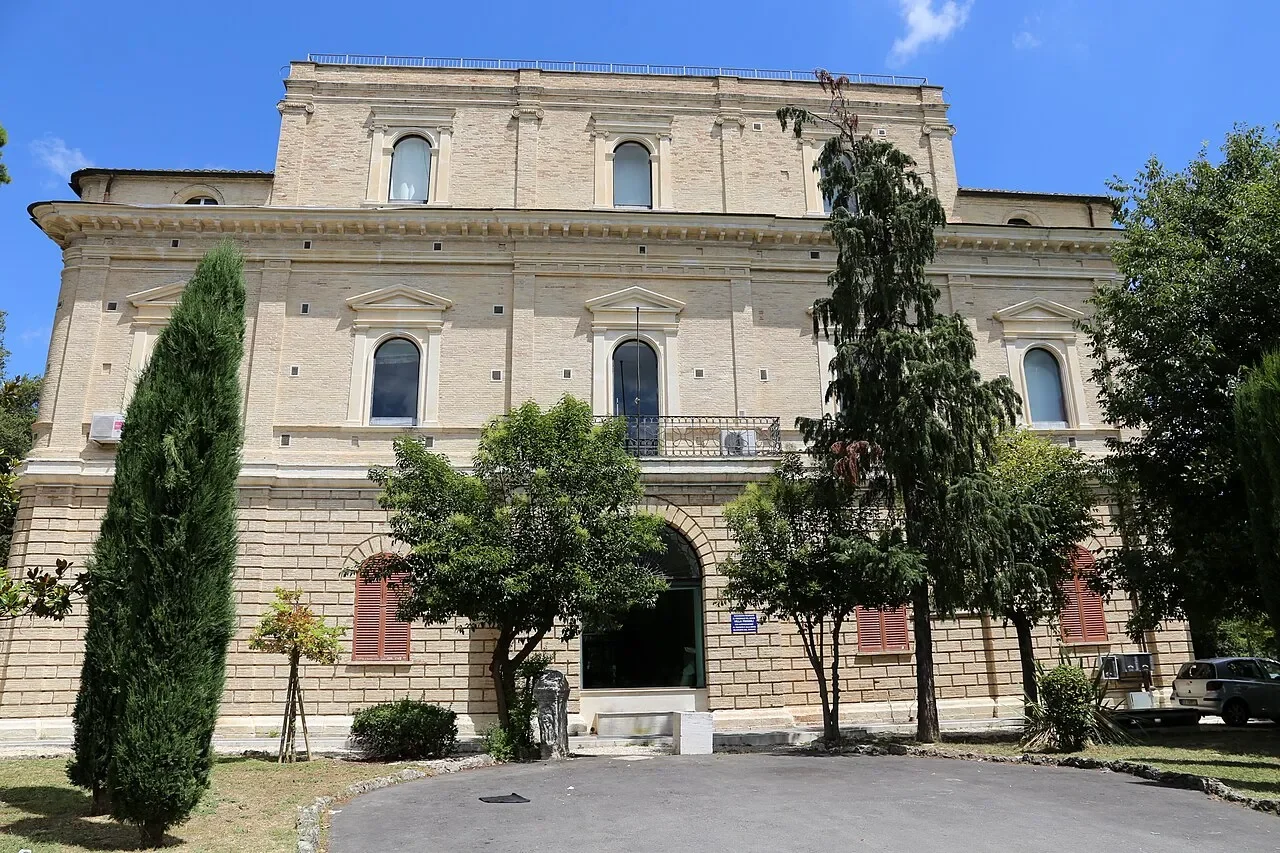
The National Archaeological Museum of Abruzzo occupies Villa Frigerj, a neoclassical residence near the city’s public gardens. Its best-known object is the sixth-century-BC Warrior of Capestrano, a striking introduction to the region before Roman rule.
Continue beyond the famous statue. The collections trace the material culture of different ancient peoples of Abruzzo, helping turn names encountered around the region into something tangible.
Allow a focused museum visit rather than a quick stop for one object. A pause in the surrounding park afterwards gives the day a natural change of pace.
03 · LA CIVITELLA
Understand the city beneath the city
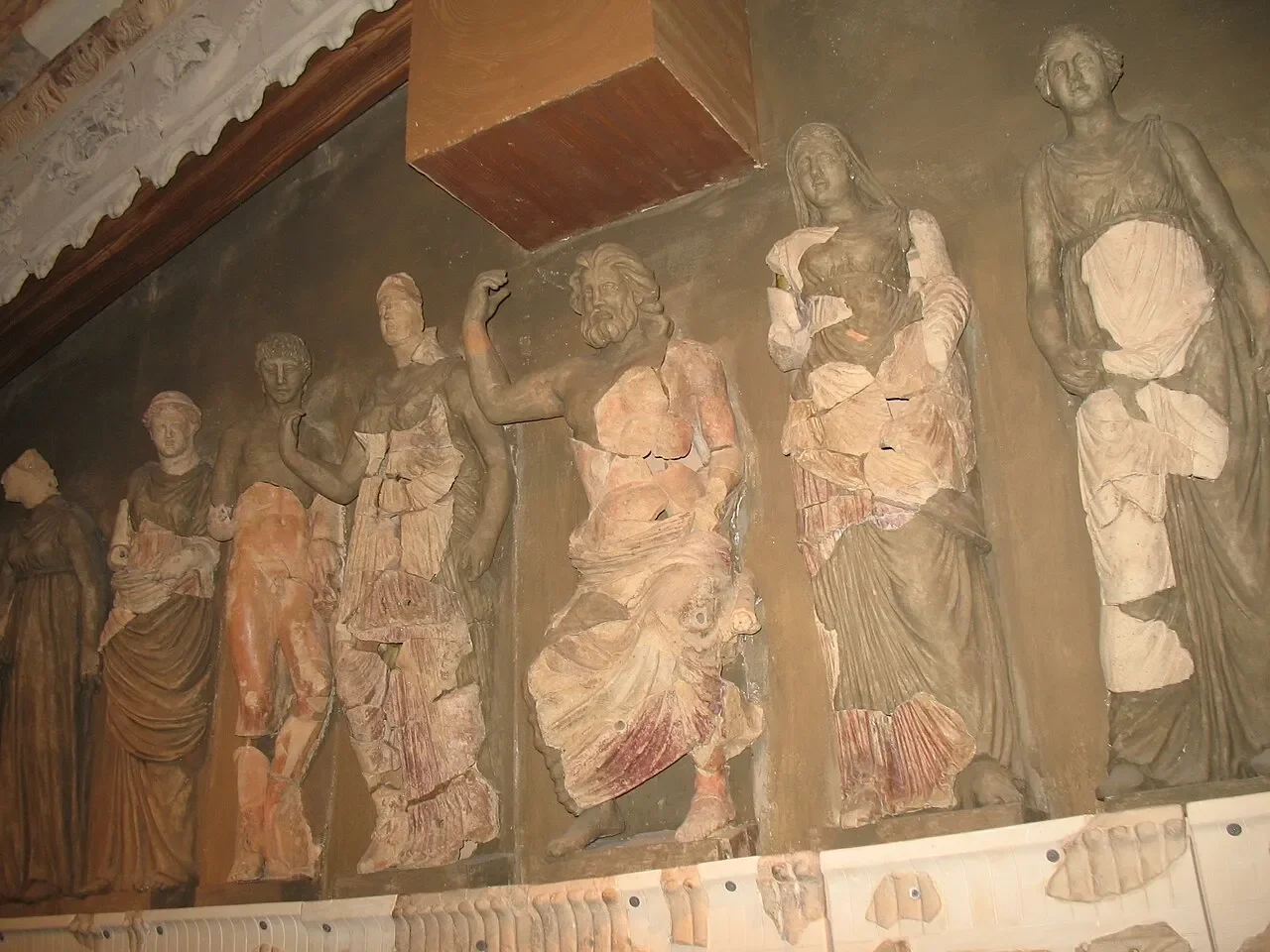
La Civitella offers a more local view of ancient Chieti, known as Teate. Its displays explore the city’s development and the land of the Marrucini, including architectural material and reconstructed temple decoration.
The setting also connects with the archaeological area and the remains of the Roman amphitheatre. Together, museum and site help explain the scale of the ancient city.
Check current access to the outdoor area as well as the museum. If archaeology is not your main interest, choose one major collection and keep more time for the living streets of Chieti Alta.
PLAN YOUR VISIT
Plan your time in Chieti
A suggested day
Start with Corso Marrucino and San Giustino, then make Villa Frigerj your main morning museum. After lunch, visit La Civitella if you want a fuller archaeological day. Otherwise, spend the afternoon on the gardens, smaller streets and a relaxed café stop.
Where to stay & how long
A full day suits a first visit; stay overnight to enjoy the upper town after the museums close. Chieti Alta and Chieti Scalo are different areas. Choose the historic upper town for evening atmosphere, while checking the final route with luggage; choose Scalo only with a clear plan for reaching the sights.
When to visit
Chieti works well as a cultural stop in different seasons. Spring and autumn suit longer walks, while hot or wet weather makes the museums particularly useful. Check closing days before fixing a short stay, especially if you hope to visit both archaeological collections.
Arrival & getting around
Do not assume arrival at Chieti’s railway station puts you in the historic centre. Check the onward connection to Chieti Alta and the return service. Drivers should follow signed parking and access rules. Once in the upper town, allow for slopes and verify accessibility for each museum.
Food & local time
Keep lunch between museum visits and leave an evening free for the centre’s restaurants. Ask about local dishes on the current menu, and check opening days if you are staying outside the busiest period.
A longer Abruzzo trip
Chieti adds historical context to a journey through the mountains and coast. Use our 7-day Abruzzo itinerary to fit it into a wider route, and the Abruzzo travel guide to choose your next base.
Useful visitor information
Check the official museum pages for Villa Frigerj and La Civitella. The official Chieti guide gives context for the wider city.
Image credits
Corso Marrucino at night — maury3001, CC BY 3.0.
Villa Frigerj — Sailko, CC BY 3.0.
Temple pediment at La Civitella — Cats’ photos, public domain (released by the author).
Via Wikimedia Commons. Images resized and converted to WebP for display.


