Isola del Liri
A waterfall at the heart of a working river town
In Isola del Liri, the sound of water belongs to the town centre. The Cascata Grande drops below a castle and beside everyday streets, creating a setting that feels quite different from a waterfall reached by a woodland trail. The river also shaped the town’s industry, especially its paper mills. Come for the striking first view, then stay to understand the relationship between water, buildings and local life in this corner of southern Lazio.
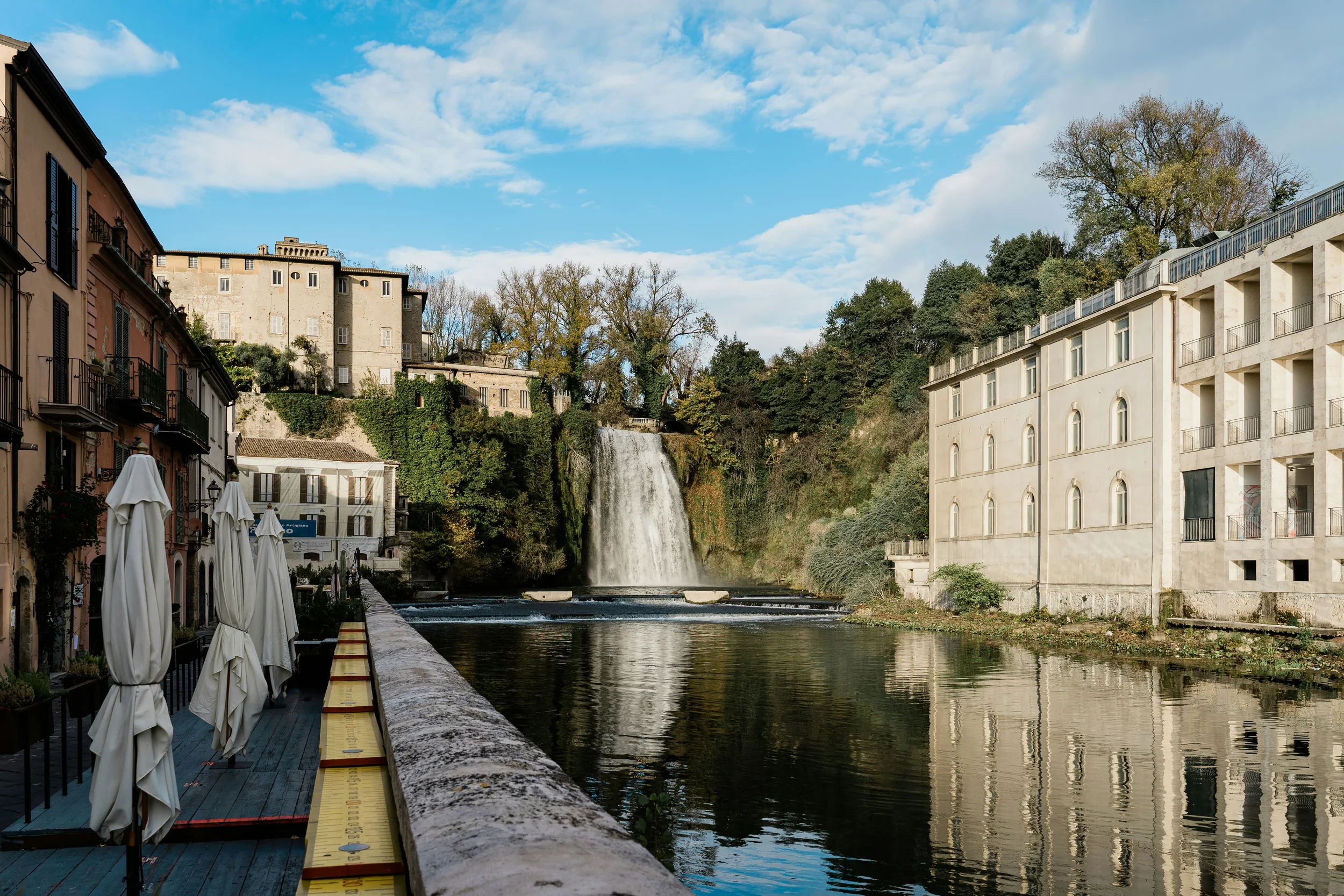
01 — THE CASCATA GRANDE
Let the river lead you into town
The Cascata Grande is the obvious place to begin. From the public viewpoints in the centre, the falling water and the buildings around it share the same frame. The experience is as much about hearing the river as photographing it.
Isola takes its name from the land enclosed by the Liri’s two branches. Near the castle, the river divides and creates two different falls: the Cascata Grande and the Cascata del Valcatoio. Understanding that geography makes the town easier to read as you explore.
Water flow and the appearance of the falls can change, so come for the place rather than a promised photographic effect. Keep to public viewing areas and allow residents and other visitors room to pass. The river is a powerful presence, not a swimming stop in the town centre.
Hidden Italy tip: Take your first photograph, then put the camera away for a few minutes. The sound and movement are what make this setting memorable.
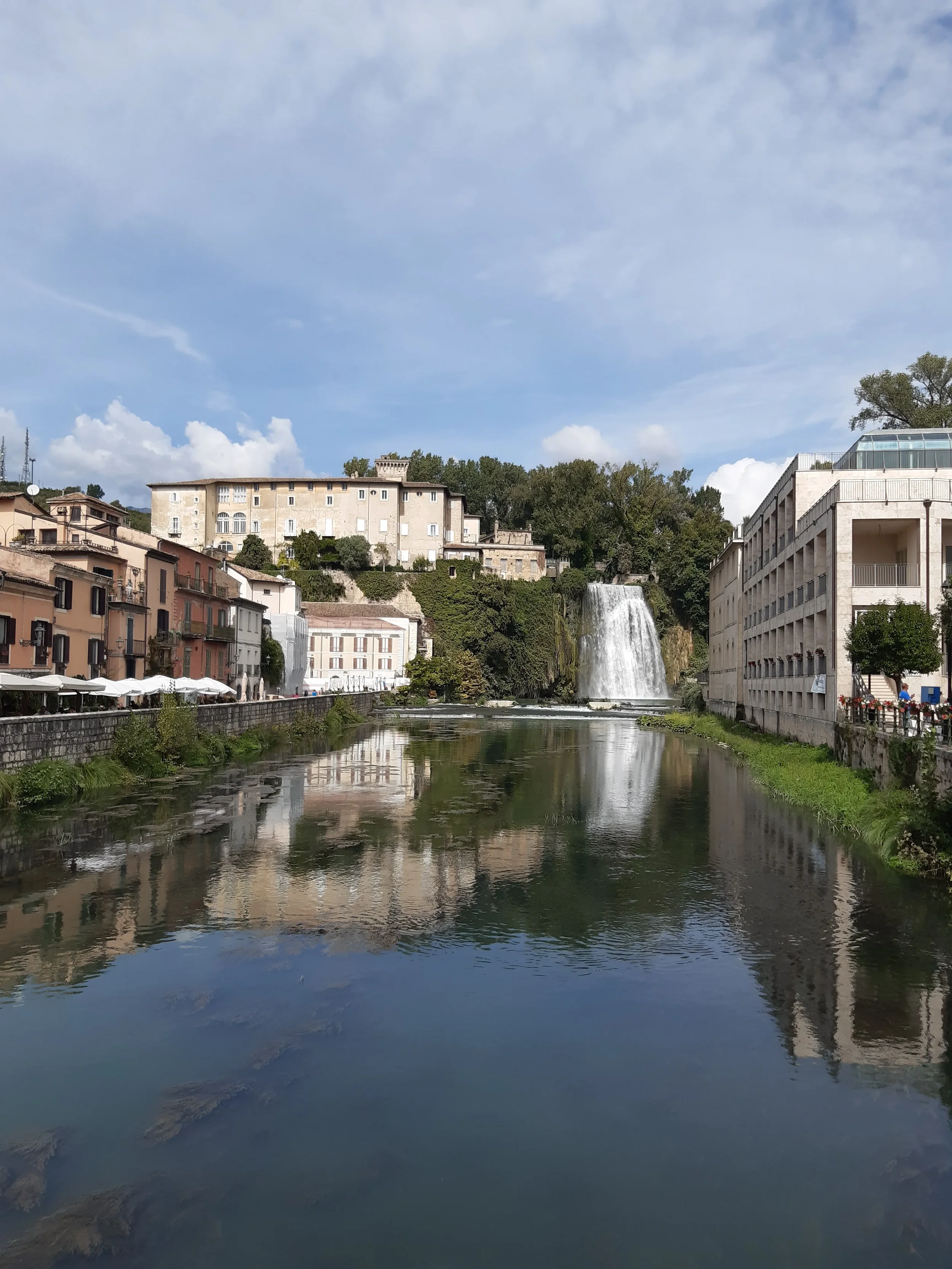
02 — THE CASTLE ABOVE THE WATER
Look up to Castello Boncompagni Viscogliosi
The castle rises above the river at the point where the water divides. Its position explains its importance more clearly than a list of dates: this was a place from which to watch and control the surrounding valley.
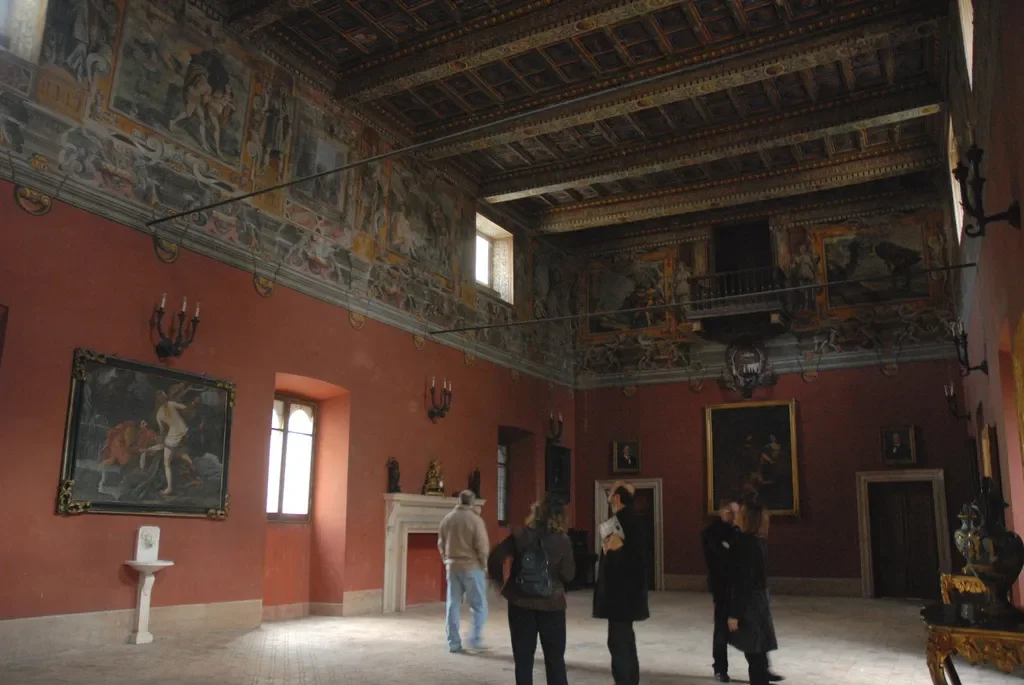
Over time, the fortified complex became an aristocratic residence. Its decorated rooms, including the Salone dei Diciotto Paesi, tell another part of the story, beyond the dramatic exterior seen from town. These interiors are a reason to investigate a visit in advance.
Do not assume that the castle operates as a museum with unrestricted daily access. Check the castle’s own website or contact the venue for current visiting arrangements. If no visit is available, its exterior remains a central part of the town’s landscape.
Hidden Italy tip: If a castle visit is important to you, confirm it before fixing the rest of your day around Isola del Liri.
03 — WATER AND WORK
Follow the story beyond the postcard
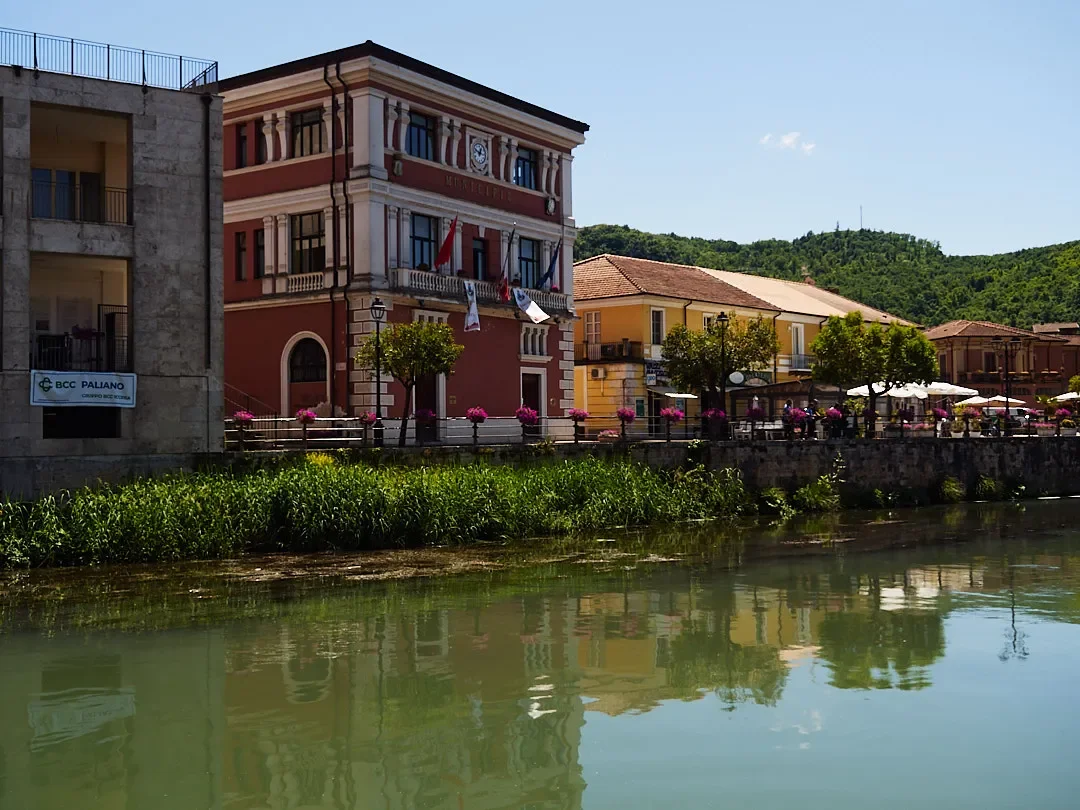
The river helped make Isola del Liri a centre of paper production. Mills and industrial buildings are part of the town’s identity, reminding visitors that the water was a source of power and employment as well as scenery.
Villa Nota Pisani, also associated with the Lefebvre family, connects that industrial history with the lives of the people who developed it. A confirmed guided visit or cultural event can add depth to a stay, but individual historic properties and former industrial sites have their own access arrangements.
Leave time for the ordinary centre too: a café, a short walk between the public streets and a meal make the visit feel less like a single viewpoint. If there is a local event during your stay, check its actual programme before making plans around it.
Hidden Italy tip: Ask locally which heritage spaces are open on the day. A small exhibition or guided visit may reveal more about the town than another angle on the falls.
PLAN YOUR VISIT
Build a relaxed stop around the river
A day in Isola del Liri
A few hours are enough for the principal waterfall views and a walk through the centre. Add lunch and a confirmed castle or heritage visit for a fuller half day. Do not fill the schedule with interiors before checking that they can be visited.
Where to stay
A central stay suits visitors who want to see the town at different times of day and walk to dinner. Check parking and the precise location of your room if access or night-time quiet matters to you. A countryside base can work better for a wider exploration of the Liri Valley.
When to go
The town can be visited across the seasons, with the experience shaped by weather, daylight and river conditions. Spring and autumn can be comfortable for walking. In summer, leave room for a break in the hottest hours and check whether an event will make the centre busier.
Getting there and around
For a road trip, use designated parking and explore the central sights on foot. Do not rely on a riverside photograph to judge whether every route is step-free; check the approach to any specific accommodation or attraction if needed.
If travelling by public transport, verify current services, the arrival stop and the return journey for your date. Historic-property visits and regional transport may need more coordination than the short distances within the centre suggest. The municipal waterfall page provides a useful official introduction.
Make it a longer journey
Use our Lazio guide to put the town in the context of a broader regional trip. The seven-day itinerary offers another starting point, but allow for the extra travel involved when adding the Liri Valley to a route focused elsewhere.
Image credits
Isola del Liri river and waterfall — Gabriella Clare Marino, Unsplash License.
Cascata Grande and Castello Boncompagni Viscogliosi — Harlock81, CC BY-SA 4.0, via Wikimedia Commons.

Castello Boncompagni Viscogliosi interior — Luigi Rosa, CC BY-SA 2.0, via Wikimedia Commons.

Riverside buildings in Isola del Liri — Bocassina, CC BY-SA 4.0, via Wikimedia Commons.

Images resized, converted to WebP and cropped for this layout; Commons adaptations retain their stated licences.