Gromo
Stone lanes, swordmakers and mountain horizons in Val Seriana
Above the River Serio, Gromo gathers its medieval streets around a compact square, a castle tower and a palace with open loggias. The handsome stonework tells only part of the story: this small mountain town once prospered through ironworking and the production of blades. Come for the architecture, then look inside its artistic and industrial past. With the higher slopes of Spiazzi nearby, Gromo also makes a thoughtful stop between Bergamo and the mountains of the upper valley.
01 · PIAZZA DANTE & THE OLD TOWN
Read the village through its central square
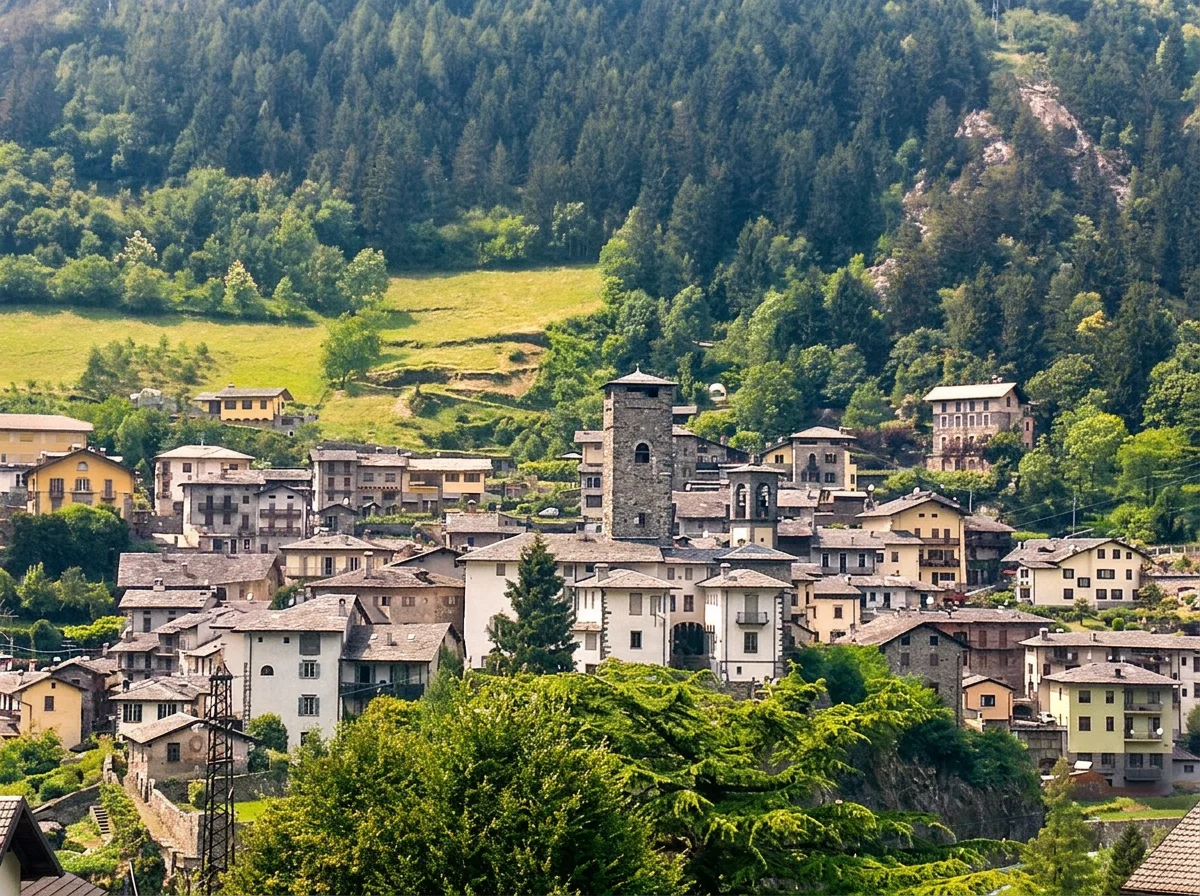
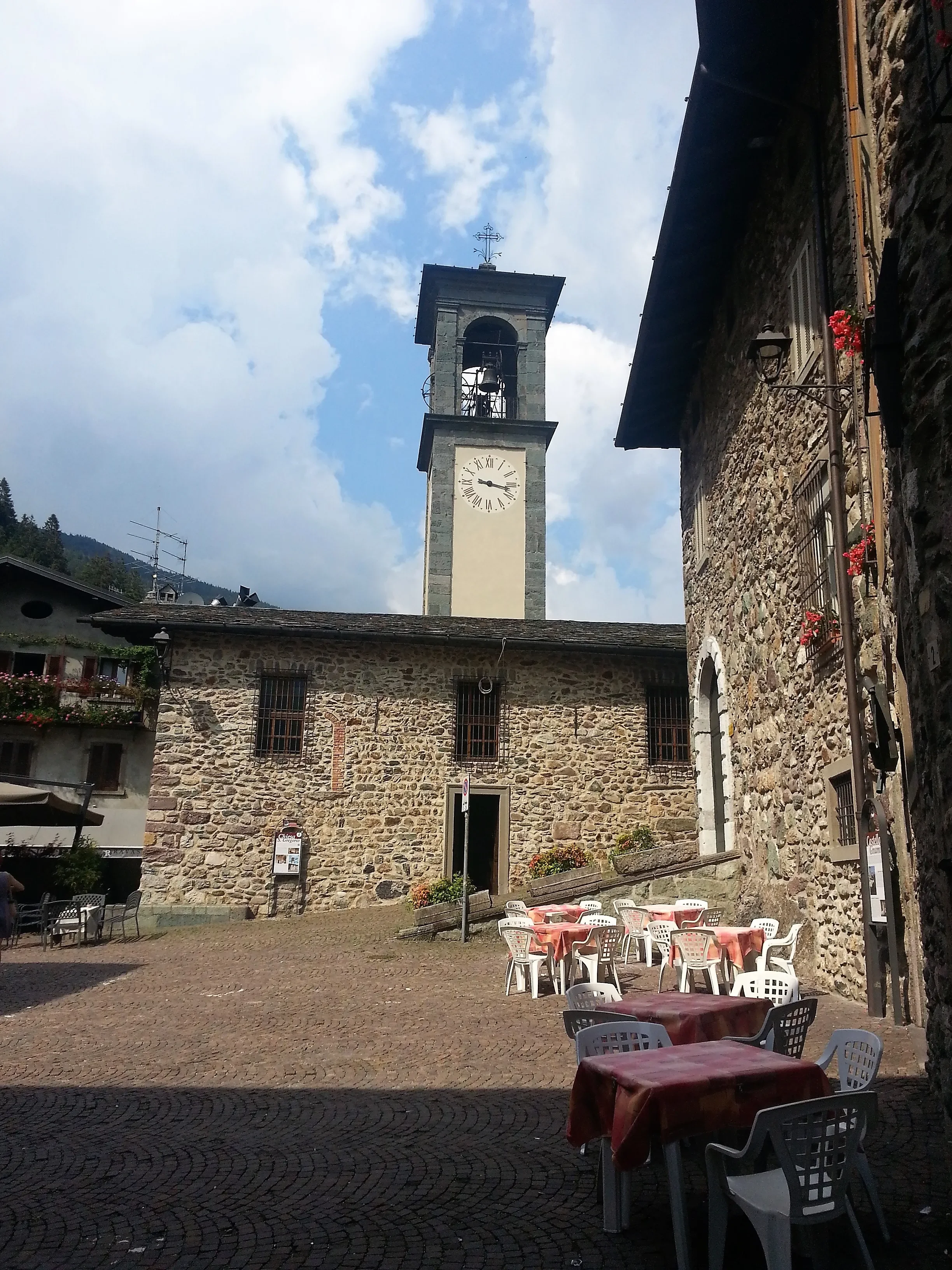
Piazza Dante brings Gromo’s principal buildings into a single view. Castello Ginami rises above the square, Palazzo Milesi presents its arcades and loggias, and the small church of San Gregorio completes the scene. Begin here before following the narrow lanes away from the centre.
The castle’s origins lie in the thirteenth century, when its position above the Serio gave it a strategic role in the valley. Look at the tower and the substantial stone walls from outside. The complex is privately owned, so an exterior visit should be the starting assumption rather than an expectation of freely accessible rooms.
Notice the large image of Saint Christopher on its façade: this is a twentieth-century addition, not a surviving medieval fresco. Along the surrounding streets, carved portals and stone houses reward the same close attention. Gromo is particularly enjoyable when you let the details interrupt your walk.
Hidden Italy tip: Return to the square after exploring the side streets. The buildings make more sense once you have seen the steep, compact setting around them.
02 · IRON, BLADES & LOCAL HISTORY
Meet the craft behind Gromo’s prosperity
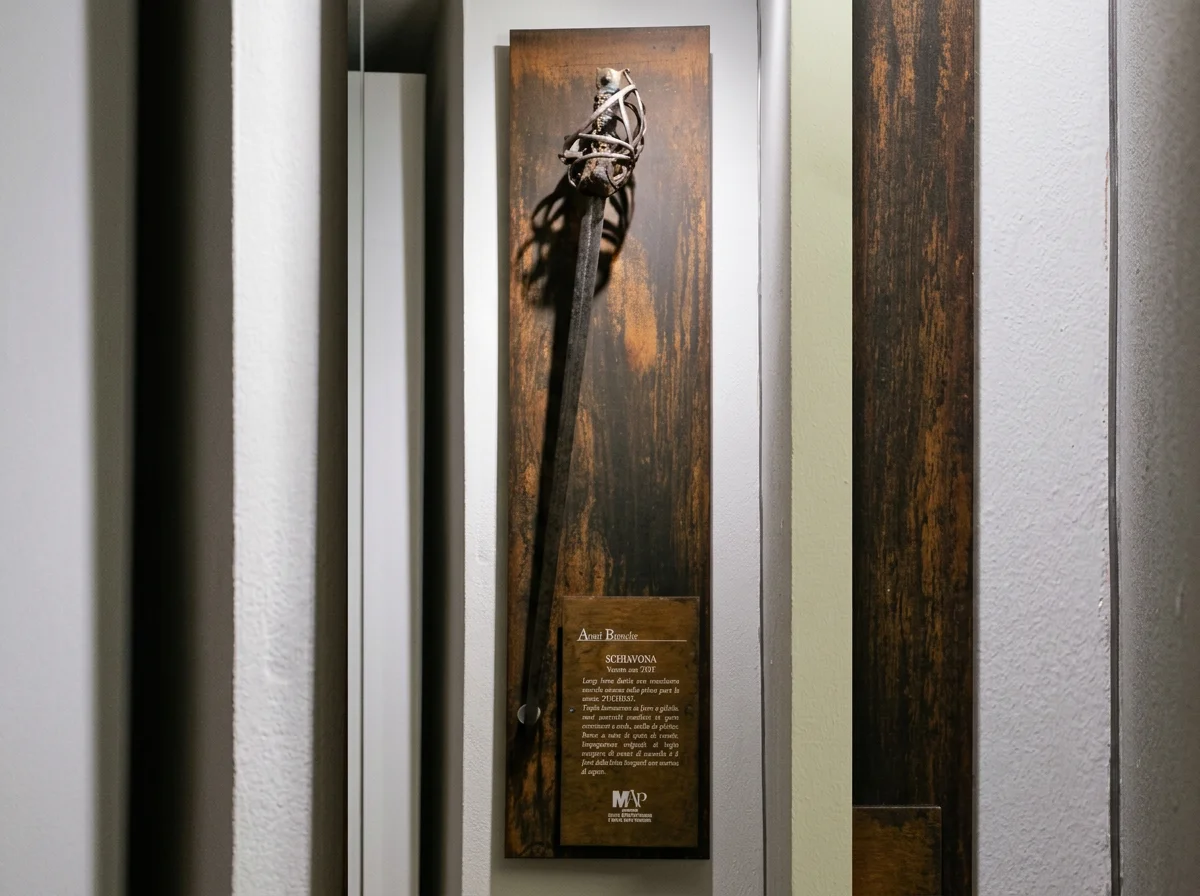
Gromo’s historic forges produced swords and other edged weapons, connecting this mountain community with markets far beyond the valley. The MAP, the Museo delle Armi Bianche e delle Pergamene, explores that identity through weapons and documentary material.
Palazzo Milesi, now the town hall, is itself part of the story of local wealth. Its elegant façade contrasts with the harder-working world of the forges. Seeing both the square and the museum collection helps turn a picturesque visit into an understanding of how the village developed.
Consult the tourist office’s current cultural programme before travelling, including the arrangements for the Palazzo della Cultura and MAP. Museum venues, displays and opening days can change; confirming the actual entrance and visiting session is more useful than relying on an old listing.
Hidden Italy tip: If museum access matters to you, organise the day around a confirmed opening. Keep the outdoor village walk flexible enough to fit before or after it.
03 · CHURCH ART & THE UPPER VALLEY
Look beyond the castle for Gromo’s quieter treasures
In San Gregorio, a seventeenth-century painting by Enea Salmeggia includes a view of Gromo. When the church is open, look for the village within the religious scene and compare its outline with the streets outside. It is a small but unusually direct connection between art and place.
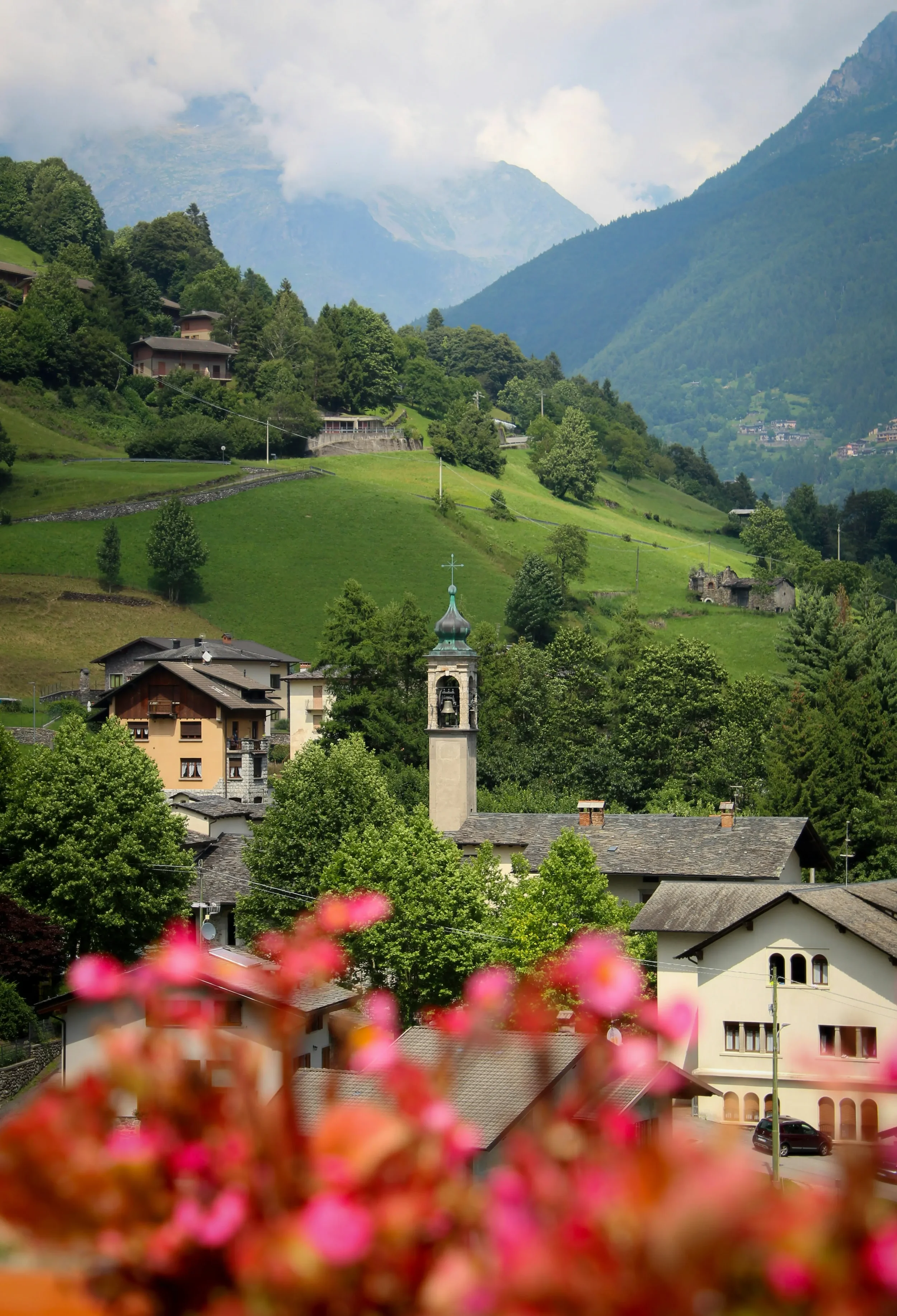
The parish church of Saints Giacomo and Vincenzo, outside the tight historic core, deserves a separate stop. Its paintings, carved furnishings and metalwork reflect the artistic ambition of this small community. Check church access and the parish museum programme rather than assuming both follow the same hours.
For a change of pace, extend the stay towards Spiazzi di Gromo. Treat the higher mountain area as its own outing, with an appropriate route, equipment and weather check. Back in the village, look for Val Seriana formaggella and a leisurely meal before returning to the valley road.
Hidden Italy tip: Pair a morning of architecture and church art with one modest outdoor plan. A full mountain hike deserves a separate day.
PLAN YOUR VISIT
Give a small village enough time to tell its story
A day in Gromo
Begin in Piazza Dante, follow the old lanes and visit the MAP if its programme fits. Leave time for San Gregorio and the parish church, then lunch. With a longer afternoon, choose a short local walk instead of trying to fit in a major mountain route.
Where to stay
Stay in or near the historic village for evening walks and easy access to its sights. Choose accommodation around Spiazzi if mountain activities are the priority. Check the road distance between the two and confirm parking and luggage access for any room in the old centre.
When to go
Spring through autumn offers scope for combining village visits with the valley landscape, subject to conditions at higher elevations. Winter can suit a village and ski-area stay, but walking routes and services need separate checks. Cultural openings often matter more than the season for a short art-focused visit.
Getting there and around
Approach through Val Seriana from the Bergamo side and allow time for valley traffic. With public transport, check the full connection and return journey to Gromo before setting off. The old streets include slopes and uneven surfaces; ask about specific access needs. The Gromo tourist office’s cultural guide provides current museum announcements, while Visit Bergamo gives a regional introduction.
Make it a longer journey
Combine Gromo with Bergamo and more of Val Seriana, keeping enough time for the winding journey into the mountains. Our seven-day Lombardia itinerary is a starting framework; add a valley overnight rather than squeezing Gromo into an already full lake day. Find more ideas in the Lombardia travel guide.
Image credits
San Gregorio, Piazza Dante — Nazasca · CC BY-SA 4.0, via Wikimedia Commons.
Converted to WebP and resized for display; any crops are shared under the same licence.
Church and hills: Nicola Fittipaldi / Unsplash.
