Barolo
A small village. A celebrated wine. Time to explore the Langhe.
Discover Barolo in Piemonte, where the Falletti Castle, village lanes and surrounding vineyards bring the story of the Langhe into focus. Come for the wine, then leave time for the museum, a long lunch and the hills beyond.
01 · THE VILLAGE & FALLETTI CASTLE
Begin with the place behind the name
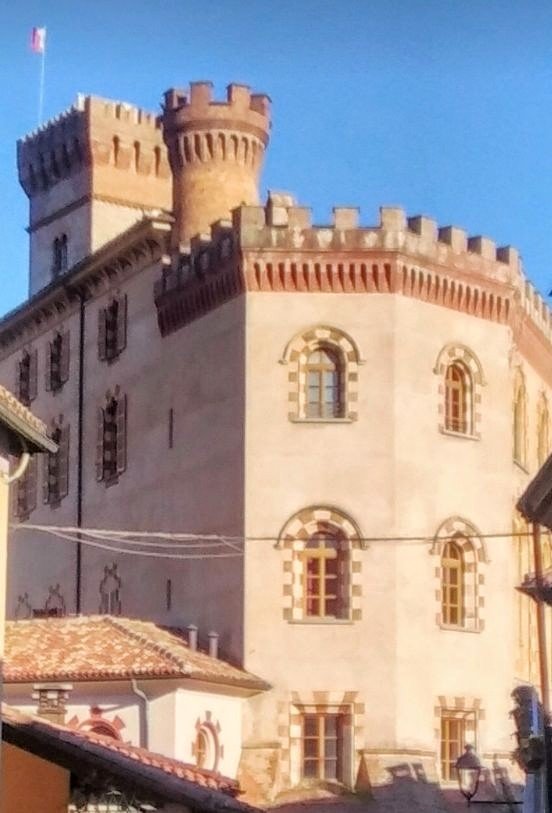
Walk through Barolo’s compact centre towards Piazza Falletti, where the castle anchors the village. Leave time for the lanes, small shops and a pause between the buildings before heading inside.
The castle houses WiMu, a museum exploring wine through nature, history, art and culture. Its imaginative displays offer a broader introduction than a technical tour of how wine is made.
On the noble floor, rooms preserve furnishings associated with Carlo Tancredi Falletti and his wife Juliette, known as Giulia di Barolo. Another part of the route recalls the castle’s later life as a school, opened in 1875 in accordance with her wishes.
We suggest making the museum your main indoor visit, then allowing the rest of the village walk to unfold around it. Check the official WiMu visitor information for current access and tickets.
02 · BAROLO & ITS WINE COUNTRY
Understand what is in the glass
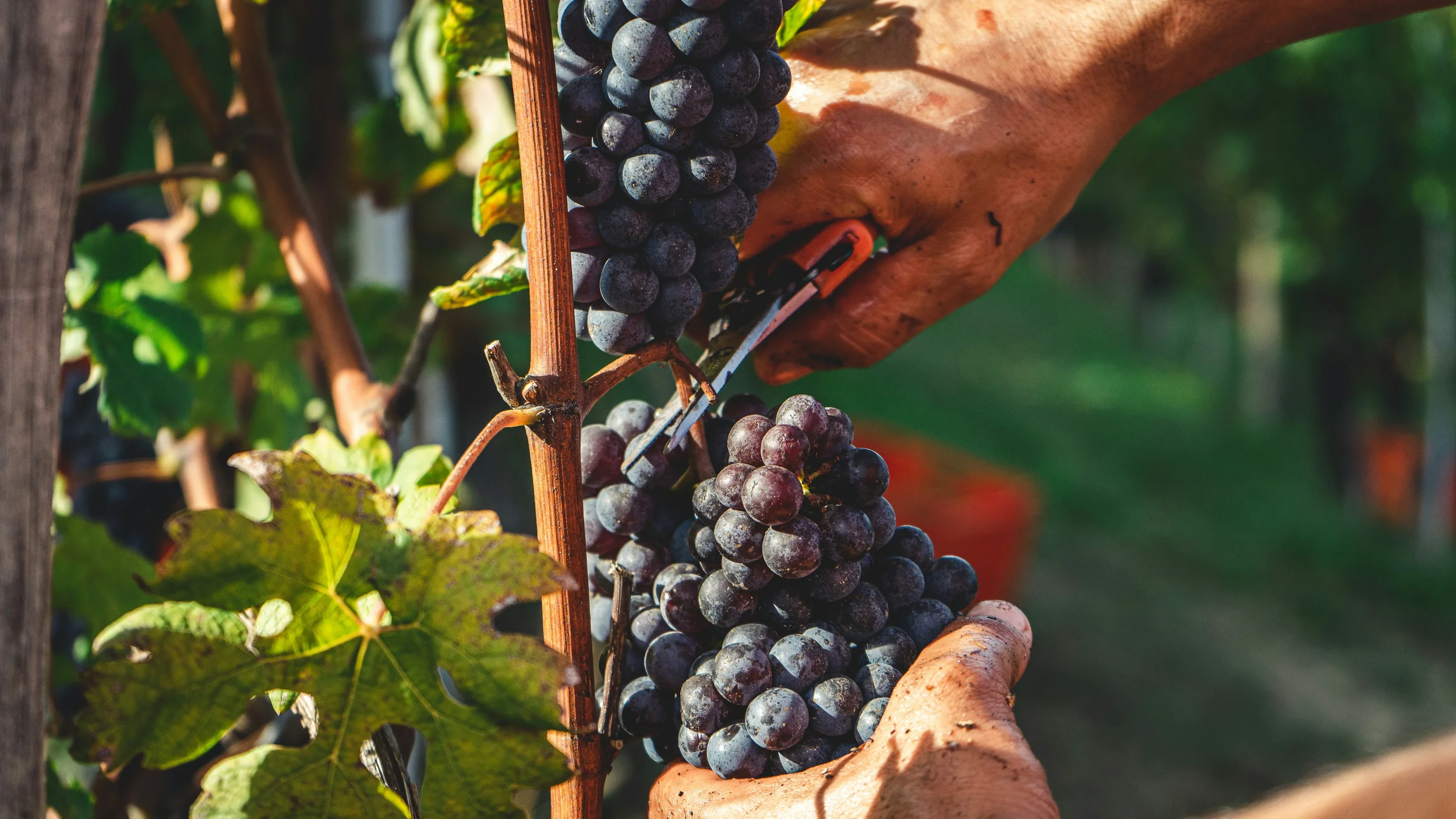
Barolo is both a village and the name of a wine made across a wider area. Barolo DOCG uses Nebbiolo grapes and comes from vineyards within eleven municipalities, including Barolo itself and parts of the surrounding Langhe.
The Enoteca Regionale del Barolo, in the castle’s cellars, offers a useful starting point for comparing producers. It has its own access and tasting arrangements, so check these separately from a museum visit.
For a winery visit, choose one producer and reserve ahead. A focused tasting leaves time to ask about the vineyard, the harvest and the way the wine develops. Arrange your onward transport before booking a day built around tastings.
03 · THE HILLS BEYOND BAROLO
See the Langhe at a slower pace
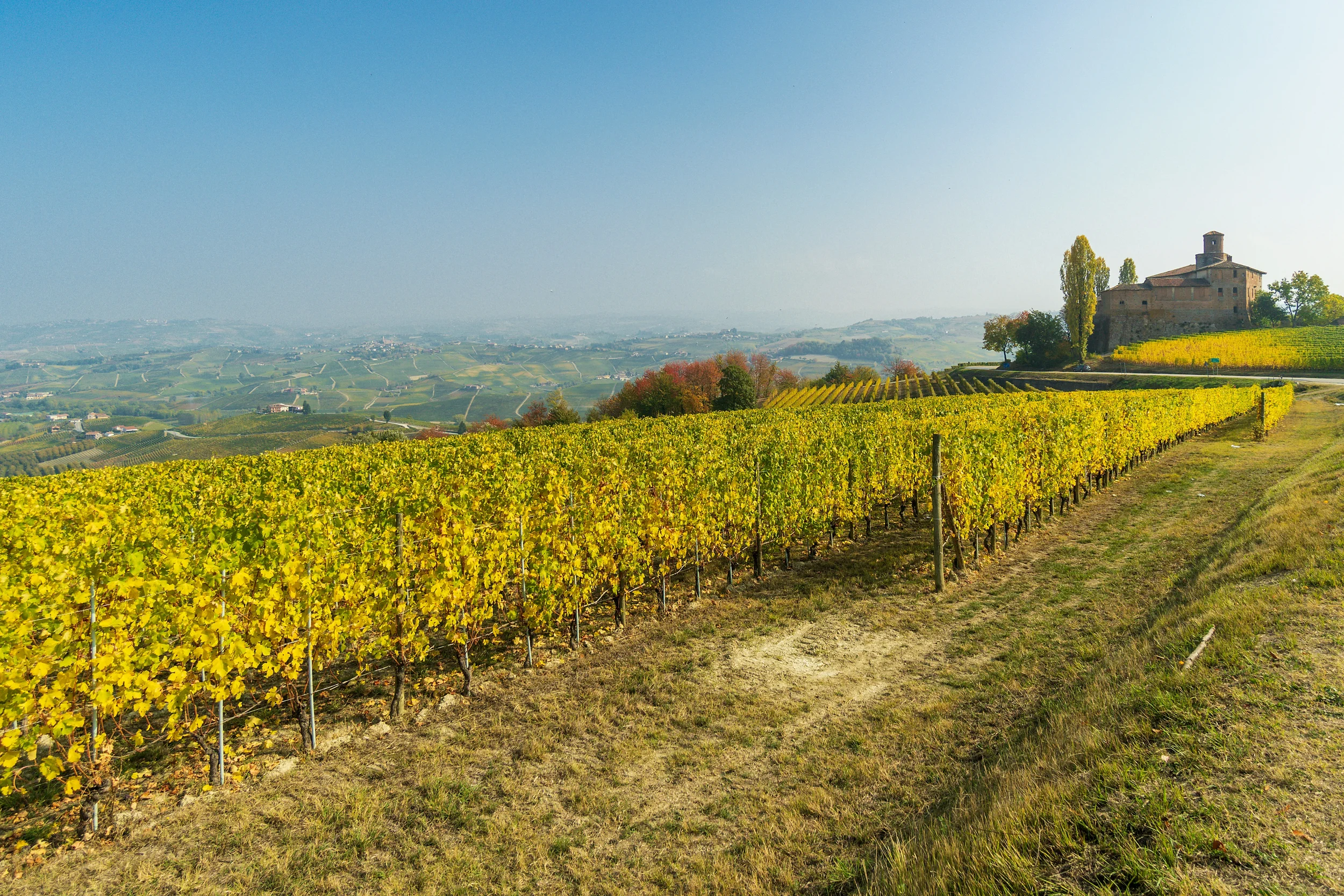
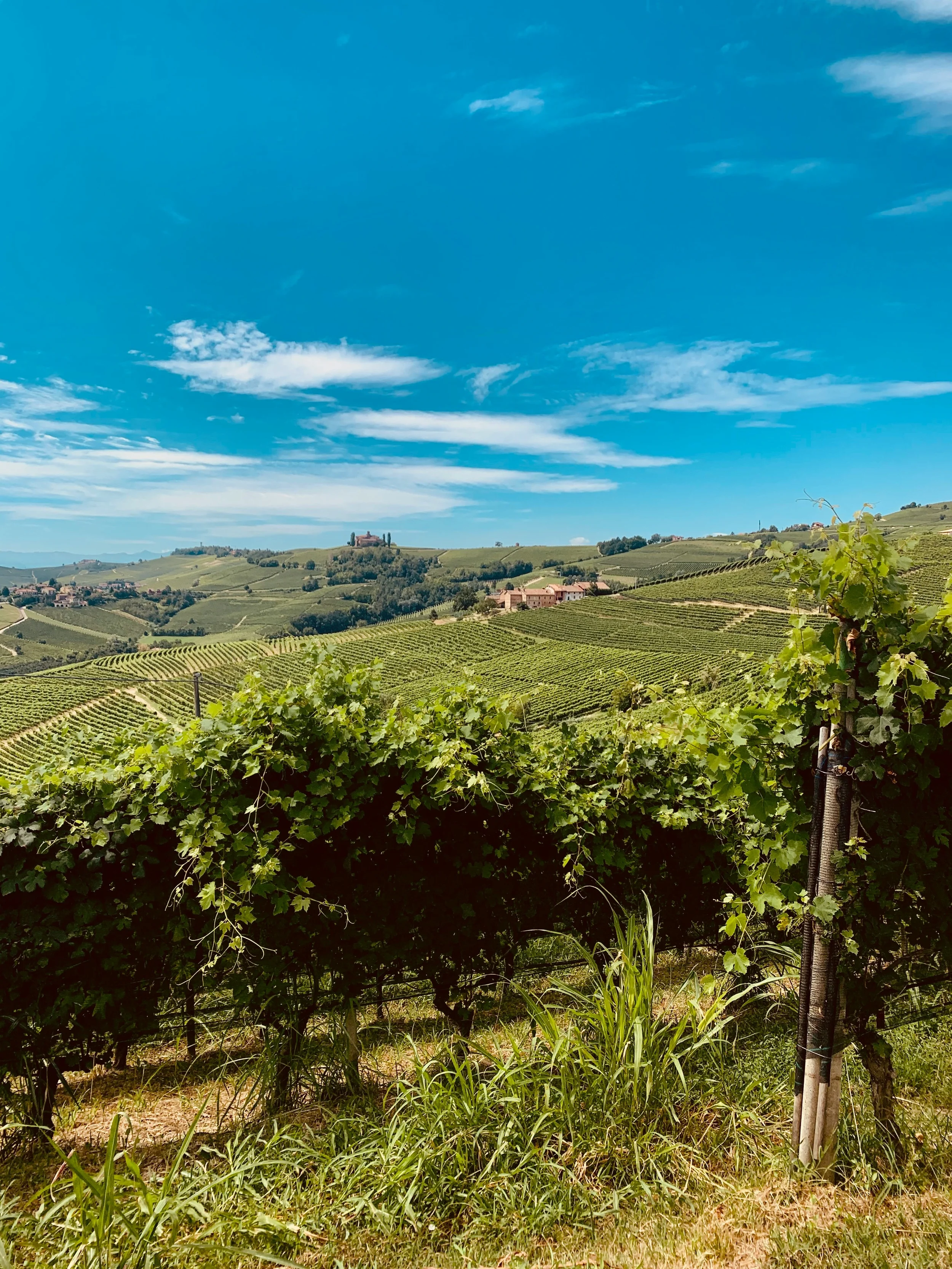
Once you have explored the village, make room for the landscape around it. Vineyard slopes and changing viewpoints are part of Barolo’s appeal, and a short, well-chosen outing often works better than a long list of villages.
La Morra’s Piazza del Belvedere offers a wider view across the hills. Alternatively, choose another castle village such as Serralunga d’Alba for a different perspective on the wine country.
For a walk, use a current marked route suited to your time and fitness. Keep to public paths and respect working vineyards; a line between the vines is not automatically a walking route.
On another day, explore the historic streets of Cherasco or continue to Neive in the Barbaresco area for another chapter of the Langhe.
PLAN YOUR VISIT
Make time for the village and the hills
One day, from the castle to the countryside
Begin with a village walk and WiMu, then settle into lunch. We suggest choosing one afternoon focus: a pre-booked tasting, a countryside walk or a visit to La Morra’s viewpoint.
Leave gaps between appointments. Trying to fit several wineries and several villages into the same day turns the landscape into something seen mostly through a windscreen.
Where to stay & how long to spend
A full day gives you room for Barolo, one main visit and lunch. Stay for two or three nights if you want to explore more of the Langhe without changing base each day.
Choose the village if being able to walk to dinner matters most. A countryside stay suits time among the hills, but check how you will reach restaurants and tastings. Alba is another base to consider when comparing transport connections.
When to visit
We would favour spring for walking days or autumn for a trip centred on the vineyard landscape and seasonal food. Book the experiences that matter to you before committing to a busy weekend.
In summer, leave walks for the cooler part of the day. For a winter visit, check museum, winery and restaurant opening days individually and keep your outdoor plans flexible.
Getting here & getting around
A car gives flexibility between the villages, while the compact centre of Barolo is best explored on foot. Use signed parking and check access restrictions before following navigation into the old streets.
If travelling without a car, plan the complete journey via the regional transport network, including the final connection to Barolo and the return. Do not assume that a convenient arrival also means an easy evening departure.
The village has slopes and steps. Ask individual venues about access if you need a route with fewer barriers, and choose footwear suitable for both lanes and any countryside walking.
Leave room for the table
Look for a menu rooted in the Langhe, perhaps beginning with tajarin, the region’s fine egg pasta. Ask what is seasonal, and check prices before adding fresh truffle to a dish.
A relaxed lunch can be the centre of the day. Reserve ahead if you have a particular restaurant in mind, especially when your visit also depends on a timed museum entry or tasting.
Build it into a longer Piemonte journey
Pair Barolo with Cherasco for another historic town, or allow a separate day for Neive and the Barbaresco area. Our 7-day Piemonte itinerary helps put the Langhe into a wider regional trip.
Start with the Piemonte travel guide for the full picture. For more detail on the wine itself, the official Barolo wine consortium explains the grape variety and production area.
Image credits
Falletti Castle, Barolo — Jeanne Griffin, via Wikimedia Commons, CC BY-SA 4.0. Resized for display; any adaptations are shared under the same licence.
