Neive
Red roofs, vineyard horizons and a slower taste of the Langhe.
Neive is a village to explore on foot and enjoy at the table. Above the surrounding vineyards, its old centre brings together winding lanes, a landmark clock tower and a strong wine tradition. Give the village time beyond a single tasting: a morning walk, a long lunch and a view across the hills make a rewarding day.
01 · NEIVE ALTO
Find your way through the old village
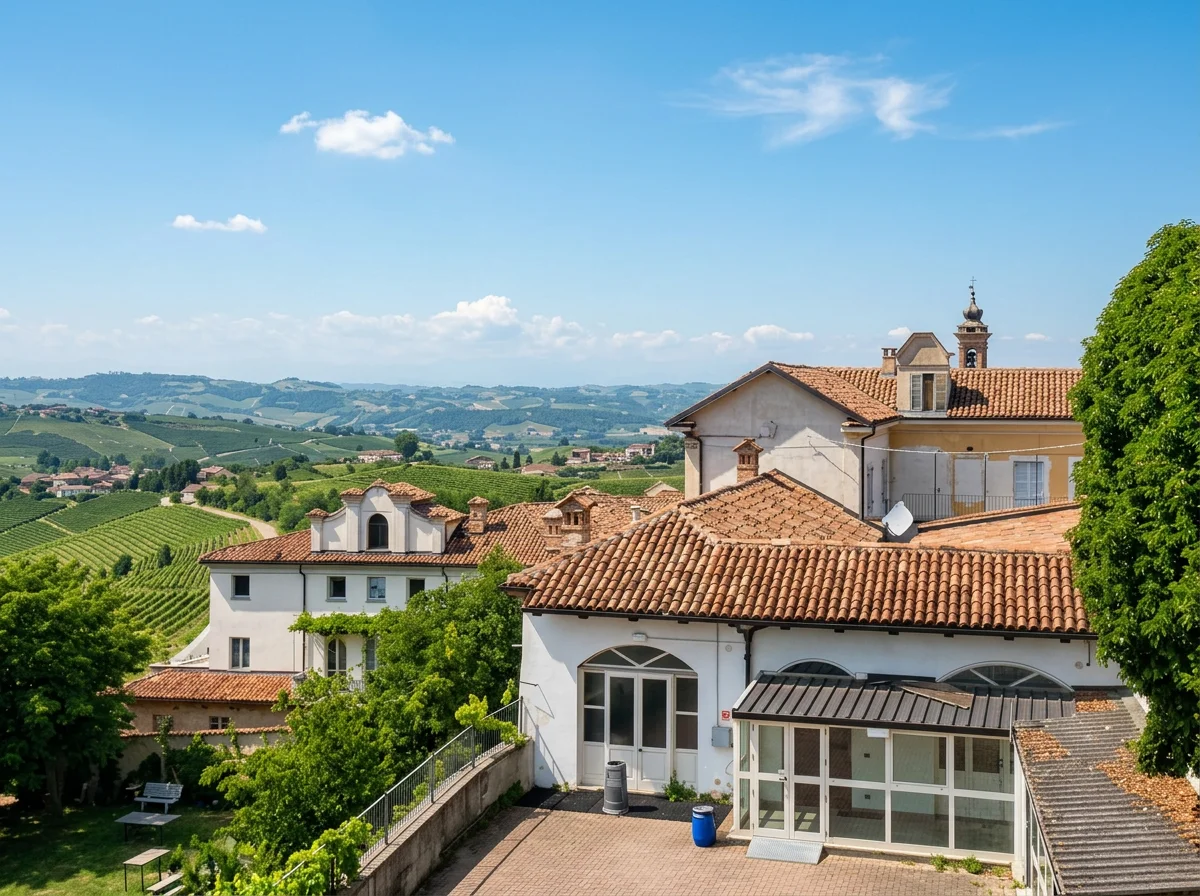
Head for Neive Alto, the historic hilltop centre, when planning your first visit. The wider settlement includes a lower, more modern part, so check the exact location of your parking or accommodation rather than relying on a map pin for Neive alone.
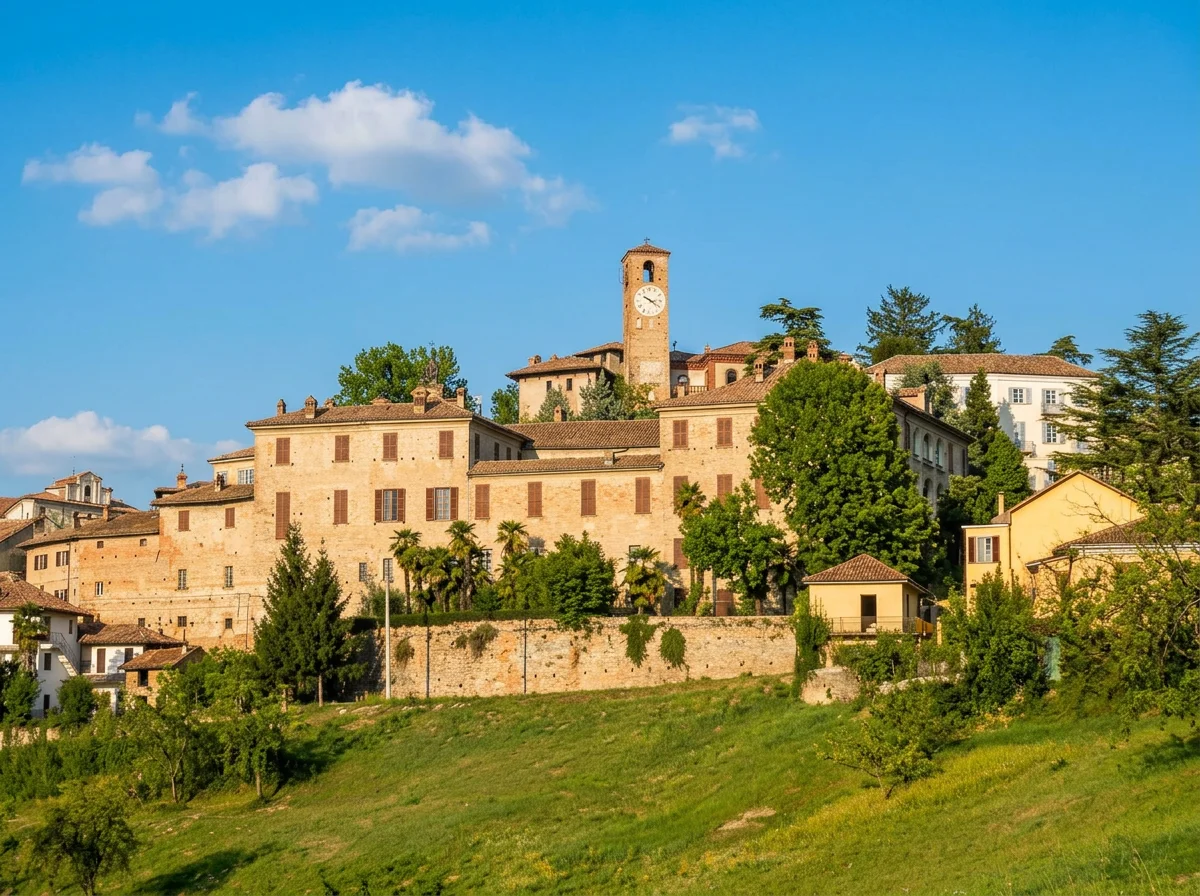
The old village is best approached as a network of lanes and small spaces. Start around Piazza Italia, then wander towards the higher streets, looking for red-tiled roofs, brickwork and the changing views between buildings. This is a good place to put away a rigid timetable.
Among the landmarks is the Baroque Archconfraternity of San Michele, with its carved wooden portal. Even when an interior is closed, the façades and streets give the walk plenty of interest. Leave time to return through a different lane rather than retracing every step.
Hidden Italy tip: Arrive before your lunch or tasting appointment so that the village gets your full attention. The official Romantic Road guide to Neive provides useful background to its historic buildings.
02 · THE CLOCK TOWER
Look beyond the rooftops
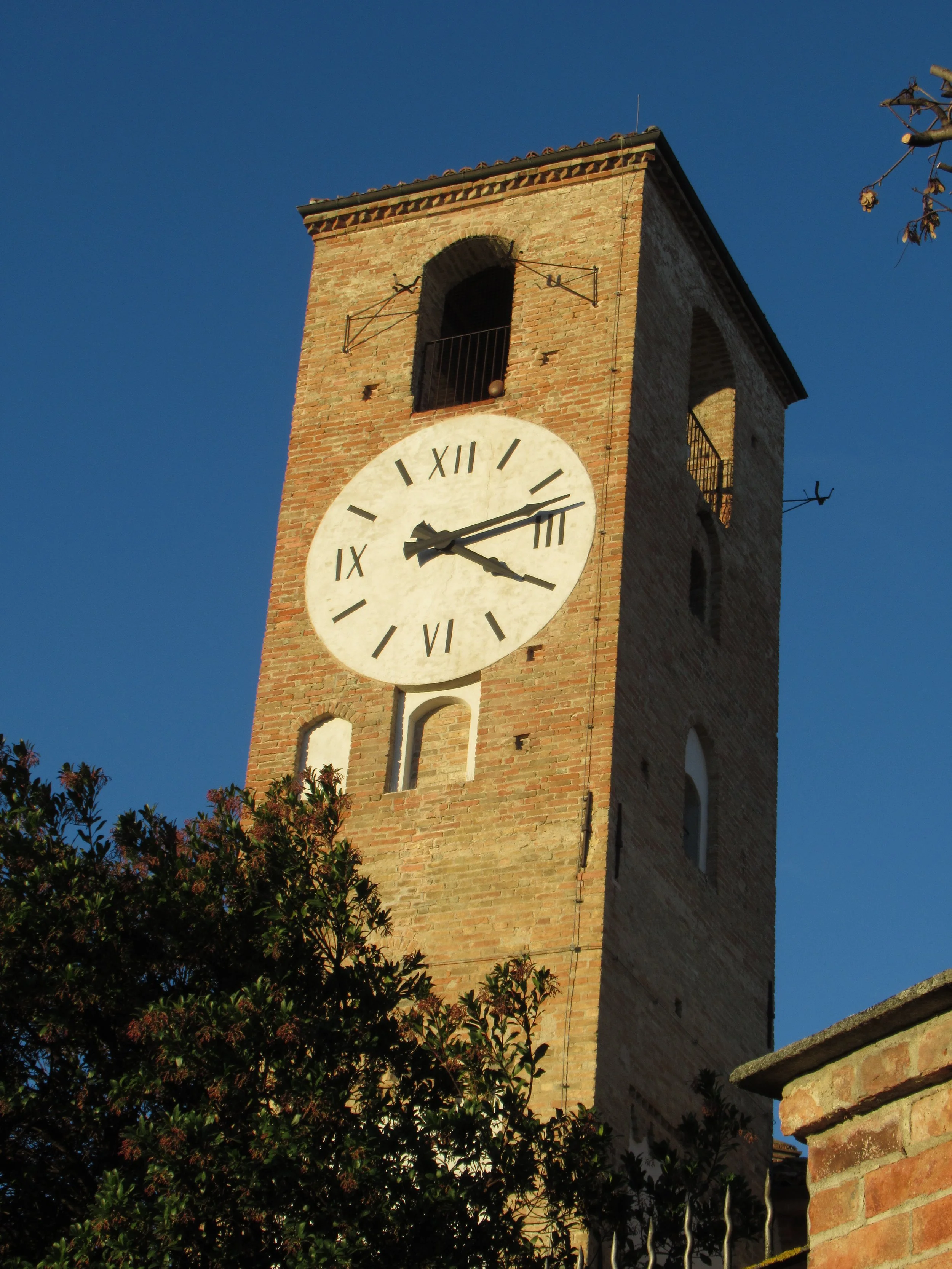
The Torre dell’Orologio is Neive’s most recognisable landmark. Its origins date to 1224, and the tower became a symbol of the town’s civic independence. Rebuilt over time, it remains a strong visual anchor as you explore the higher part of the village.
When visitor access is available, the tower gives a different perspective on the settlement and the surrounding wine landscape. Even from the streets nearby, it helps you understand how the village occupies its hill. Check the current visit arrangements instead of assuming it is always open for a casual climb.
The local cultural visit can also include Casa della Donna Selvatica, connected with the world of grappa maker Romano Levi and the stories of women in the Langhe. It offers another way to approach local culture beyond a list of wine labels.
Plan your visit: Consult the regional tourism information for the Clock Tower for current access and guided-visit options.
03 · THE FOUR WINES
Taste the village through its wine culture
Neive’s Bottega dei Quattro Vini brings together local growers in the cellars of the town hall, on Piazza Italia. The association dates from 1983 and gives visitors a useful introduction to the range of wines associated with the village.
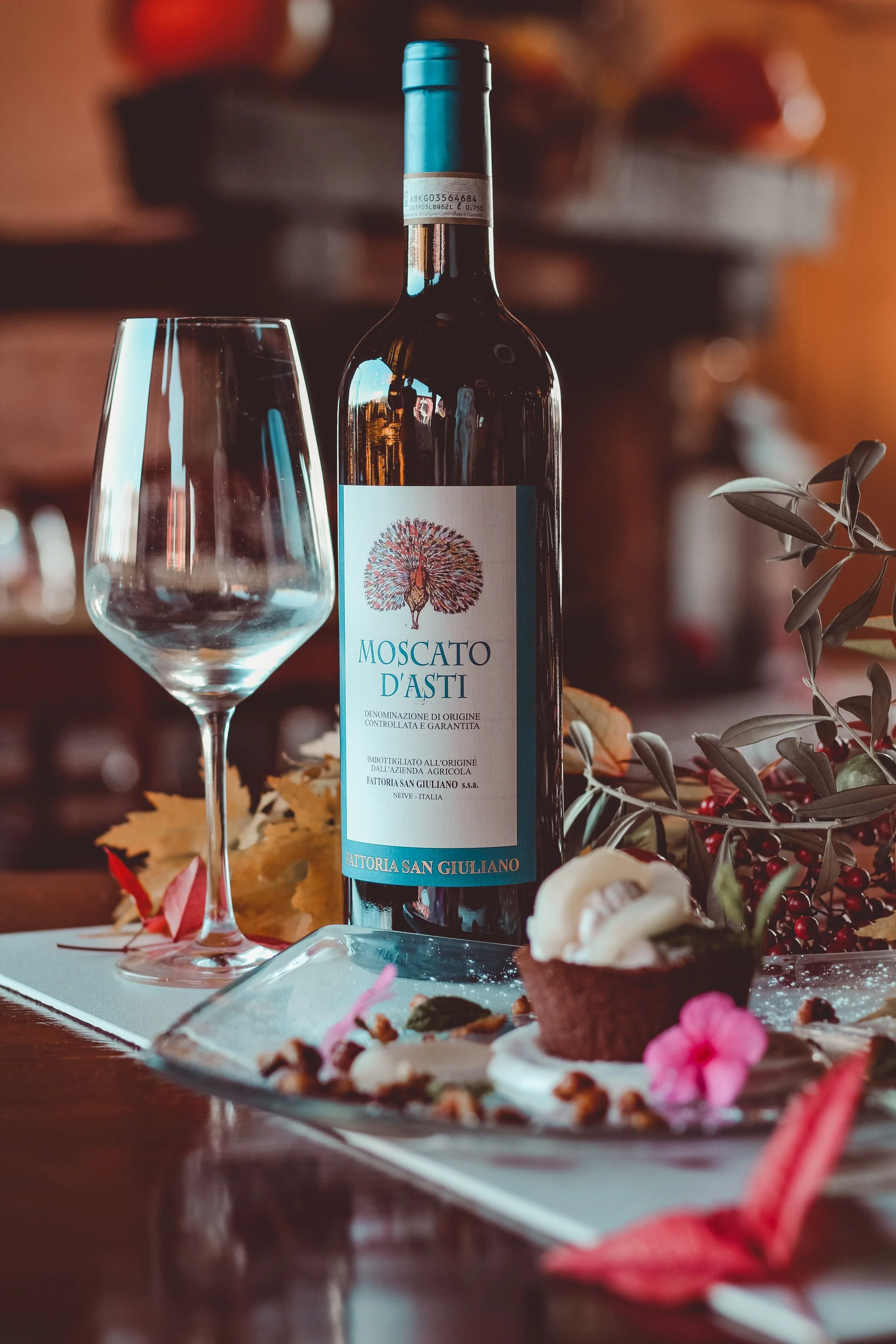
The four names to know are Barbaresco, Barbera d’Alba, Dolcetto d’Alba and Moscato d’Asti. Comparing them is a more informative starting point than choosing a bottle only by the fame of its label. Ask what is available to taste and how the selection relates to the surrounding vineyards.
For a deeper visit, book a producer appointment as a separate experience. A cellar visit can add context about vineyards and winemaking, but it takes more planning than dropping into a village wine bar. Leave room for lunch and avoid packing several appointments into one afternoon.
Hidden Italy tip: Check the Bottega’s official website for visit details. Arrange your transport before a tasting day so you can enjoy it at a relaxed pace.
PLAN YOUR VISIT
Spend a little longer in the Langhe
A first day in Neive
Morning: explore Piazza Italia and the lanes of Neive Alto, including the Clock Tower area. Afternoon: enjoy lunch and one wine experience, leaving time to return to a favourite viewpoint. This is our suggested pace; book any guided cultural visit or producer tasting around the confirmed opening times.
Where to stay & how long to spend
A full day gives you time for the village and a tasting. Two nights make a more relaxed base for this part of the Langhe. Stay in the old centre if you want evening meals within walking distance, or choose a vineyard property for a countryside setting. Check the actual drive or walk back after dinner, as a nearby address may still sit on a different hill.
When to visit
Spring and autumn suit a trip centred on walking, food and the changing vineyard landscape. Summer offers long evenings but can call for a slower midday pace. Harvest periods are working times for wineries, so arrange visits in advance. In winter, confirm accommodation, restaurant and tasting openings before committing to a stay.
Getting here & getting around
A car gives flexibility between hill villages and rural accommodation, while the historic centre itself is best explored on foot. Check local parking and vehicle-access arrangements, particularly if carrying luggage uphill. For a visit without a car, confirm the full public-transport journey and onward connection to your address, or arrange transfers before booking tastings.
Walking beyond the village
Choose a published walking route and follow public paths; vineyards are working land. Our Piemonte travel map helps with regional orientation, while the Piemonte guide and 7-day itinerary offer ideas for the wider journey. Allow time for the roads between hills instead of measuring the day only by distance on a map.
For current local information, consult the municipality’s tourism pages and the official visitor links above.
Image credits
Clock Tower (Neive) 01 — Superchilum · CC BY 4.0
Via Wikimedia Commons. Resized for display; any crops are shared under the respective image licences.
