Vogogna
Stone lanes, a watchful castle and the green slopes of the Ossola Valley.
Vogogna brings the mountains close to a compact medieval centre. Its civic buildings, castle and uphill paths tell the story of a village that once governed the lower Ossola Valley. Take time to explore the streets before climbing higher, and use the village as a gentle introduction to this part of northern Piemonte.
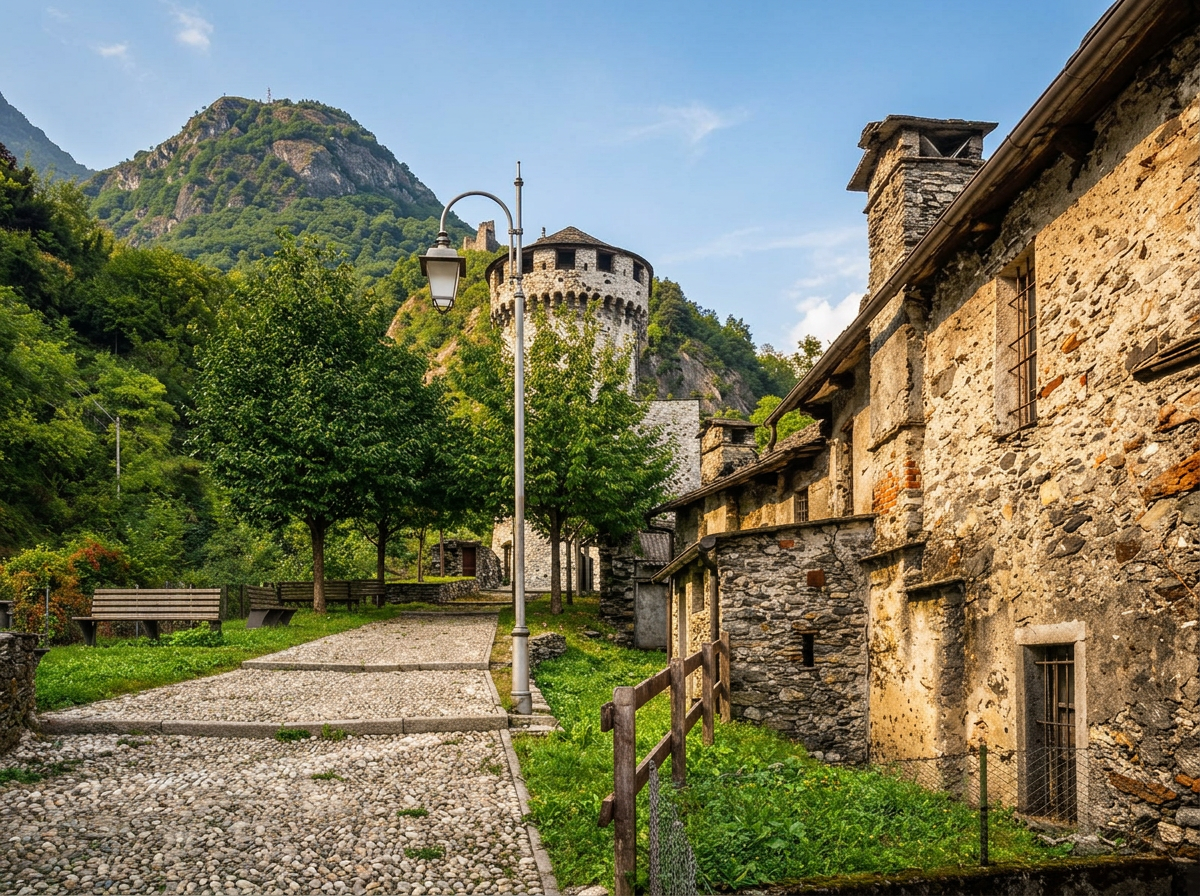
01 · THE MEDIEVAL VILLAGE
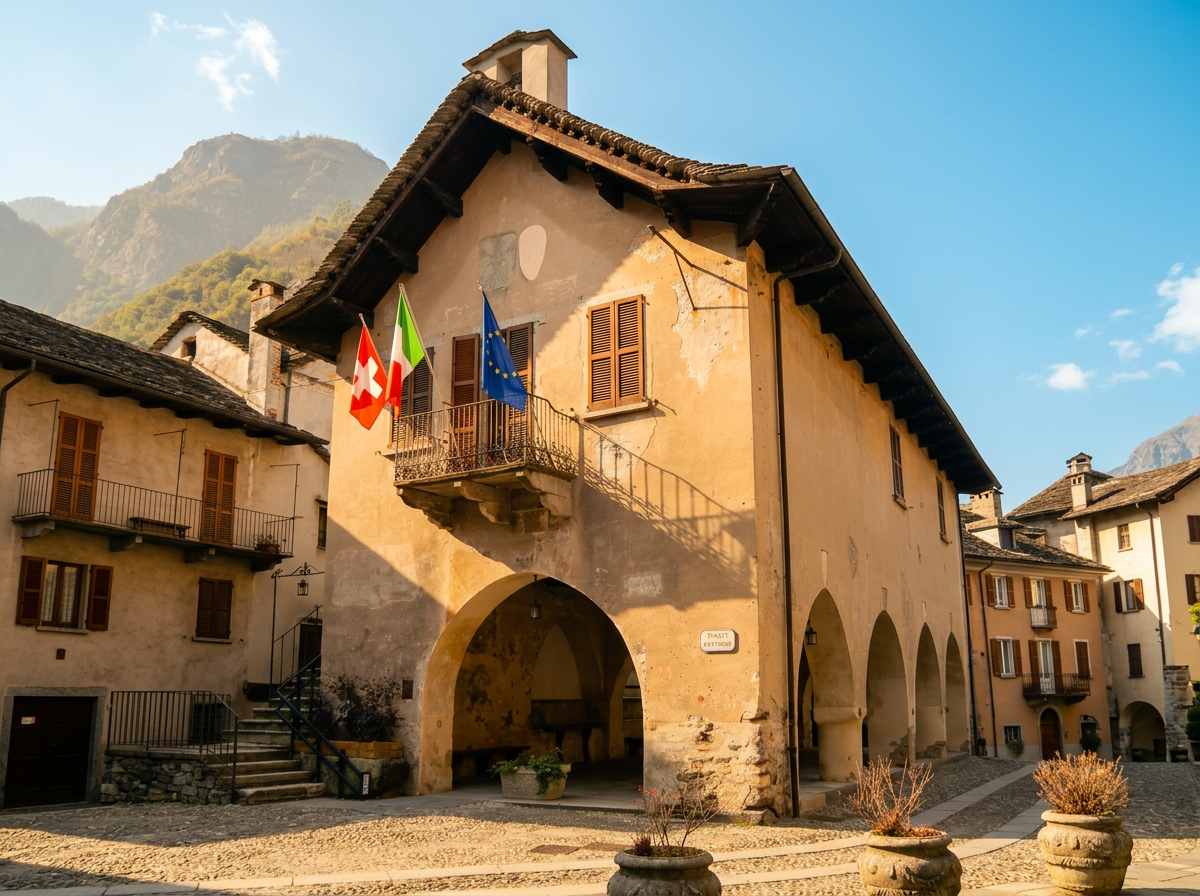
Start beneath the arches of Palazzo Pretorio
The lanes of Vogogna gather around Palazzo Pretorio, the fourteenth-century civic building whose pointed arches open onto the heart of the village. Its modest scale makes the history feel close: this was a place of administration and justice, not simply a decorative landmark.
Vogogna grew in importance under the Visconti and became the administrative centre of the lower Ossola. Look for the stone doorways and passages around the palace, then follow the streets towards the castle. The sequence from civic square to fortified hillside explains the village better than visiting either monument in isolation.
Allow time for a slow circuit before heading uphill. The old centre is a good place to pause, look at the details of the buildings and get a sense of the relationship between settlement, valley and mountain.
Hidden Italy tip: Keep your first walk deliberately short. The official village guide helps you identify what you are passing without turning a small village into a checklist.
02 · CASTELLO VISCONTEO
See the valley from its defensive heart
The Visconti Castle rises against the rocky slope on the northern edge of Vogogna. Developed in the fourteenth century under Giovanni Visconti, it formed part of the village’s defences while also serving as a residence. Its rounded tower is one of the clearest landmarks above the roofs.
Approach from the centre to appreciate the change from narrow streets to the fortified hillside. Inside, the visit depends on the current opening arrangements and exhibition programme; check which spaces and tower areas are accessible before making them the centrepiece of your day.
The castle and the Rocca are different places. The castle stands immediately above the village, while the ruined Rocca lies farther uphill beyond Genestredo. Keeping that distinction in mind avoids setting off for a longer walk when you intended a short cultural visit.
Plan your visit: Use the castle’s official visitor information for current hours, tickets and access. The approach includes slopes and steps, so ask about the route if these may be difficult.
03 · GENESTREDO & THE HILLSIDE
Walk beyond the last village rooftops
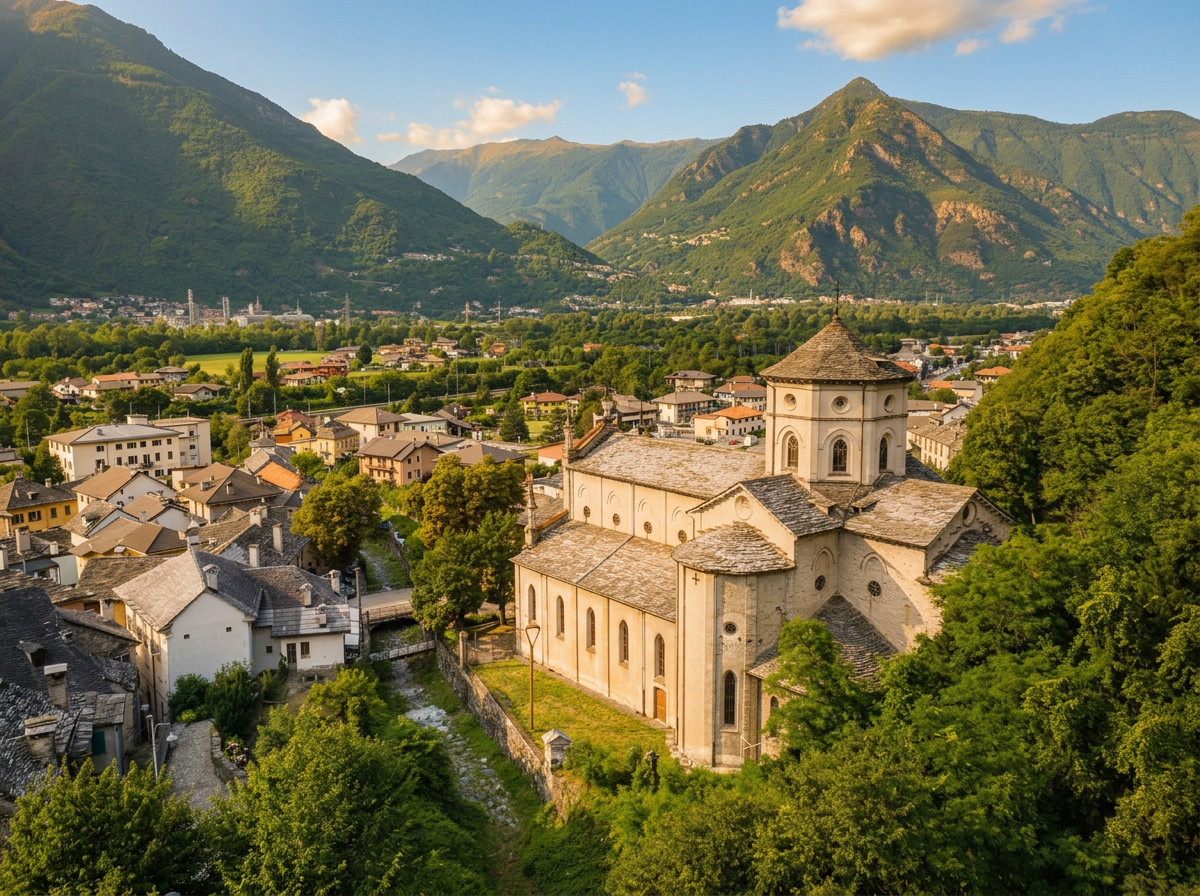
For a longer visit, continue towards Genestredo, the small hillside settlement above Vogogna. The old routes leading up from the castle connect the village to a different landscape of stone houses, trees and views across the valley.
Beyond Genestredo, the remains of the Rocca add another layer to the story of defence and settlement. Use the published route to decide how far to go; the uphill walk deserves proper footwear and time, especially if the paths are damp. You can enjoy the lower village without committing to this extension.
Vogogna also has a close connection with Val Grande National Park, whose headquarters are here. A stroll around the village and a hike into the park are separate undertakings. For a mountain day, choose a named route matched to your experience and ask about current conditions.
Hidden Italy tip: Consult the official local walking itineraries and Val Grande National Park before planning an excursion.
PLAN YOUR VISIT
Give Vogogna a day of its own
A first day in Vogogna
Morning: explore Palazzo Pretorio and the medieval lanes, then visit the castle if open. Afternoon: choose between a quiet lunch and further village time, or the uphill walk towards Genestredo and the Rocca. We suggest leaving a substantial national-park hike for a separate day, with its own route planning.
Where to stay & how long to spend
Half a day is enough for an introduction to the centre and castle; allow a full day if you add the hillside walk. Staying one or two nights gives you more flexibility for exploring the Ossola Valley. Compare a village stay with a larger valley base, checking evening dining, transport connections and the distance from parking to your room.
When to visit
Spring and autumn can be rewarding for village walks, while summer gives more scope for combining the visit with mountain time. Conditions higher up may differ markedly from the valley. In winter or outside busy periods, confirm castle openings and restaurant availability before travelling.
Getting here & getting around
For public transport, check your complete journey into the Ossola Valley and the last local connection to Vogogna, including the return. A car gives more freedom for a wider valley itinerary. Leave it in a permitted parking area and explore the historic centre on foot; the castle and Genestredo add uphill sections to an otherwise compact visit.
Combine the valley with a lake stay
Our Piemonte guide and travel map help place Vogogna within the wider region. Use the Piemonte lakes guide for a separate waterside extension, or the 7-day itinerary for broader planning. Allow proper travel time between the Ossola, the lakes and southern Piemonte’s wine hills.
For local history and visitor updates, start with the official Vogogna castle website.