Home › Sicily › Montalbano Elicona
Montalbano Elicona
A castle above stone lanes, with the inland landscape waiting beyond.
Montalbano Elicona draws you away from the coast into northeastern Sicily’s hills. Its castle anchors a compact medieval centre of narrow streets, churches and changes in level. Give the village a proper visit, then treat the rock formations of nearby Argimusco as a separate countryside outing.
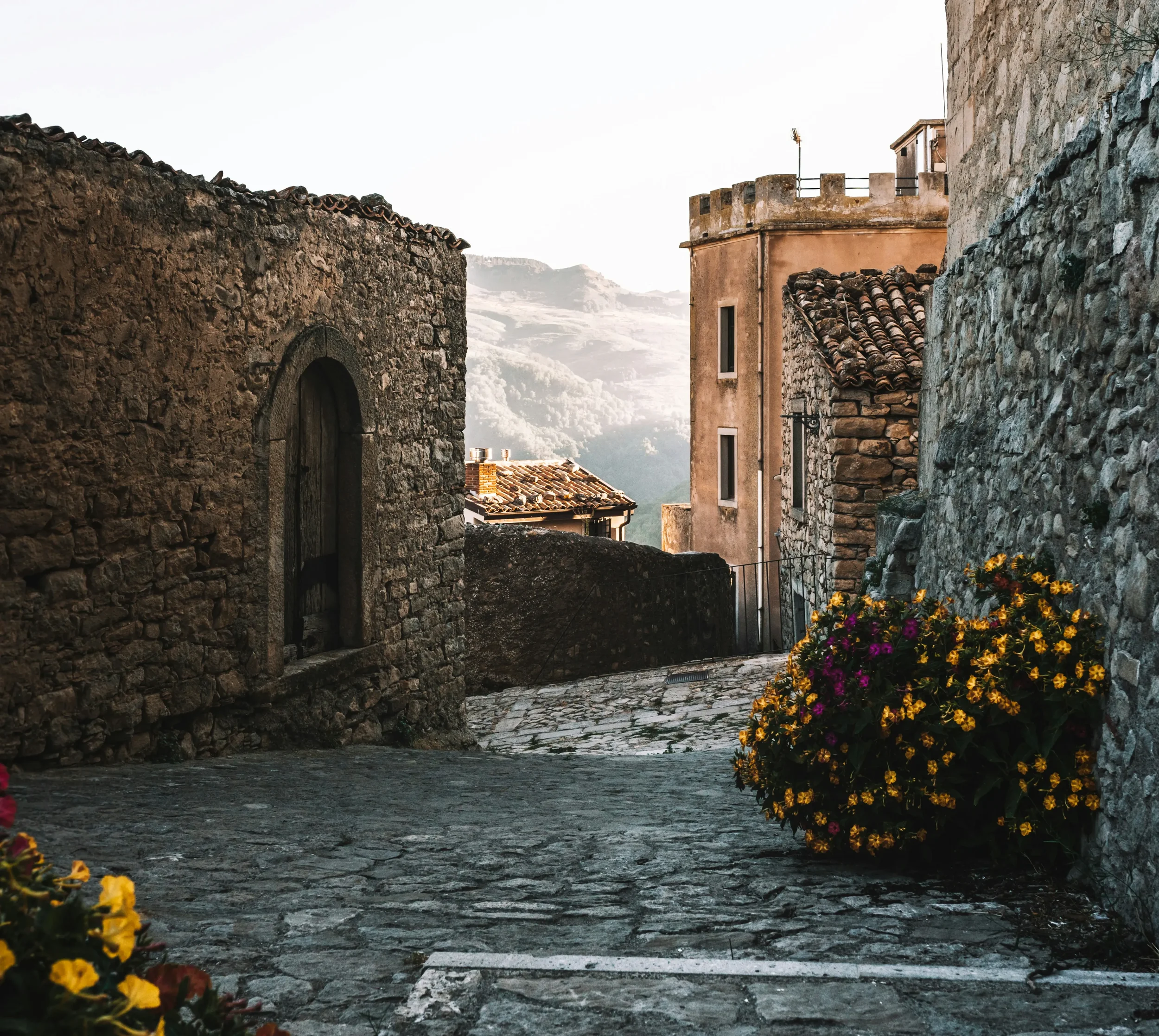
01 · THE SWABIAN–ARAGONESE CASTLE
Climb towards the village’s landmark
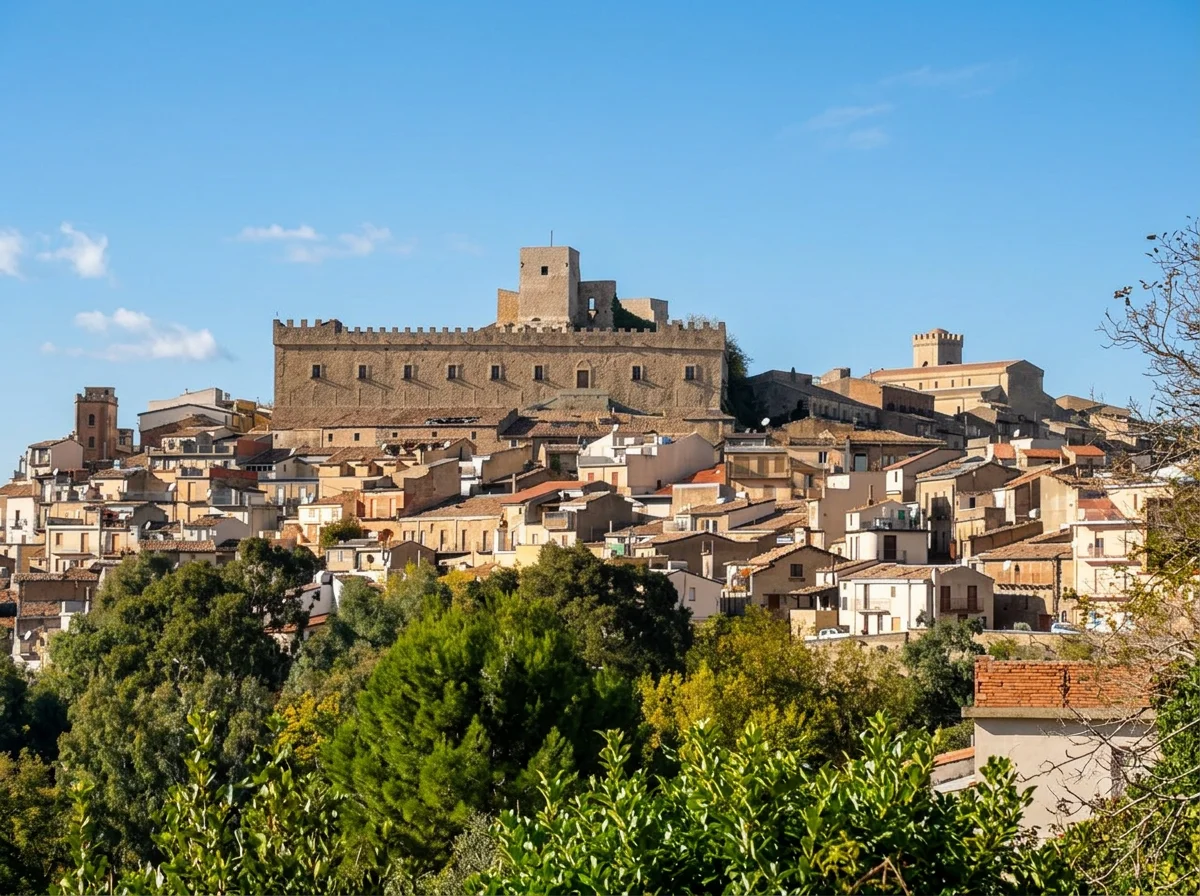
The castle dominates Montalbano Elicona’s historic centre. Originally defensive, it became a royal residence during the Aragonese period, giving the building a story that extends beyond walls and military control.
Begin by taking in its position above the houses. Inside, when open, the royal chapel and exhibition spaces add context to the visit. Ask which rooms are accessible and whether a guided explanation is available; displays and admission arrangements can change.
The approach through the old lanes is part of the experience. Allow time for the ascent and for looking back across the rooftops rather than driving as close as possible to the entrance.
Hidden Italy tip: Check the castle’s opening arrangements first, then place lunch and the rest of your walk around that visit.
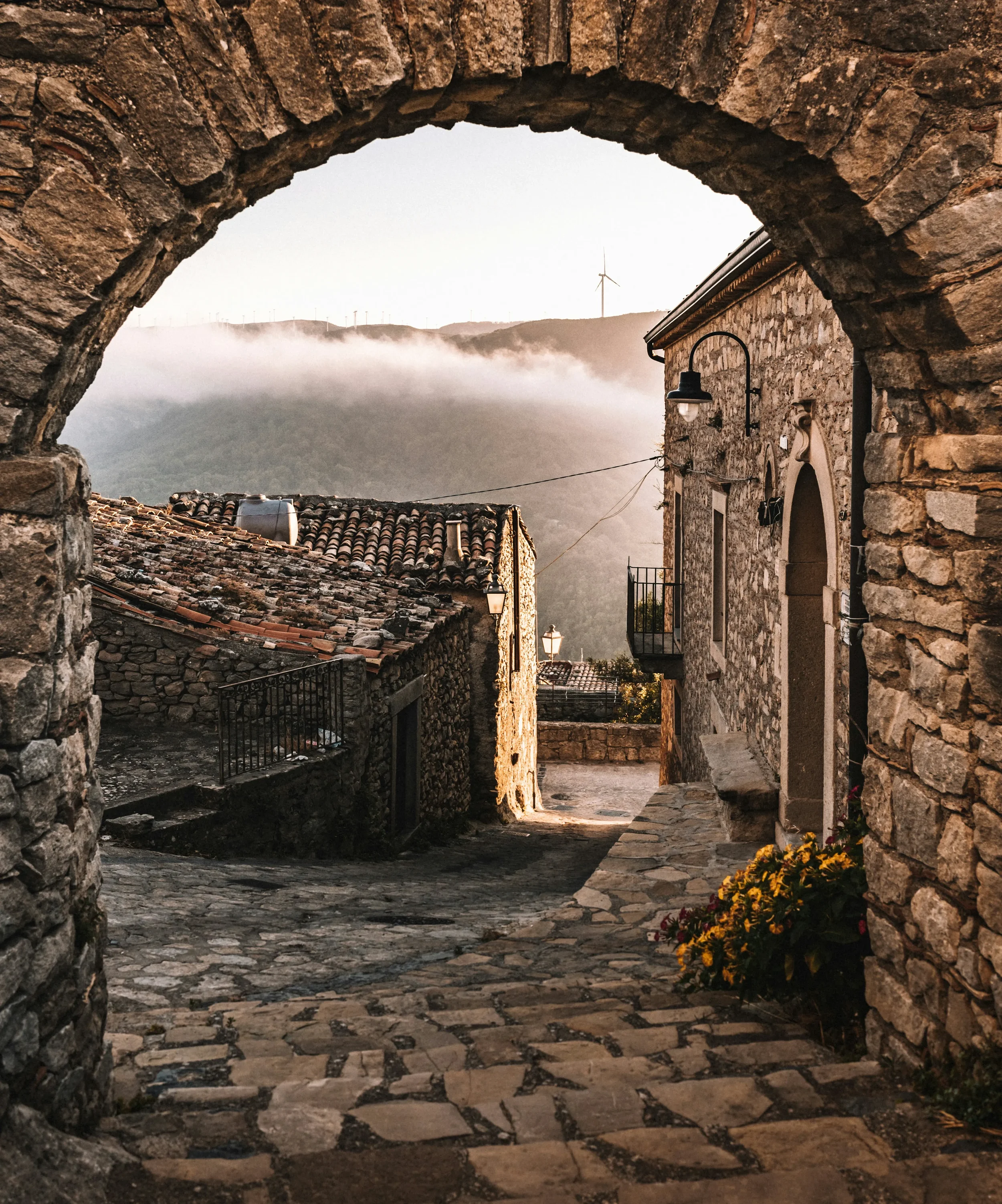
02 · SANTA CATERINA & THE DUOMO
Follow the lanes into the village’s quieter corners
Santa Caterina is a useful stop among the streets leading towards the castle. Its stone façade introduces a church whose interior brings together different artistic periods, including a marble statue associated with the Gagini workshop.
The main church, dedicated to Santa Maria Assunta and San Nicolò Vescovo, stands above a broad staircase. Look at the way it faces the square before visiting the interior, where sculpture and devotional works give another focus to the walk.
Leave room for the smaller streets between these landmarks. A local lunch can introduce the inland food traditions too: fresh ricotta, baked ricotta, pasta and hazelnut sweets are among the regional flavours to ask about.
Hidden Italy tip: Choose a table and a few dishes that interest you. A village visit feels less rushed when the meal is part of the plan.
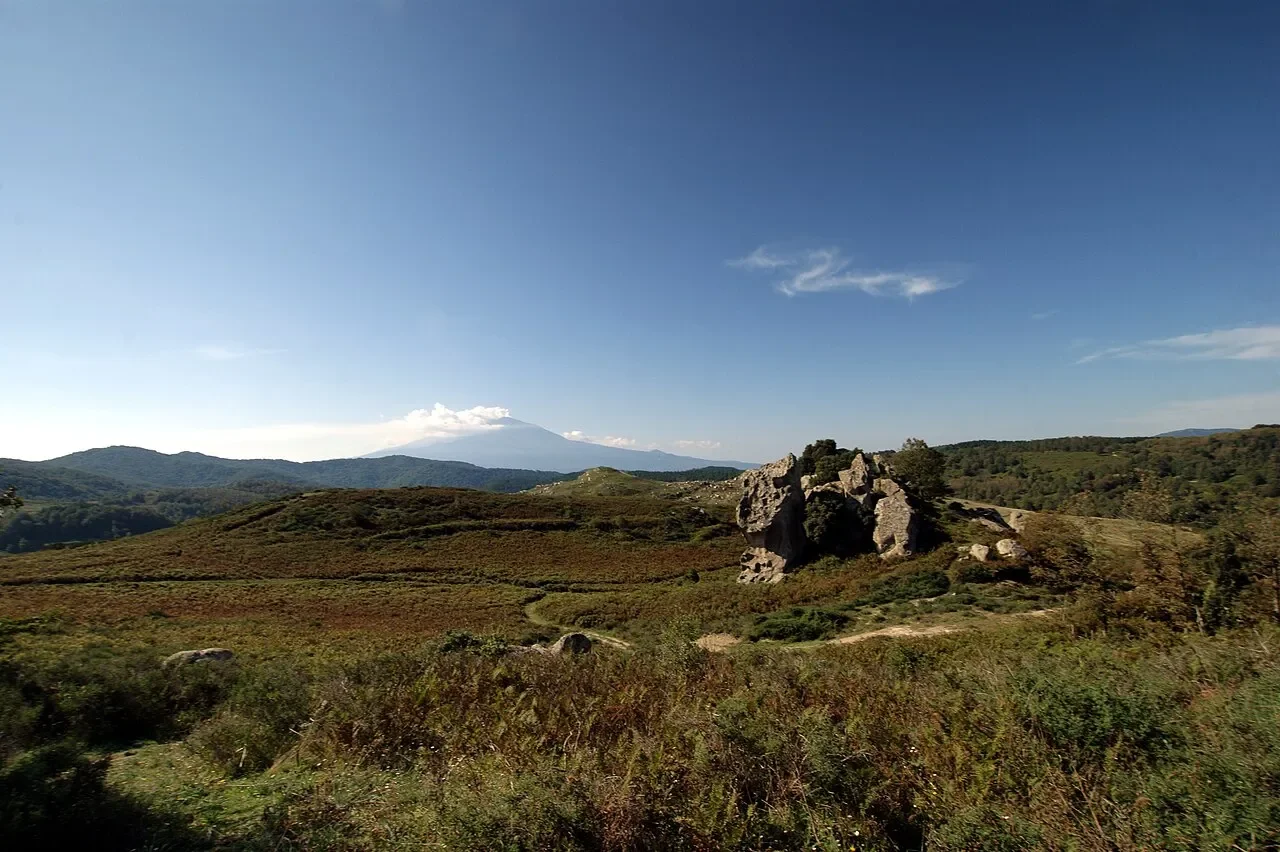
03 · ARGIMUSCO
Make the rocks a separate landscape visit
The Argimusco plateau is known for large sandstone formations shaped by weathering. Their outlines invite comparisons with people and animals, but these impressions are not proof of a prehistoric monument or an ancient observatory.
Approach it as a natural landscape, with open ground and changing mountain weather. A local guide can help you read the terrain and distinguish documented information from stories attached to the rocks.
Argimusco is outside the village. Plan the journey, access and walking conditions separately, and choose a route that suits the weather and your group. Keep to permitted paths and avoid climbing the formations.
Hidden Italy tip: If the weather is poor or visibility low, give the village more time instead. The countryside outing is an option, not an obligation.
PLAN YOUR VISIT
Balance a village day with time outdoors
A suggested day
Morning: walk through the old centre towards the castle, fitting the interior visit around its opening arrangements. Continue to Santa Caterina and the main church when accessible, then pause for lunch.
Afternoon: choose either more time in the village or a separately planned visit to Argimusco. We suggest half a day for the centre and a full day or overnight stay if you want the landscape as well. This is our proposed itinerary, not a marked walking route.
Where to stay & how long to spend
A room in the village lets you enjoy the streets in the evening and avoid combining everything into one long drive. Two nights gives more flexibility for the countryside. Rural accommodation can suit a driving trip, but check the approach road and the distance to dinner rather than relying only on the property’s town name.
For an old-centre stay, ask about steps, parking and luggage drop-off. Confirm arrival arrangements if you expect to reach the village after dark.
When to visit
Spring and autumn are our preferred seasons for a mix of village walking and countryside. Summer still calls for water and sun protection, especially on exposed ground. In winter, check the mountain forecast and road conditions and keep outdoor plans flexible.
Arrival & getting around
Allow extra time for the inland approach and winding roads. A car is useful when pairing the village with Argimusco or rural accommodation. If travelling by bus, verify current operating days, the final stop and your return connection before setting out.
Use signed parking and continue through the centre on foot. The castle approach, church steps and irregular paving are important considerations for anyone needing step-free access; check the exact route with the venue or host.
Give inland Sicily its own place in the trip
Combine the village with a separate day on the Tyrrhenian coast, allowing enough time for the journeys. Use our Sicily guide and travel map to group stops rather than crossing the island repeatedly.
For background, see Visit Sicily’s Montalbano Elicona guide and its Nebrodi village itinerary. Check municipal notices for changes affecting local visits.
Image credits
Argimusco landscape: Rocche Argimusco etna by Kondephy, CC BY-SA 4.0, via Wikimedia Commons.

Commons images resized for this page; images supplied as WebP were converted from the originals. Adapted versions remain available under the respective licences linked above.